
Spatial awareness Space Worksheets for Ages 7-8
3 filtered results
Difficulty Level
Grade
Age
-
From - To
Subject
Activity
Standards
Discover our engaging Spatial Awareness Space Worksheets for ages 7-8, designed to enhance young learners' understanding of space, shapes, and distance. These comprehensive resources combine fun and education, allowing children to explore spatial relationships through interactive activities and games. From identifying shapes in the celestial environment to navigating spatial puzzles, these worksheets promote critical thinking and problem-solving skills. Perfect for complementing your science curriculum, each worksheet is crafted to make learning about space exciting and relatable. Foster curiosity and develop essential spatial skills with our printable worksheets - a valuable tool for every classroom and at-home learning experience!
Favorites
With answer key
Interactive
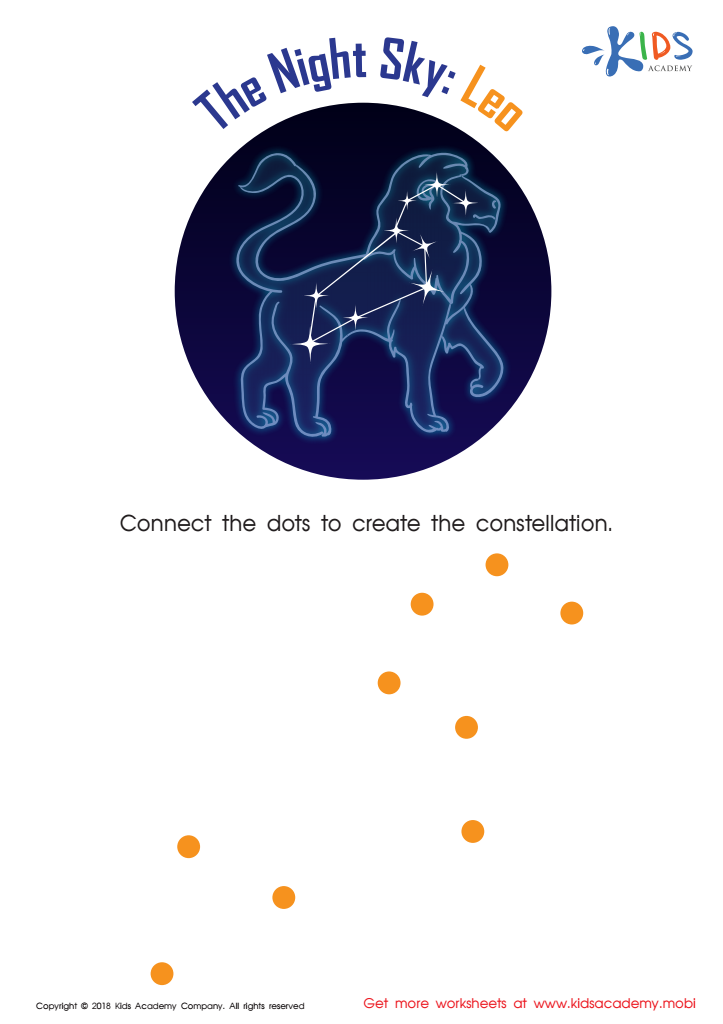
The Night Sky: Leo Worksheet
Let your kids explore the wonders of the stars with this fun worksheet! They'll connect the dots to create the constellation Leo. Night gazing instruments, a telescope or this printout can help your kids learn about constellations and horoscopes. Download the worksheet and let the star watching begin!
 Assign to My Students
The Night Sky: Leo Worksheet
Worksheet
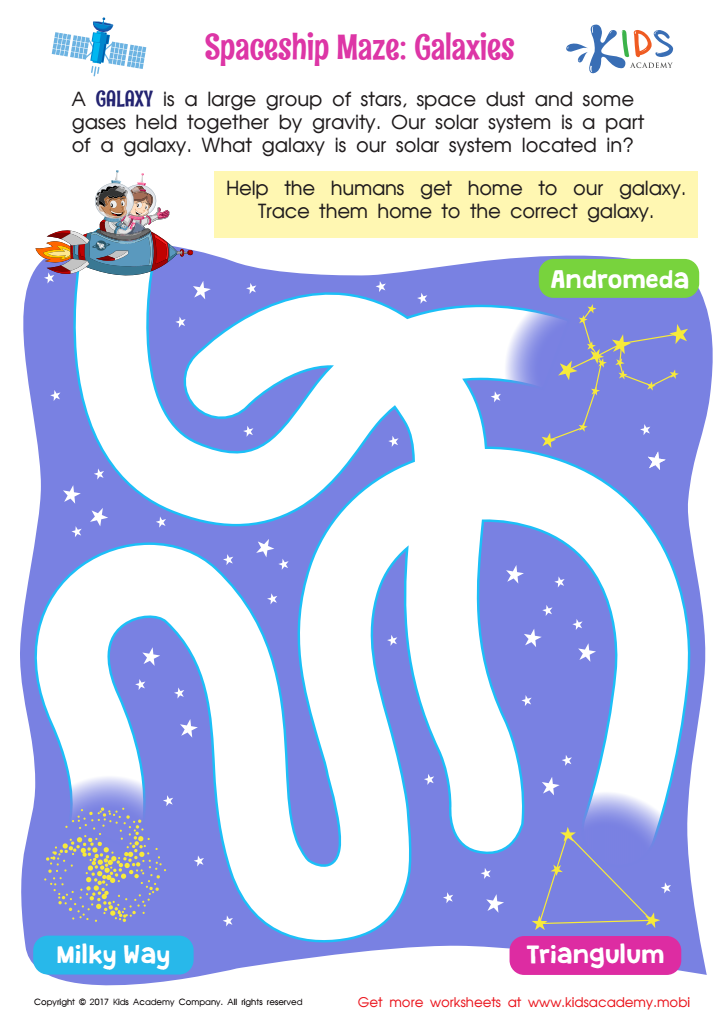
Spaceship Maze: Galaxies Worksheet
Guide lost humans home with this fun space maze: Galaxies! Once the journey is complete, kids can discover the name of our galaxy: the Milky Way! An exciting way to teach kids about space and help humans find their way back home.
Spaceship Maze: Galaxies Worksheet
Worksheet
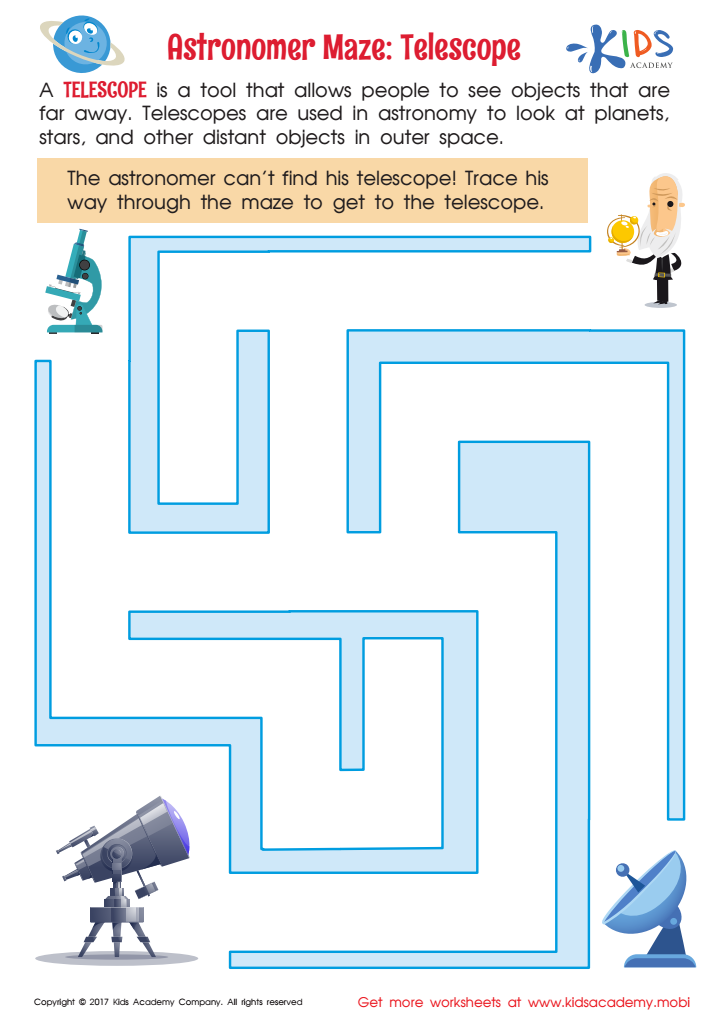
Astronomer Maze: Telescope Worksheet
Let your mini astronomer explore the galaxy with this fun and puzzling space maze worksheet – Telescope! Your child will have a great time navigating the maze, while learning how telescopes help scientists study the stars.
Astronomer Maze: Telescope Worksheet
Worksheet
Join Kids Academy for Free
Who is primarily going to use this learning content?


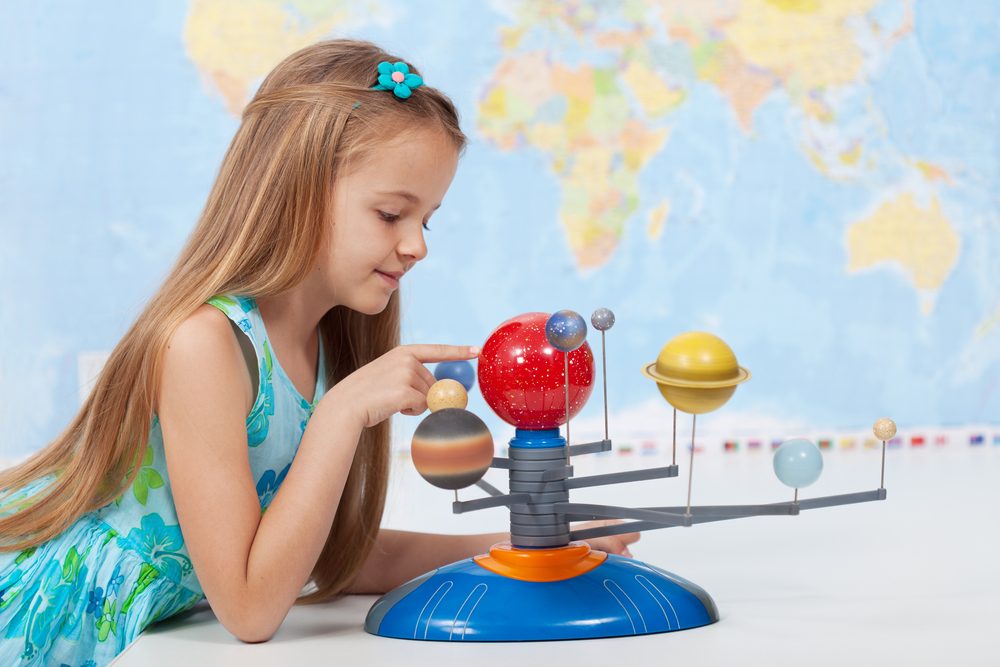



Spatial awareness is a crucial skill for children aged 7-8, as this is a key developmental stage where they refine their understanding of space and how objects relate to one another. Parents and teachers should care about spatial awareness because it lays the foundation for various academic and life skills. It is essential for subjects like mathematics and science, where understanding shapes, sizes, and the relationship between objects is fundamental. Improved spatial awareness helps children visualize and solve problems effectively, which benefits their critical thinking and reasoning skills.
Additionally, spatial awareness is integral to daily tasks and activities. Enhancing this skill can assist children in navigation, organizing their surroundings, and developing coordination necessary for sports and physical activities. When children can visualize space, they cultivate creativity and the ability to think outside the box, fostering innovation.
Furthermore, supporting spatial awareness promotes confidence in problem-solving and decision-making processes. Engaging in activities such as puzzles, building blocks, or arts and crafts provides children with practical experiences that sharpen these abilities. By understanding its importance, parents and teachers can intentionally include activities that promote spatial awareness, setting children up for success in both academic pursuits and everyday life challenges.







