Understanding constellations Space Worksheets for Ages 7-8
3 filtered results
-
From - To
Explore the wonders of the night sky with our "Understanding Constellations" worksheets designed for ages 7-8! These engaging, printable resources help young learners grasp the significance of constellations through fun activities and interactive challenges. Your child will embark on an educational journey to identify various star patterns, learn their history, and understand their importance in navigation. Perfect for enhancing science lessons at home or in the classroom, our worksheets promote critical thinking and connect astronomy with real-world applications. Inspire curiosity about the universe and spark a lifelong interest in space with our thoughtfully crafted materials for budding astronomers!
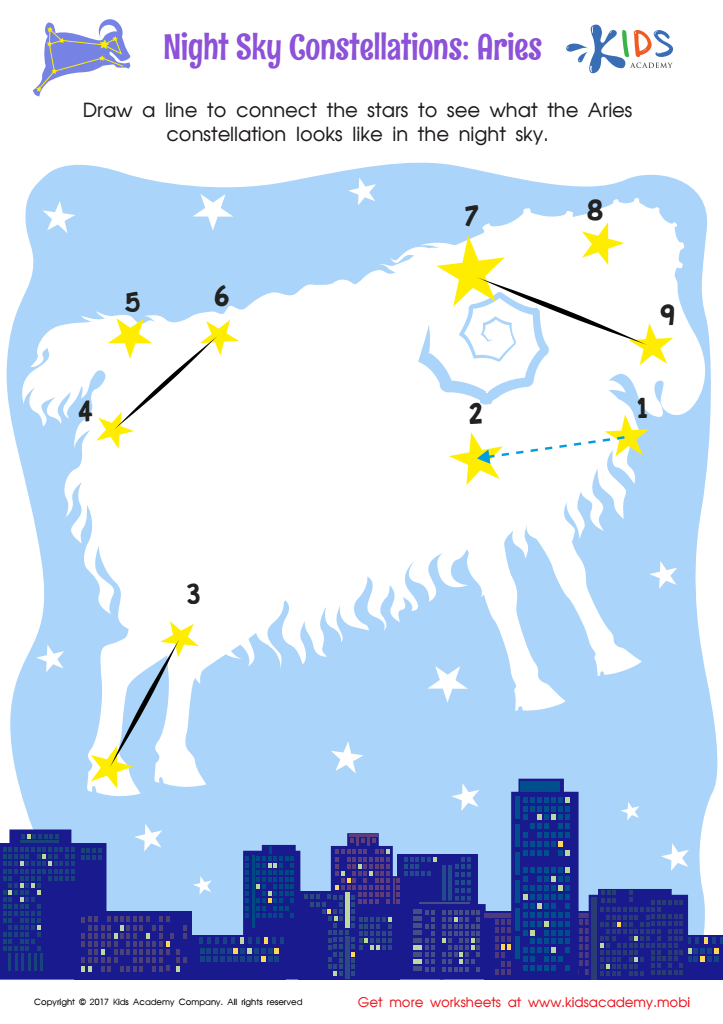
Night Sky Constellations: Aries Worksheet
 Assign to My Students
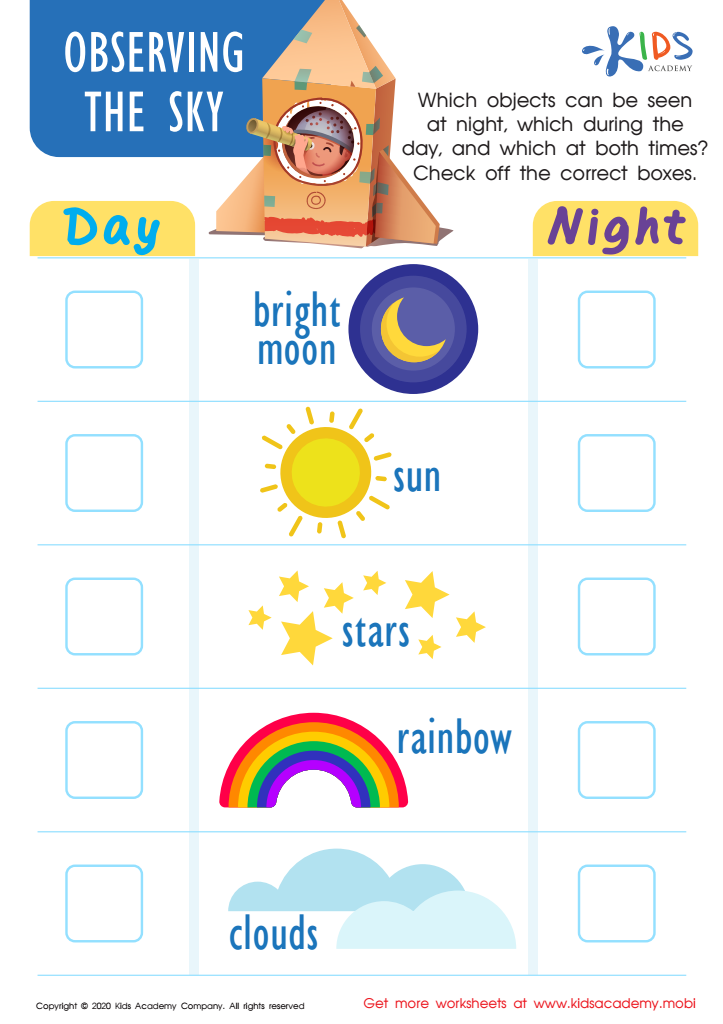
Observing the Sky Worksheet
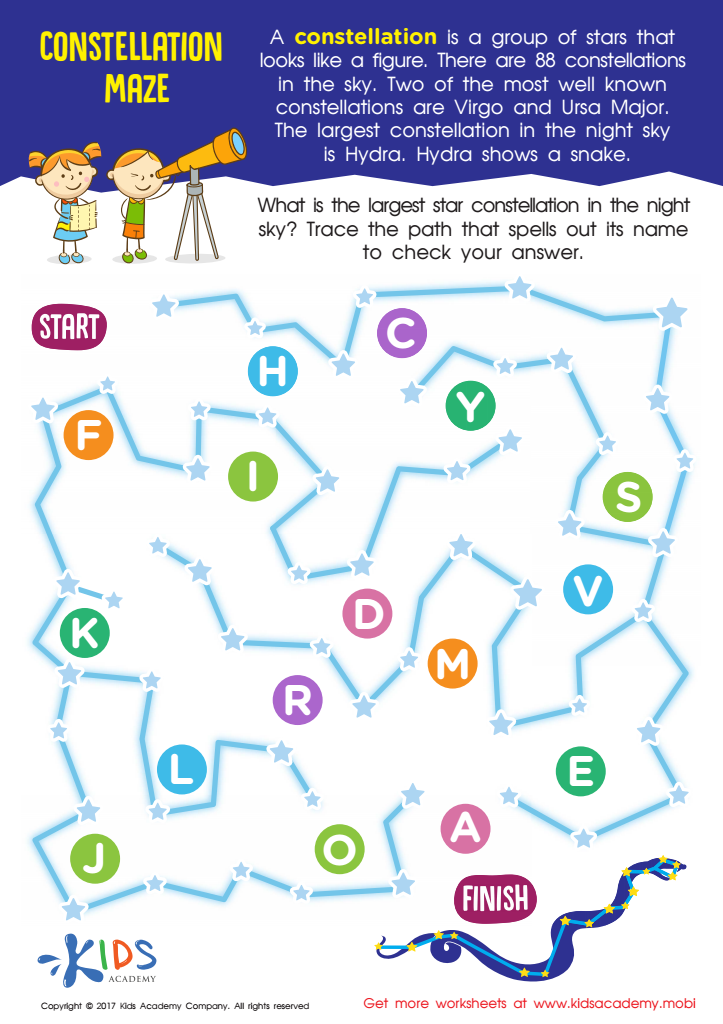
Constellations Worksheet





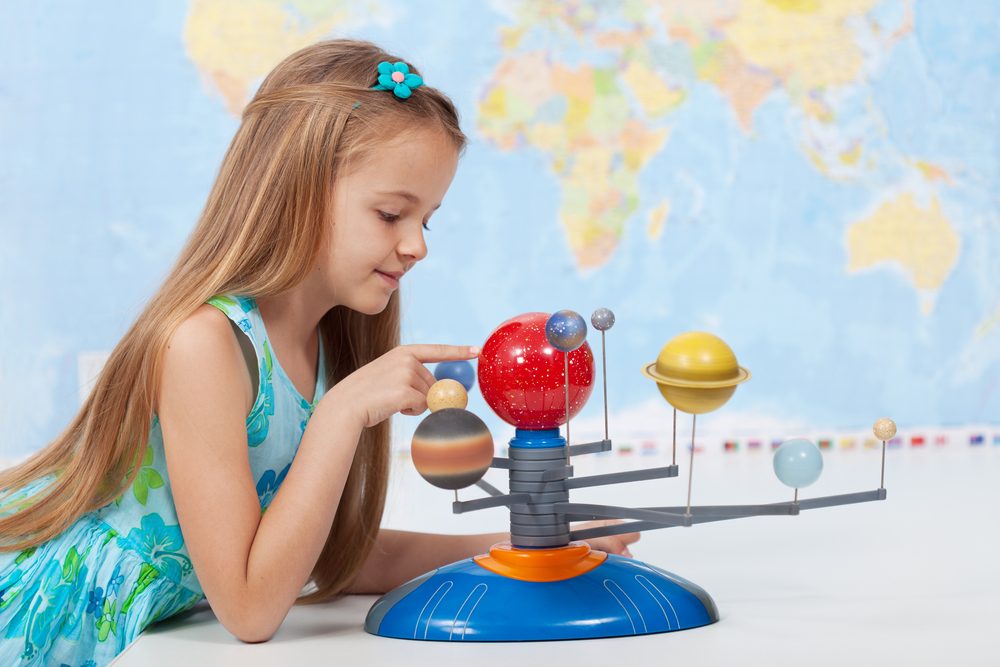

Understanding constellations and space is crucial for children aged 7-8 for several reasons. At this developmental stage, children are naturally curious about the world around them, and introducing them to the wonders of space can ignite that curiosity. Learning about constellations helps foster a deeper appreciation for science and improves critical thinking skills as they begin to understand astronomical concepts, navigational tools, and the stories behind the stars.
Engaging with astronomy also enhances creativity through storytelling. Many constellations are tied to myths and folklore, allowing children to explore storytelling and the rich cultural history associated with the night sky. This cross-disciplinary approach supports a holistic educational experience.
Furthermore, discussing space encourages teamwork and collaboration, especially when observing the night sky with family or classmates. It promotes discussions about exploration, the universe's vastness, and humanity's place within it, thus enriching children's understanding of both science and their role in a larger community.
Ultimately, being knowledgeable about constellations can inspire future interests in STEM careers, nurturing the next generation of astronomers, engineers, or environmentalists. Thus, teachers and parents should prioritize astronomy as part of a well-rounded education.







