Alphabet Coloring Pages Worksheets for Ages 7-9 - Page 2
27 filtered results
-
From - To
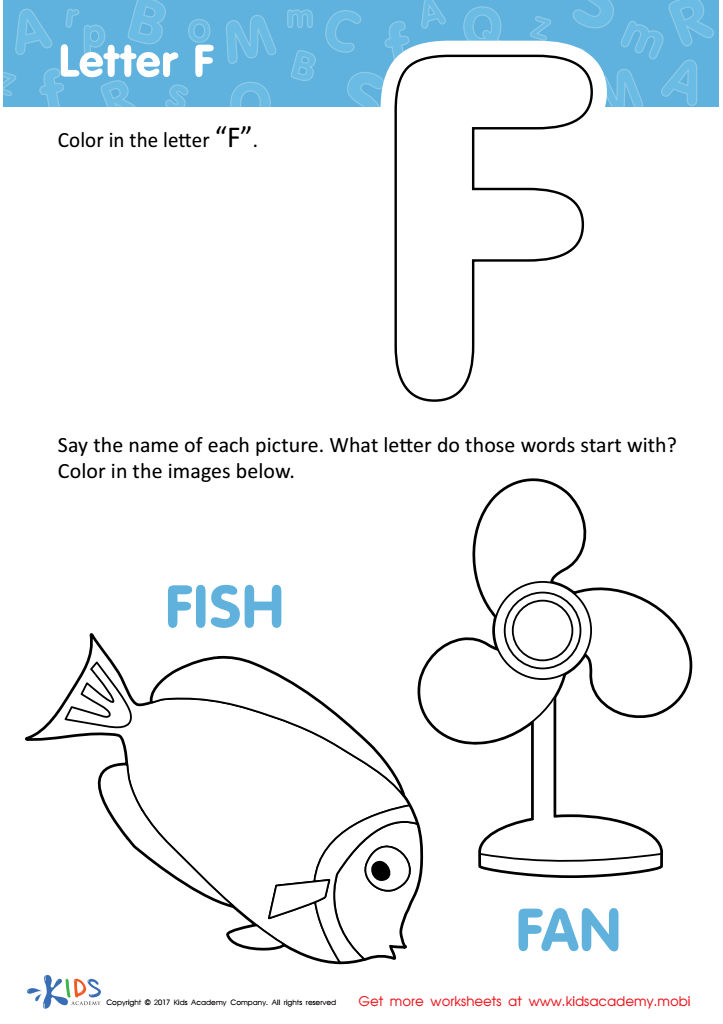
Letter F Coloring Sheet
 Assign to My Students
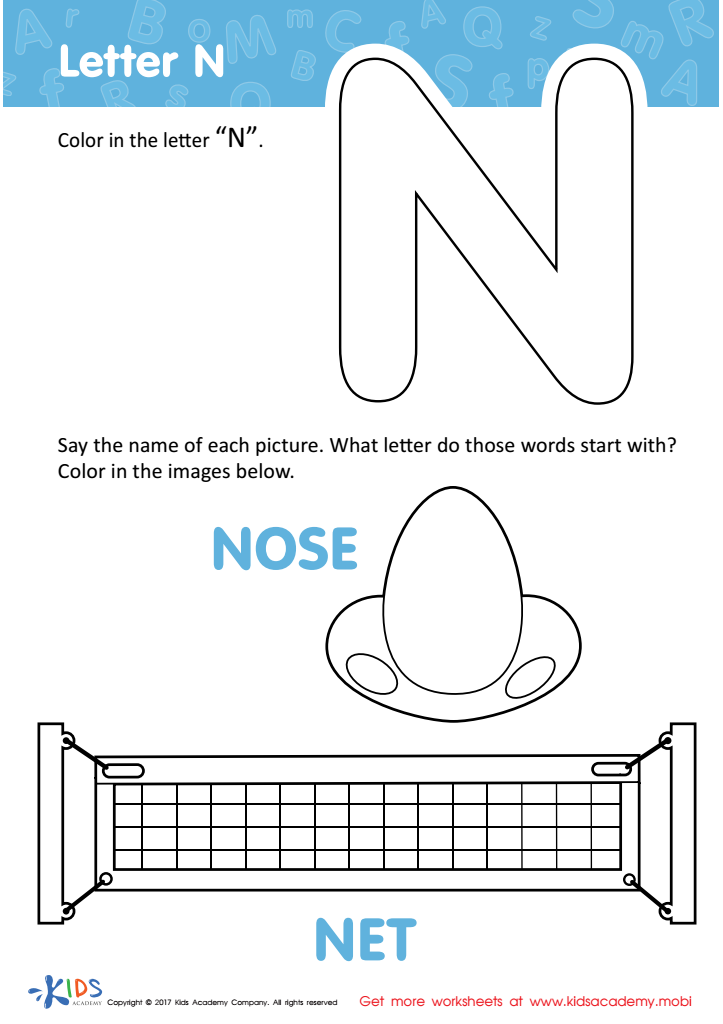
Letter N Coloring Sheet
Assign to My Students
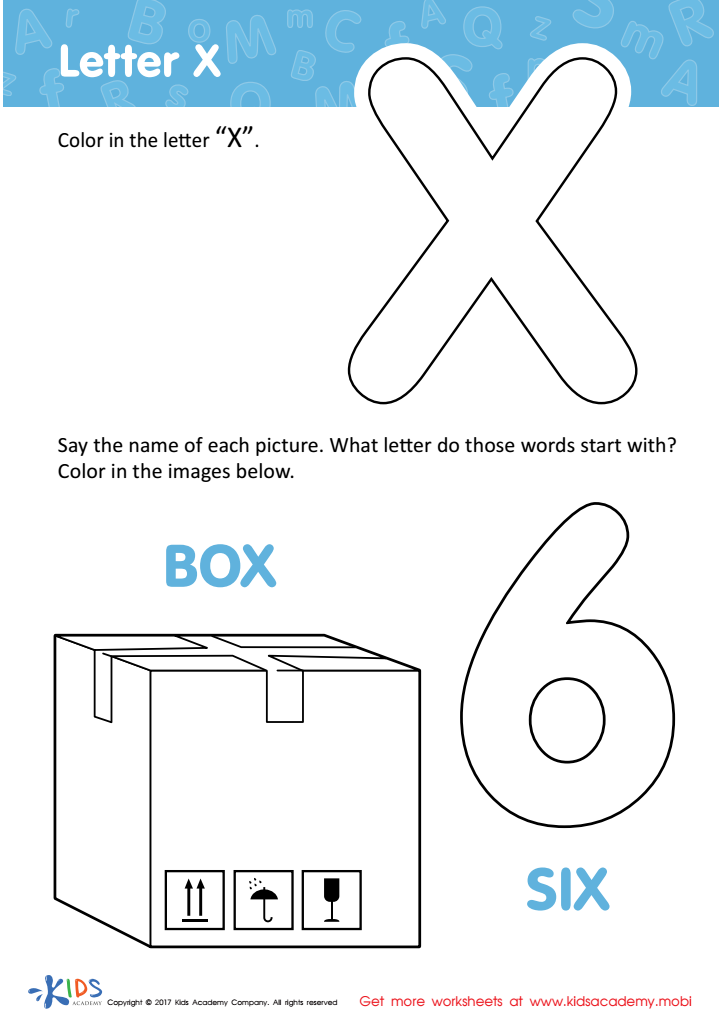
Letter X Coloring Sheet
Assign to My Students





Alphabet coloring pages for ages 7-9 offer a unique, engaging tool for reinforcing literacy skills while allowing for creative expression. First and foremost, these pages can aid in letter recognition, which is foundational for reading. By associating each letter with a visual representation, children can better remember their shapes and sounds. Coloring encourages fine motor development, strengthening hand muscles necessary for writing.
Moreover, these activities provide an opportunity for parents and teachers to engage with children in a meaningful way. Coloring together can foster discussions about the alphabet, pronunciation, and word formation, leading to deeper understanding. This engagement enhances language skills, promotes vocabulary growth, and supports critical thinking.
These creative pursuits also allow children to express their individual personalities and interests. By choosing colors and designs, they cultivate decision-making skills and boost their self-esteem upon completing a page. At a time when children increasingly interact with digital devices, the hands-on nature of coloring fosters a break from screens, providing a calming, focused activity.
Ultimately, incorporating alphabet coloring pages into educational routines can harmonize learning with enjoyment, setting a solid foundation for literacy and enhancing the child’s enthusiasm for learning. Parents and teachers should recognize this valuable asset in early education.







