Word Recognition Consonants Worksheets for Ages 7-9
5 filtered results
-
From - To
Enhance your child’s literacy skills with our engaging Word Recognition Consonants Worksheets designed for ages 7-9. These worksheets focus on helping young learners identify and master consonant sounds, which are essential for developing strong reading abilities. Our fun and educational activities promote vocabulary building, allowing children to recognize words easily while fostering confidence in their reading skills. With colorful illustrations and interactive exercises, your child will enjoy practicing word recognition in a captivating way. Perfect for reinforcing classroom lessons or supplementing home learning, these worksheets set the foundation for fluent reading and lifelong learning. Explore our collection today!
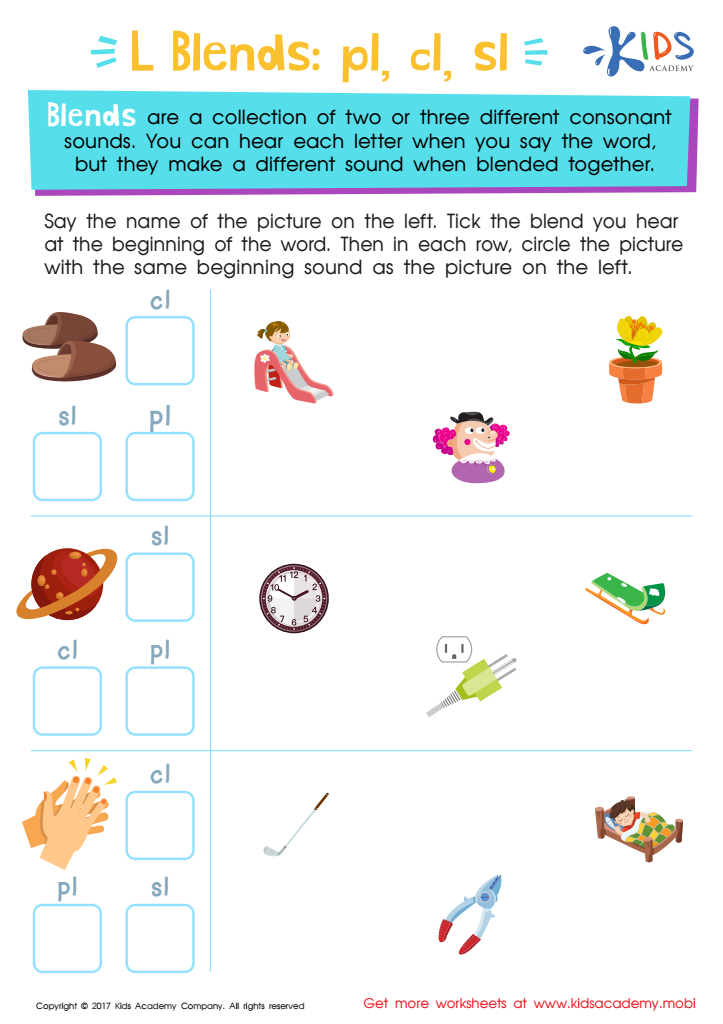
L Blends: "Pl", "Cl" and "Sl" Printable
 Assign to My Students
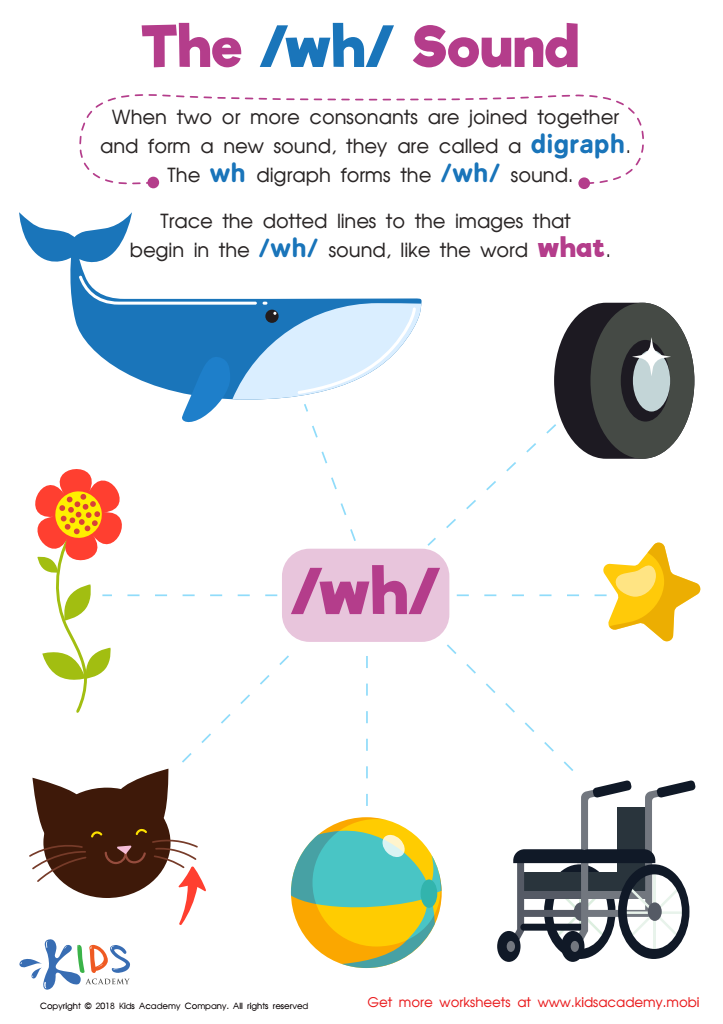
The /wh/ Sound Worksheet
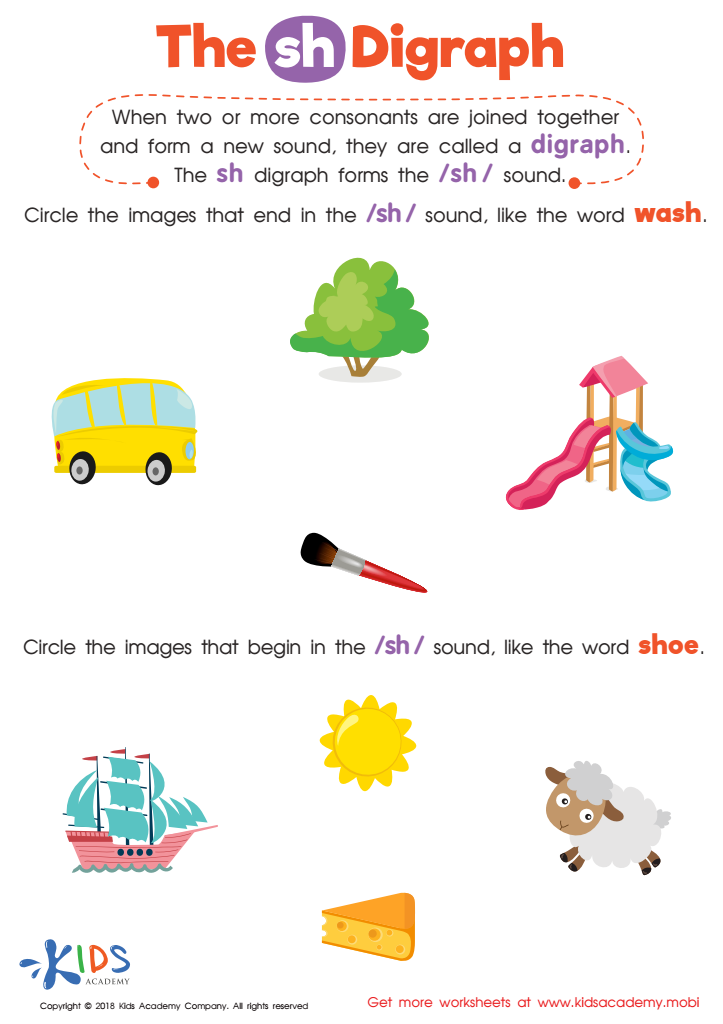
The SH Digraph Worksheet
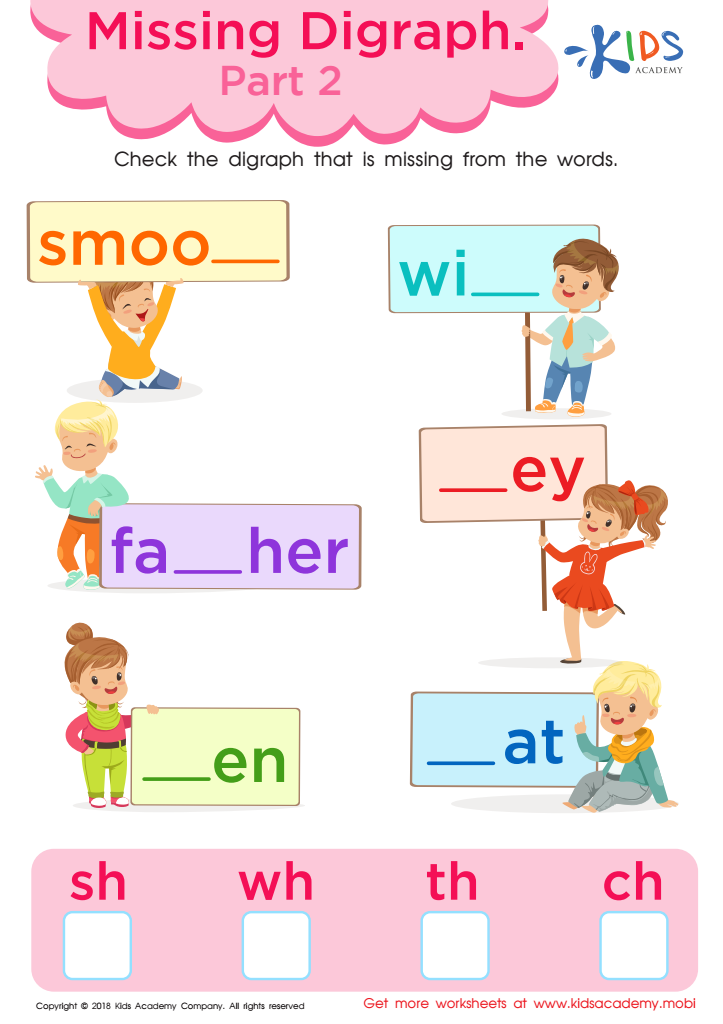
Missing Digraph: Part 2 Worksheet
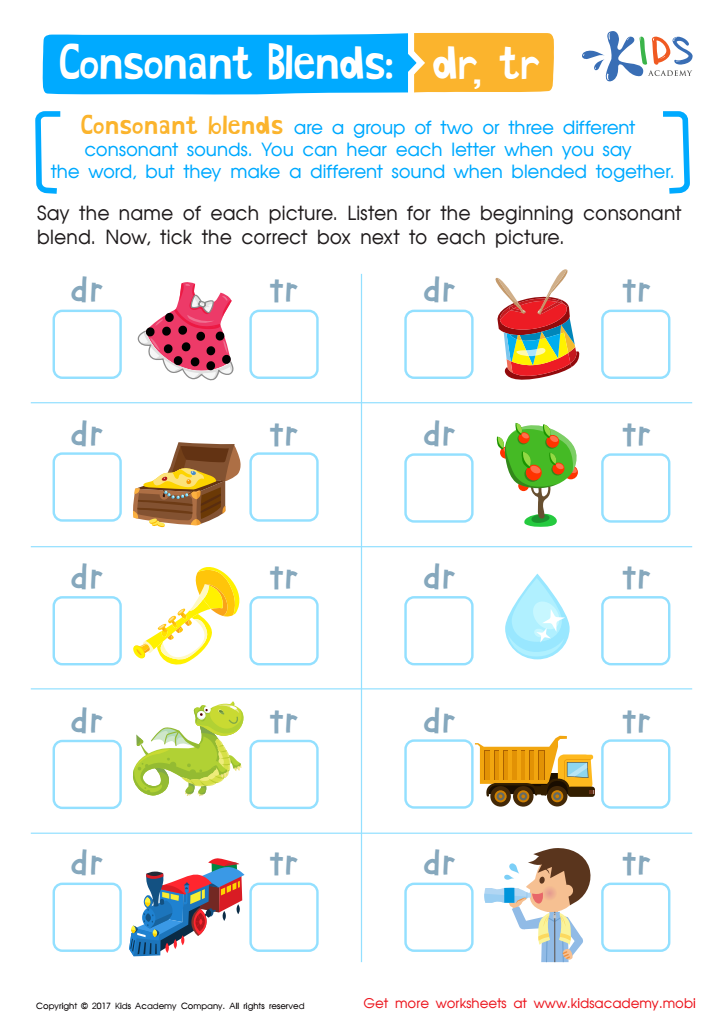
Consonant Blends: "Dr" and "Tr" Printable



Word recognition, particularly concerning consonants, is crucial for children aged 7 to 9 as they embark on more complex reading and writing journeys. At this stage, children's literacy skills begin to solidify, impacting their overall academic performance and future learning.
Consonant recognition lays the groundwork for phonemic awareness, where children learn to identify and manipulate sounds in words. This skill directly influences their ability to decode new words, facilitating reading fluency. As children encounter more challenging texts, strong word recognition skills become essential for vocabulary expansion and comprehension.
Moreover, mastery of consonants aids in spelling proficiency, allowing students to encode words accurately. Parents and teachers should foster engaging activities that promote consonant recognition through games, reading exercises, and personalized practice.
Additionally, building word recognition fosters confidence in young learners. When children feel competent in their reading abilities, they are more likely to engage with texts and develop a lifelong love for reading. In essence, focusing on consonant knowledge during these formative years sets the stage for students’ sustained literacy success, helping them become skilled readers and effective communicators. Thus, nurturing this skill is vital for both academic achievement and personal growth.







