Analyzing data Worksheets for Ages 7-9
12 filtered results
-
From - To
Our expertly designed Analyzing Data Worksheets for Ages 7-9 engage young learners in fun, educational activities that enhance critical thinking and math skills. Perfect for home or classroom use, these printable worksheets guide kids through interpreting graphs, charts, and tables, fostering essential skills like pattern recognition and logical reasoning. Every activity is tailored to fit the cognitive levels of children aged 7-9, ensuring an appropriate challenge that promotes growth and confidence in data analysis. Equip your students with the tools they need to succeed with Kids Academy’s comprehensive and enjoyable learning resources!
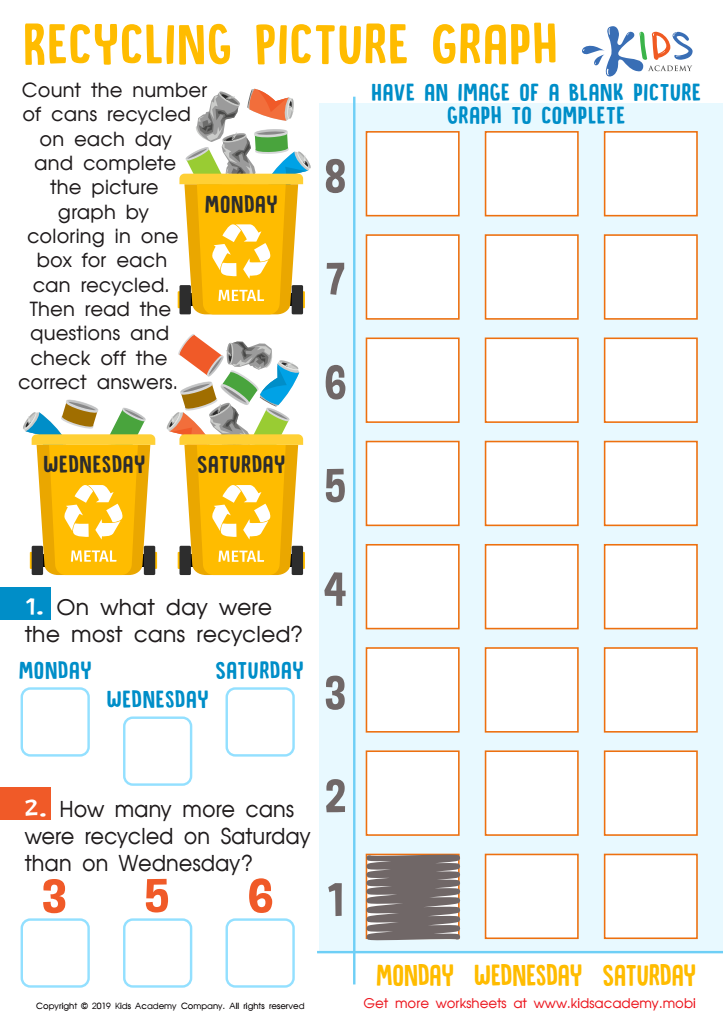
Recycling Picture Graph Worksheet
 Assign to My Students
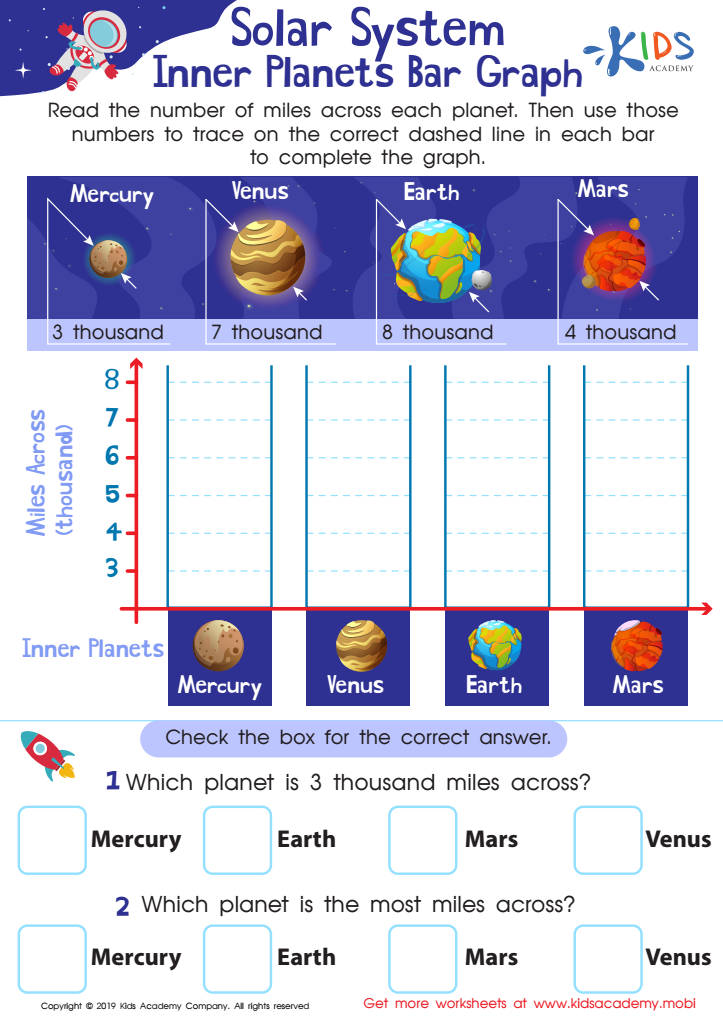
Planets Bar Graph Worksheet
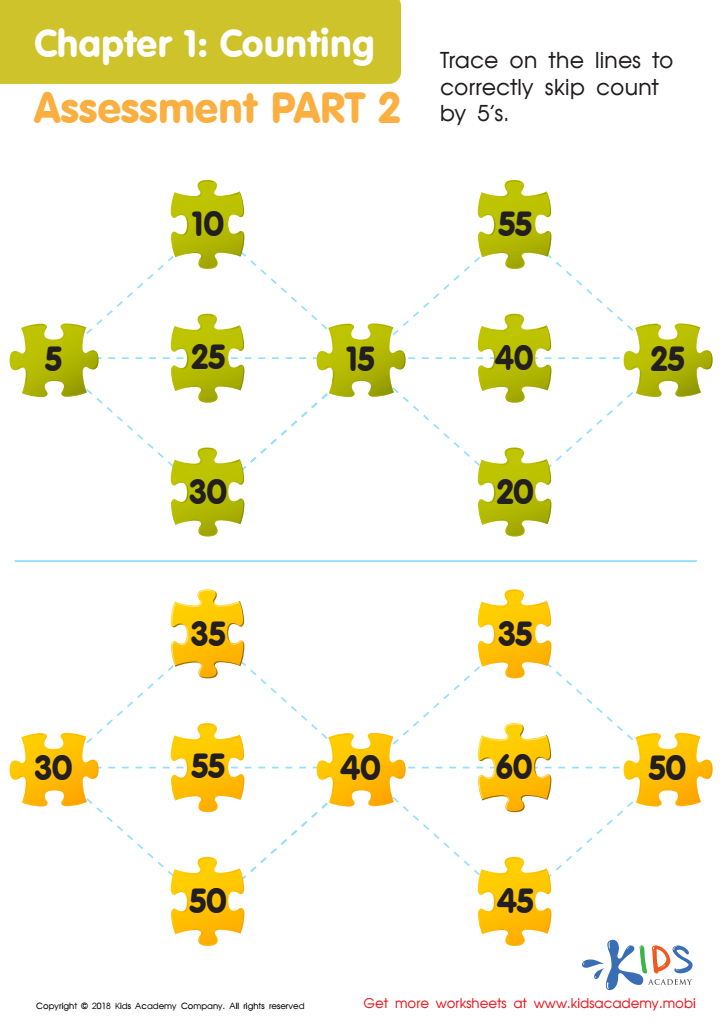
Counting: Assessment 2 Worksheet
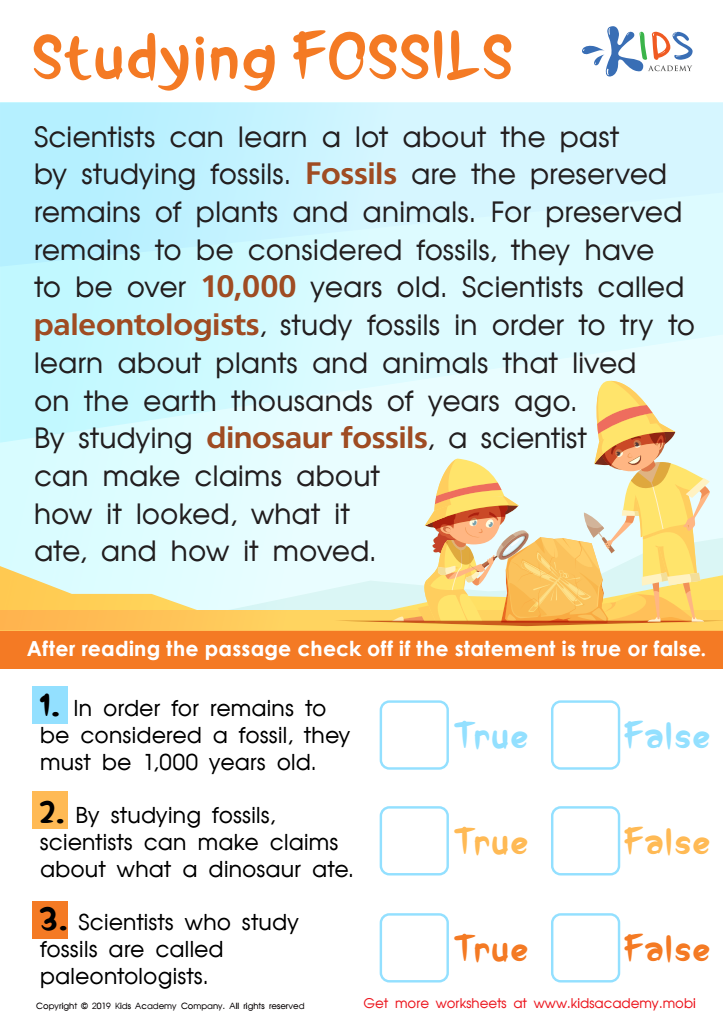
Studying Fossils Worksheet
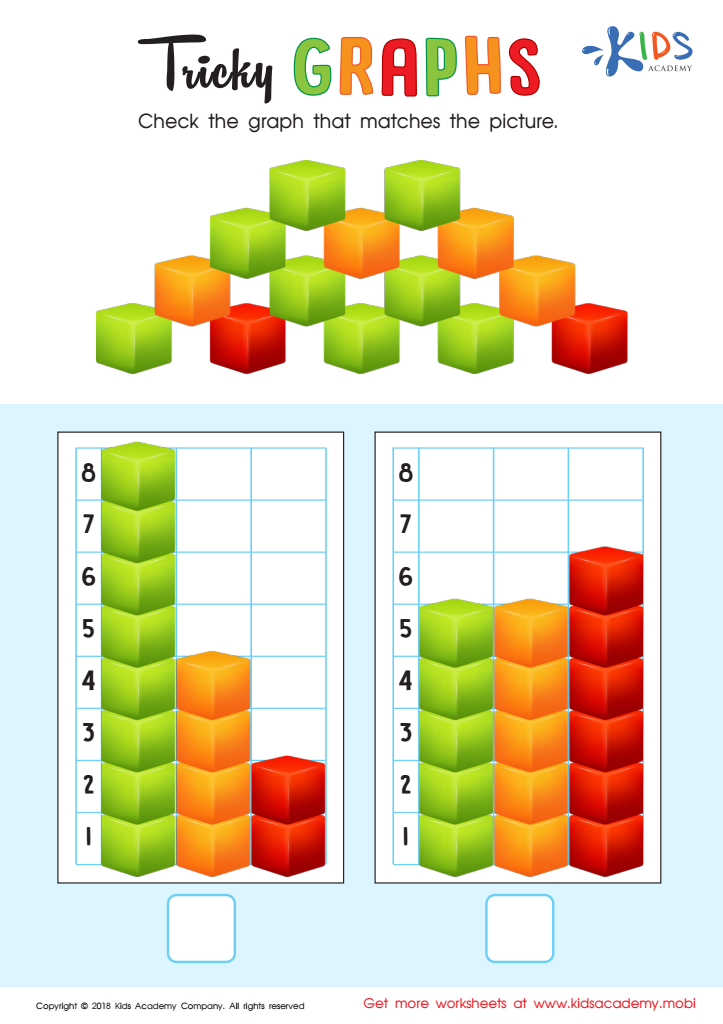
Tricky Graphs Worksheet
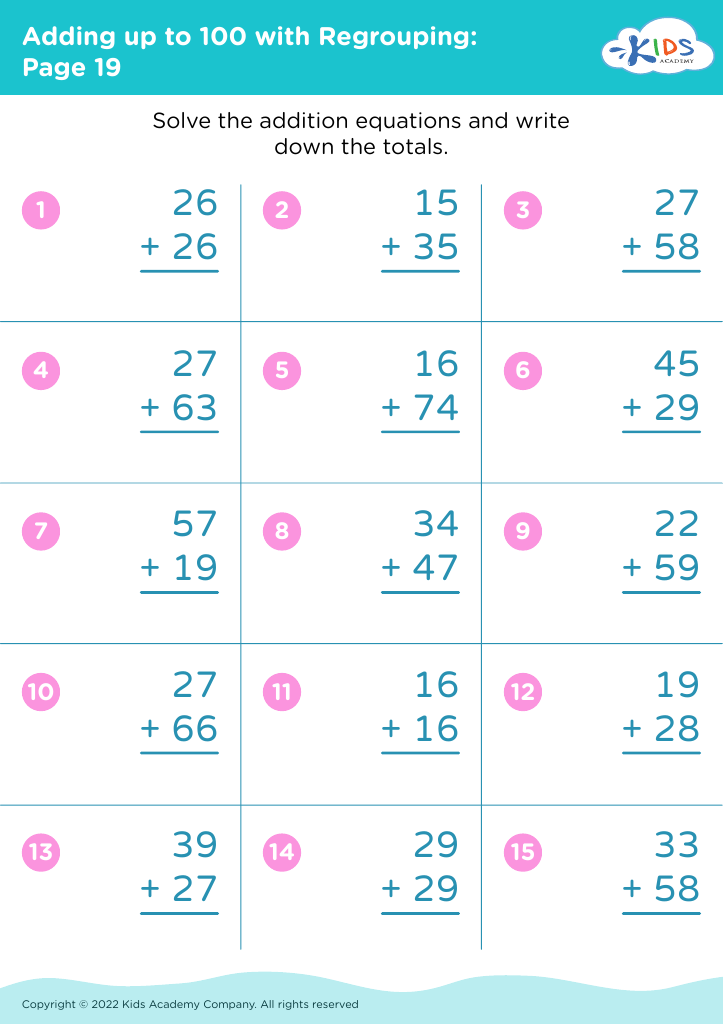
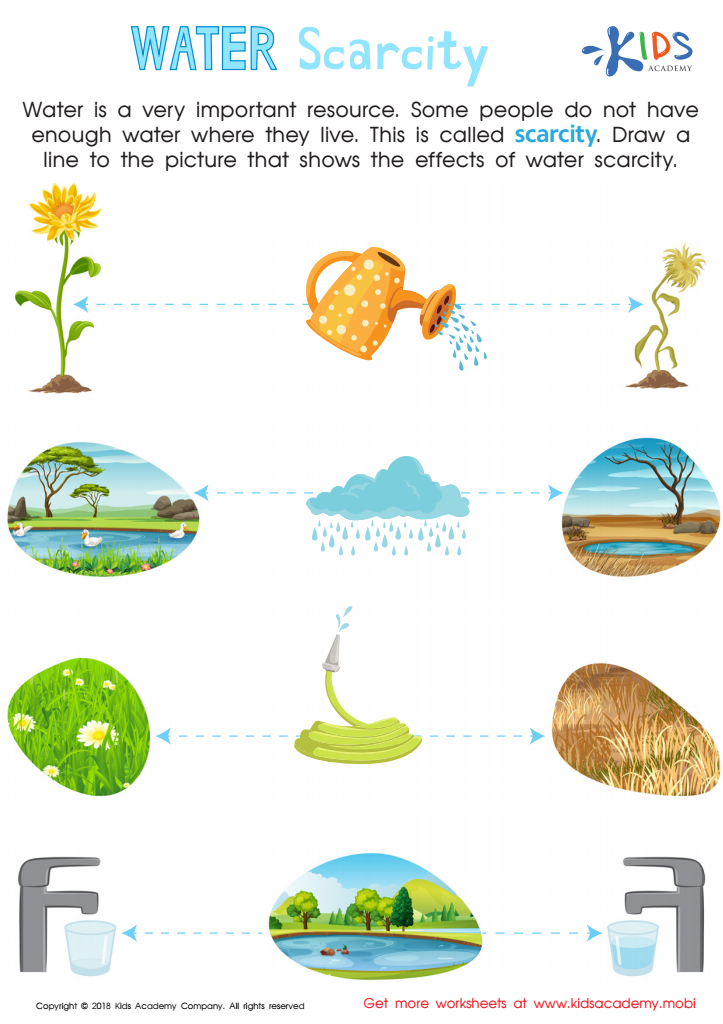
Water Scarcity Worksheet
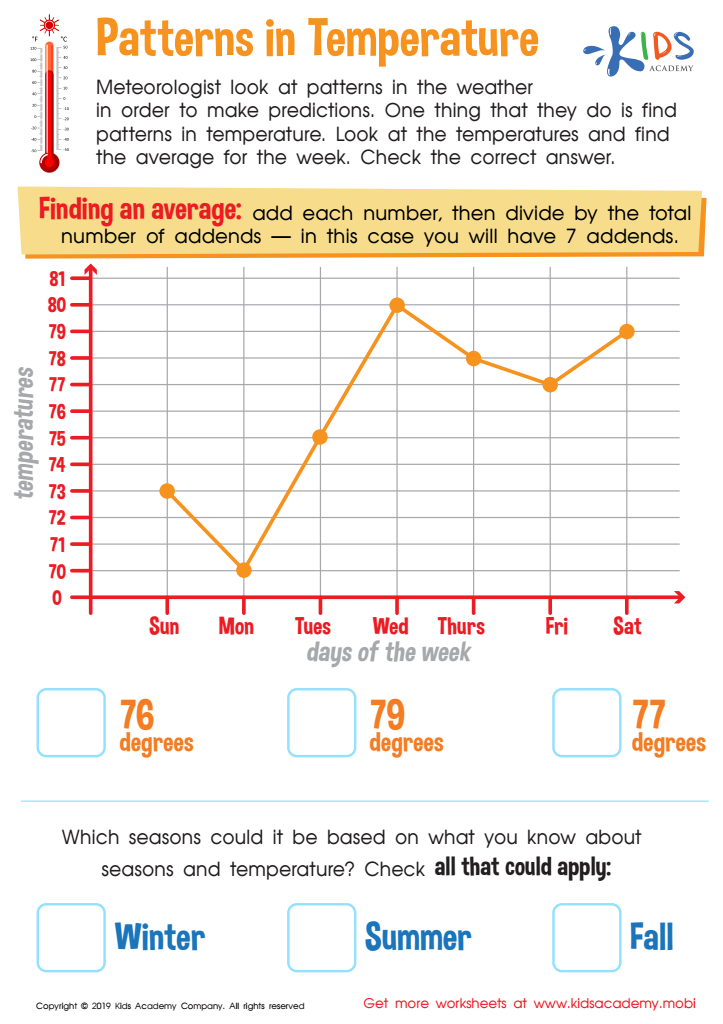
Patterns in Temperature Worksheet
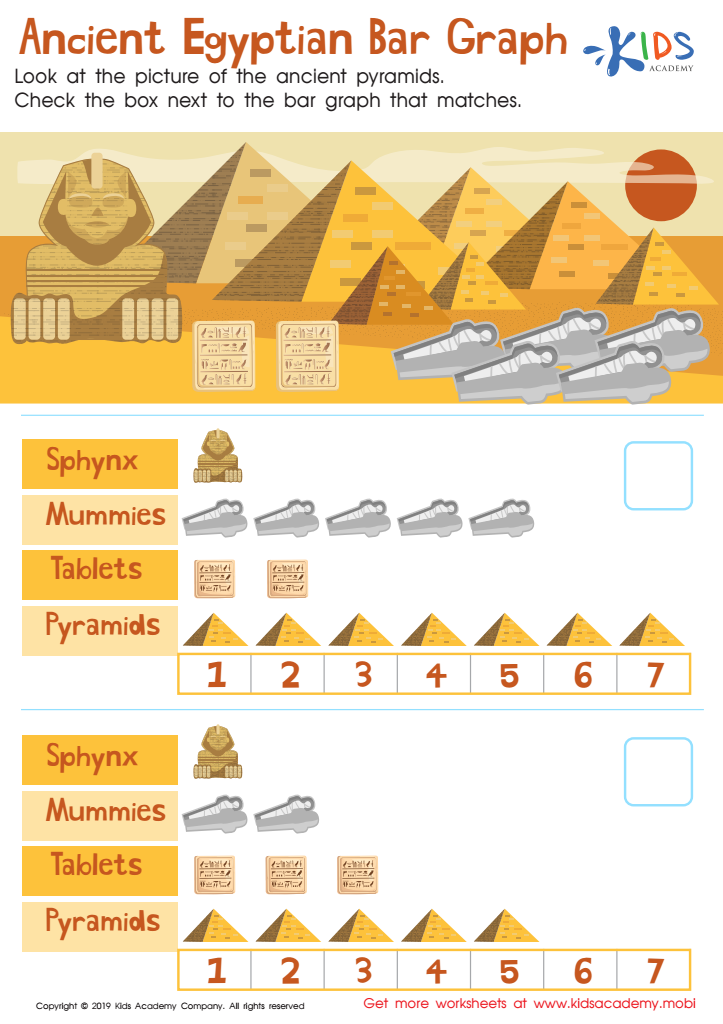
Egyptian Bar Graph Worksheet
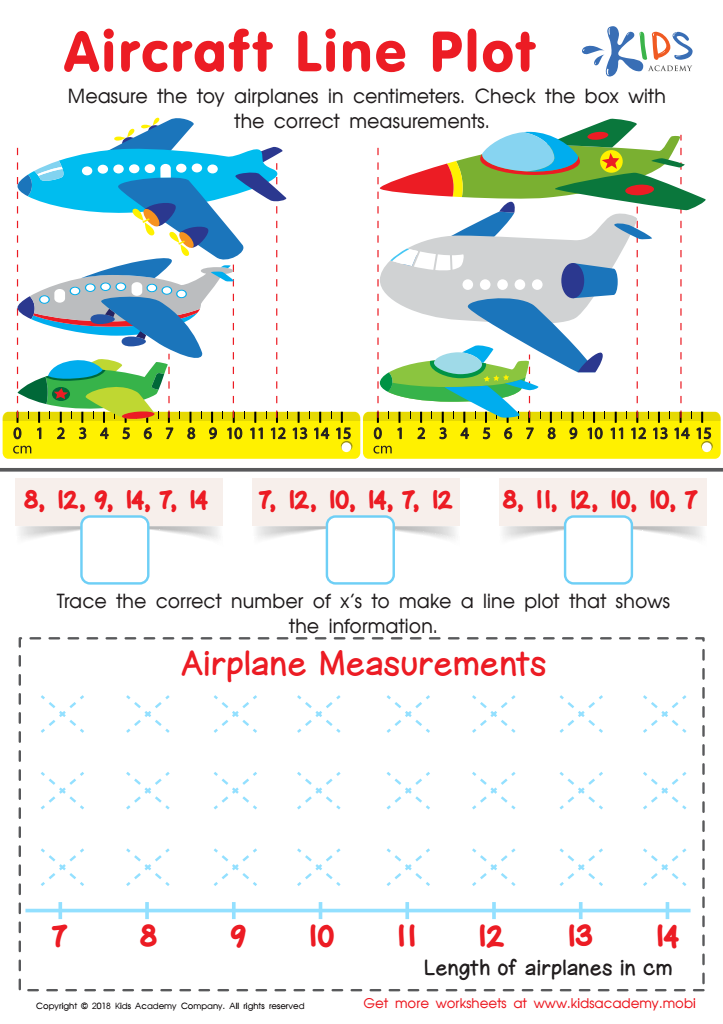
Aircraft Line Plot Worksheet
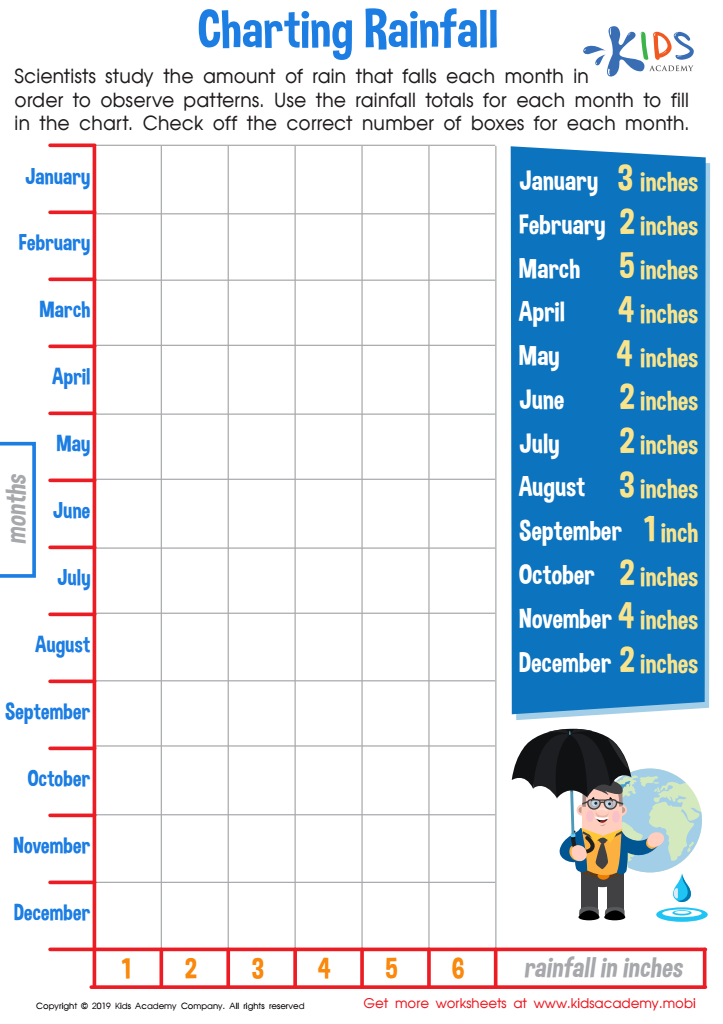
Charting Rainfall Worksheet
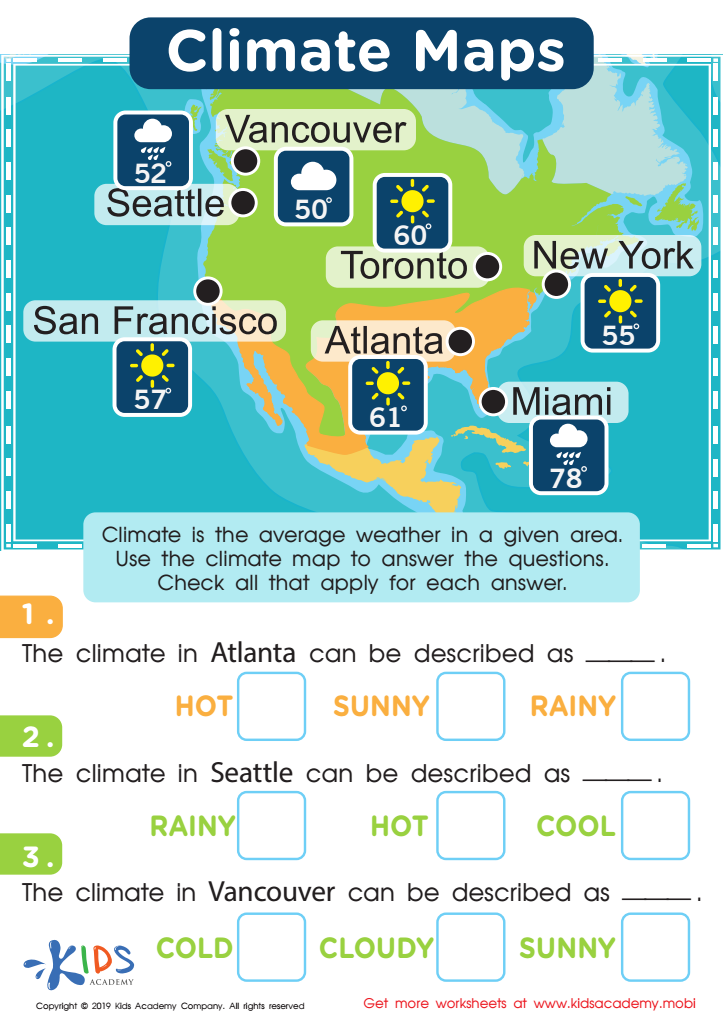
Climate Maps Worksheet








Analyzing data for children aged 7-9 provides vital insights that can greatly enhance both parenting and teaching strategies. At this developmental stage, kids are rapidly acquiring fundamental skills and behaviors that form the groundwork for later learning and personal growth. Data analysis, which can include monitoring academic progress, behavior patterns, and emotional well-being, enables parents and teachers to tailor support precisely where it is needed most.
For instance, by tracking academic performance data, such as reading levels and math competencies, educational approaches can be adjusted to meet the child's individual learning pace and style. This ensures that children remain engaged and do not fall behind, fostering a more inclusive and effective learning environment.
Moreover, understanding behavioral data helps in identifying any emotional or social challenges early on. This avoids potential issues escalating and ensures timely interventions, promoting a positive school experience and emotional resilience.
Lastly, sharing analyzed data between parents and teachers enhances communication and creates a unified approach to a child’s development. When both parties are well-informed, they can collaboratively implement strategies that maximize a child's potential, ensuring a balanced growth in academic, social, and emotional spheres. Analyzing data thus supports the individualized attention that young children need to thrive.








