Animal knowledge Worksheets for Ages 7-9
6 filtered results
-
From - To
Discover the exciting world of wildlife with our Animal Knowledge Worksheets for Ages 7-9 at Kids Academy! Designed to enhance young minds, these engaging, printable worksheets introduce children to fascinating animal facts, habitats, and behaviors. Ideal for classroom or home use, they promote critical thinking and reading comprehension while sparking a lifelong interest in biodiversity. Each worksheet is crafted by education experts to align with learning standards, ensuring your child builds a solid foundation in science. From the jungle to the ocean, these activities make learning about animals fun and interactive. Explore now and watch curiosity grow!
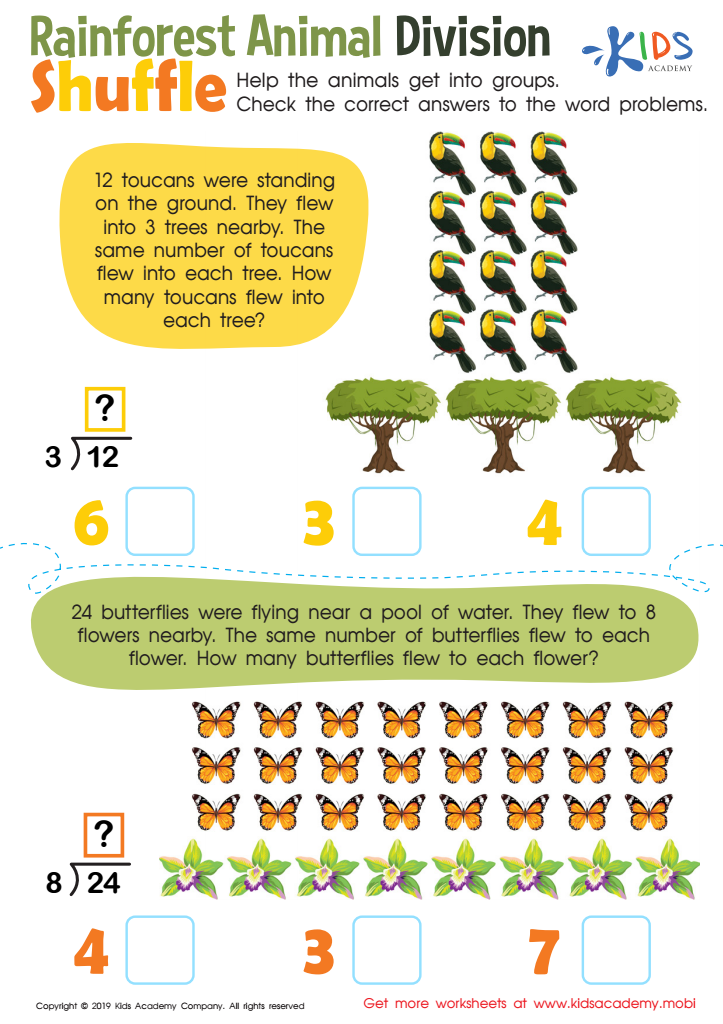
Rainforest Animal Division Worksheet
 Assign to My Students
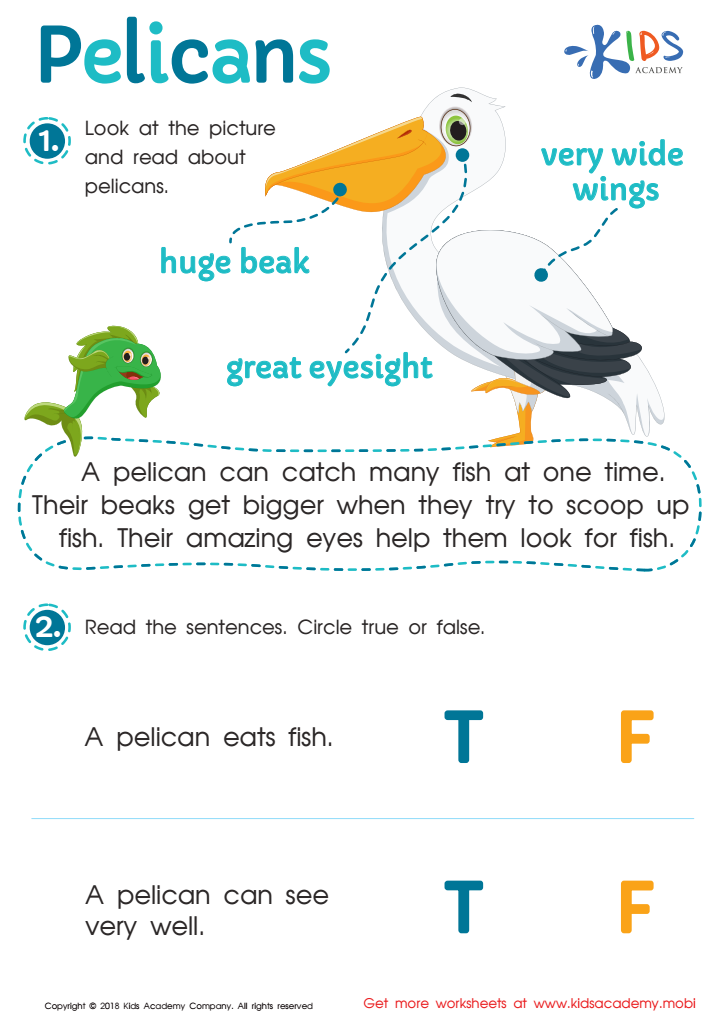
Pelicans Worksheet
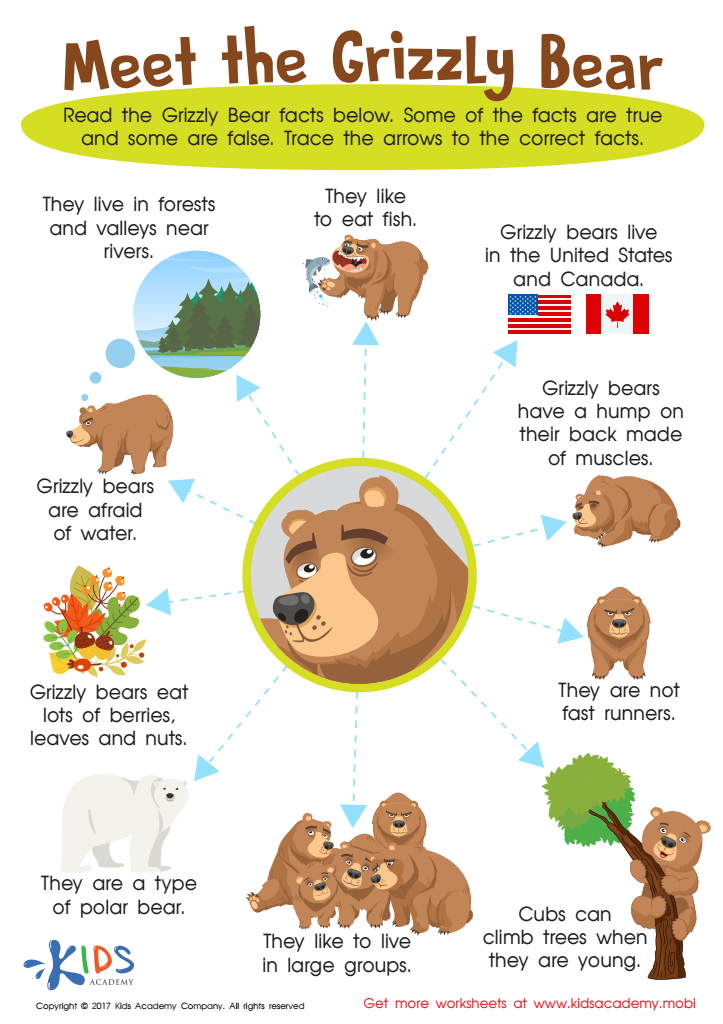
Grizzly Bear Facts Worksheet
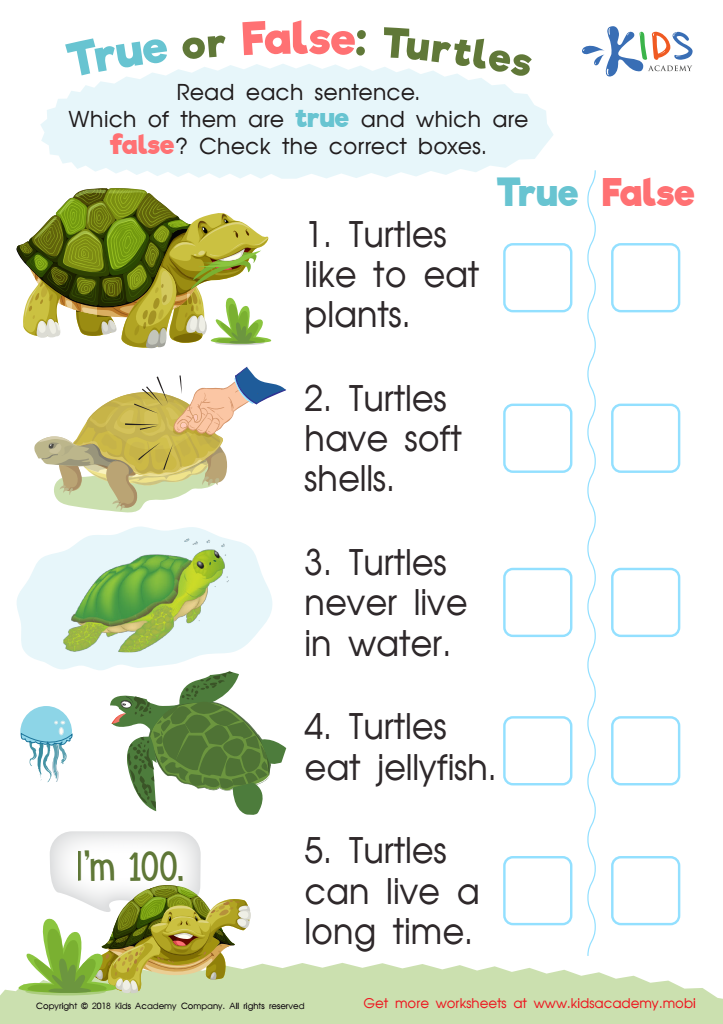
True or False: Turtles Worksheet
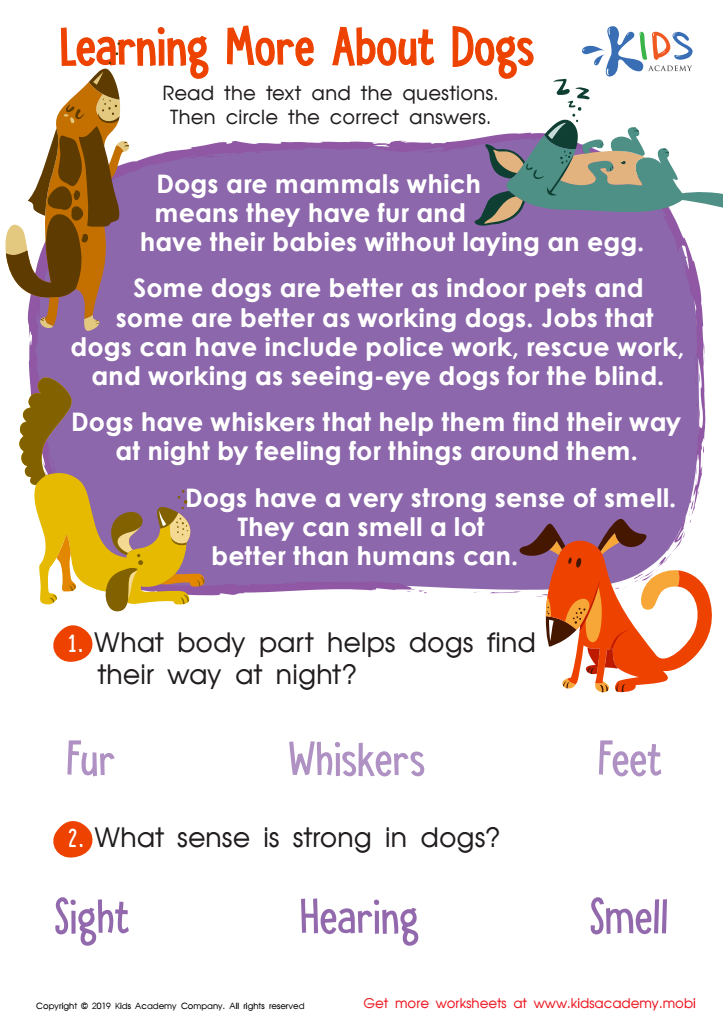
Learning More About Dogs Worksheet
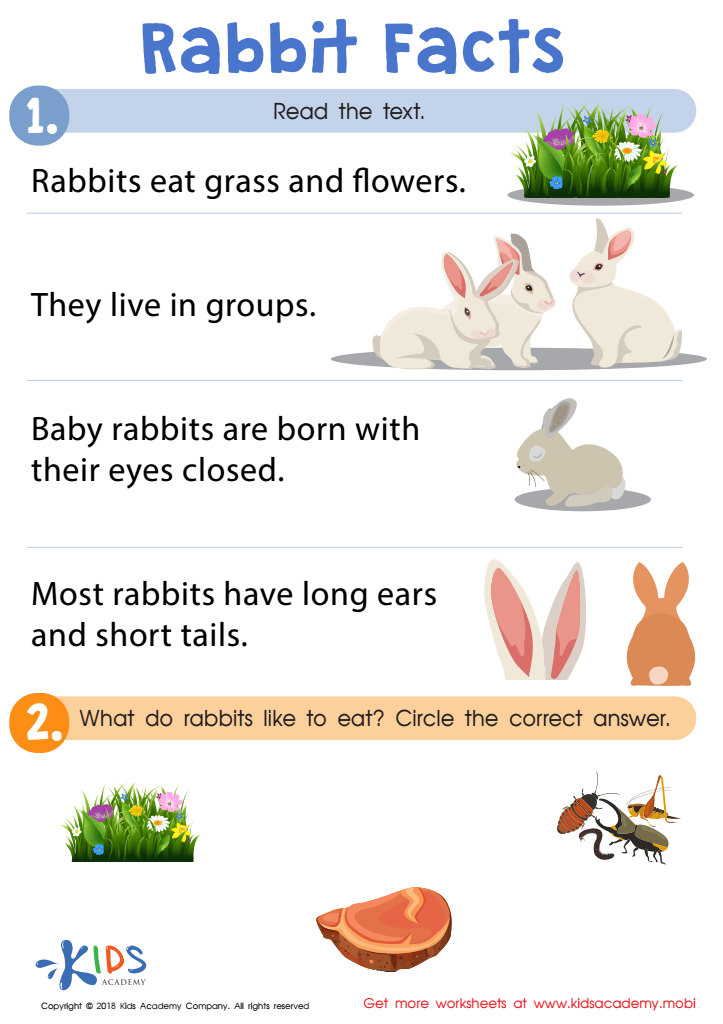
Rabbit Facts Worksheet







Parents and teachers should invest in animal knowledge for children aged 7-9 because it fosters a sense of curiosity and responsibility towards nature, critical for their holistic development. Understanding animals cultivates empathy. When kids learn about different species, their habitats, and characteristics, they start to appreciate the diversity of life more deeply. This perspective encourages them to be kind and respectful towards all living creatures.
Animal knowledge also ties into fundamental science education. Learning about various species, food chains, ecosystems, and life cycles sparks interest in broader scientific concepts, promoting critical thinking and inquiry-based learning. It connects children to basic biology, emphasizing the importance of every creature in our environment and promoting sustainability.
Interactive animal learning — visiting zoos, reading animal books, participating in nature clubs — comes with social benefits too. These activities can improve teamwork, communication, and observational skills. Plus, caring for pets or involved in school projects about animals teaches important life skills like responsibility, care, and nurturing, reinforcing core values at a young age.
Incorporating animal knowledge into early education thus supports cognitive, emotional, and social development, laying a strong foundation for lifelong learning, compassion, and ecological awareness. This holistic growth is essential for raising well-rounded, informed, and conscientious individuals, fit to face future global challenges.








