Color Identification Worksheets for Ages 7-9 - Page 2
56 filtered results
-
From - To
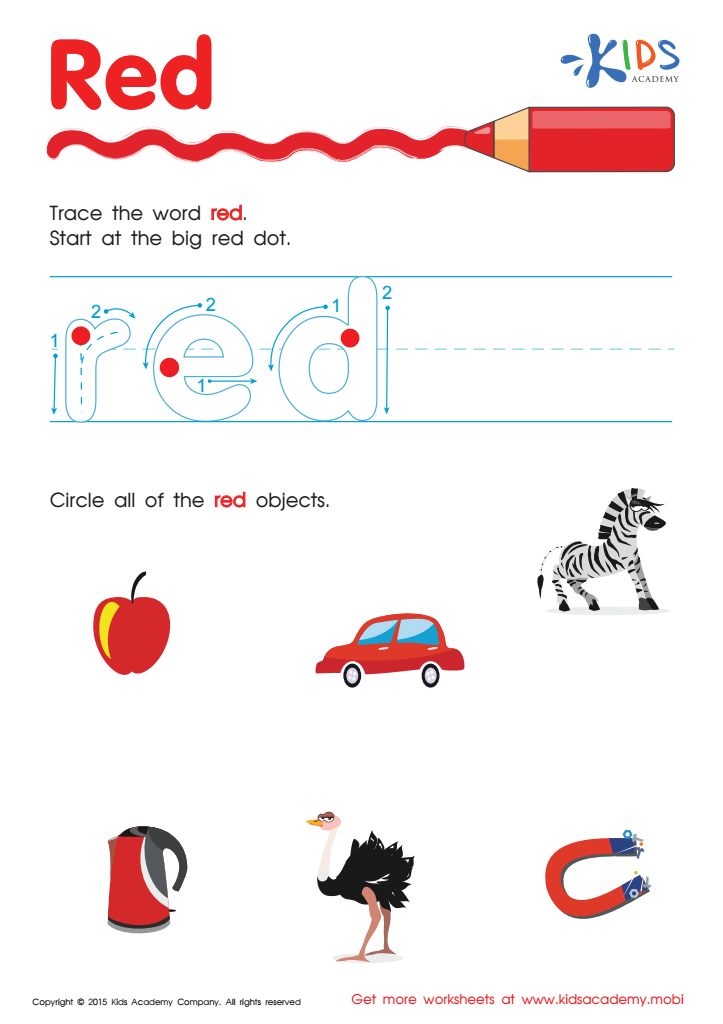
Red Tracing Color Words Printable
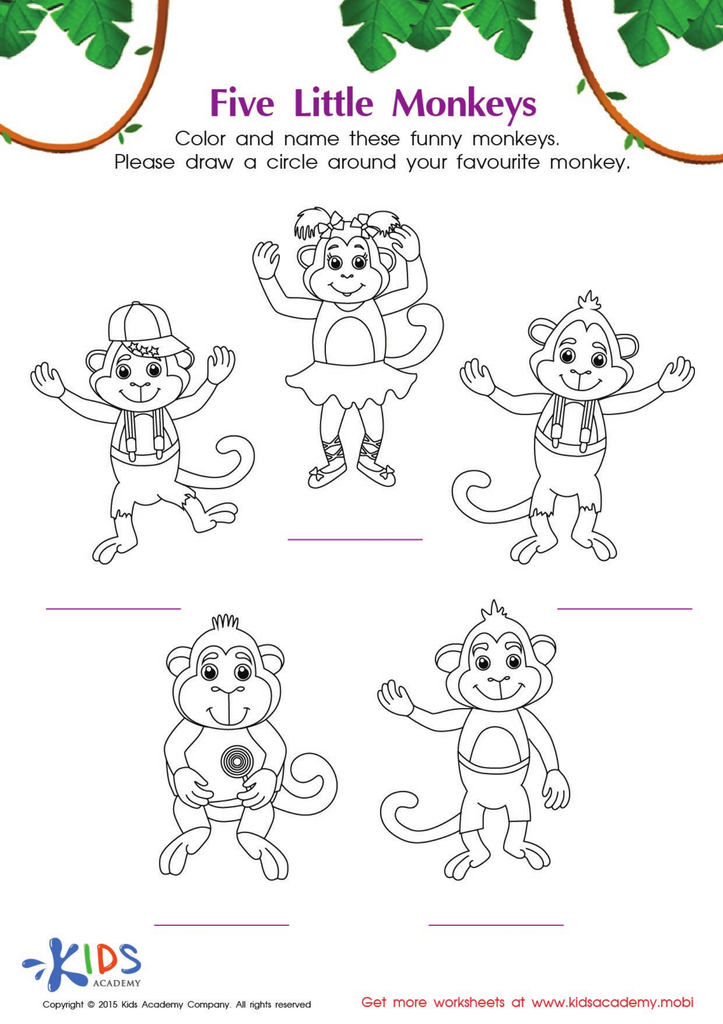
The Five Little Monkeys Coloring Worksheet
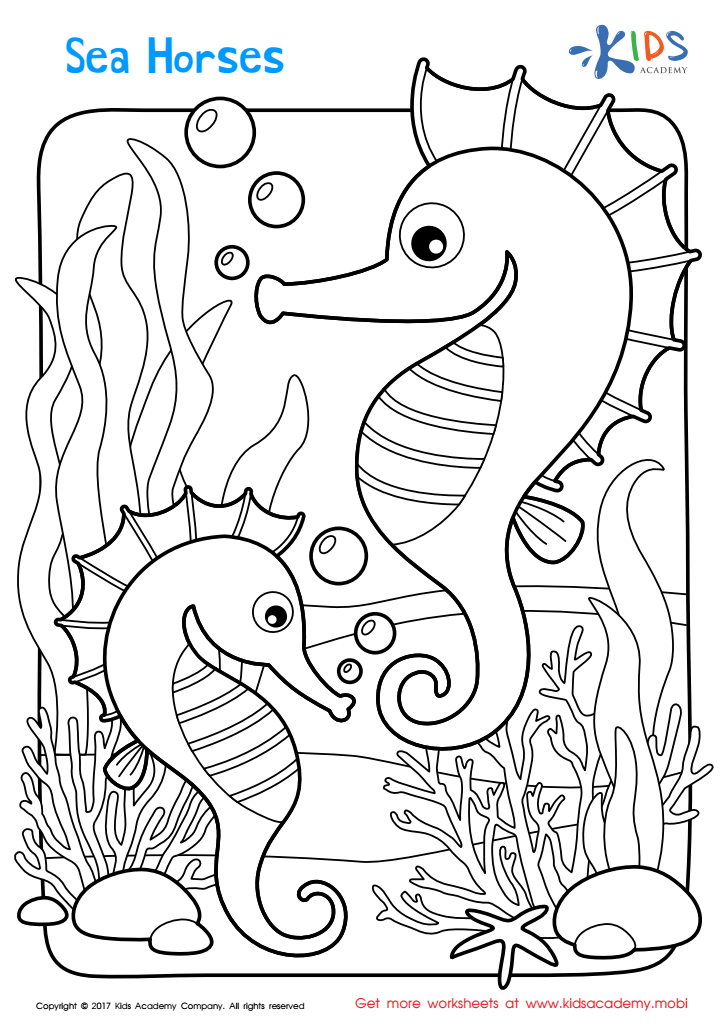
Sea Horses Printable
 Assign to My Students
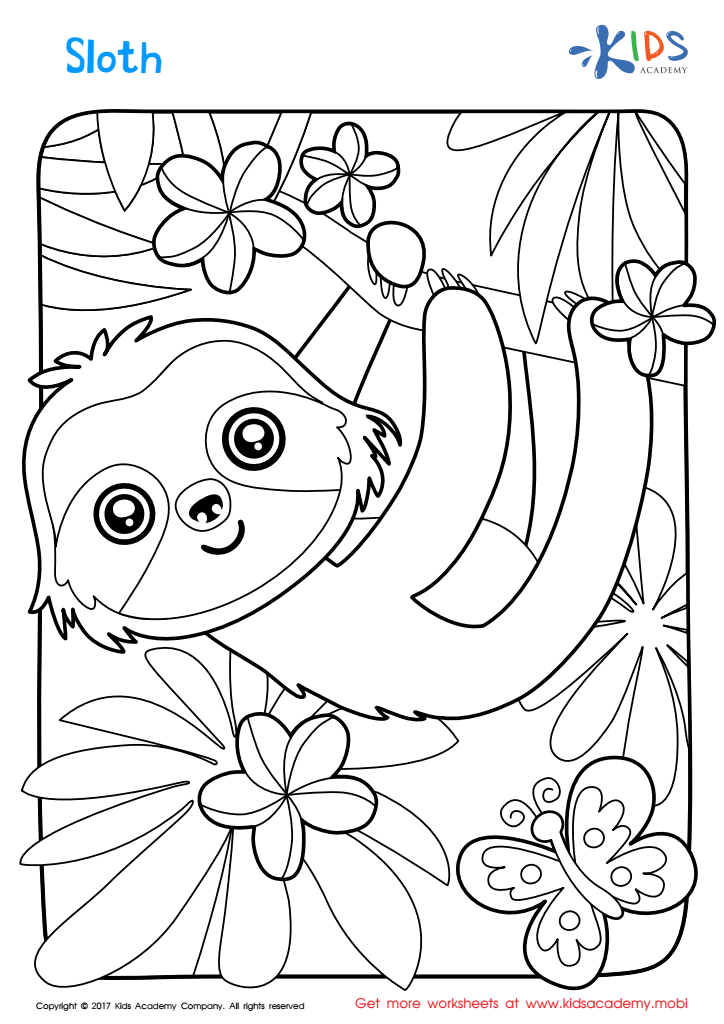
Sloth Worksheet
Assign to My Students
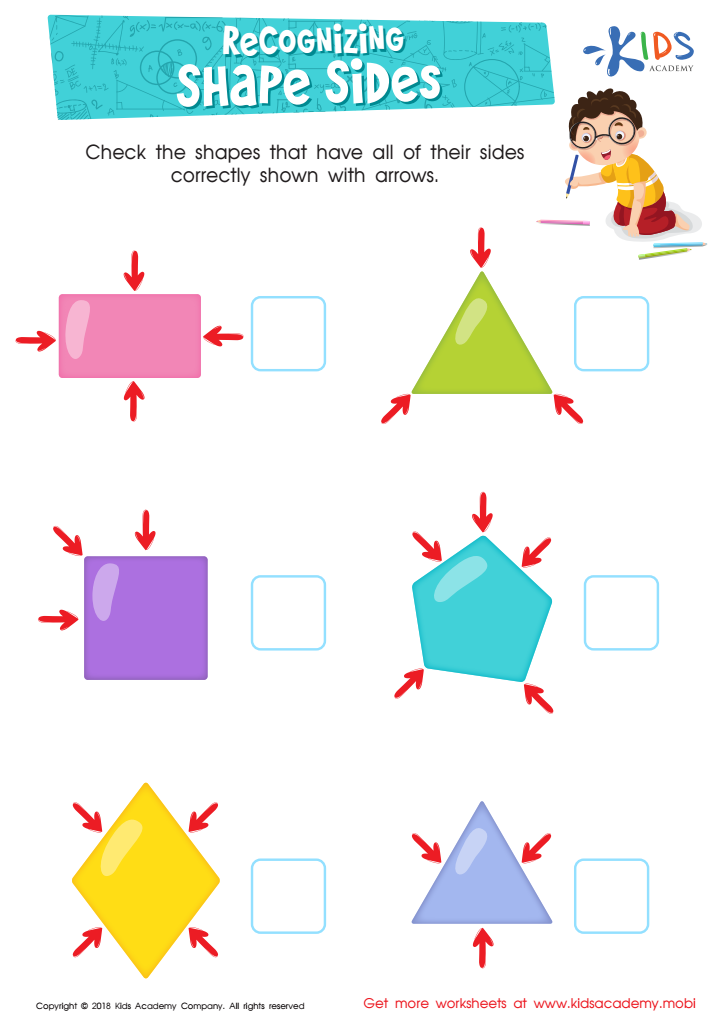
Recognizing Shape Sides Worksheet
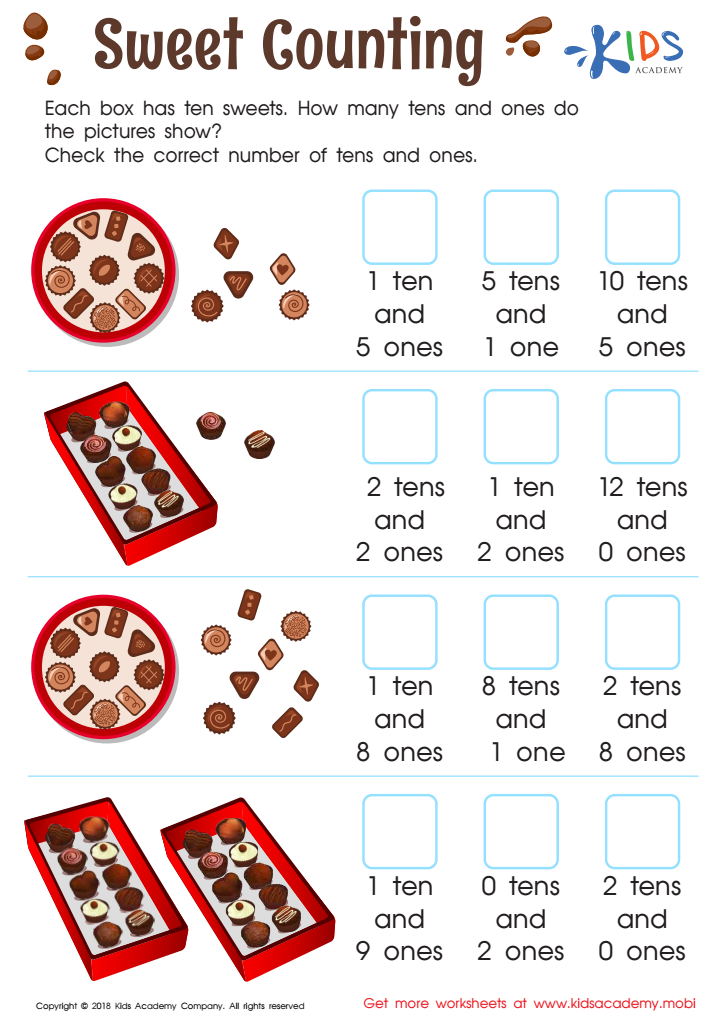
Sweet Counting - Part 2 Worksheet
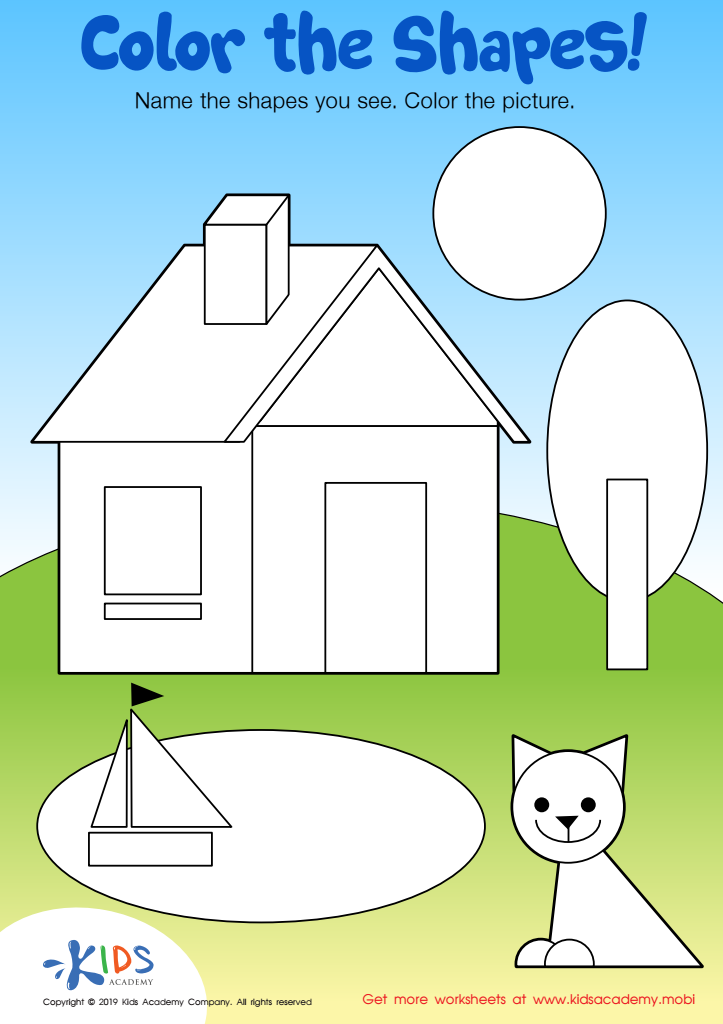
Color the Shapes Worksheet
Assign to My Students
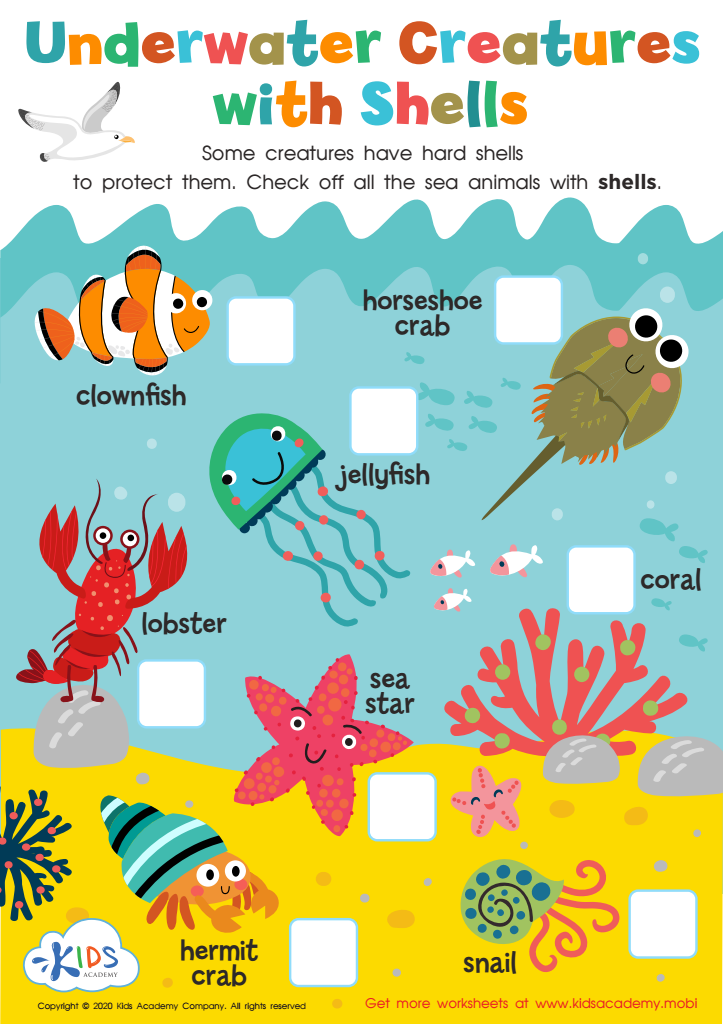
Underwater Creatures with Shells Worksheet
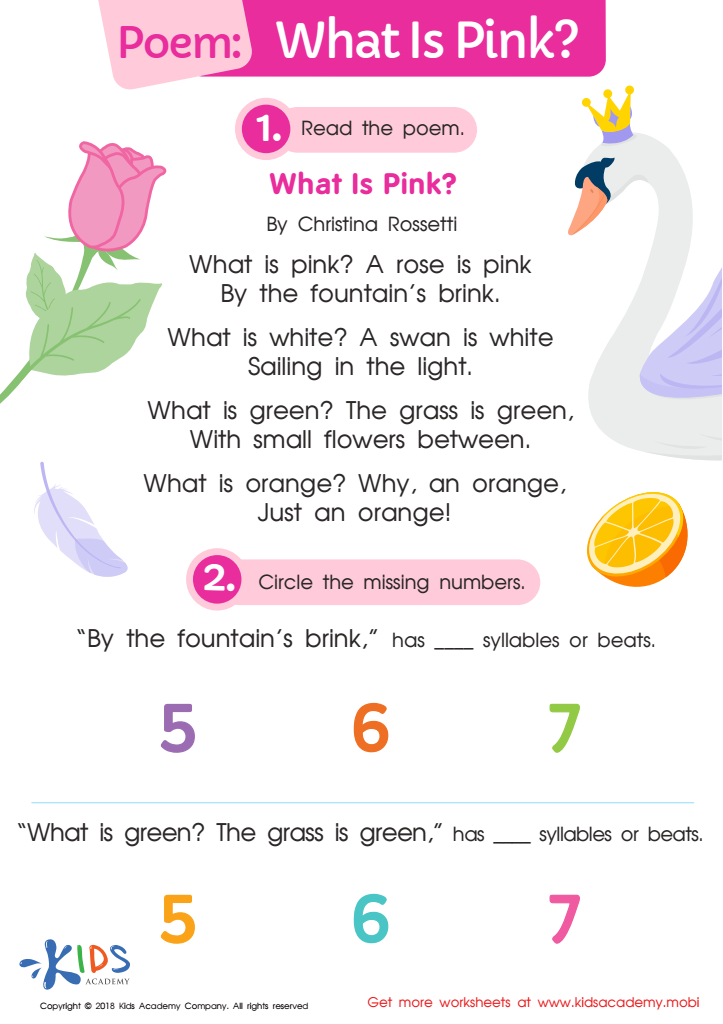
Poem: What Is Pink? Worksheet
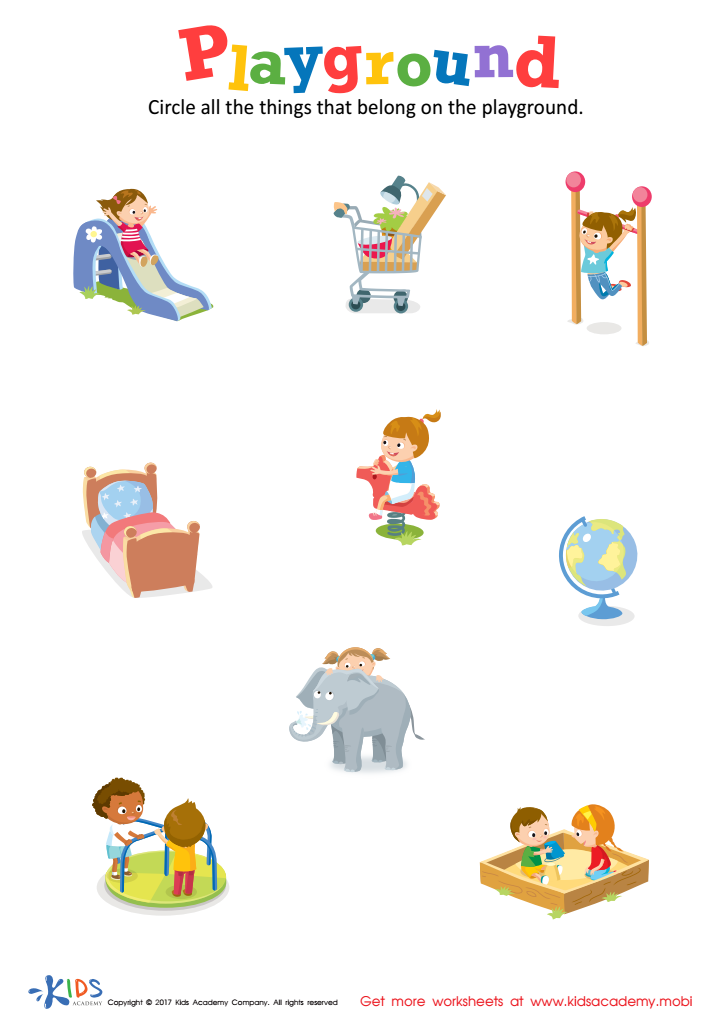
Playground Worksheet
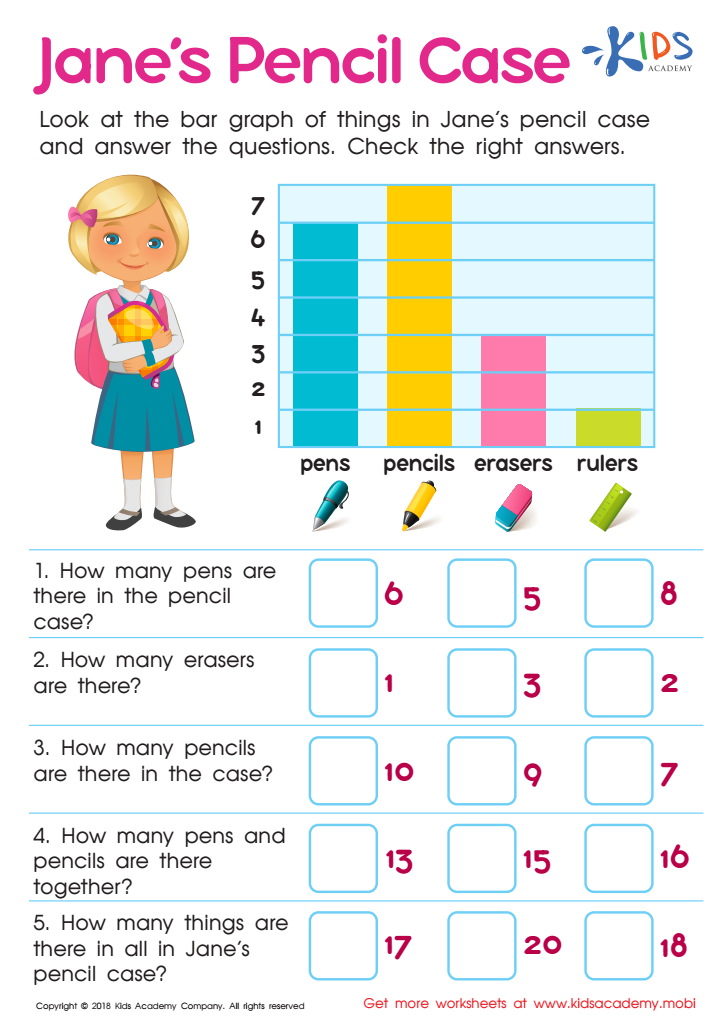
Jane's Pencil Case Worksheet
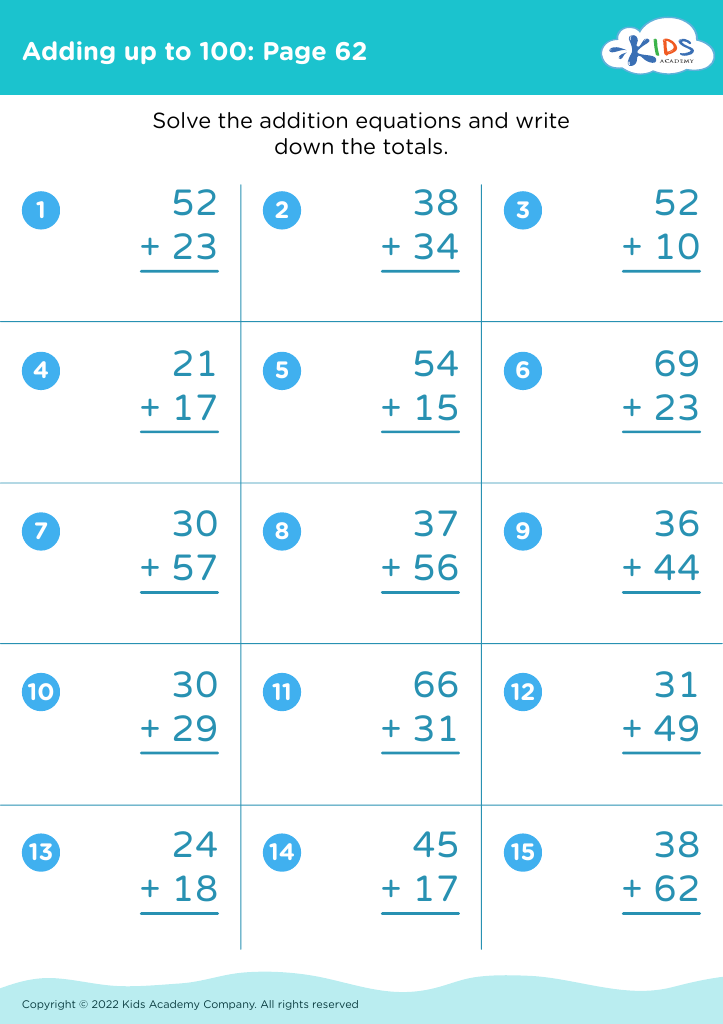
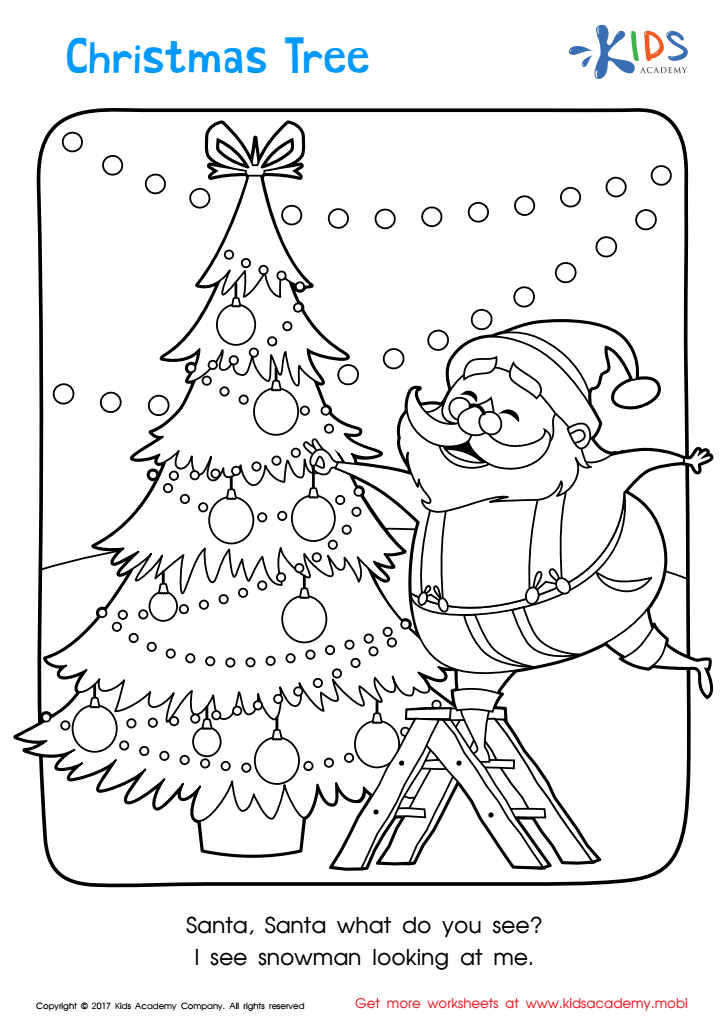
Christmas: Christmas Tree Printable
Assign to My Students
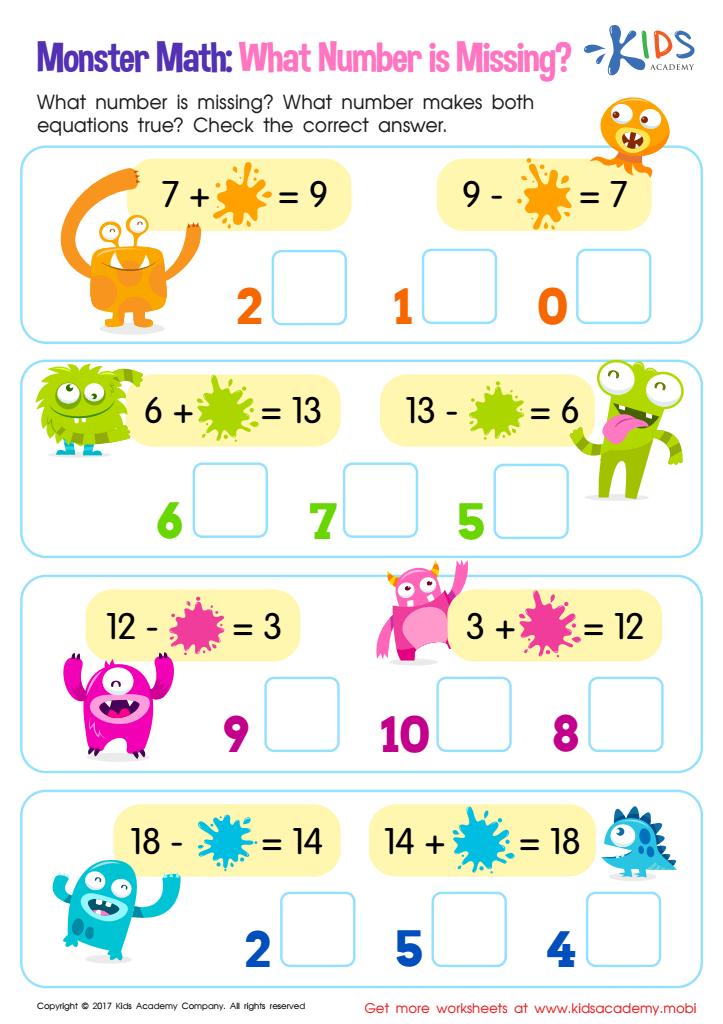
Missing Number: Monster Math Worksheet
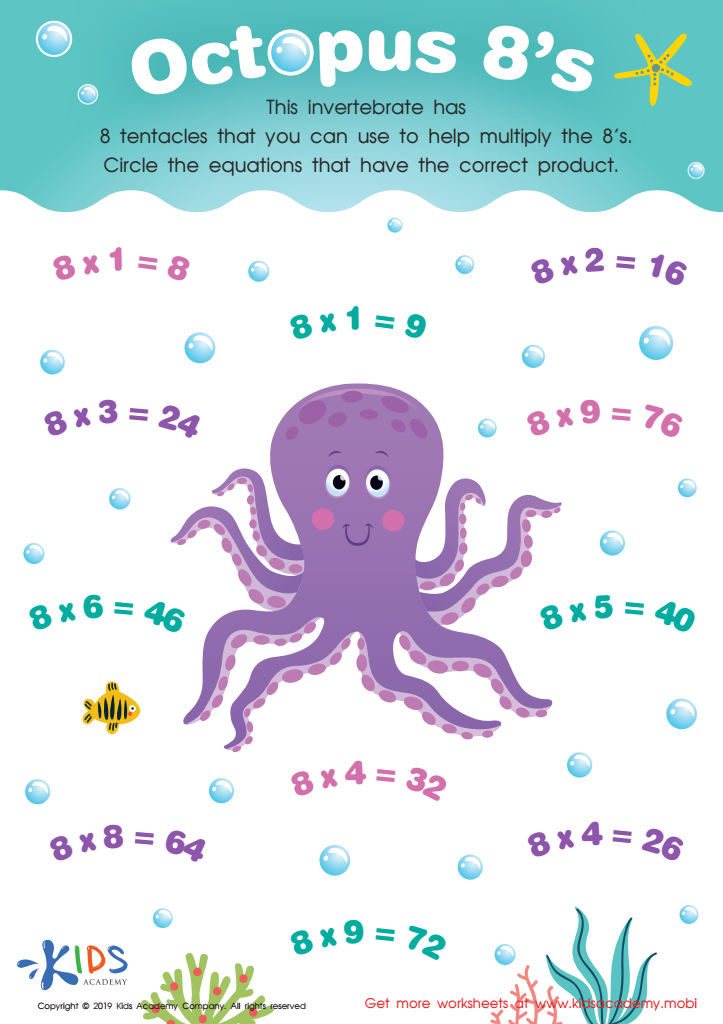
Octopus 8’s Worksheet







Color identification is a foundational skill for children aged 7-9, playing a pivotal role in their cognitive and social development. At this age, children are often expanding their vocabulary and their ability to describe their world, making color knowledge crucial. Understanding colors enhances their ability to express themselves, facilitating effective communication. Children begin to associate colors with emotions and concepts, helping them engage in more complex discussions about art, nature, and even emotions.
Additionally, mastering color identification supports critical thinking and helps in developing organizational skills. For instance, sorting objects by color allows children to engage in categorization activities that are fundamental for later math skills. Furthermore, recognizing colors contributes to their fine motor skills when engaging in art projects or labeling items.
Socially, learning colors encourages collaboration through games and activities that require teamwork, fostering peer relationships. It also boosts confidence as children showcase their knowledge in art and classroom projects.
In conclusion, parents and teachers should prioritize color identification as it lays the groundwork for language development, cognitive skills, and social interactions, ultimately contributing to the holistic development of children during these formative years.








