Counting practice Worksheets for Ages 7-9 - Page 2
110 filtered results
-
From - To
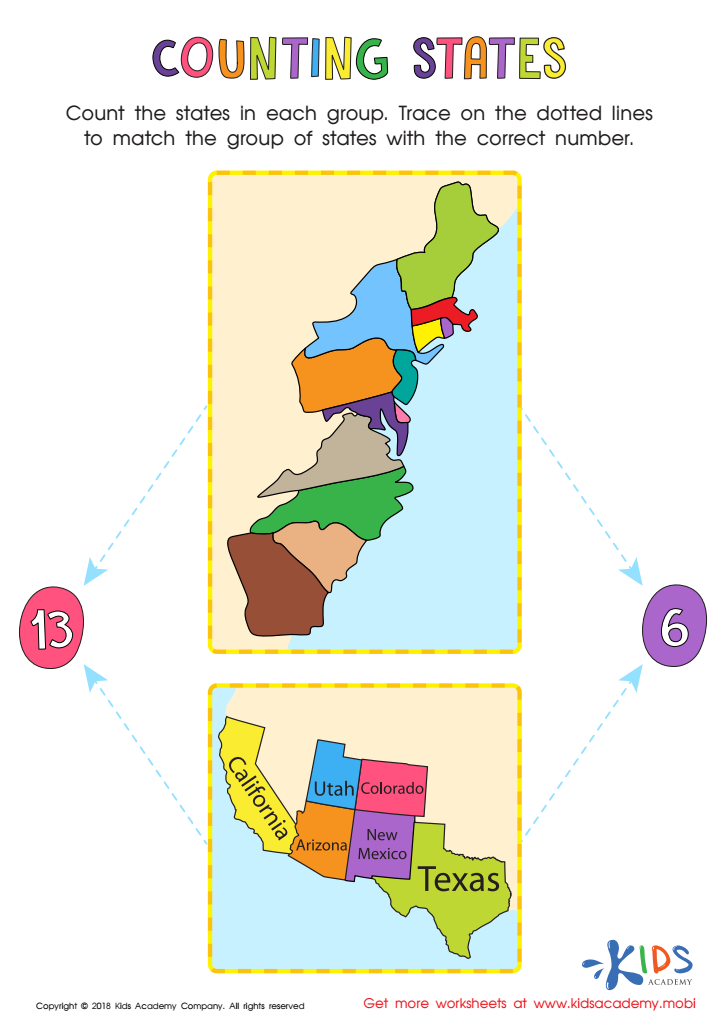
Counting States Worksheet
 Assign to My Students
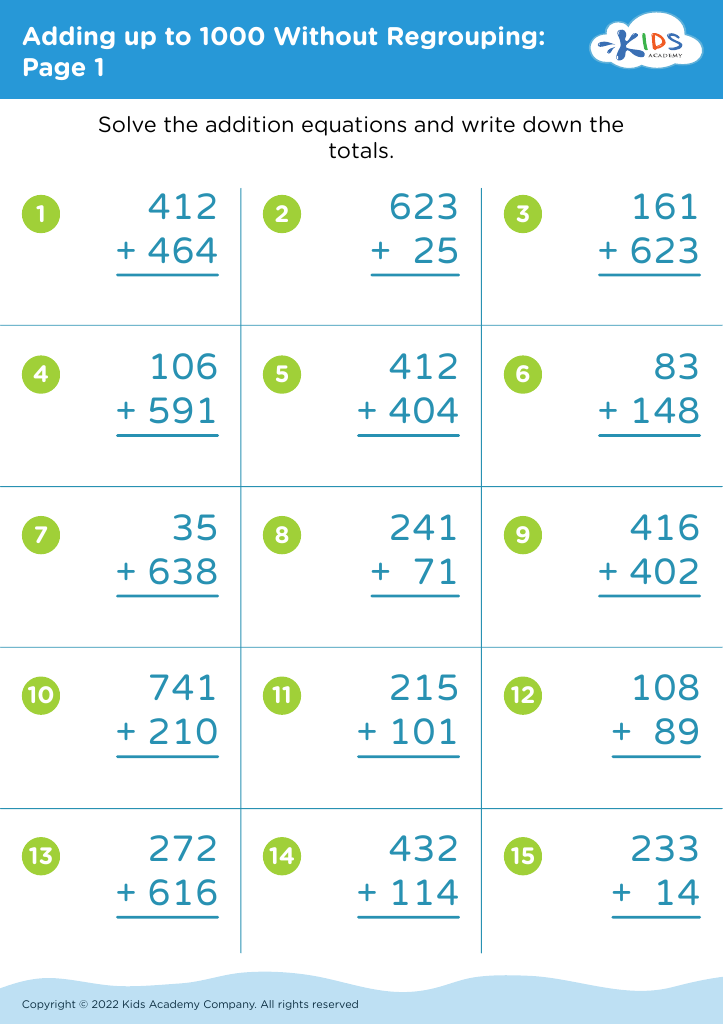
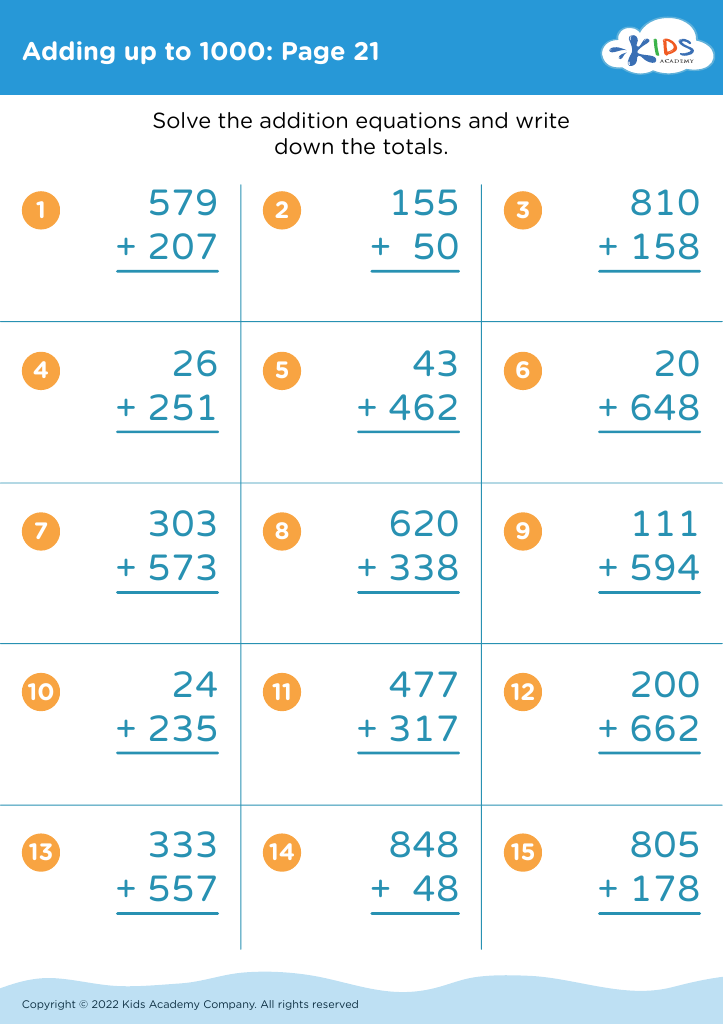
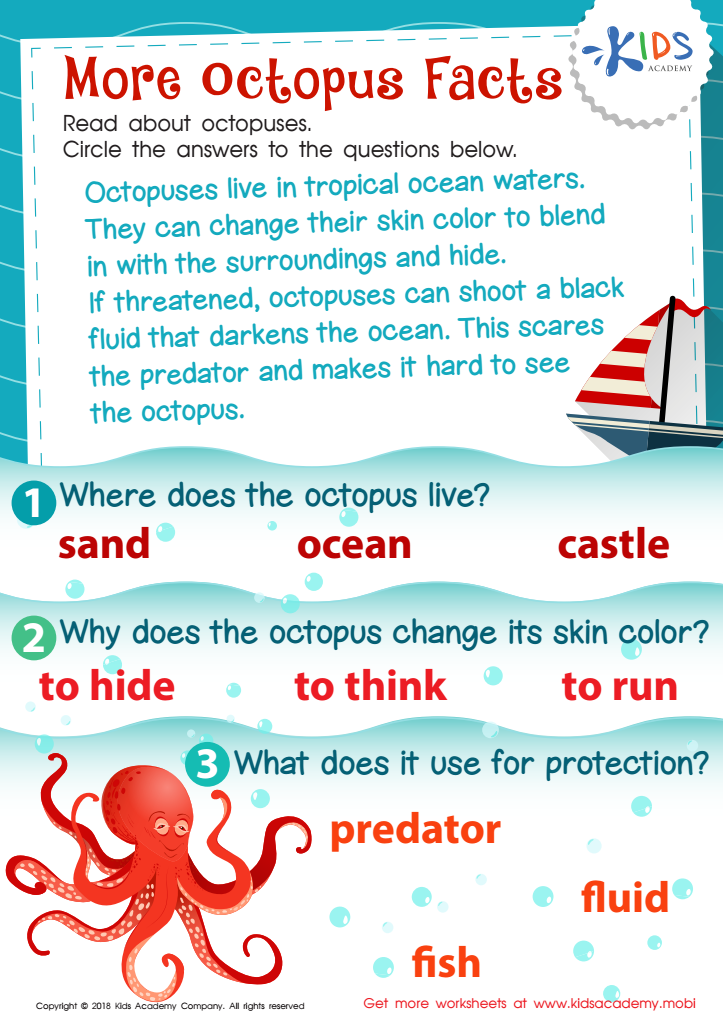
More Octopus Facts Worksheet
Connecting the Values Money Worksheet
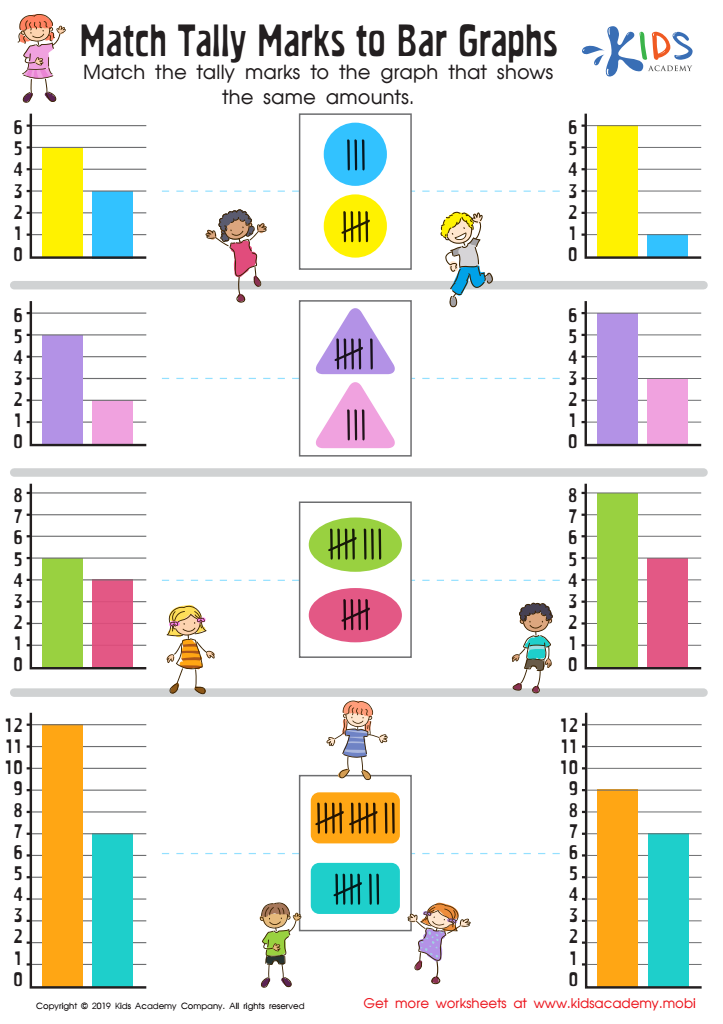
Match Tally Marks to Bar Graphs Worksheet
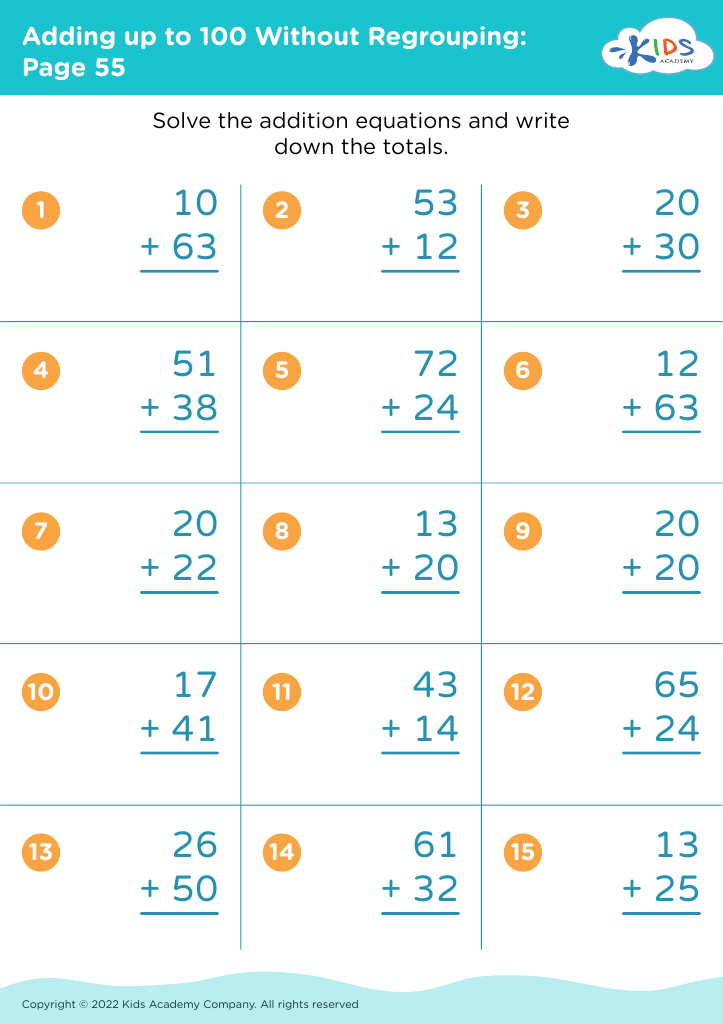
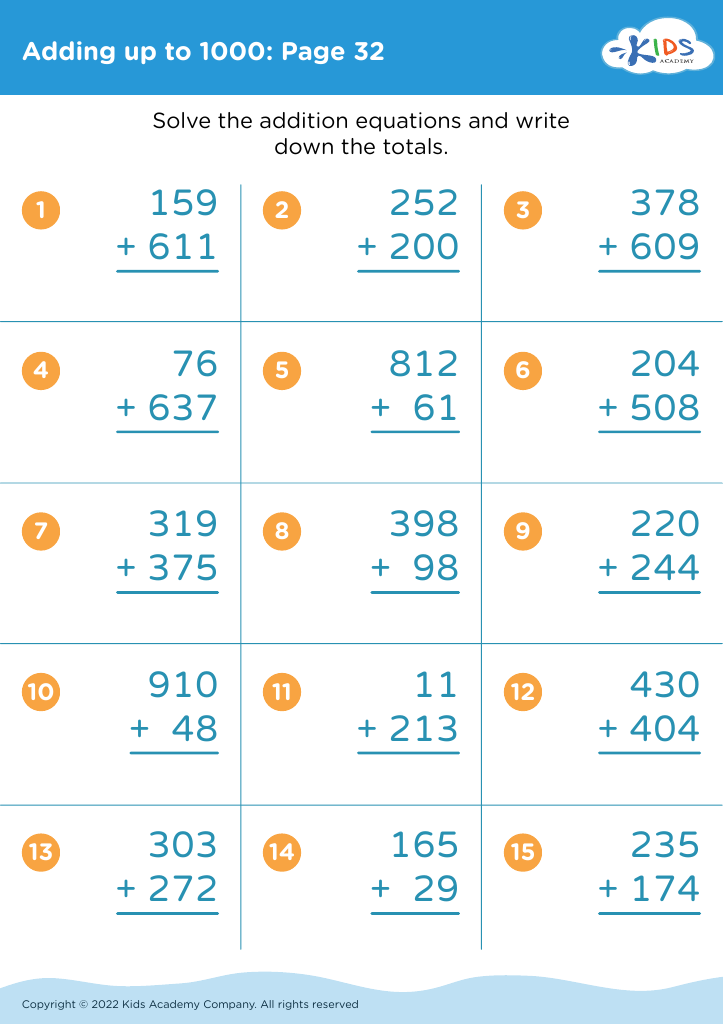
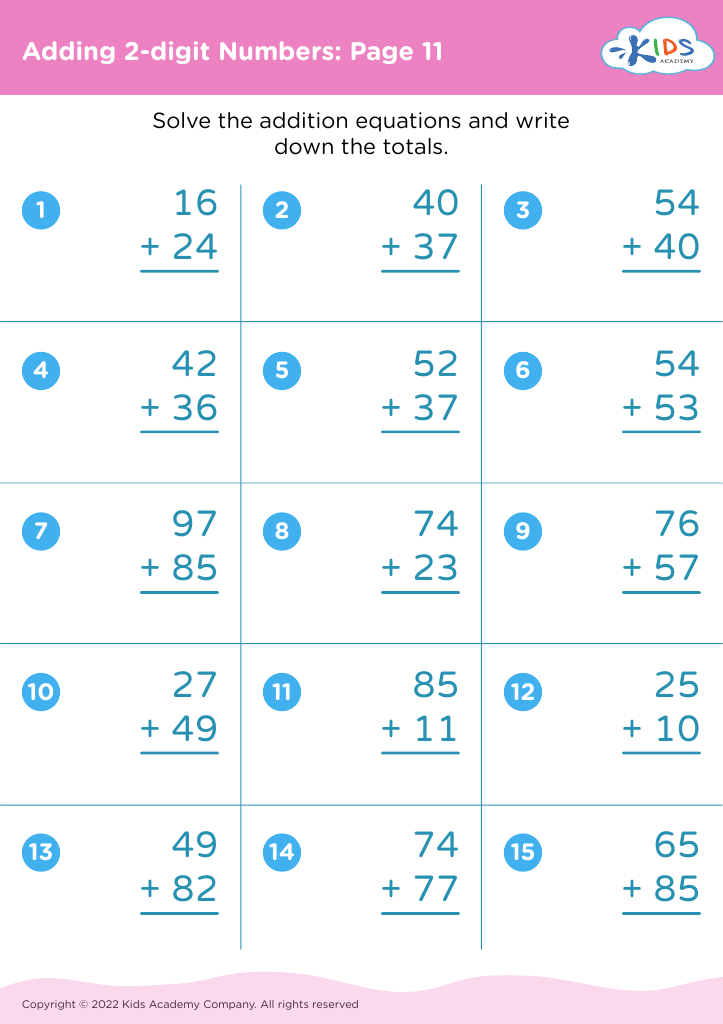
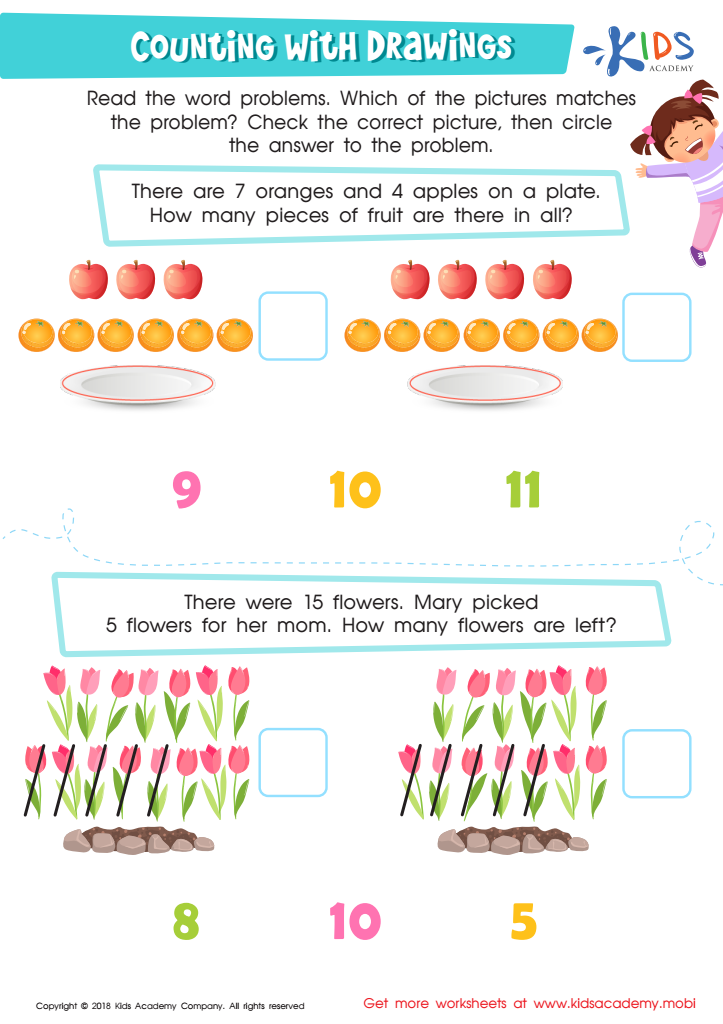
Counting with Drawings: Fruits & Chocolates Worksheet
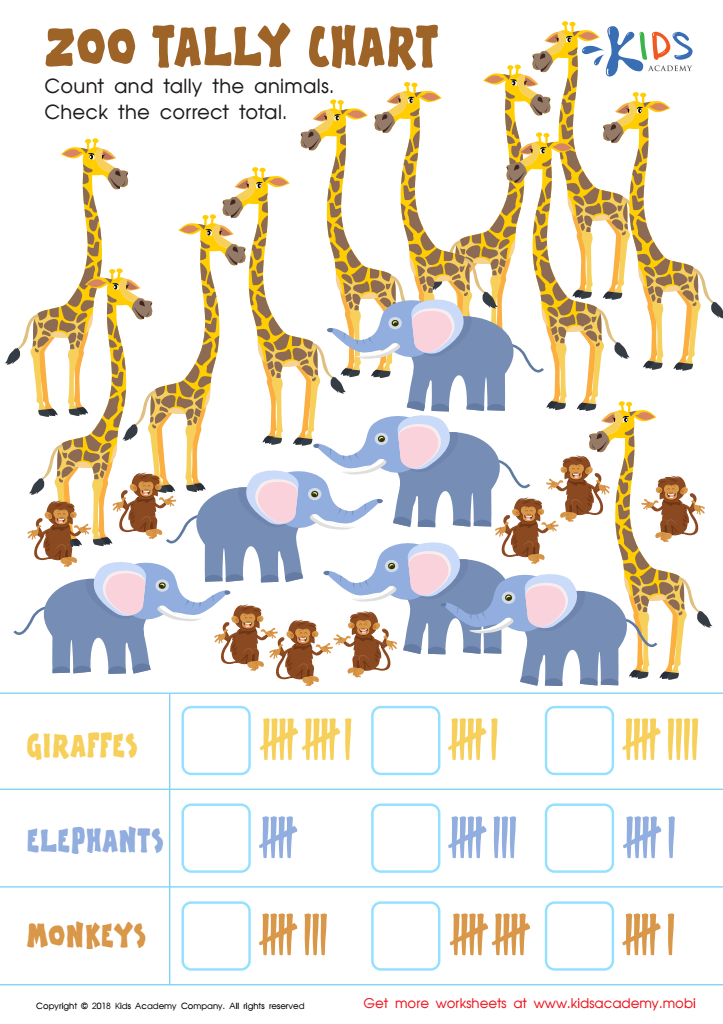
Zoo Tally Chart Worksheet
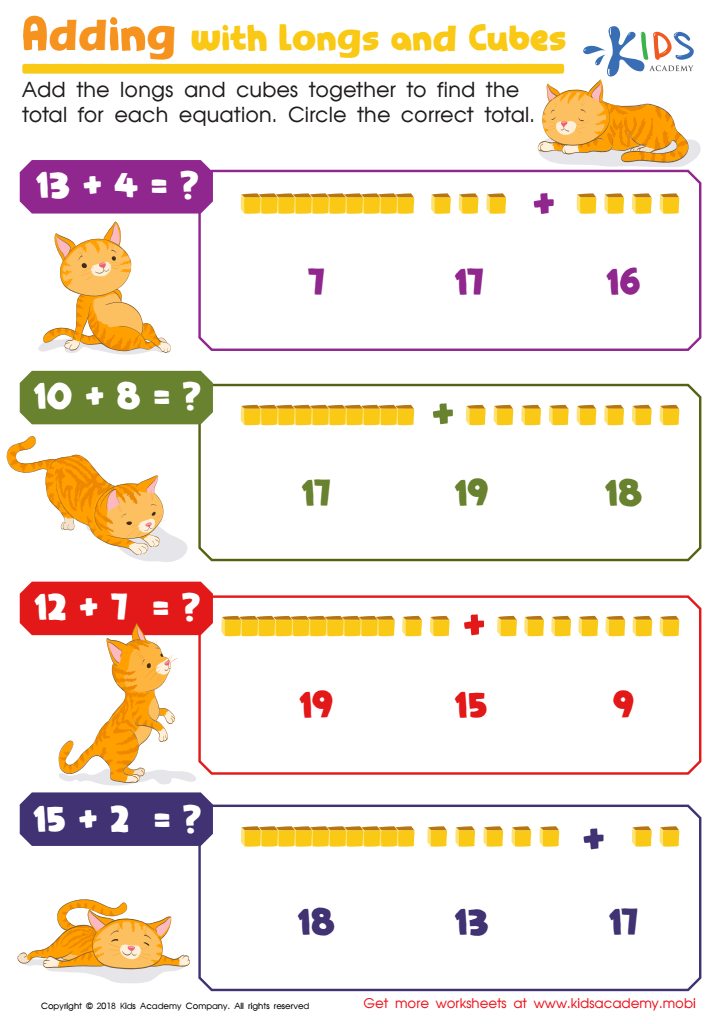
Adding With Longs and Cubes Worksheet
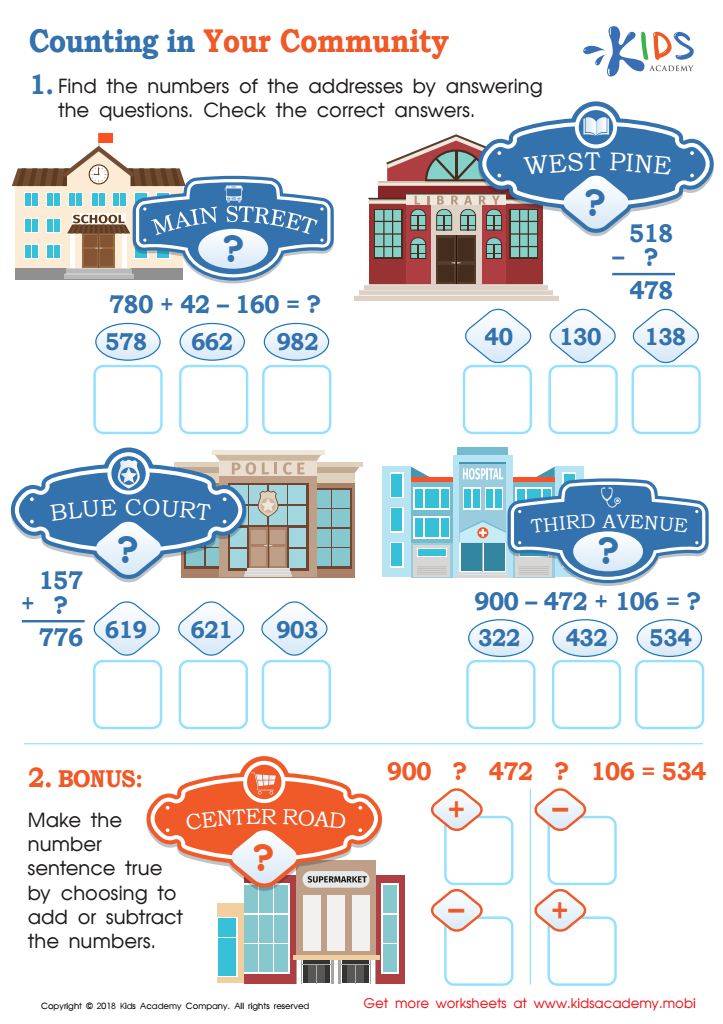
Counting in Your Community Worksheet
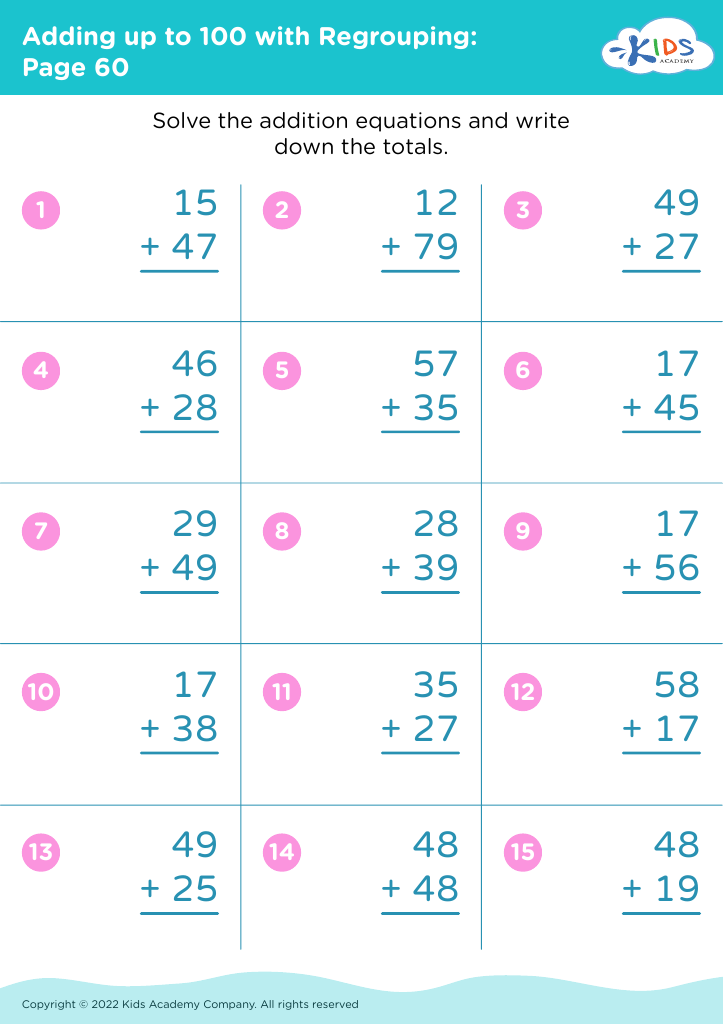
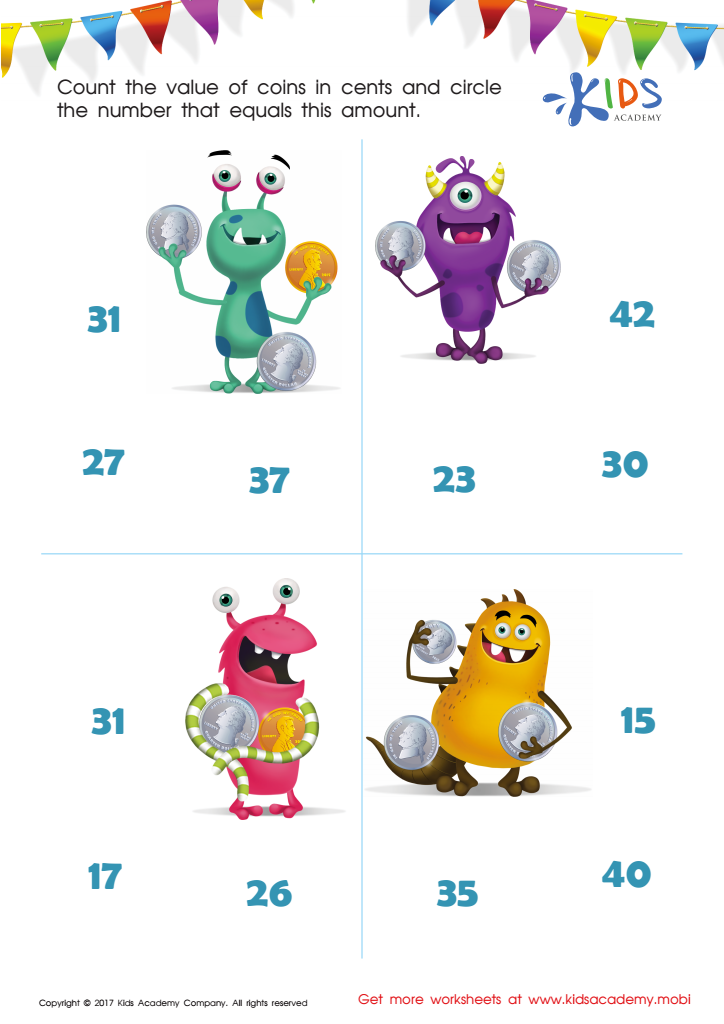
How Many Coins Money Worksheet
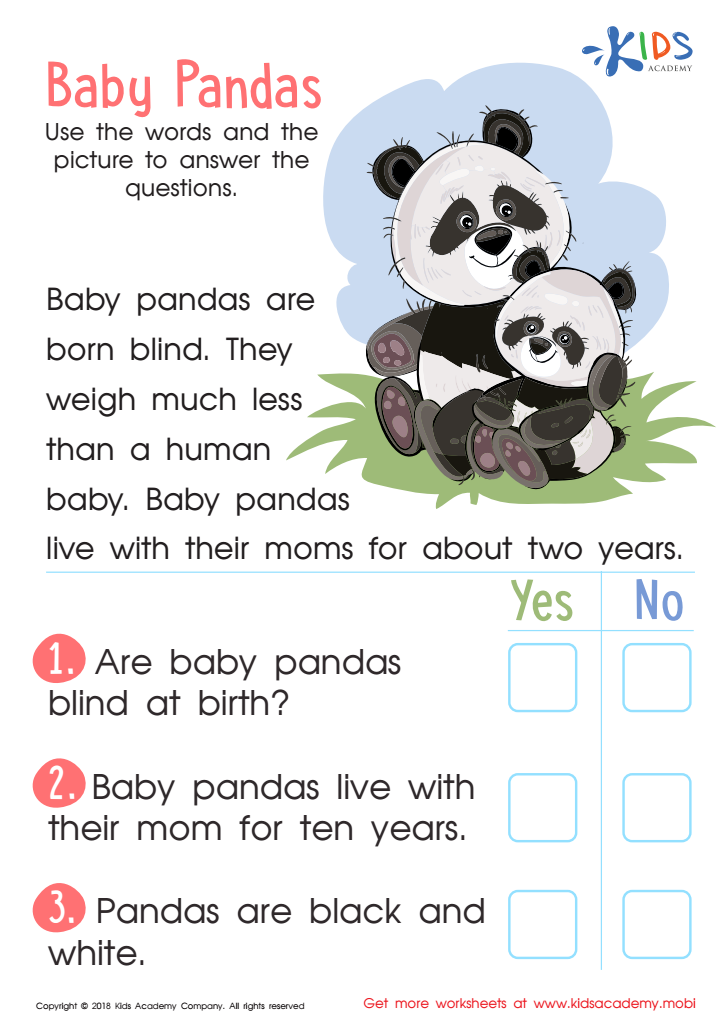
Baby Pandas Worksheet
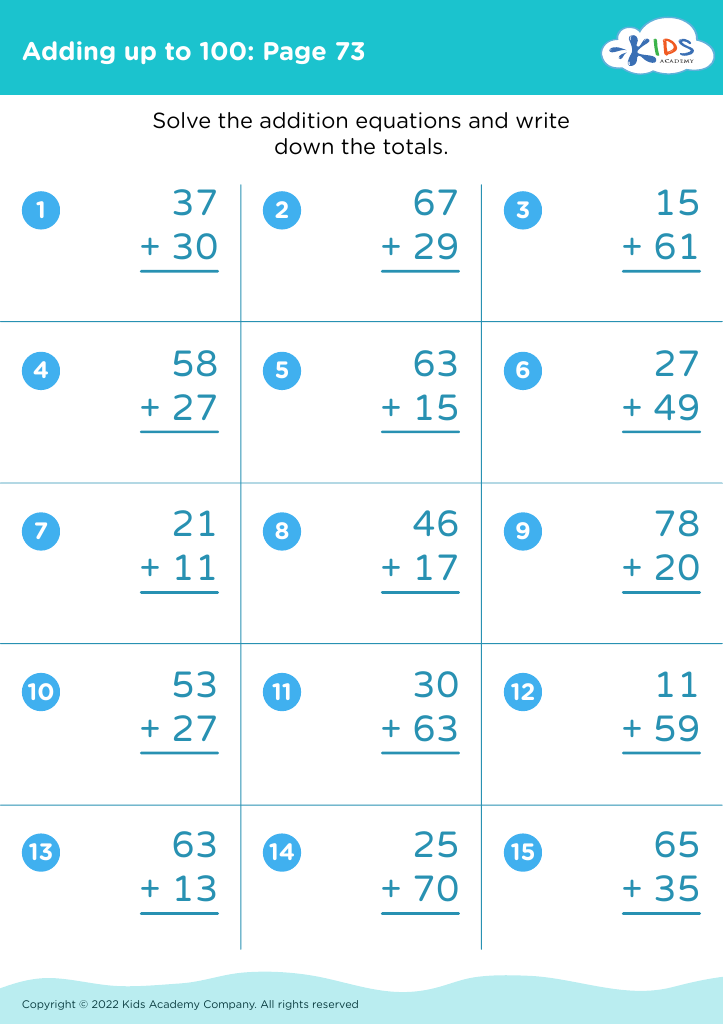
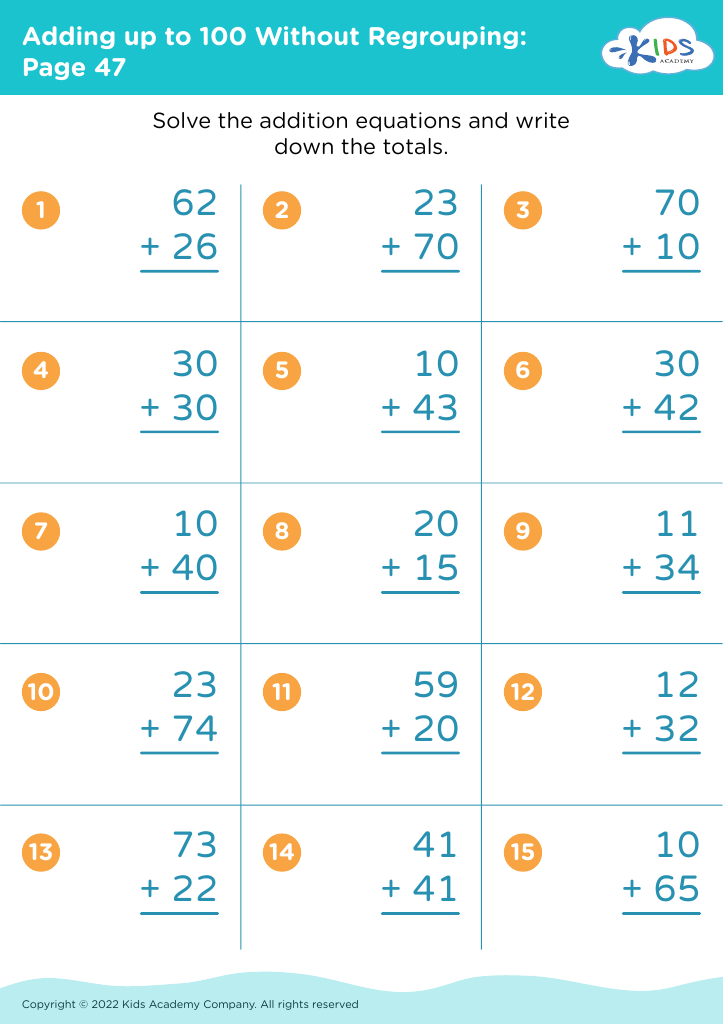
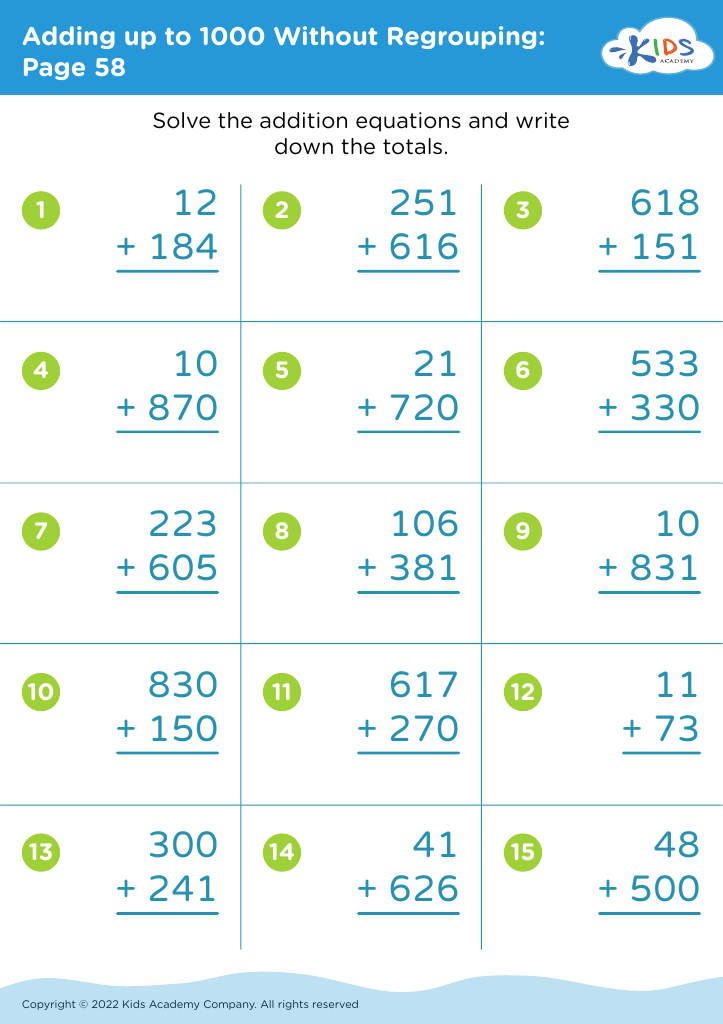
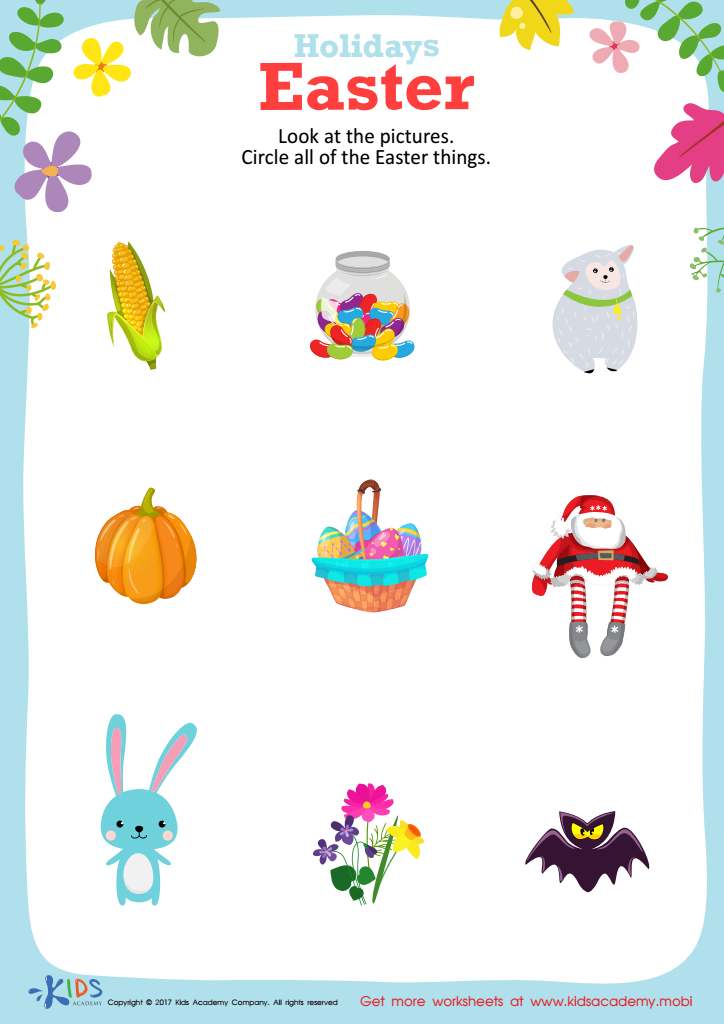
Easter Holiday Printable





Counting practice is crucial for children aged 7-9 as it serves as a foundational element in their mathematical development. During these formative years, children transition from simple rote counting to understanding more advanced concepts such as place value, addition, subtraction, and the basics of multiplication and division. Hence, proficiency in basic counting greatly influences their ability to grasp more complex mathematical operations.
Moreover, counting aids in developing number sense, which is an intuitive understanding of numbers, their magnitude, relationships, and how they are affected by operations. Strong number sense is associated with better problem-solving skills and a greater aptitude for reasoning and logical thinking. It also builds their confidence and reduces math anxiety, which is pivotal for fostering a long-term positive attitude towards math.
Beyond math, counting practice enhances cognitive skills such as concentration, memory, and attention to detail. It encourages children to recognize patterns, make predictions, and follow sequences, forming a basis for later academic subjects and everyday life tasks.
Therefore, parents and teachers should prioritize counting activities, using engaging methods such as games, hands-on materials, and interactive technologies to make counting a fun and integral part of daily learning. This foundational skill sets the stage for future academic success and a lifelong appreciation for mathematics.








