Identify shapes Worksheets for Ages 7-9
12 filtered results
-
From - To
Discover our engaging "Identify Shapes Worksheets" designed for children aged 7 to 9! These worksheets provide a fun and interactive way for young learners to recognize and differentiate various shapes, including circles, squares, triangles, and more. Each activity encourages critical thinking and enhances visual perception skills, making learning enjoyable. Perfect for home or classroom use, our resources support educators and parents in reinforcing geometry concepts through colorful visuals and creative exercises. Help your child build a solid foundation in shape identification with our comprehensive worksheets. Explore today and watch their confidence and skills grow!
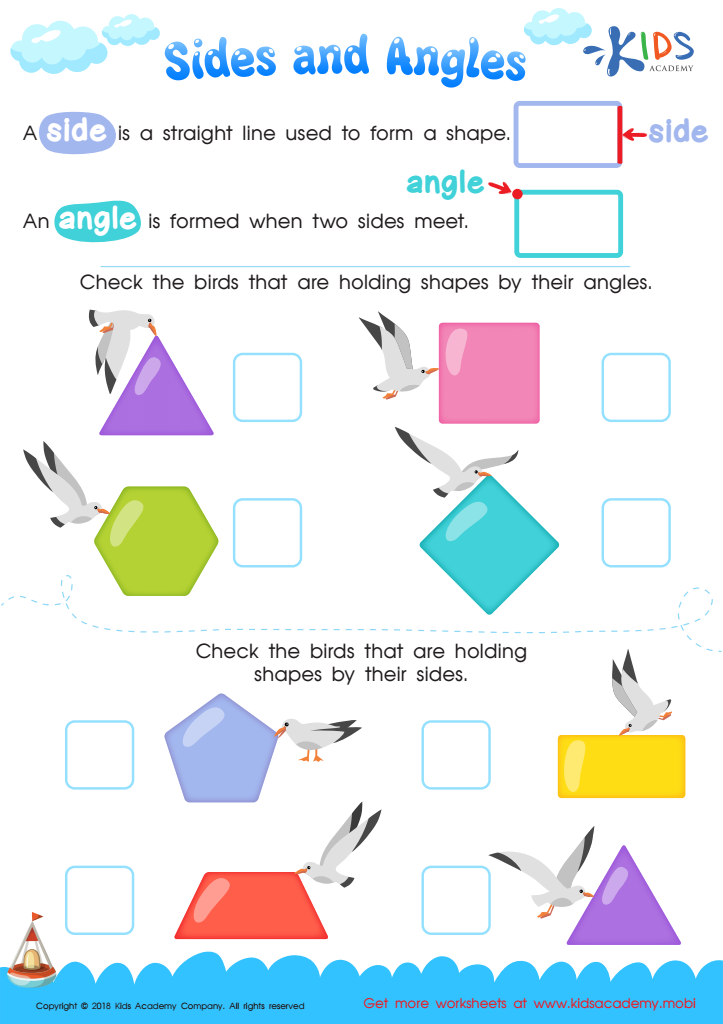
Sides and Angles Worksheet
 Assign to My Students
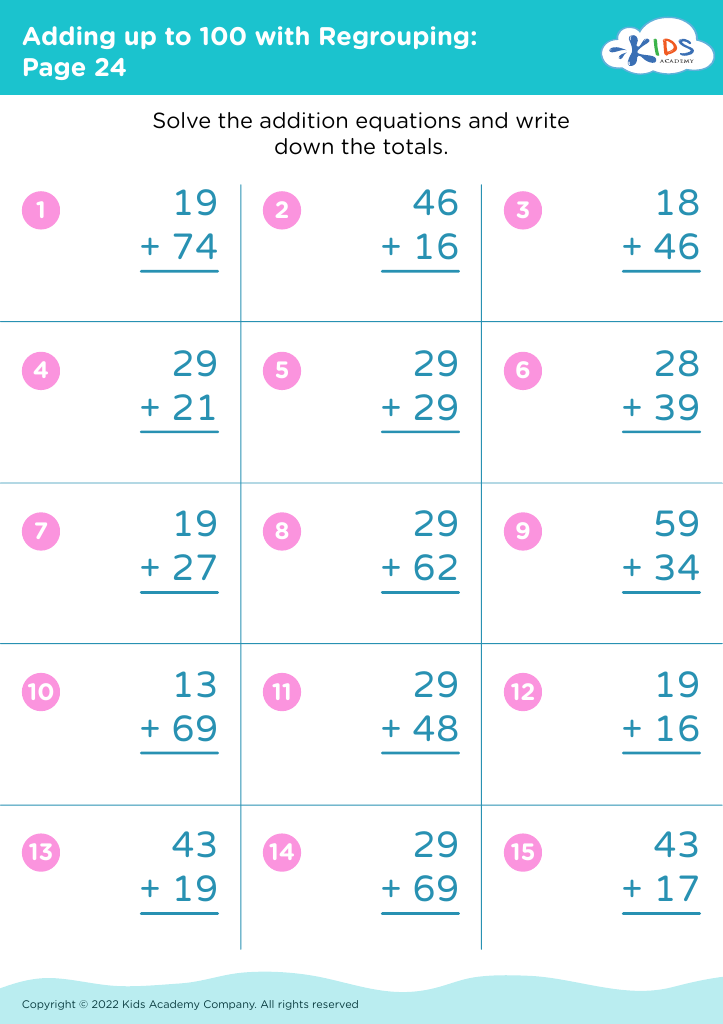
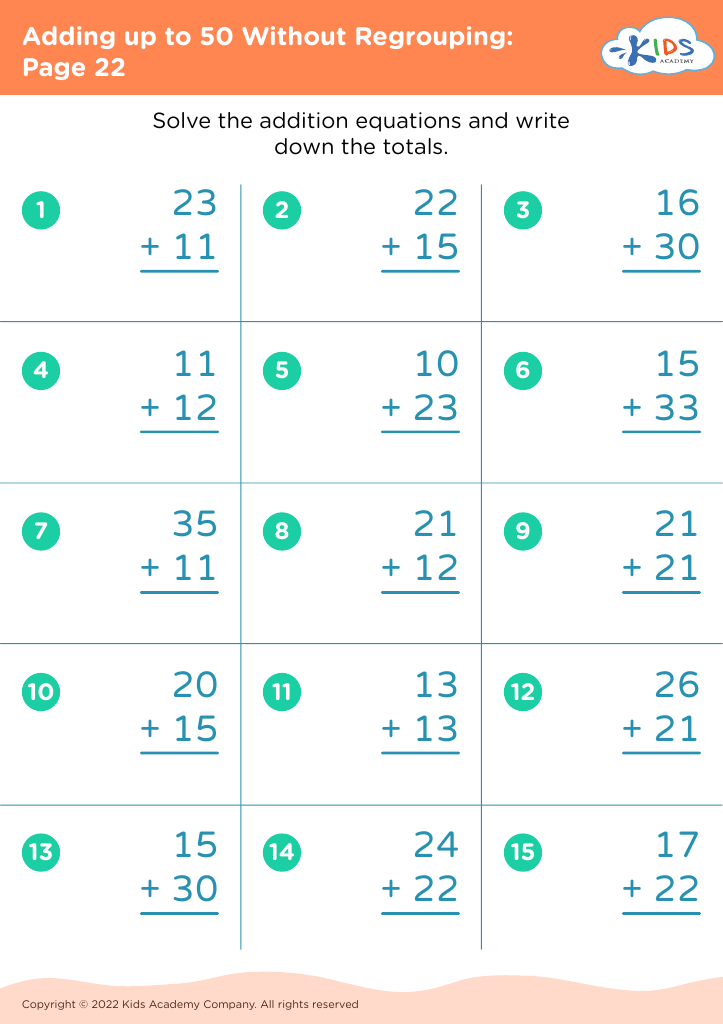
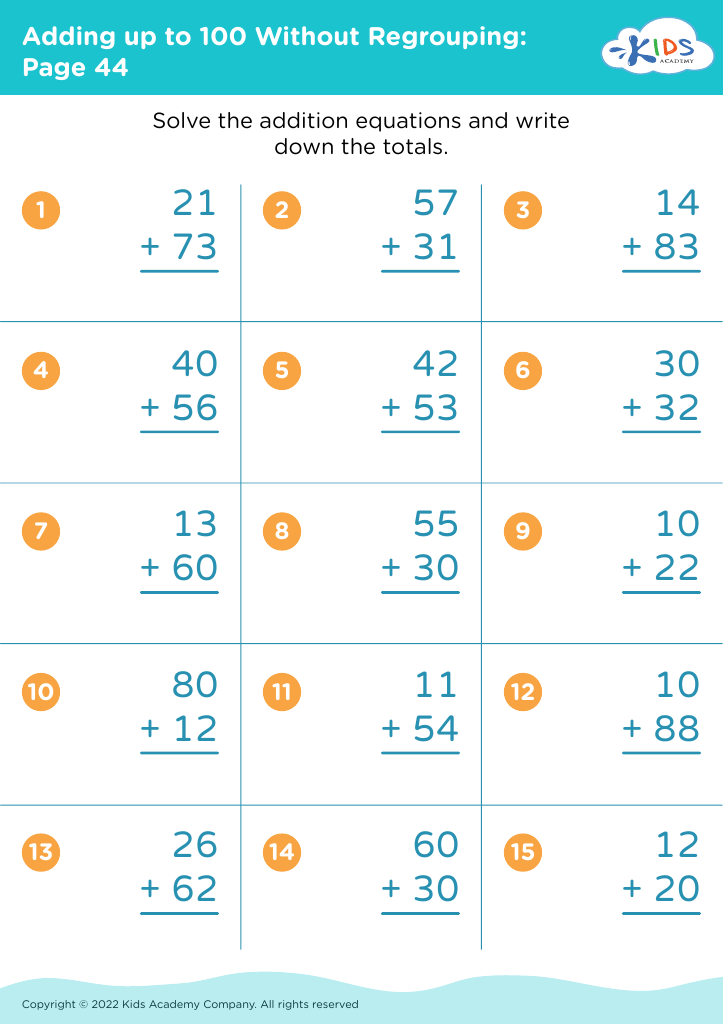







Identifying shapes is a fundamental skill for children ages 7-9, crucial for their cognitive development and understanding of the world around them. At this age, children are transitioning from basic shape recognition to comprehending more complex geometric concepts. By learning to identify shapes, children enhance their spatial awareness, which is essential for problem-solving and logical reasoning.
Shapes form the basis for various subjects, including mathematics, art, and science. Understanding geometric shapes helps children tackle more advanced mathematical concepts such as area, perimeter, and volume. Additionally, this skill supports reasoning abilities, as they learn to classify and differentiate between shapes based on their properties.
Moreover, recognizing shapes improves fine motor skills, especially when engaging in drawing, crafting, or building activities. These hands-on experiences further enhance their creativity and critical thinking abilities.
For parents and teachers, fostering shape recognition opens the door for more engaging and interdisciplinary learning experiences. It lays a strong foundation for later academic success, encouraging a lifelong interest in learning. By emphasizing this skill, adults can help shape the future of their children, equipping them with essential tools to navigate and understand an increasingly complex world. Ultimately, focused attention on shape identification can benefit children's development both academically and socially.








