Map reading skills Worksheets for Ages 7-9
15 filtered results
-
From - To
Unlock your child's potential with our Map Reading Skills Worksheets designed specifically for ages 7-9. These engaging and educational worksheets help young learners not only decode and interpret maps with ease, but also enhance their critical thinking and problem-solving abilities. Featuring fun activities like treasure hunts, navigation drills, and geography challenges, our worksheets make learning exciting and interactive. Perfect for both classroom settings and at-home practice, these tools cover a variety of key skills including directions, landmarks, and map symbols. Foster a love for geography and develop essential life skills with our comprehensive Map Reading Skills Worksheets today!
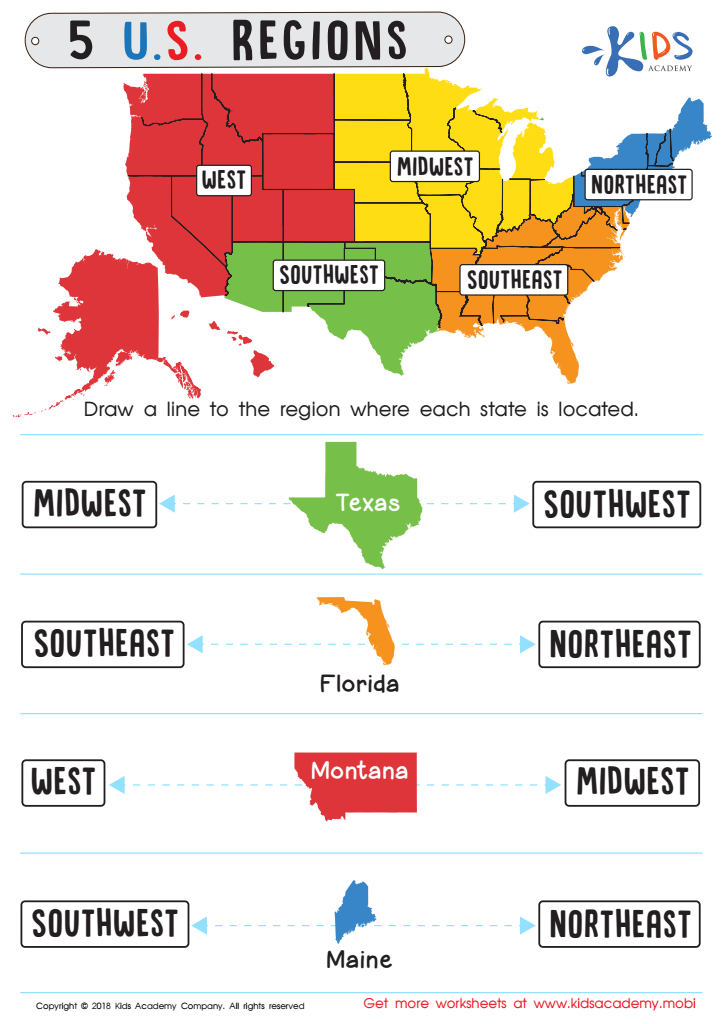
5 U.S. Regions Worksheet
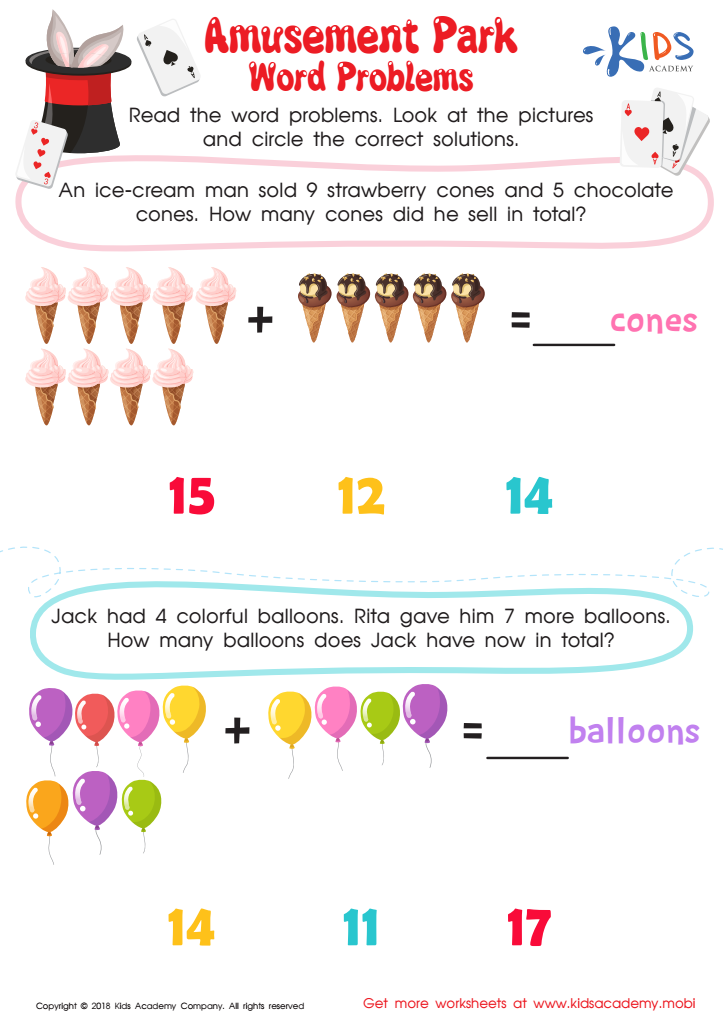
Amusement Park Word Problems Worksheet
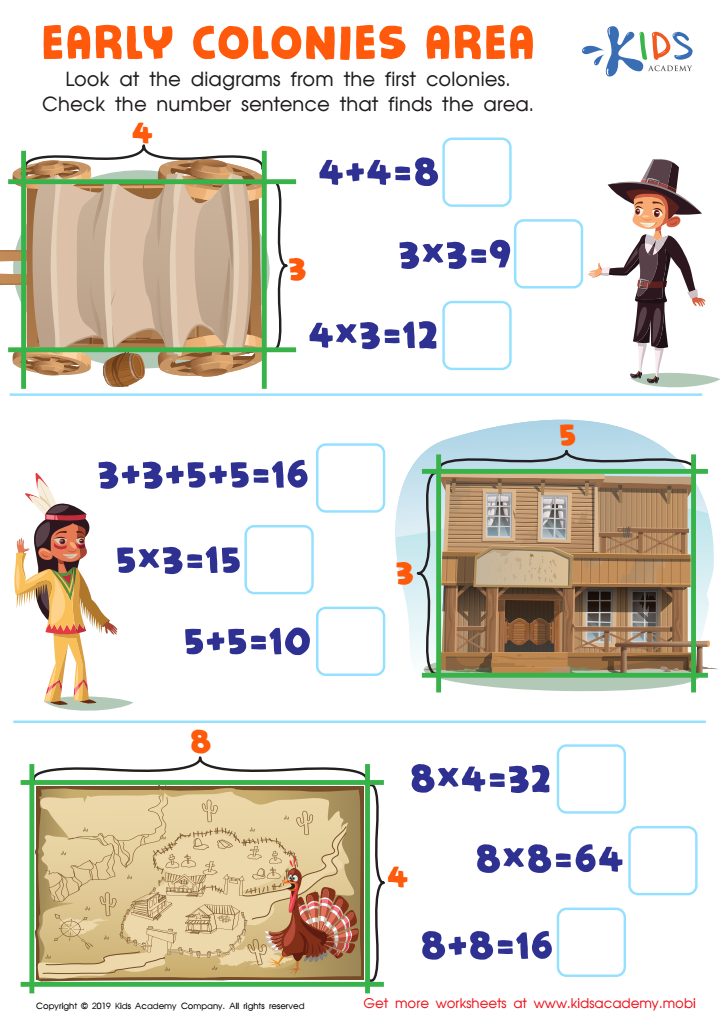
Early Colonies Area Worksheet
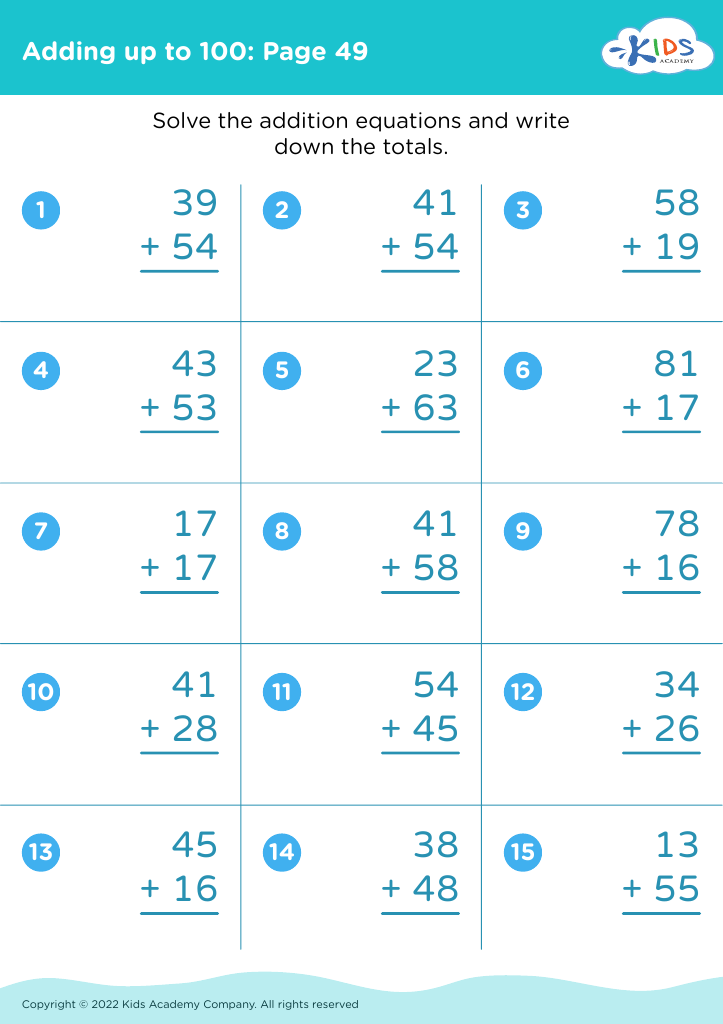
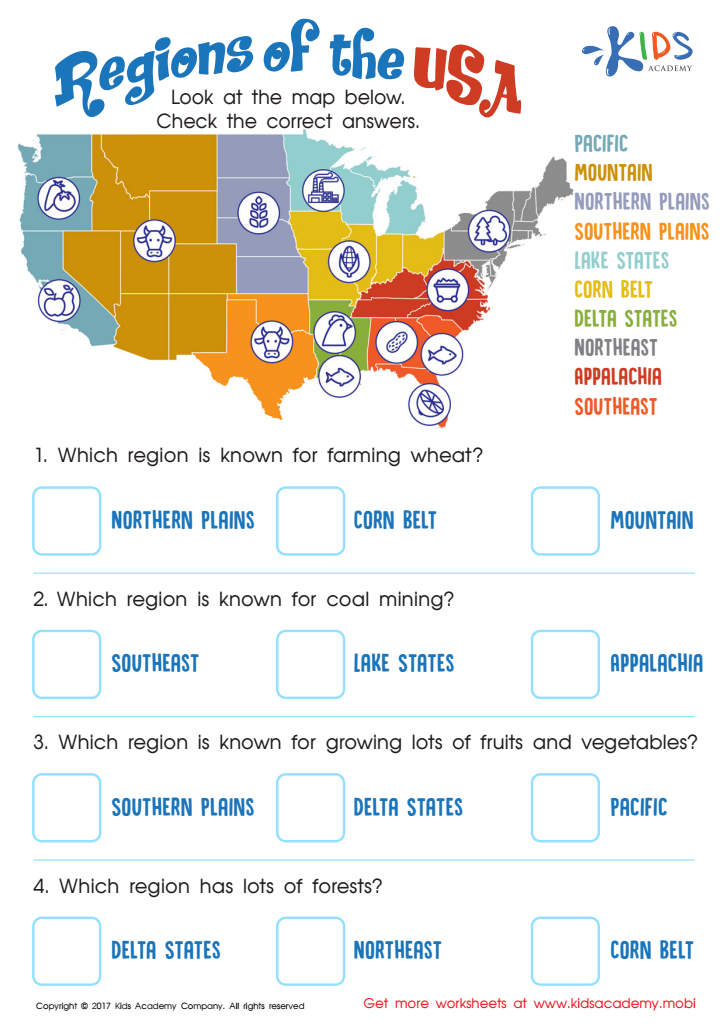
Regions of the USA Worksheet
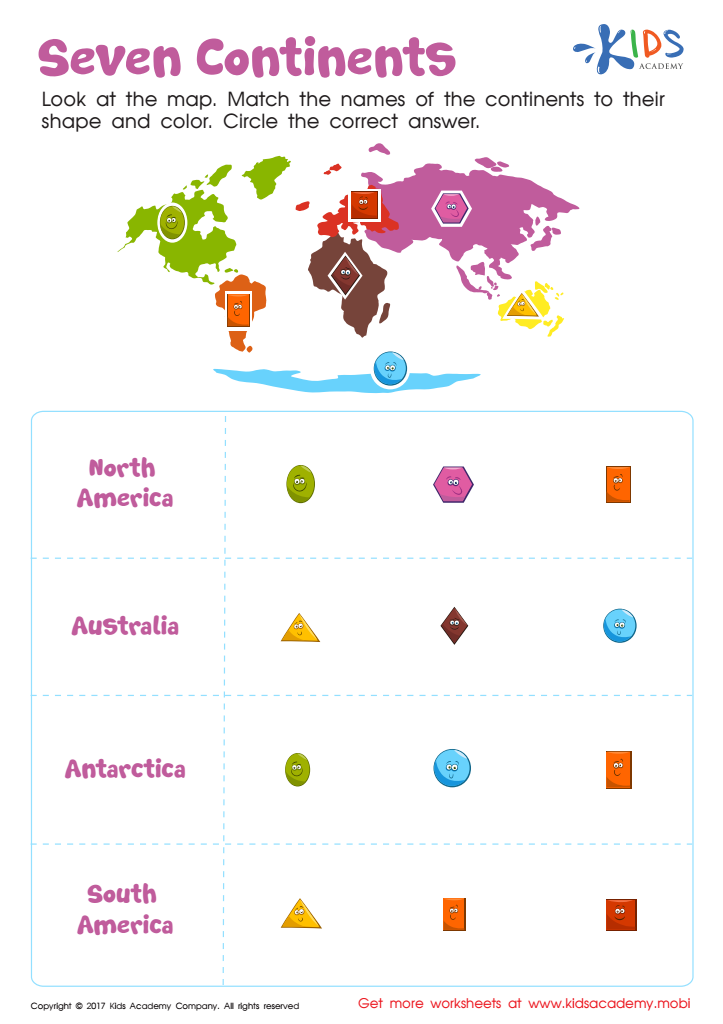
Seven Continents Worksheet
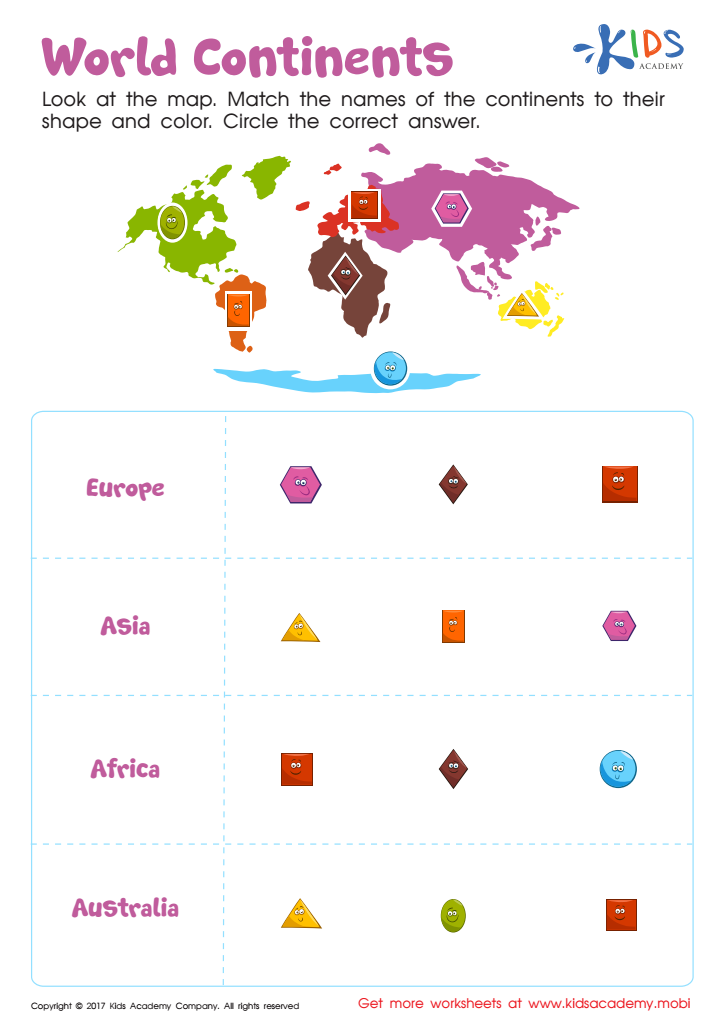
World Continents Worksheet
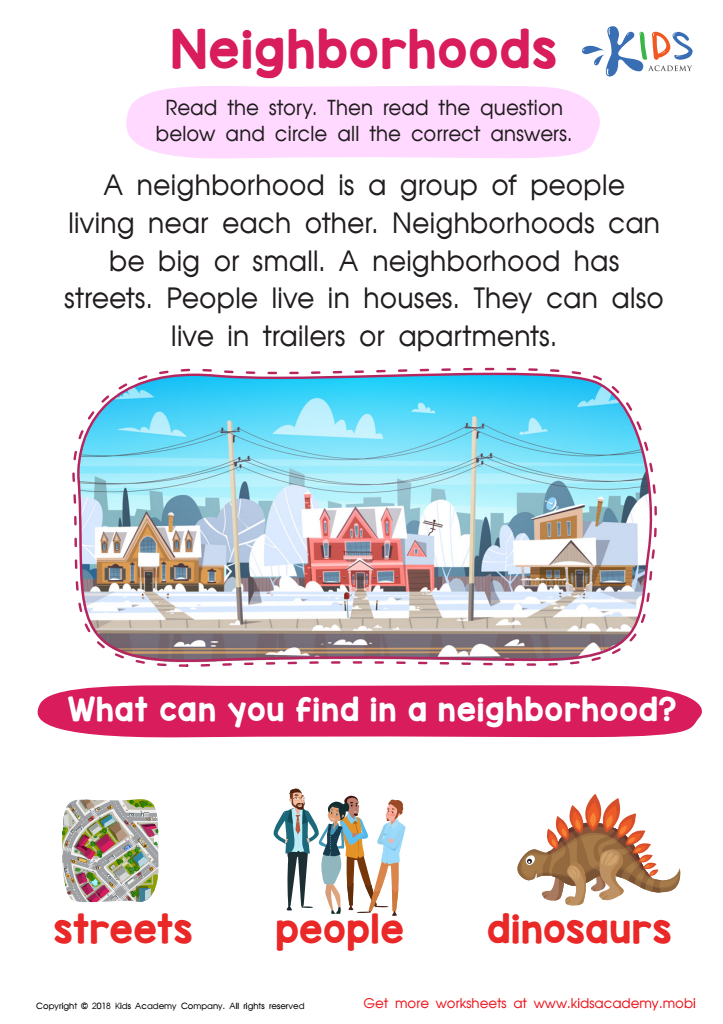
Neighborhoods Worksheet
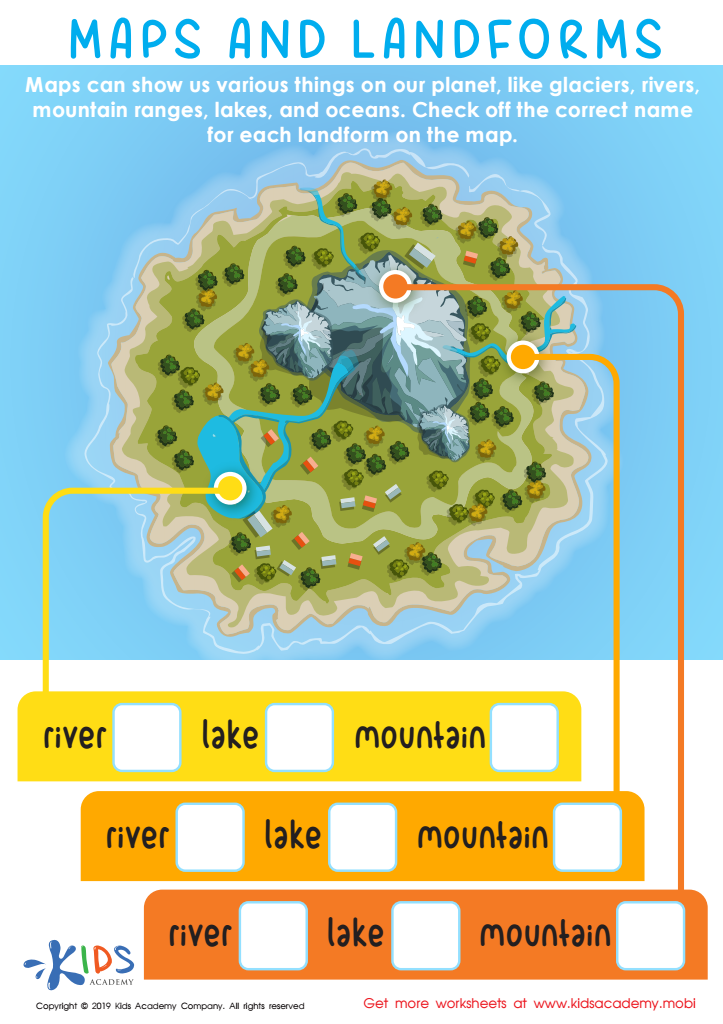
Maps and Landforms Worksheet
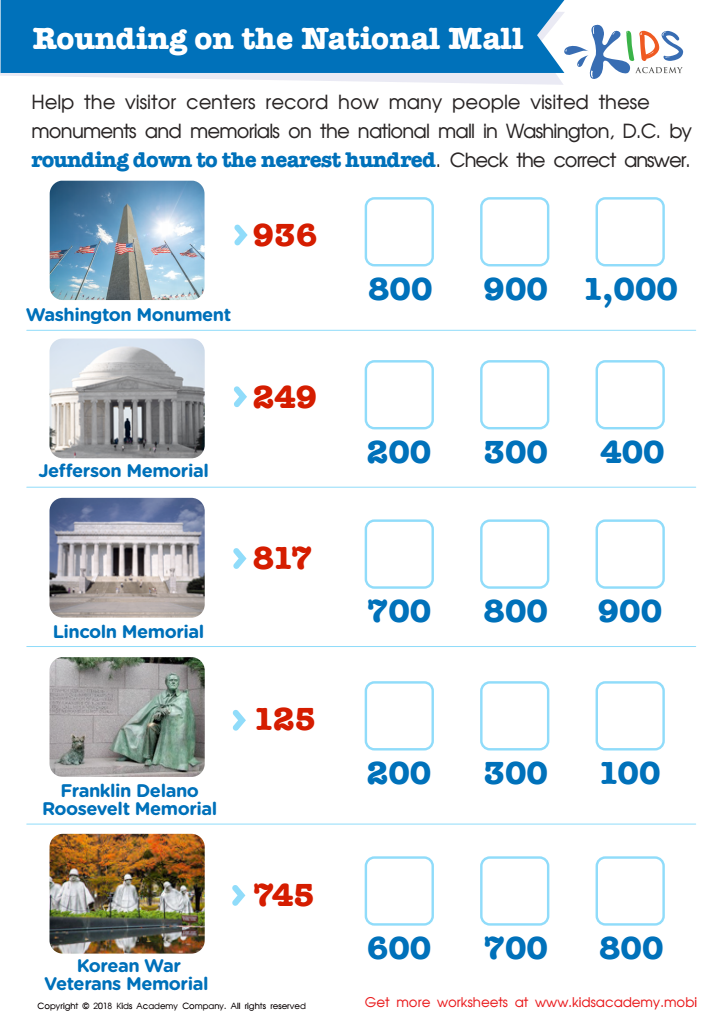
Rounding on the National Mall Worksheet
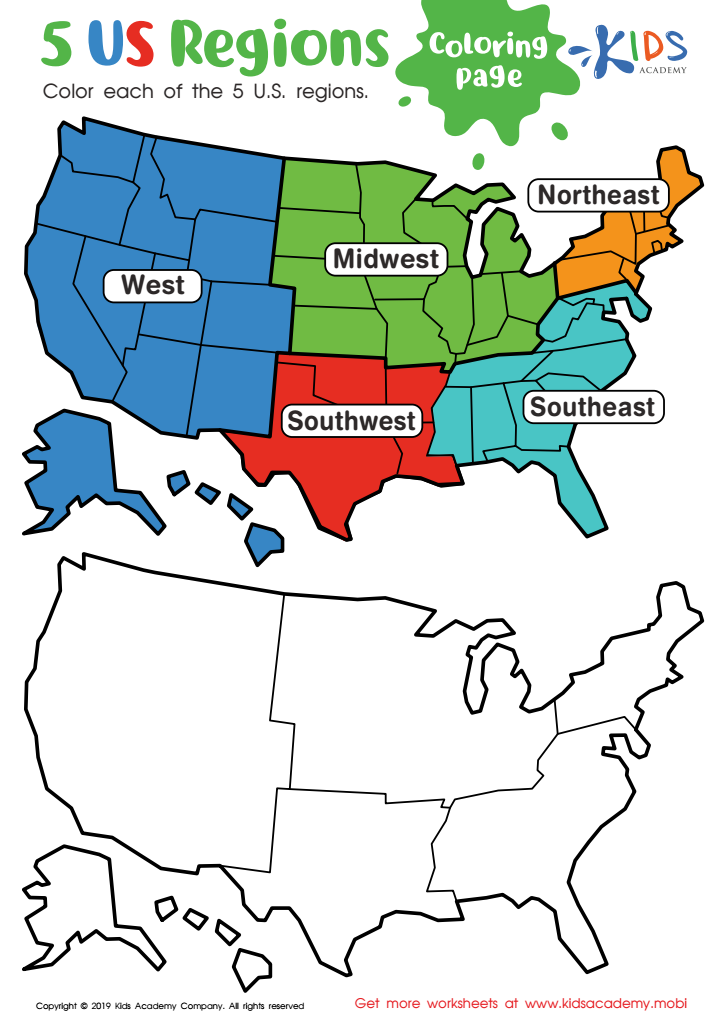
US Regions Coloring Page Worksheet
 Assign to My Students
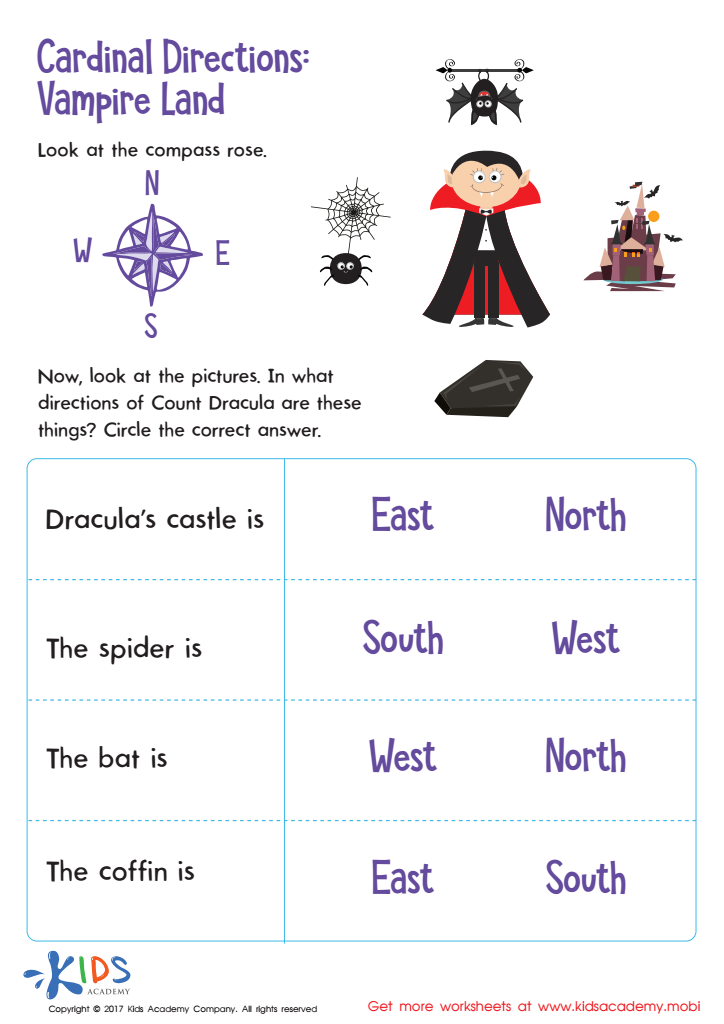
Cardinal Directions Printable
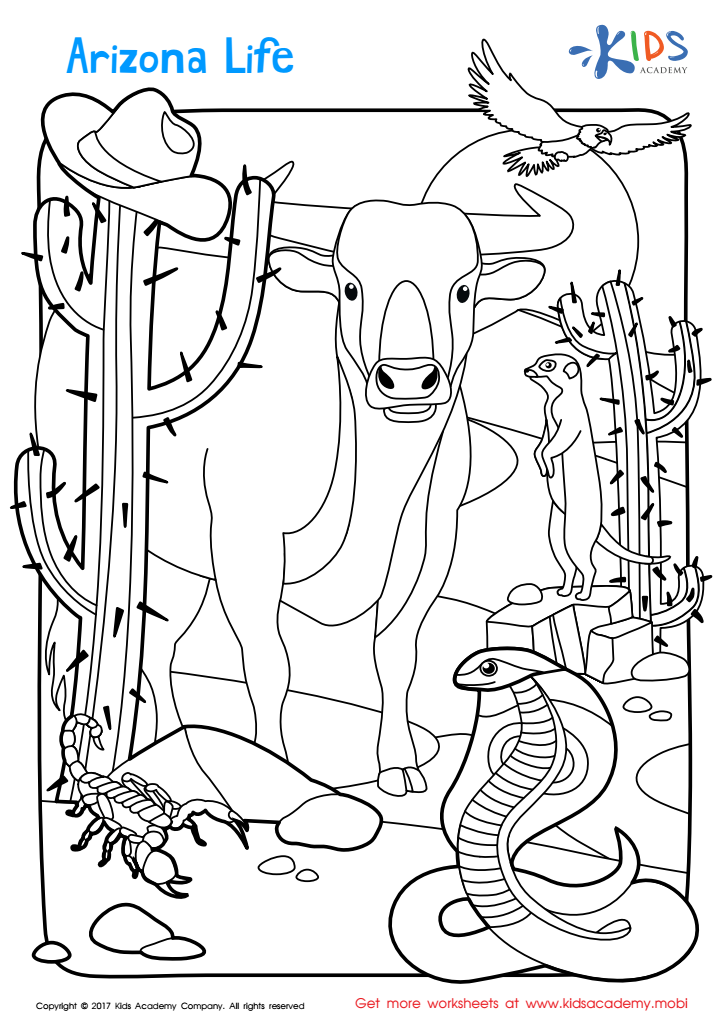
Arizona Coloring Page Worksheet
Assign to My Students
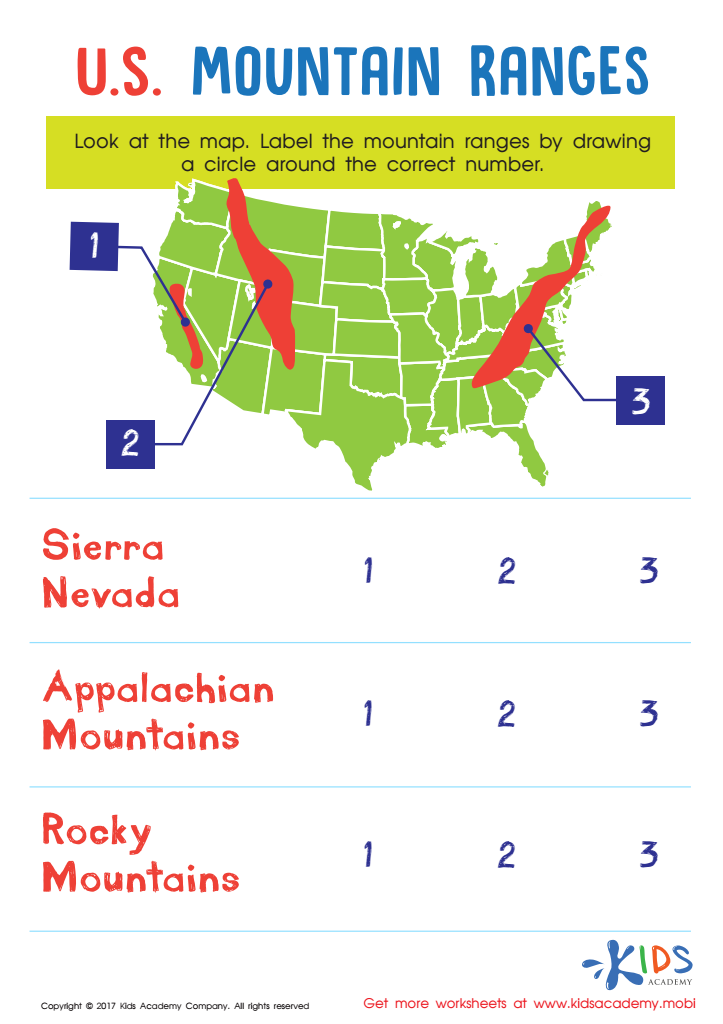
US Mountain Ranges Worksheet
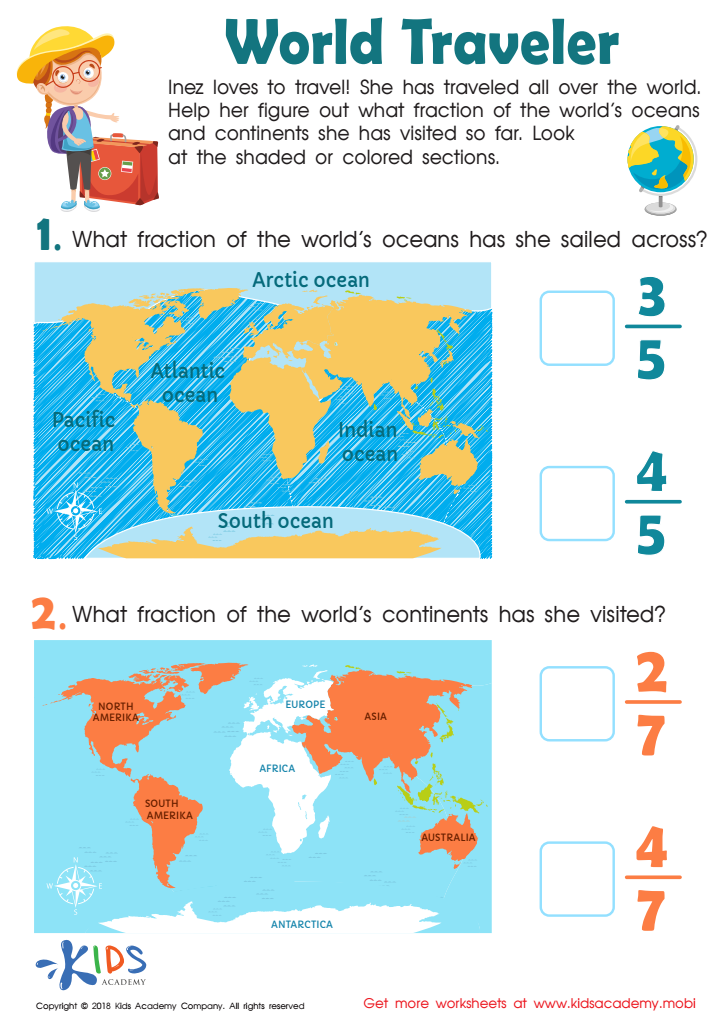
World Traveler Worksheet




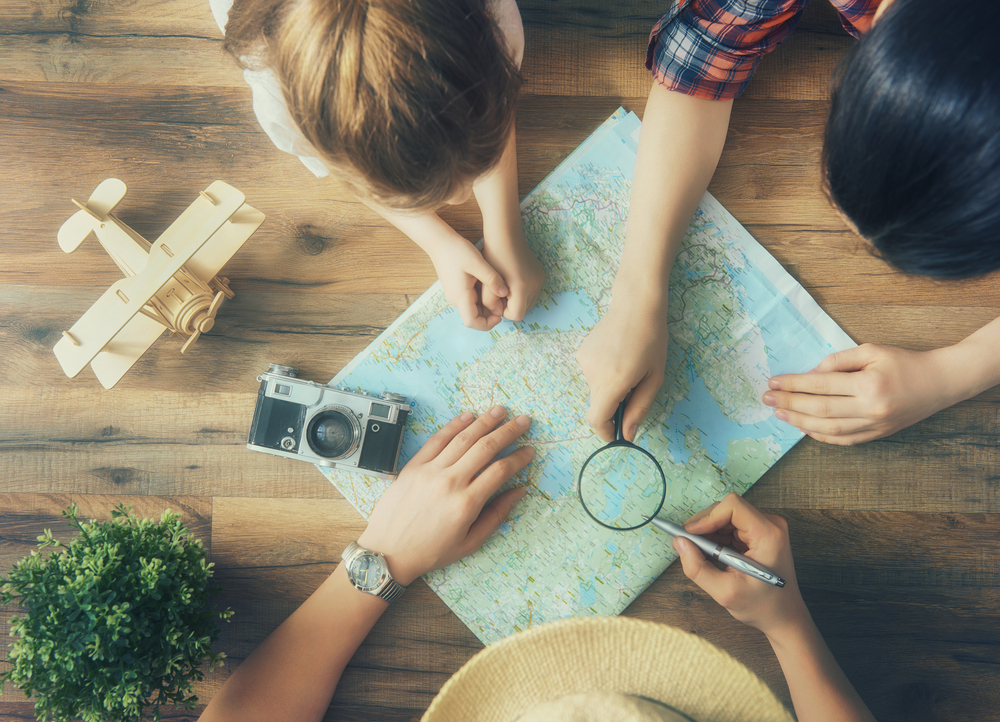


Map reading skills are essential for children aged 7-9 as they significantly impact a child's cognitive and practical development. Firstly, understanding maps enhances spatial reasoning, which is crucial for subjects like math and science. It helps children grasp concepts of distance, direction, and scale, making abstract ideas more tangible.
Secondly, reading maps fosters problem-solving abilities. Children get to practice interpretation, decision-making, and predicting outcomes. These skills are vital not only in academics but also in daily life.
Thirdly, map reading enables cultural and geographical awareness. Children gain a clearer understanding of the world and different cultures, laying the groundwork for empathy and global citizenship. They become more familiar with their own community and can relate better to diverse environments.
Moreover, maps encourage independence and confidence. When children learn to navigate, whether on a paper map or a digital one, they develop a sense of autonomy and self-reliance. This early skill can evolve into advanced navigational competencies later in life.
Finally, integrating map reading in education makes learning interactive and fun. Incorporating maps in lessons, games, or field trips engages students better, making the learning process enjoyable and memorable.
In summary, prioritizing map reading skills at this age equips children with critical life competencies, enriches their academic performance, and nurtures their understanding of the world.








