Mental math improvement Worksheets for Ages 7-9
7 filtered results
-
From - To
Boost your child’s math skills with our engaging Mental Math Improvement Worksheets, designed specifically for ages 7-9. These interactive resources aim to reinforce critical arithmetic concepts, enhance number sense, and build confidence in problem-solving. Through fun and varied exercises, children will practice addition, subtraction, multiplication, and division in a way that keeps them motivated and eager to learn. Each worksheet is crafted to cater to different learning styles, ensuring that every child can grasp and excel in their mental math abilities. Download our worksheets today to support your young mathematician’s journey toward math mastery and success!
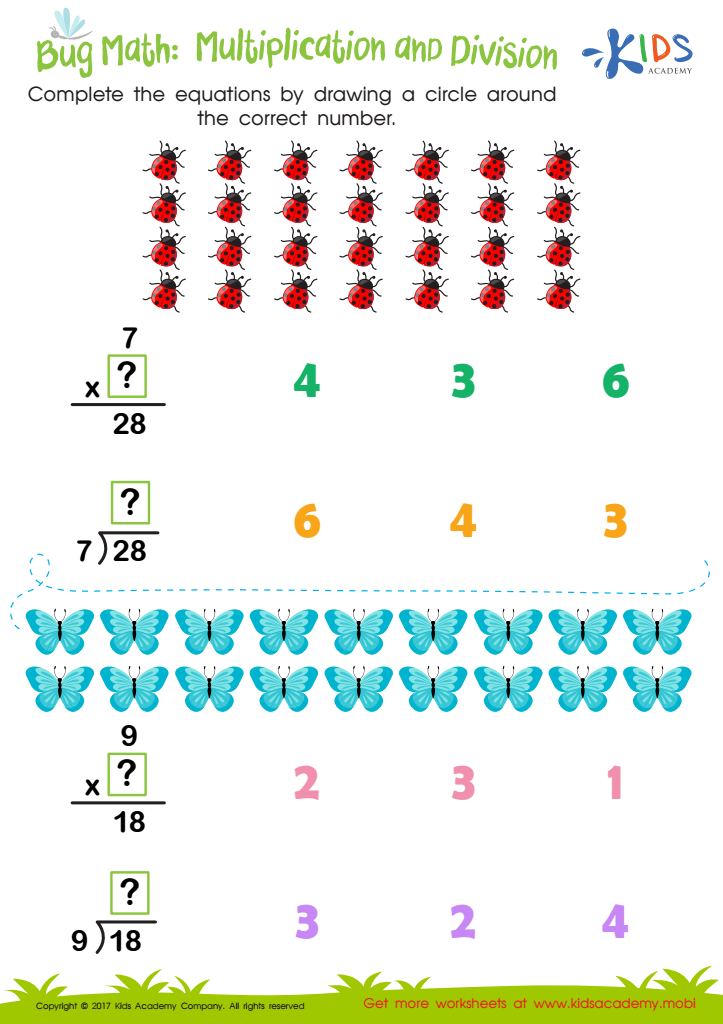
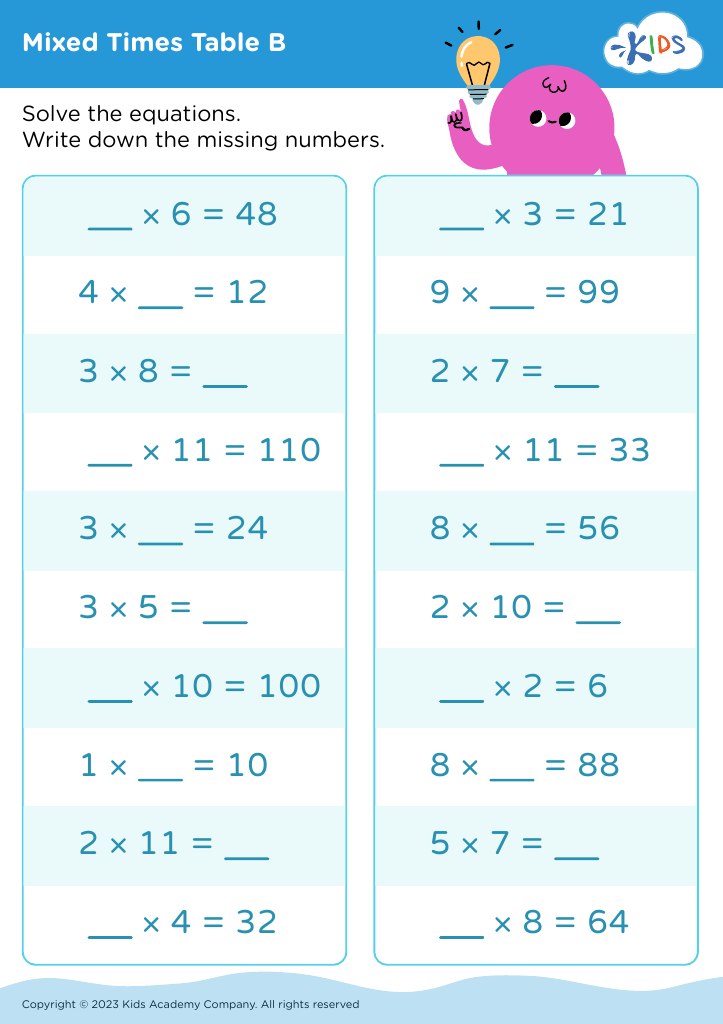
Multiplication and Division Worksheet
 Assign to My Students
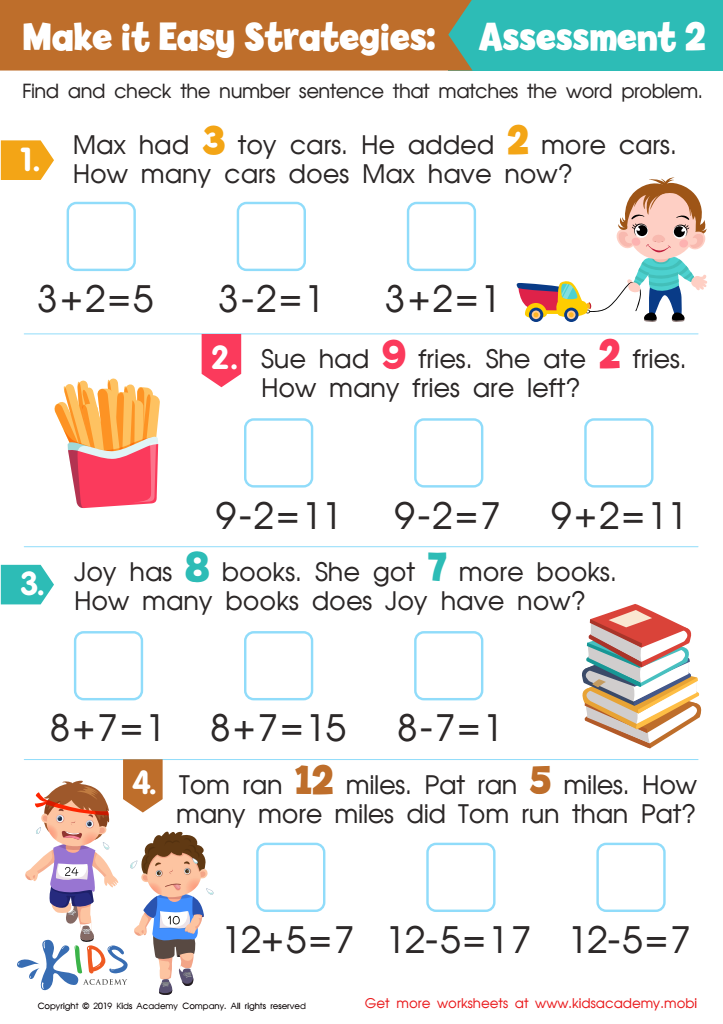
Make it Easy Strategies: Assessment 2 Worksheet
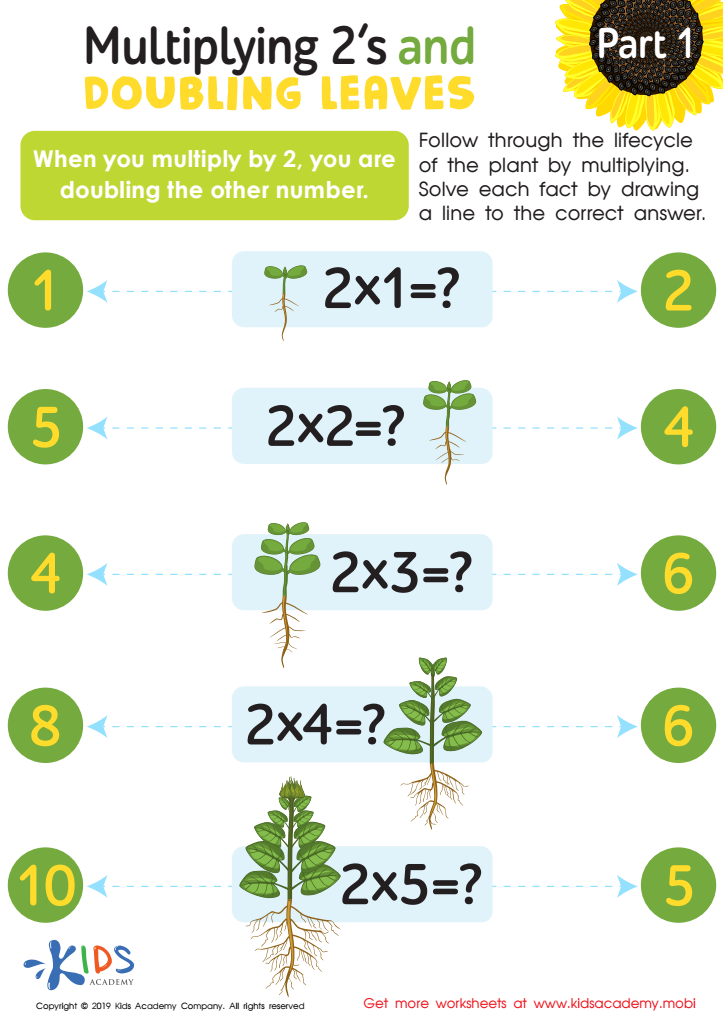
Multiplying 2’s and Doubling Leaves Part 1 Worksheet
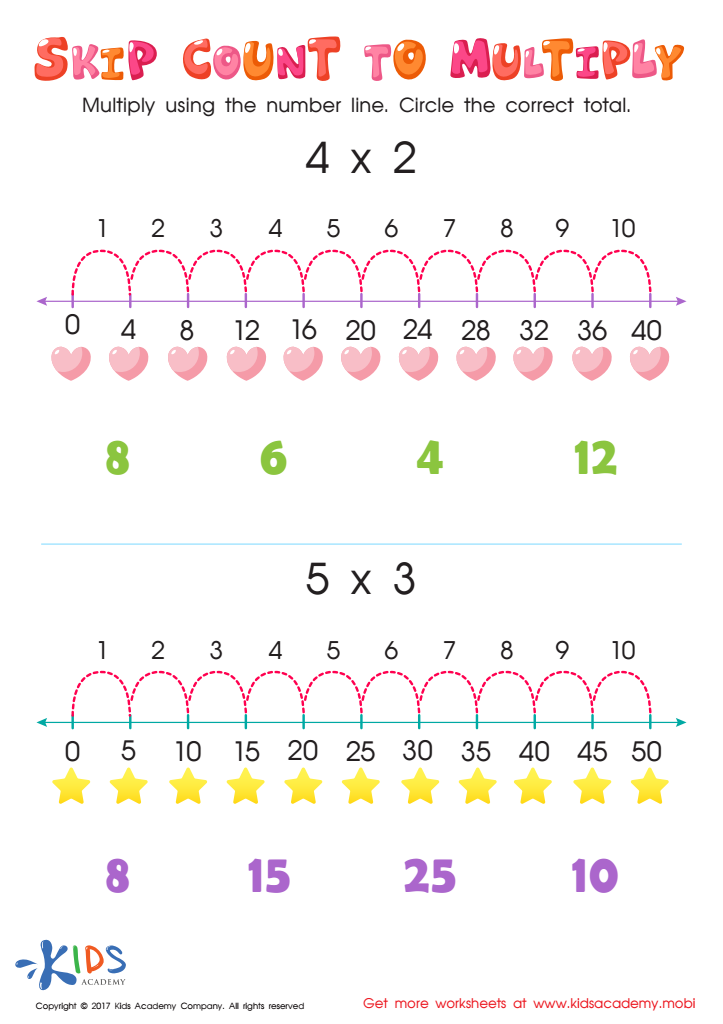
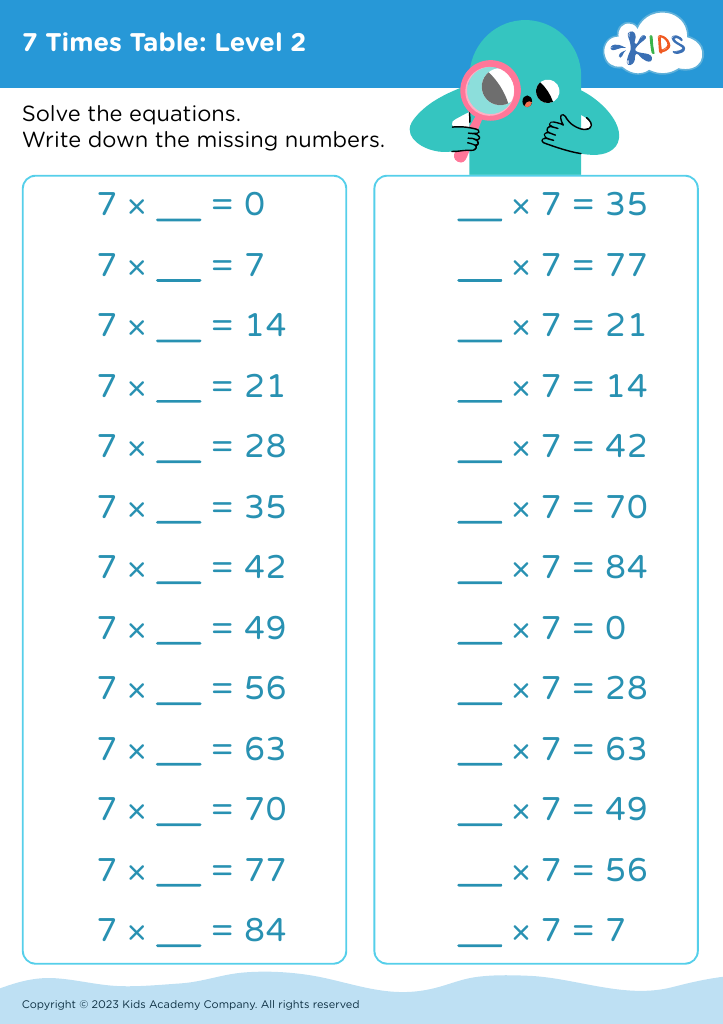
Skip Count Multiplication Worksheet








Mental math skills are crucial for children ages 7-9 as they form the foundation for future mathematical understanding and overall academic success. At this age, kids transition from concrete learning with physical objects to more abstract thinking. Improving mental math enhances their confidence and encourages a positive attitude toward mathematics, setting the stage for continued interest and achievement in the subject.
Parents and teachers should care about mental math because these skills promote critical thinking and problem-solving abilities. Children who excel in mental math are better equipped to tackle complex word problems, make logical deductions, and understand mathematical relationships. Furthermore, mental math enhances everyday life skills, such as budgeting and estimation, allowing children to navigate real-world situations effectively.
Additionally, enhancing mental math can benefit social skills, as it provides opportunities for cooperative learning, teamwork, and engaging classroom activities. Educators can foster collaborative environments where students learn from one another, making math enjoyable and relatable.
Supporting children's mental math development ultimately helps cultivate a culture of perseverance, resilience, and a growth mindset. By prioritizing these skills, parents and teachers play a pivotal role in shaping well-rounded, mathematically literate individuals poised for future success in academics and beyond.








