Understanding chess rules Worksheets for Ages 7-9
7 filtered results
-
From - To
Explore our engaging "Understanding Chess Rules Worksheets" designed for children aged 7-9! These printable resources make learning chess exciting and accessible, introducing young players to essential chess rules. Through fun activities and clear explanations, kids will grasp the basics of the game, including how each piece moves, special rules like castling, and the concept of check and checkmate. Perfect for classroom use or at home, these worksheets promote critical thinking and strategic skills while making the learning process enjoyable. Help your young learners become confident chess players with our easy-to-follow materials today!
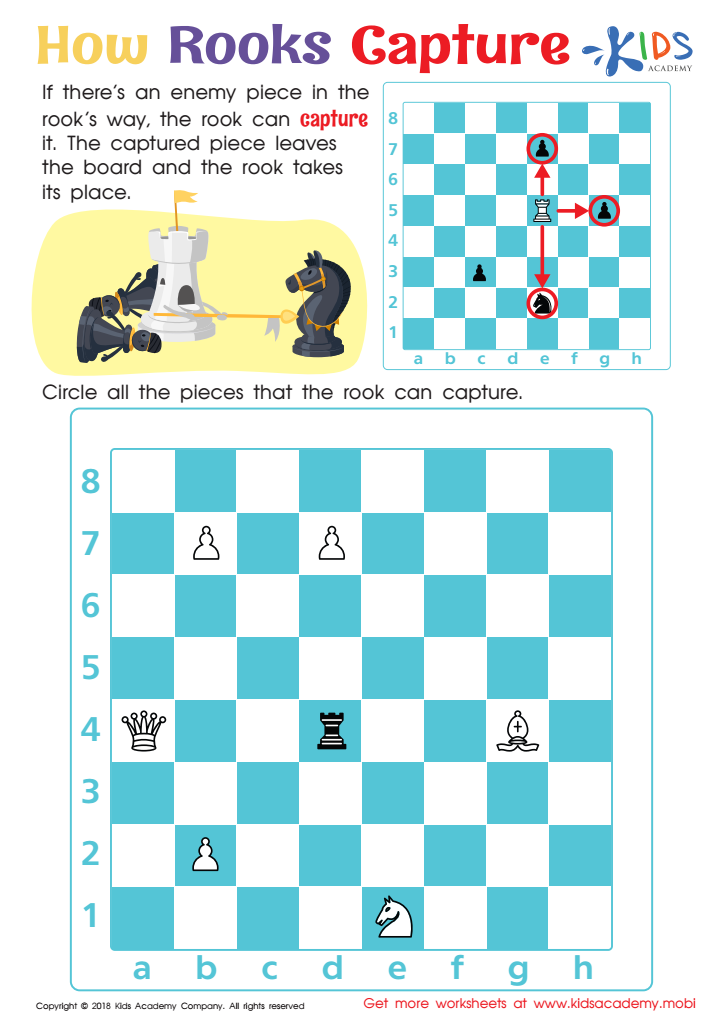
How Rooks Capture Worksheet
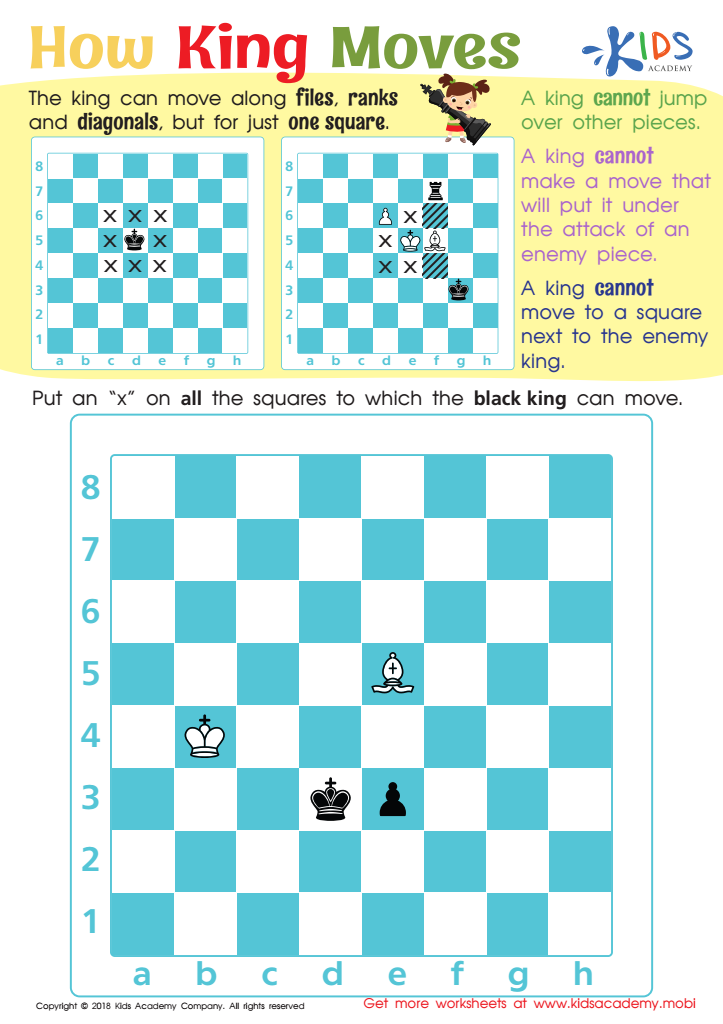
How King Moves Worksheet
 Assign to My Students
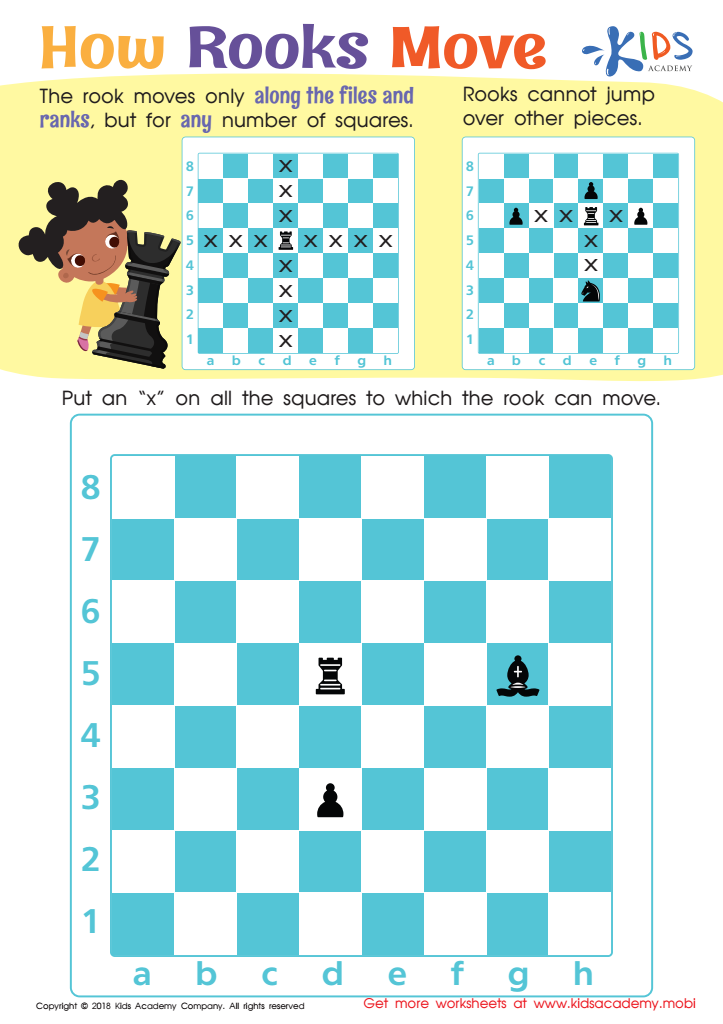
How Rooks Move Worksheet
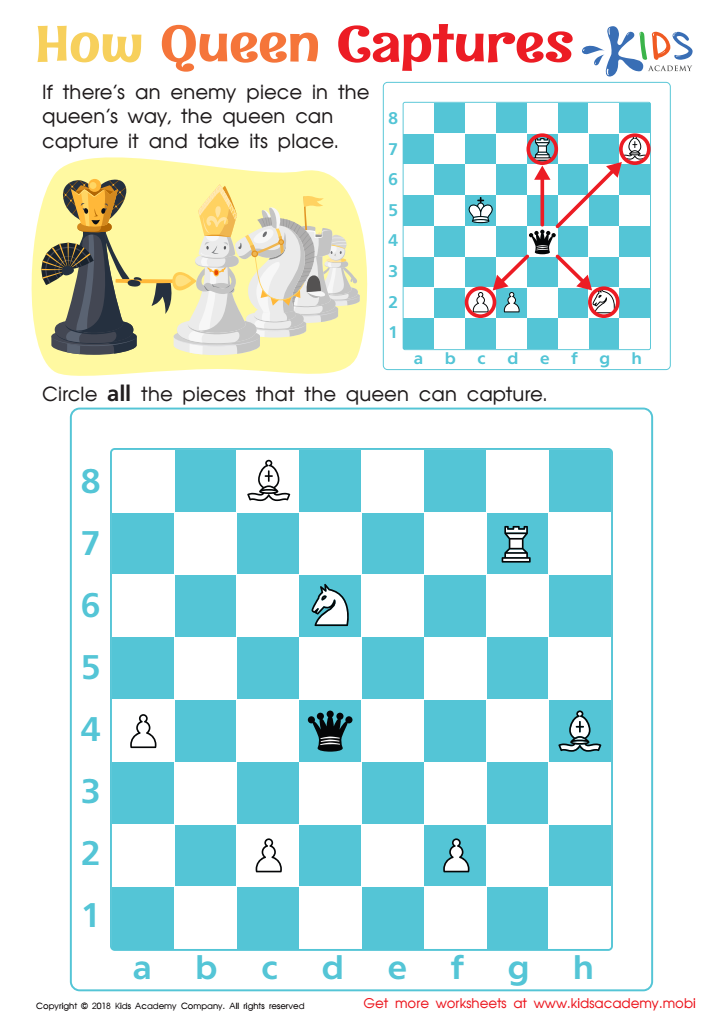
How Queen Captures Worksheet
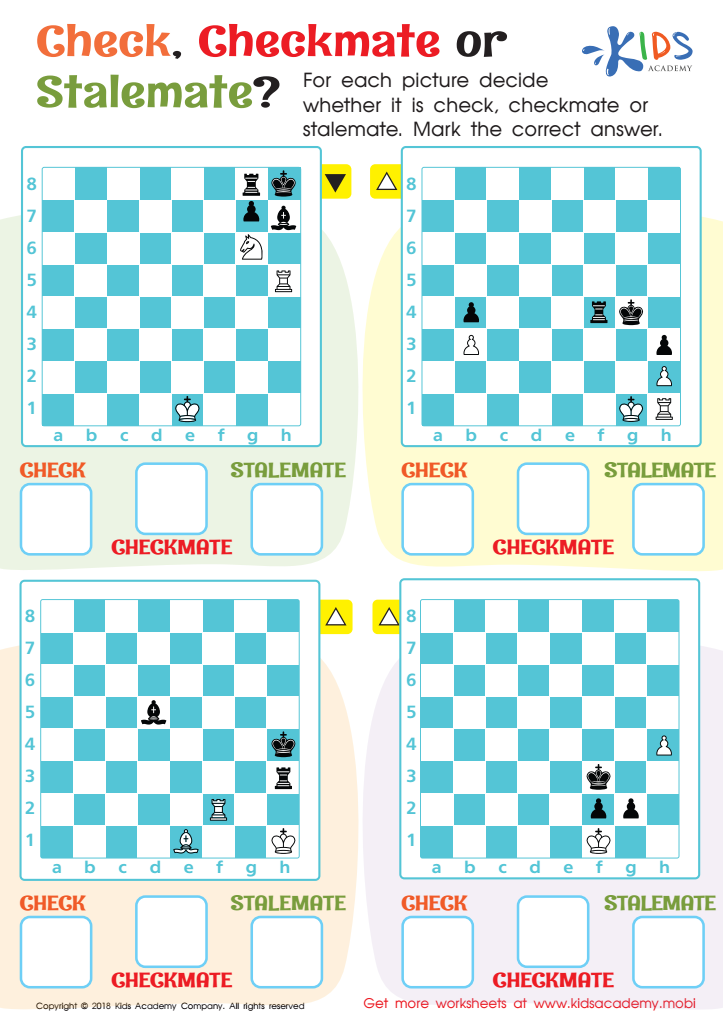
Check. Checkmate or Stalemate? Worksheet
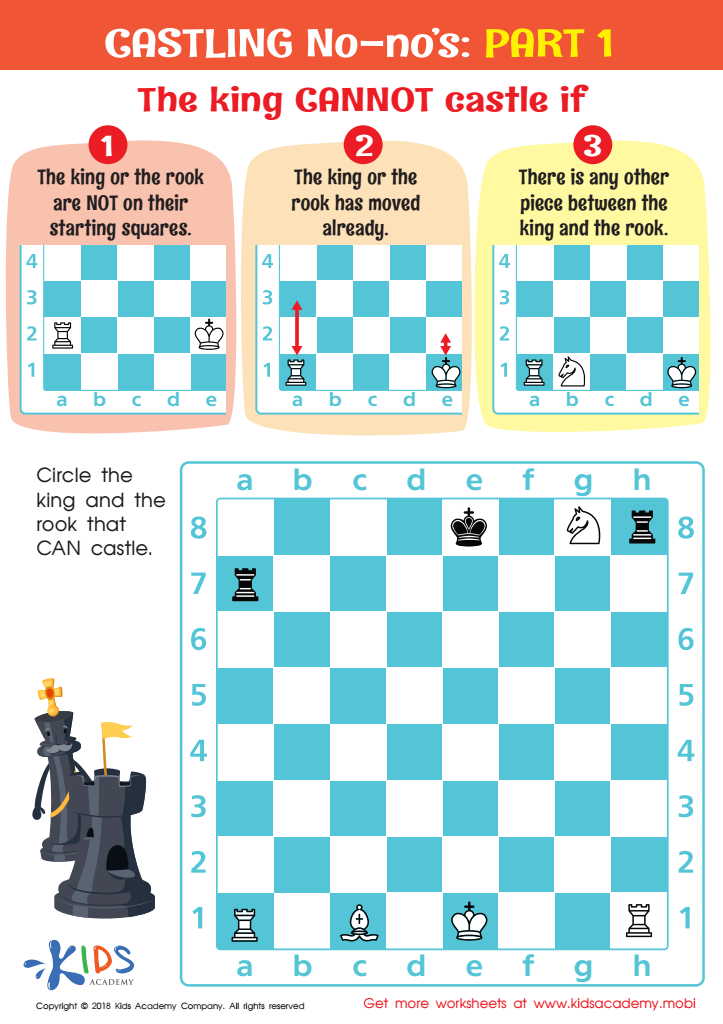
Castling No–no's: Part 1 Worksheet
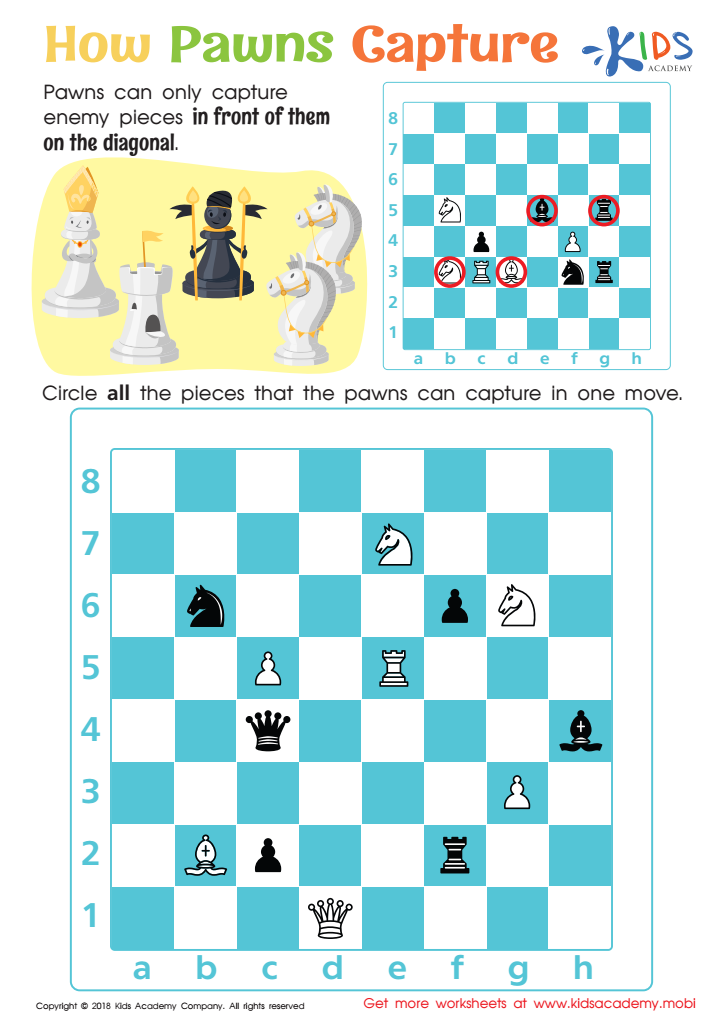
How Pawns Capture Worksheet


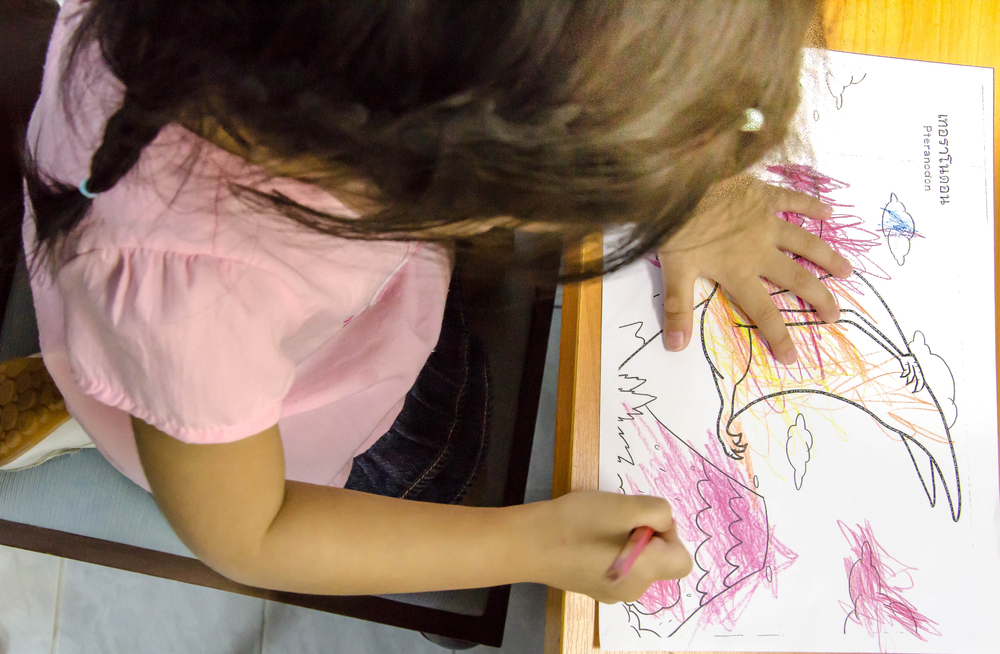



Understanding chess rules is crucial for children aged 7-9 because it nurtures essential cognitive and social skills. Chess enhances critical thinking, problem-solving, and strategic planning, all of which are foundational for academic success. Learning how to navigate the board and execute moves teaches children to think ahead and consider consequences, skills applicable in many life situations.
Moreover, chess fosters patience and concentration. In a fast-paced world, the ability to focus on a single task over an extended period is increasingly valuable. Participating in chess also encourages sportsmanship, as children learn to accept wins gracefully and handle losses with dignity, promoting emotional resilience.
For parents and teachers, incorporating chess lessons into education offers an engaging way to teach these skills while also enhancing creativity and boosting memory. It provides an opportunity for interactive bonding between parents and children, enhancing their relationship through cooperative learning experiences.
Ultimately, promoting chess among young children can lead to lifelong benefits, equipping them with tools that extend beyond the chessboard, fostering both academic excellence and personal growth. Therefore, understanding chess rules is not just about the game; it’s about preparing children for a more strategic and informed way of thinking.








