Vocabulary Building Worksheets for Ages 7-9
58 filtered results
-
From - To
Explore our Vocabulary Building Worksheets designed specifically for children aged 7-9! These engaging and interactive worksheets help reinforce essential language skills while making learning fun. Each worksheet features a variety of activities, including word searches, fill-in-the-blanks, and matching exercises, encouraging creativity and critical thinking. Perfect for enhancing vocabulary, these resources aid in reading comprehension and literacy development. Our worksheets are easy to print and ideal for classroom use or at-home learning. Boost your child’s confidence and communication skills with our fun-filled vocabulary activities that make learning an exciting adventure. Start building a stronger vocabulary today!
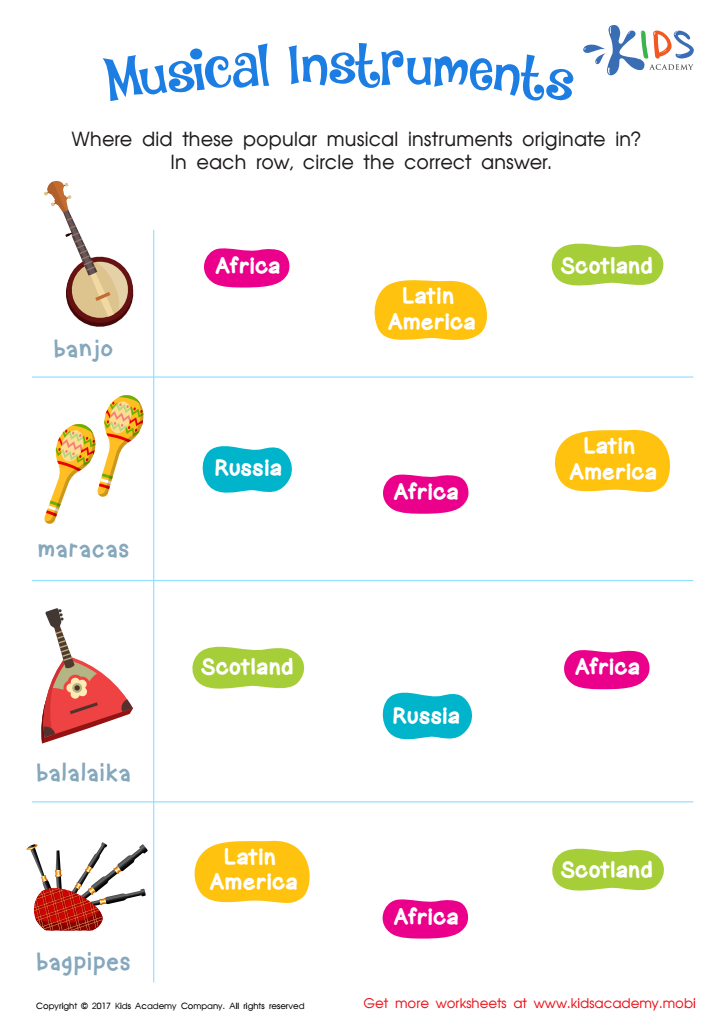
Musical Instruments Printable
 Assign to My Students
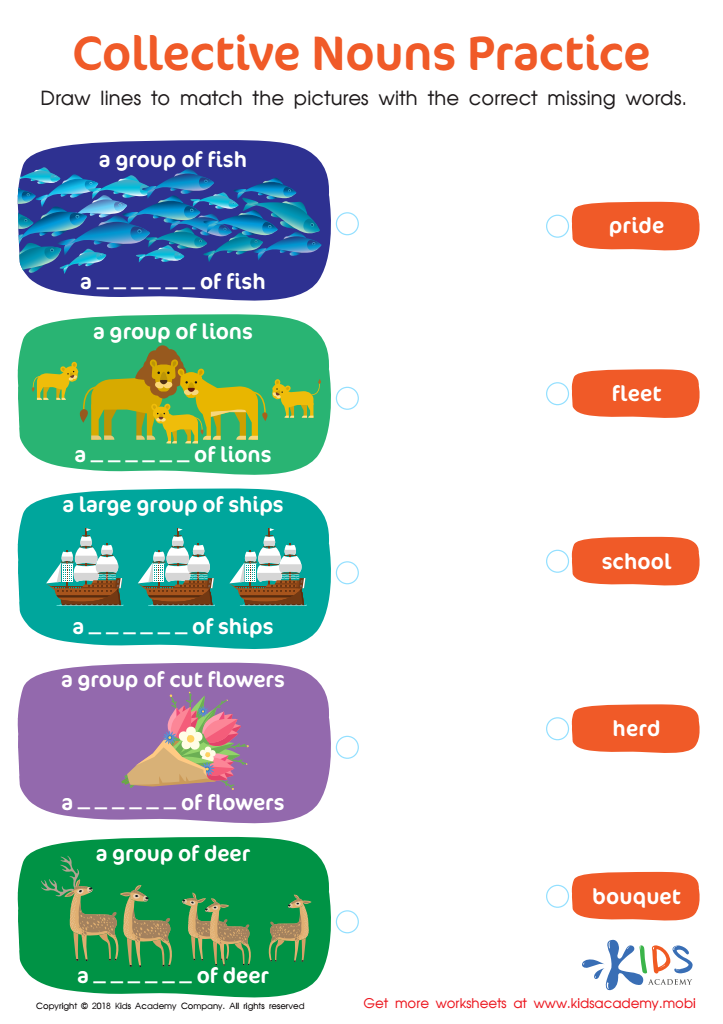
Collective Nouns Practice Worksheet
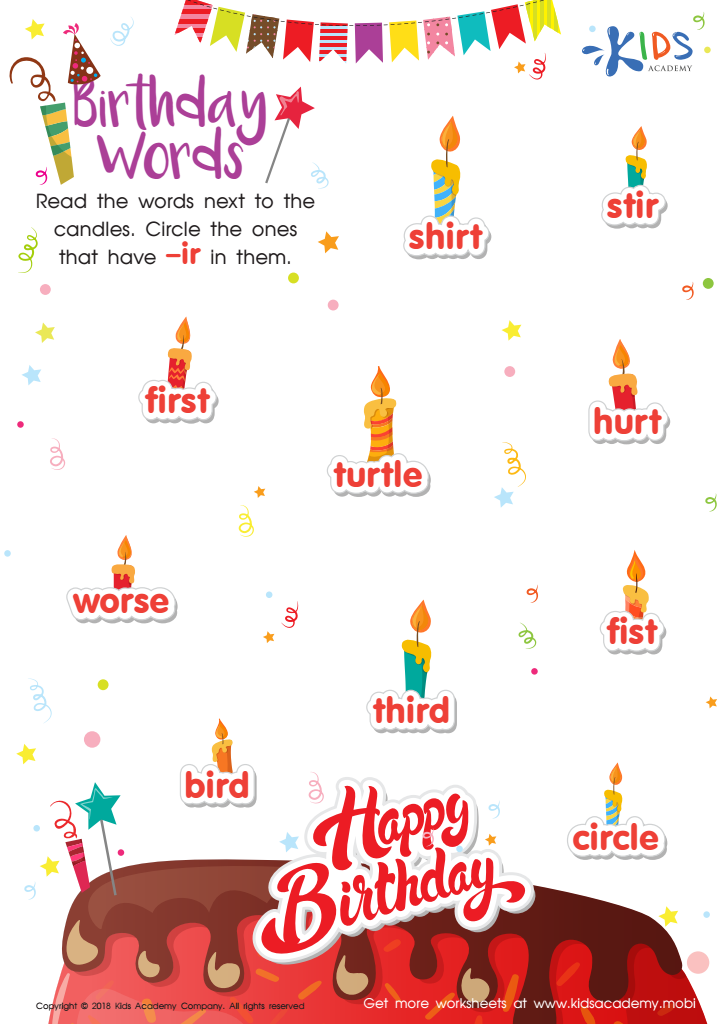
Birthday Words Worksheet
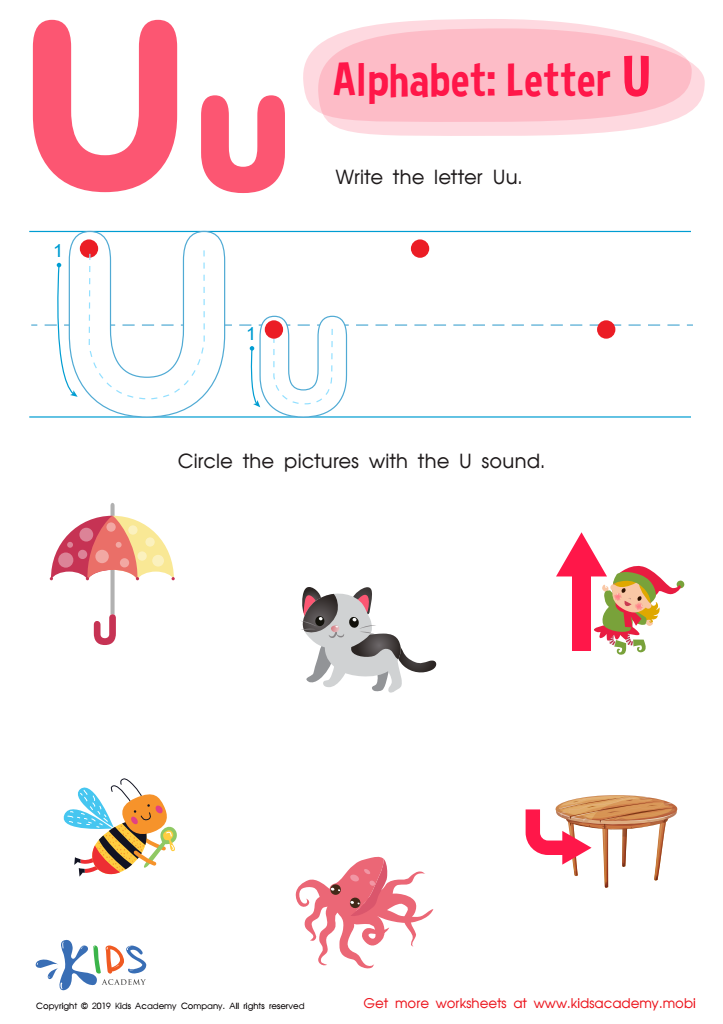
Letter U Tracing Worksheet
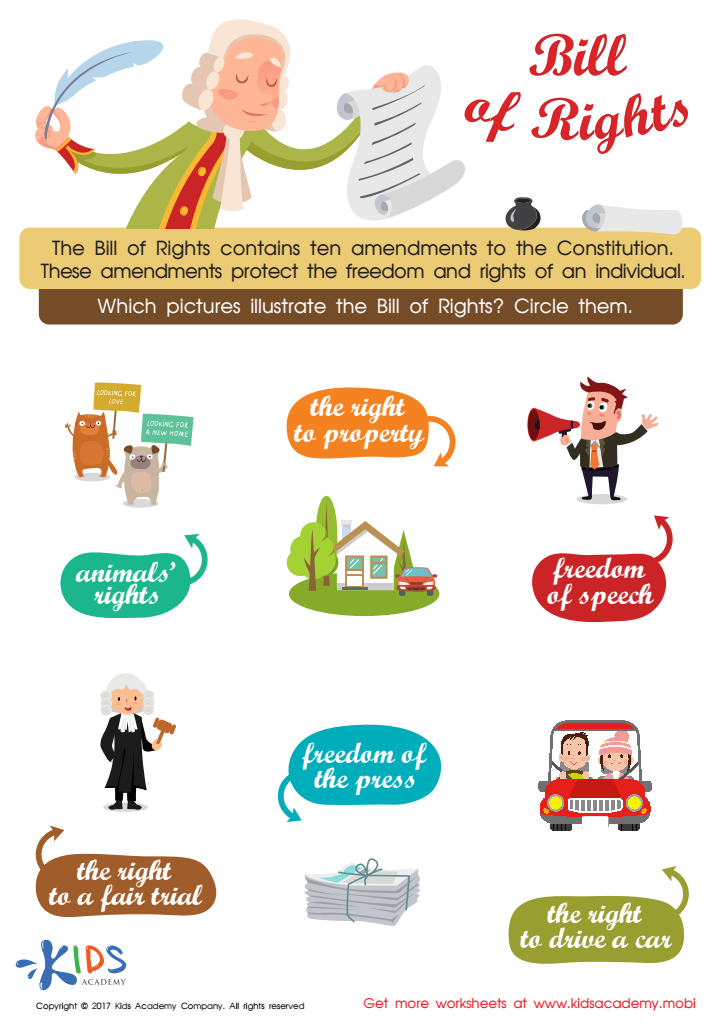
Bill of Rights Worksheet
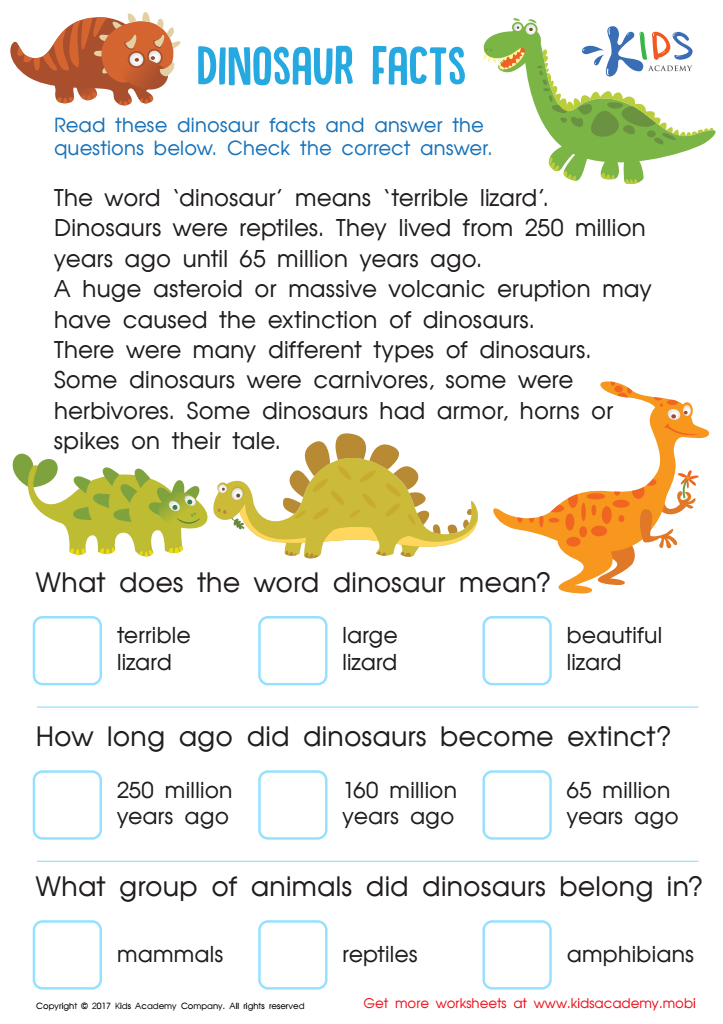
Dinosaur Facts Worksheet
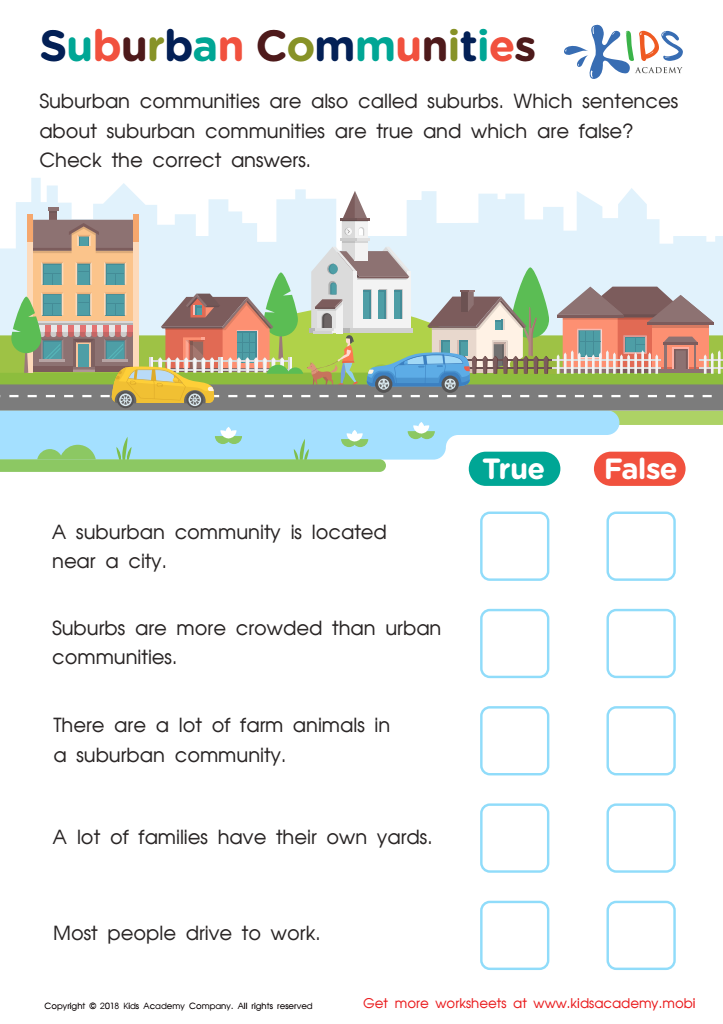
Suburban Communities Worksheet
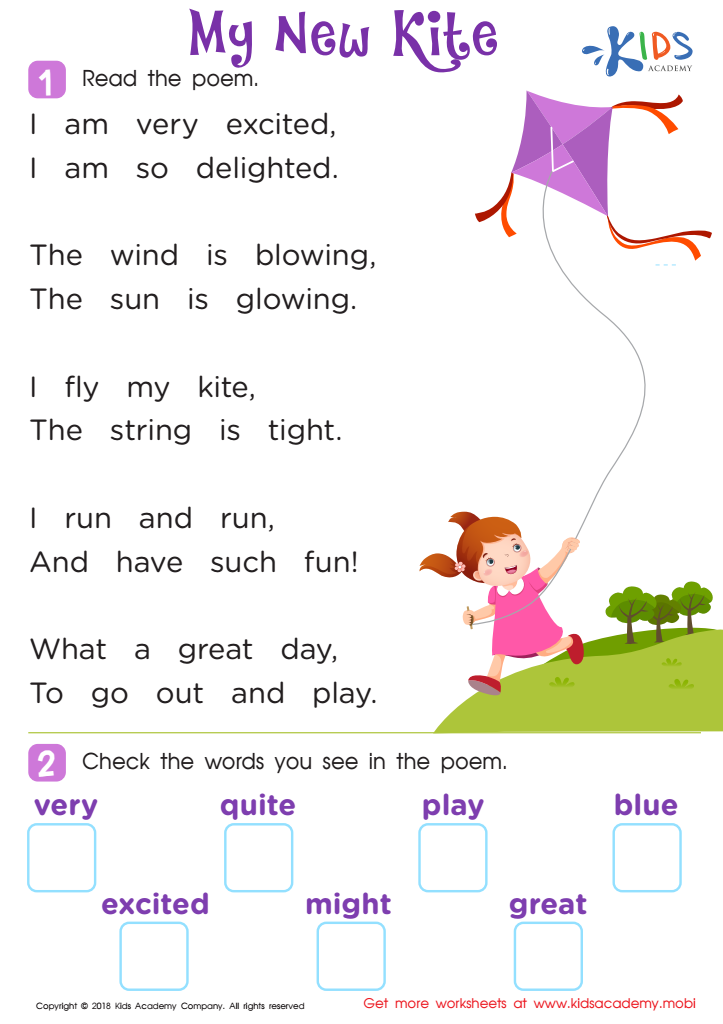
Poem: My New Kite Worksheet
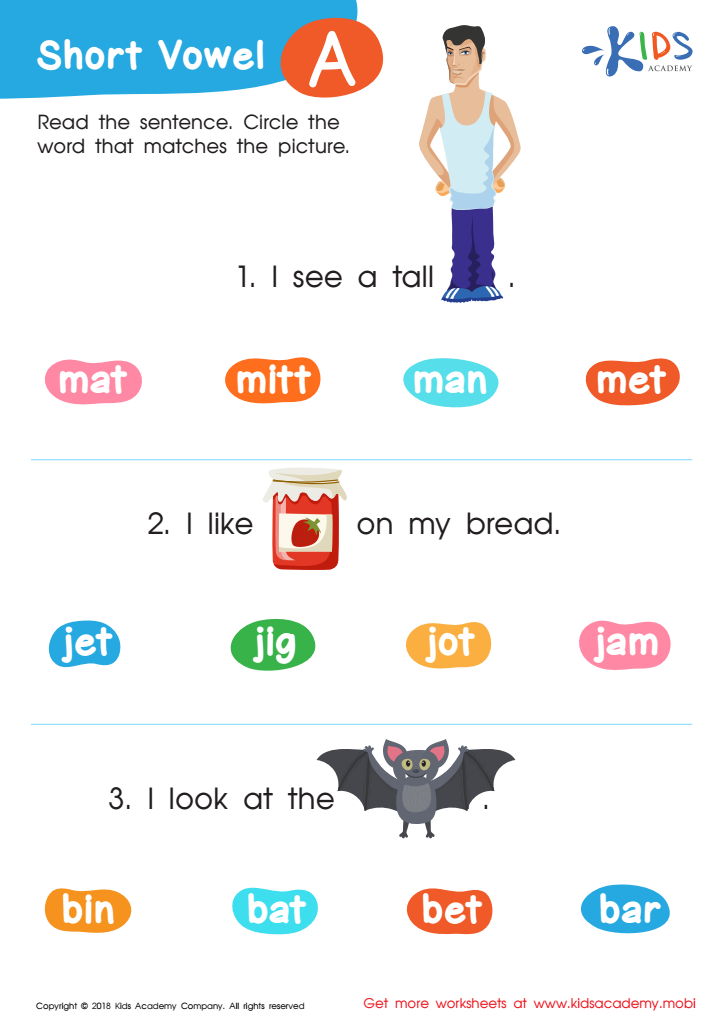
Short Vowel /a/ Worksheet
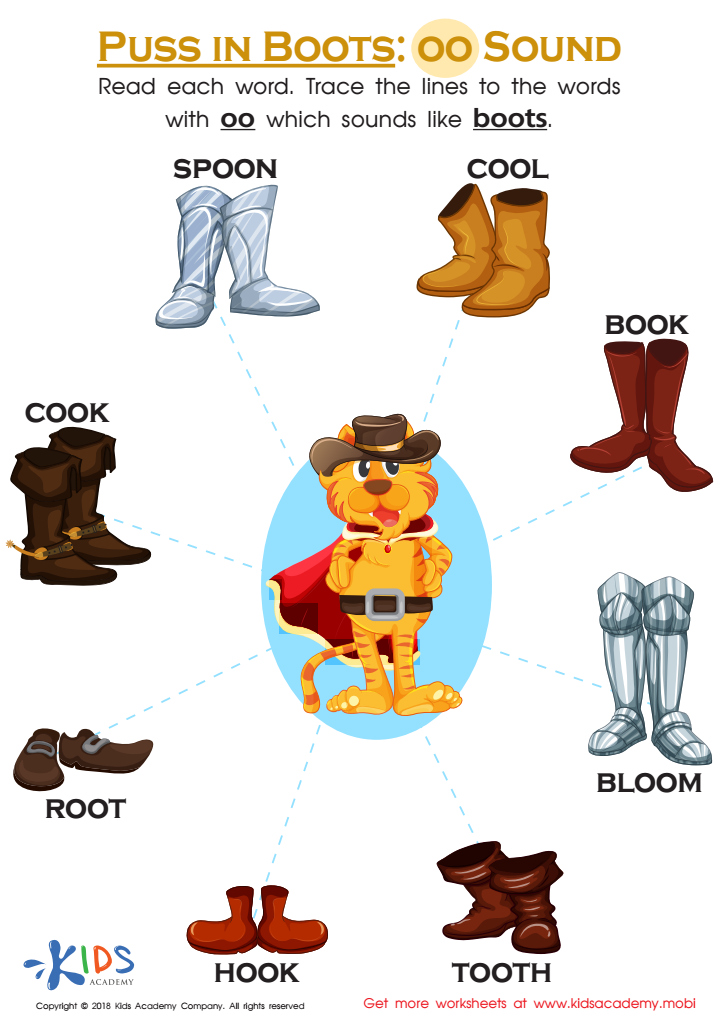
Puss in Boots: OO Sound Worksheet
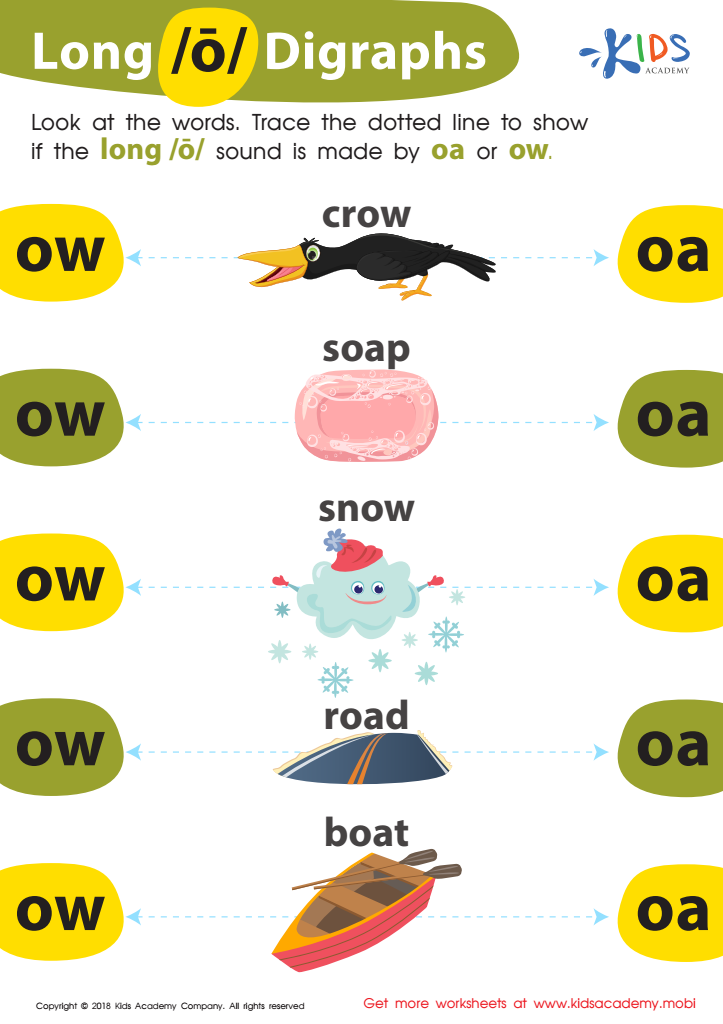
Reading: Long O Digraphs Worksheet
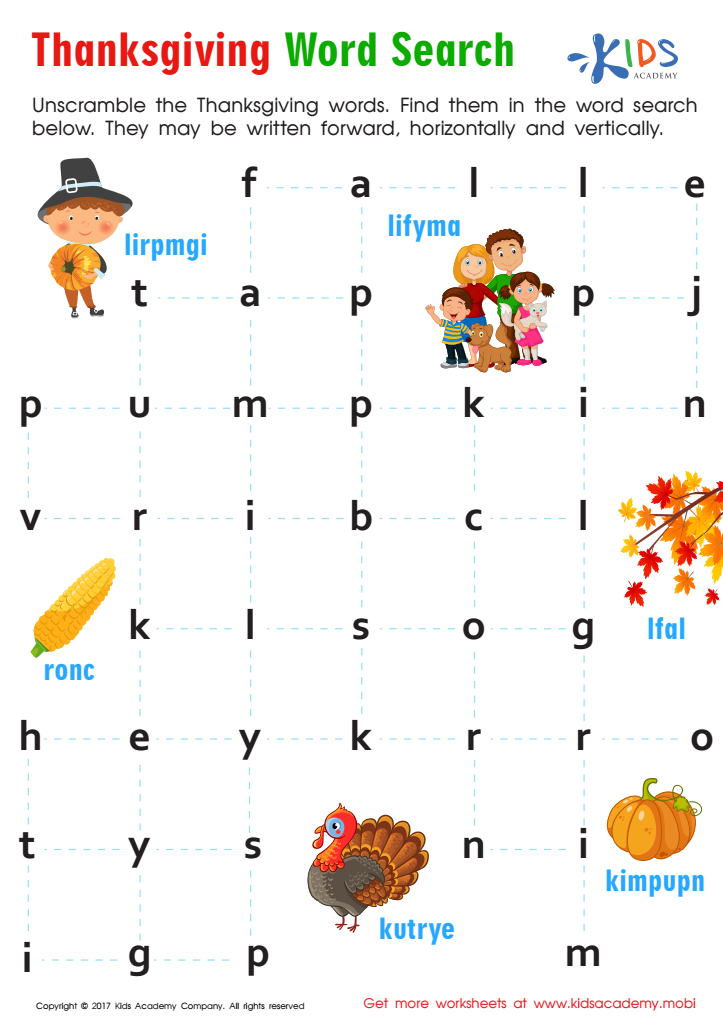
Thanksgiving Word Search Sight Words Worksheet
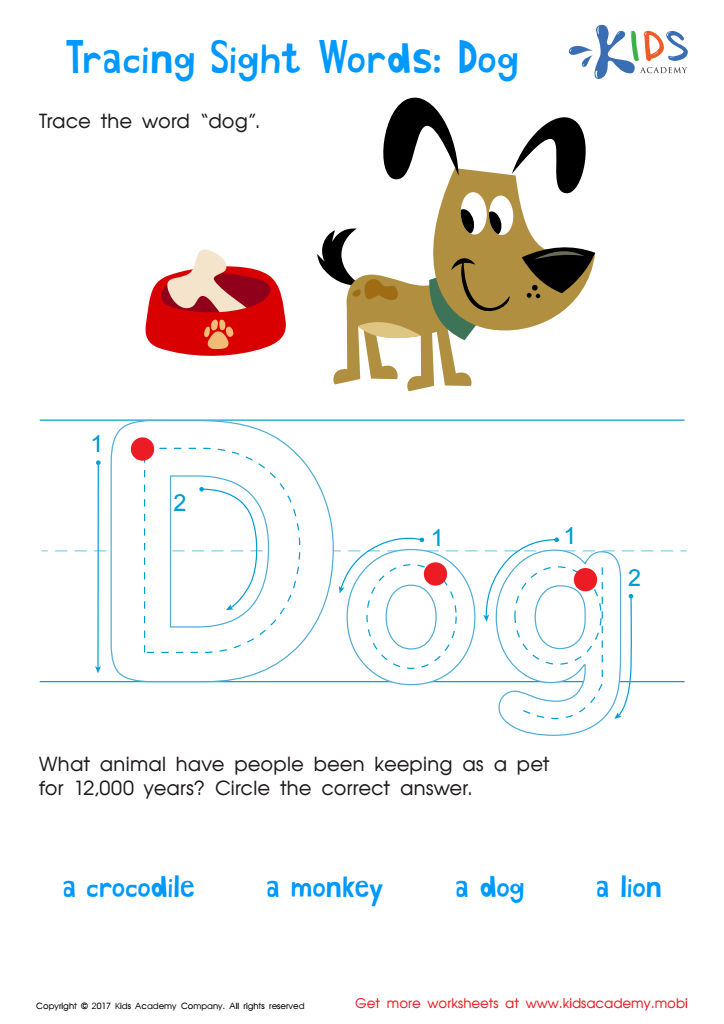
Dog Worksheet Sight Words Worksheet
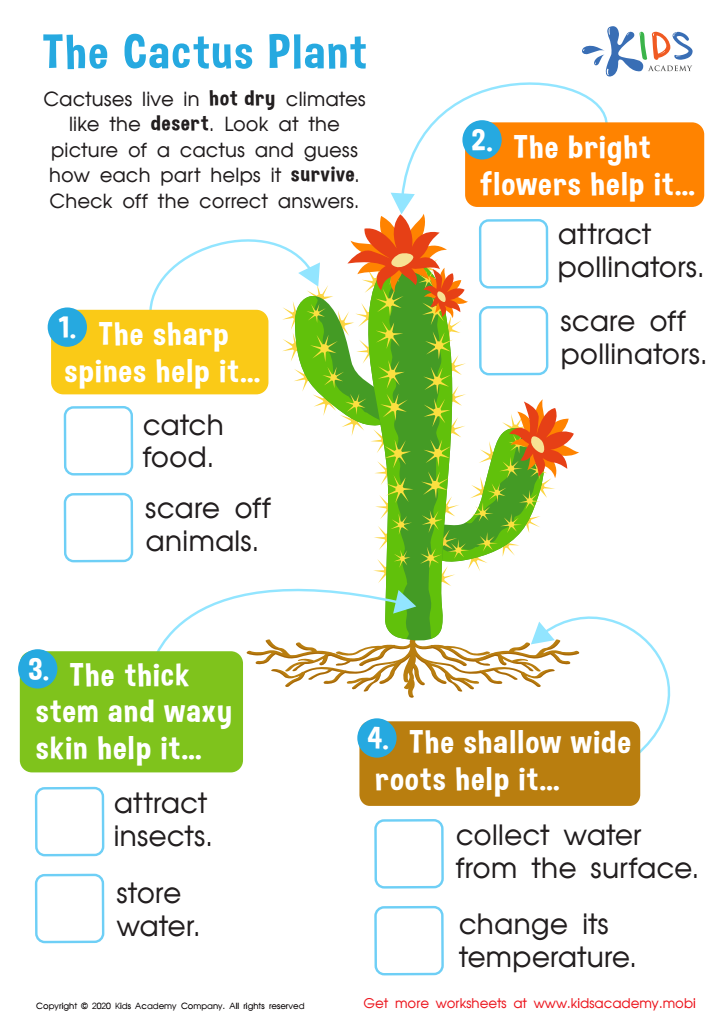
The Cactus Plant Worksheet
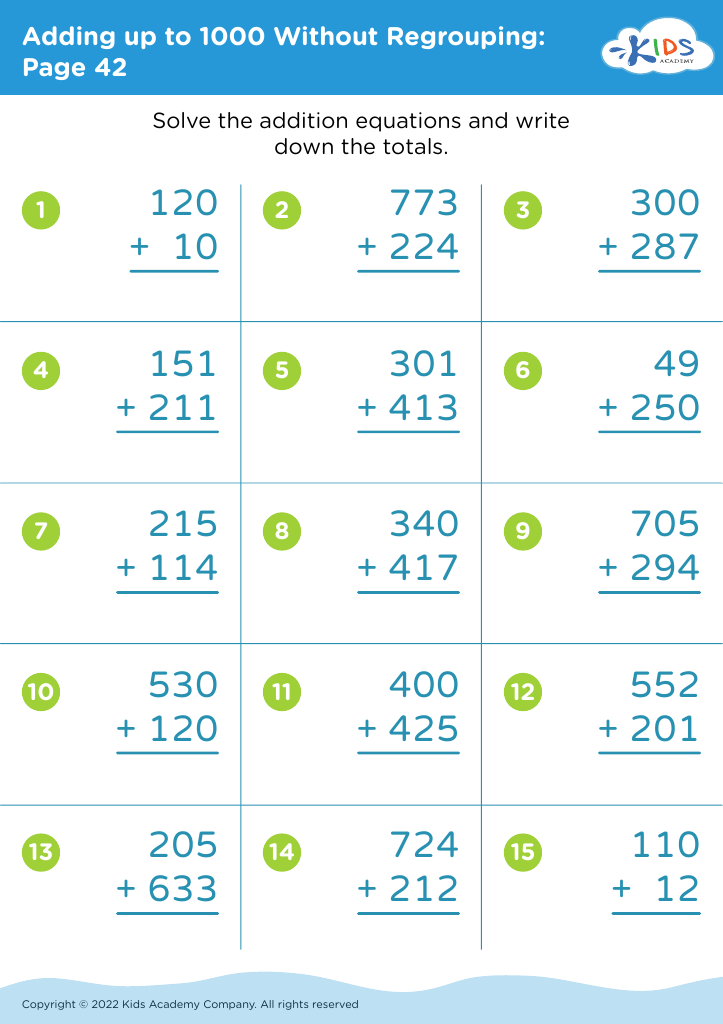
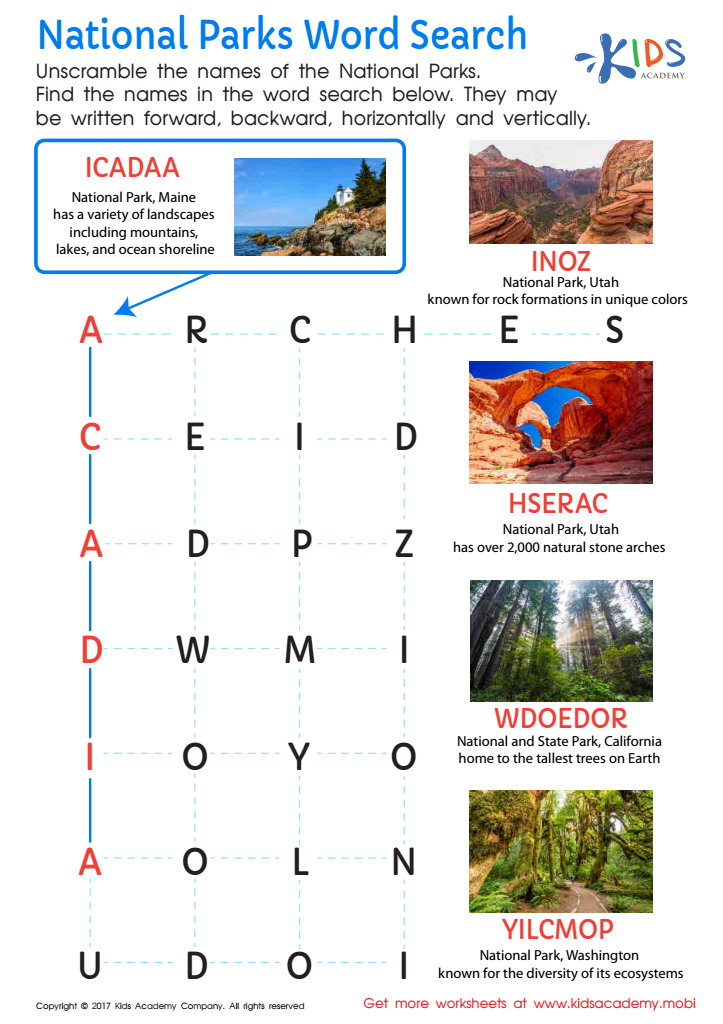
National Parks Word Search Worksheet
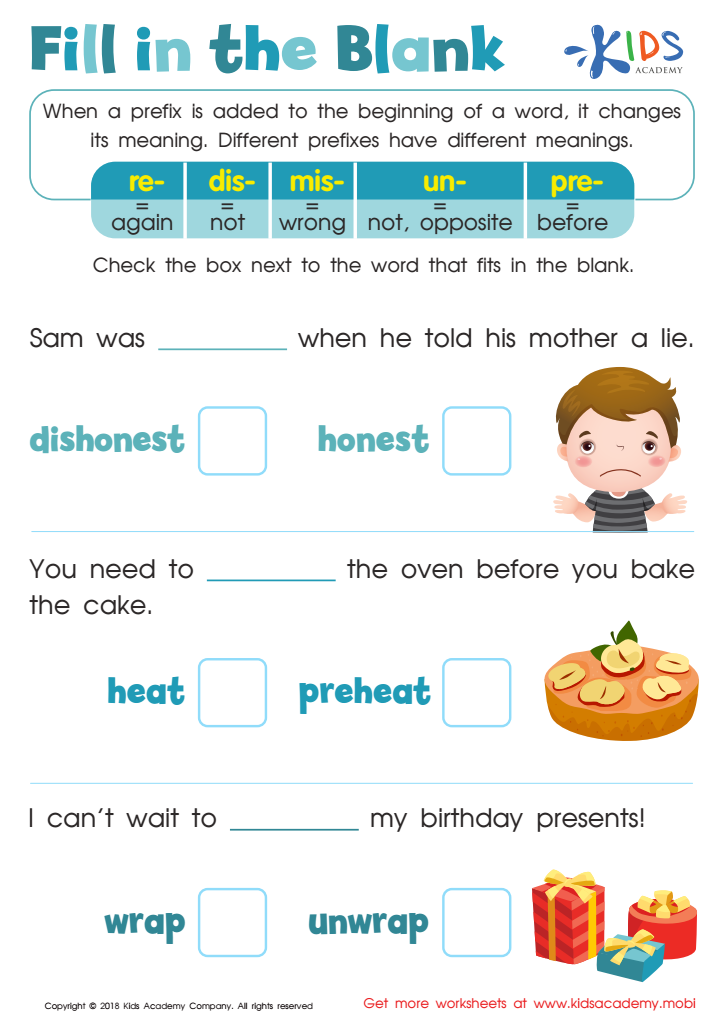
Reading: Fill in the Blank Worksheet
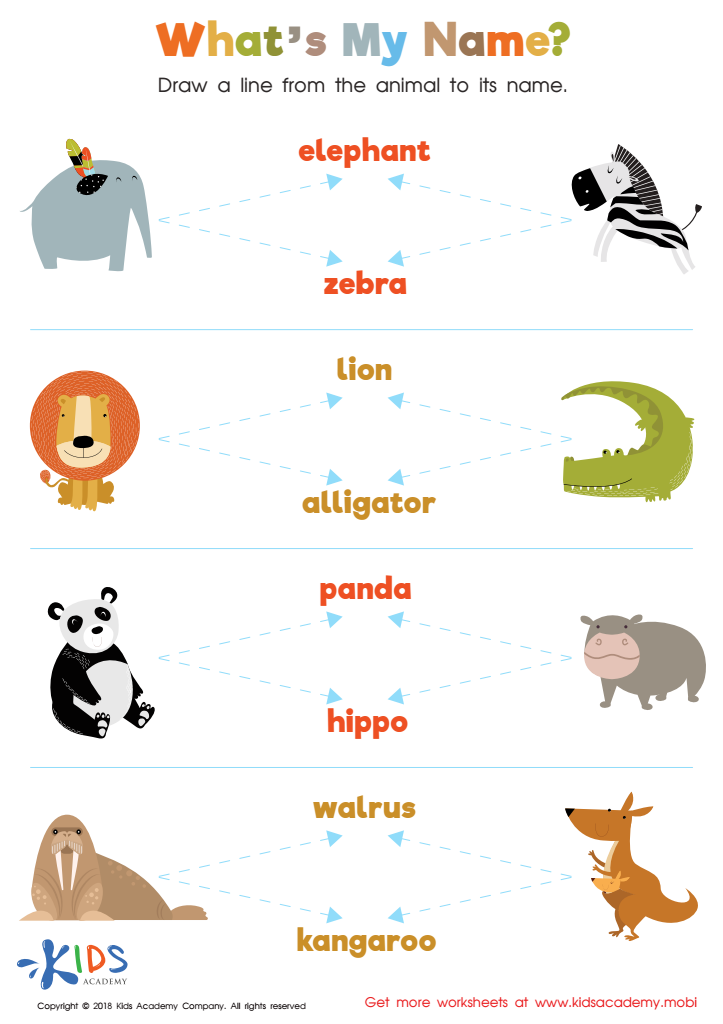
Animals and Their Names Worksheet
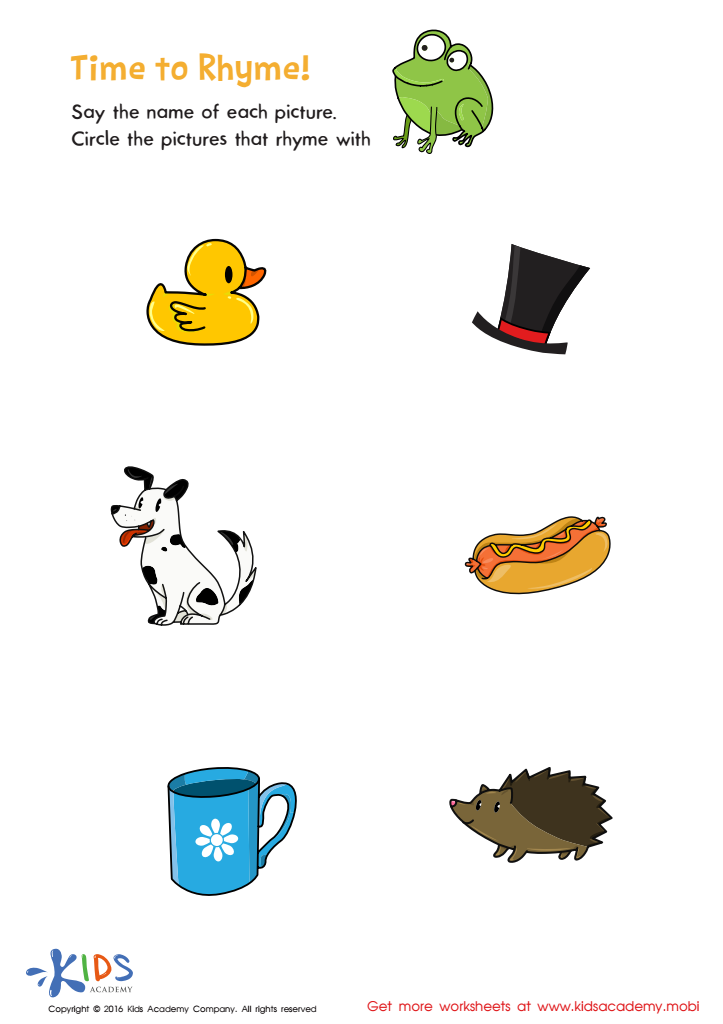
Rhyming Worksheet: Time to Rhyme Rhyming Worksheet
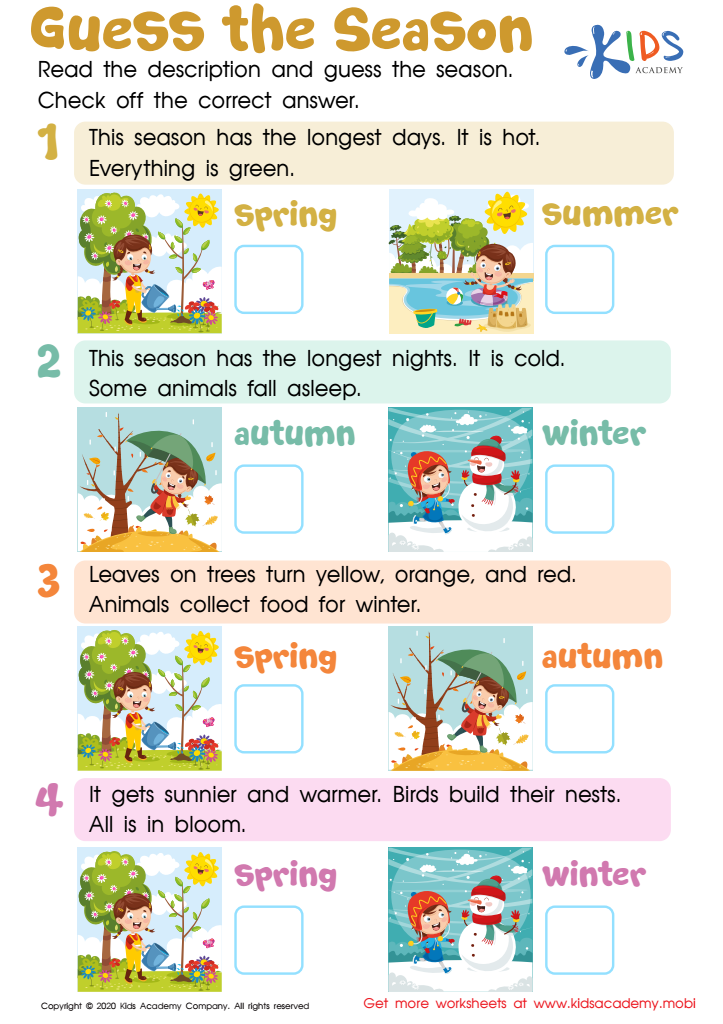
Guess the Season Worksheet
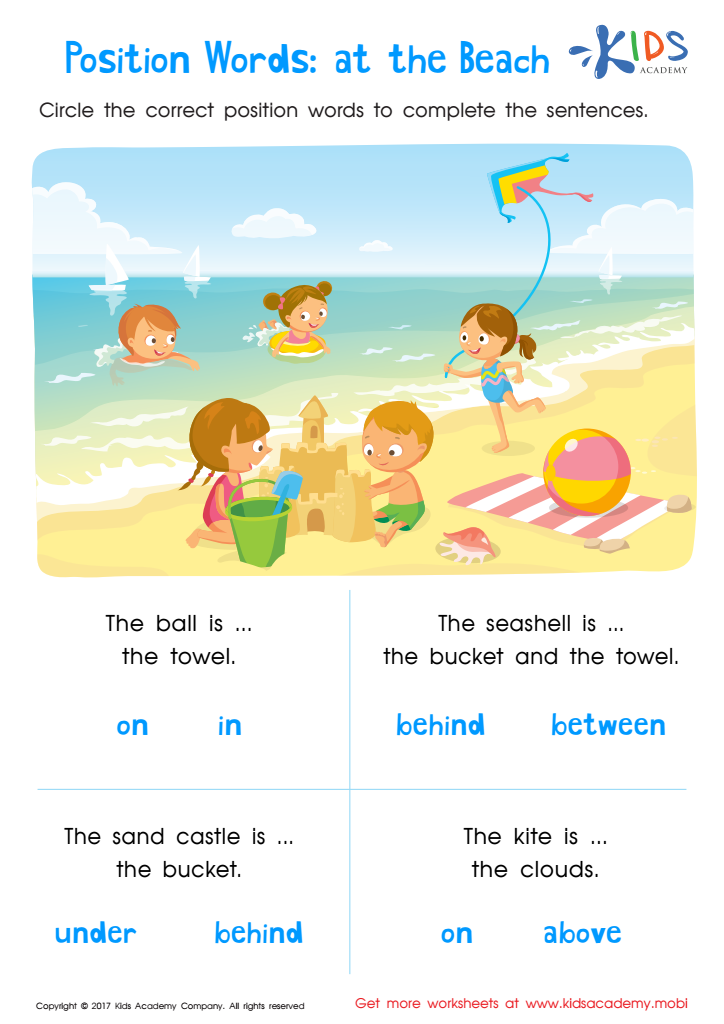
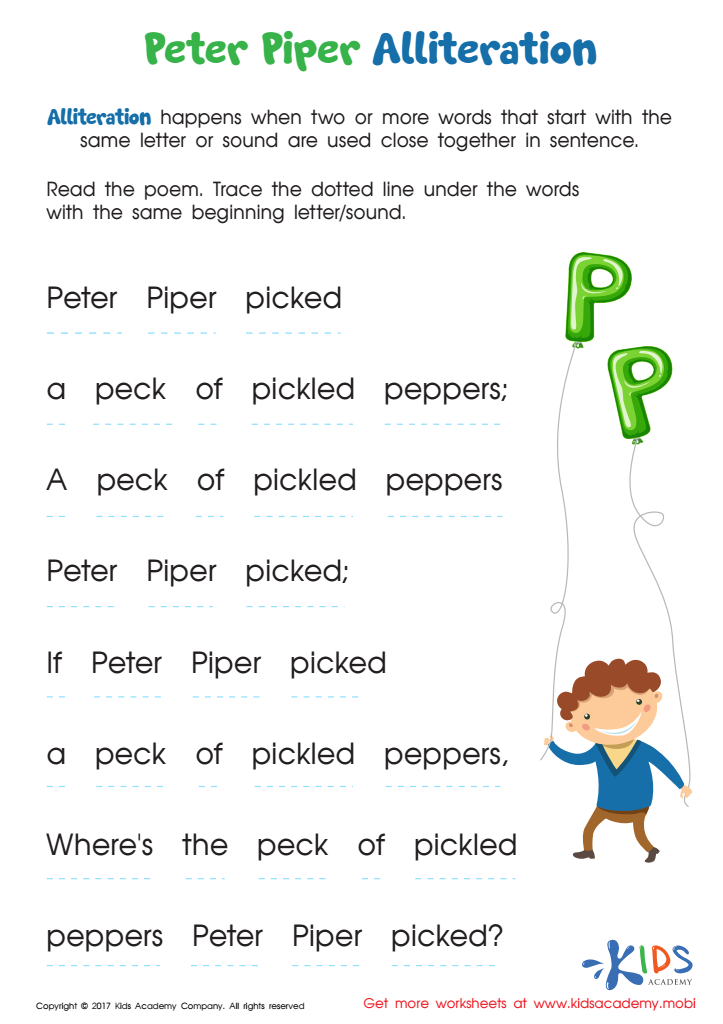
Peter Piper Alliteration Worksheet
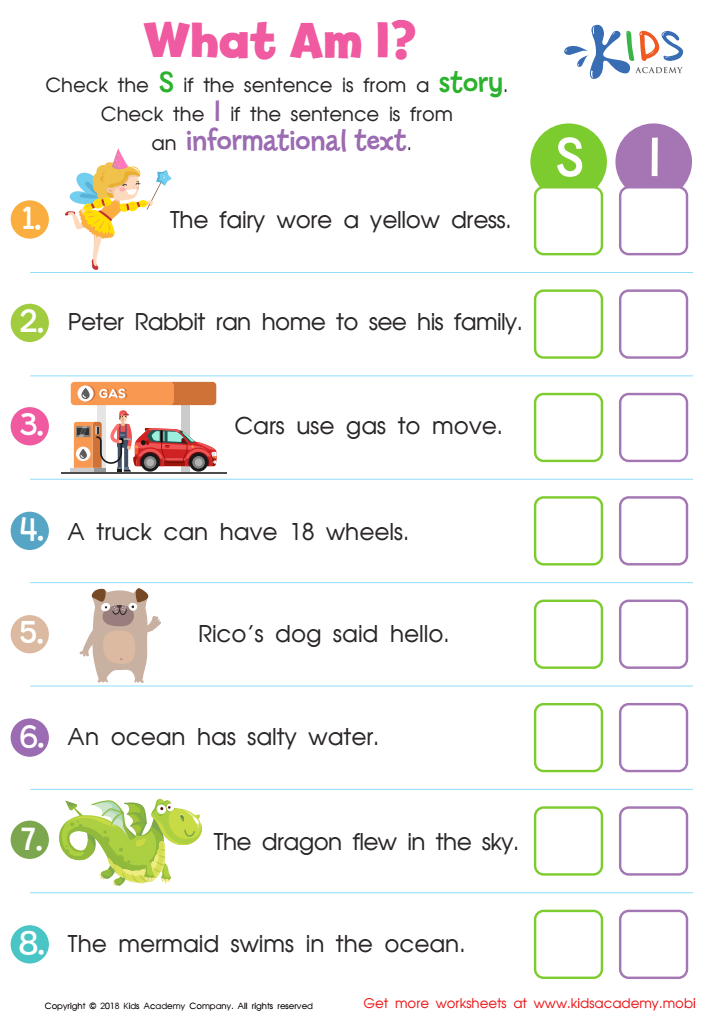
What Am I? Worksheet




.jpg)

Building vocabulary in children ages 7-9 is crucial for their overall development and academic success. During these formative years, children's language skills accelerate, laying the foundation for effective communication, comprehension, and critical thinking.
Firstly, a strong vocabulary enhances reading comprehension. At this age, children transition from learning to read to reading to learn. A robust vocabulary helps them understand more complex texts, fostering a love for reading and exploration. When children can easily grasp the meanings of words they encounter, they become more confident in their reading abilities.
Secondly, vocabulary enrichment enriches verbal skills. Children with a diverse vocabulary are better equipped to express their thoughts and emotions, which is integral for their social development. Improved communication skills facilitate better interactions with peers and adults, promoting collaboration and empathy.
Furthermore, vocabulary building contributes to academic performance across subjects. A rich vocabulary enables children to engage more deeply with science, math, and social studies concepts as they can articulate their understanding and questions more effectively.
In summary, investing in vocabulary building during ages 7-9 not only fuels literacy and communication skills but also supports emotional and social growth, preparing children for future academic and personal success. Parents and teachers play vital roles in this essential development.








