Recognizing shapes Addition Worksheets for Ages 7-9
28 filtered results
-
From - To
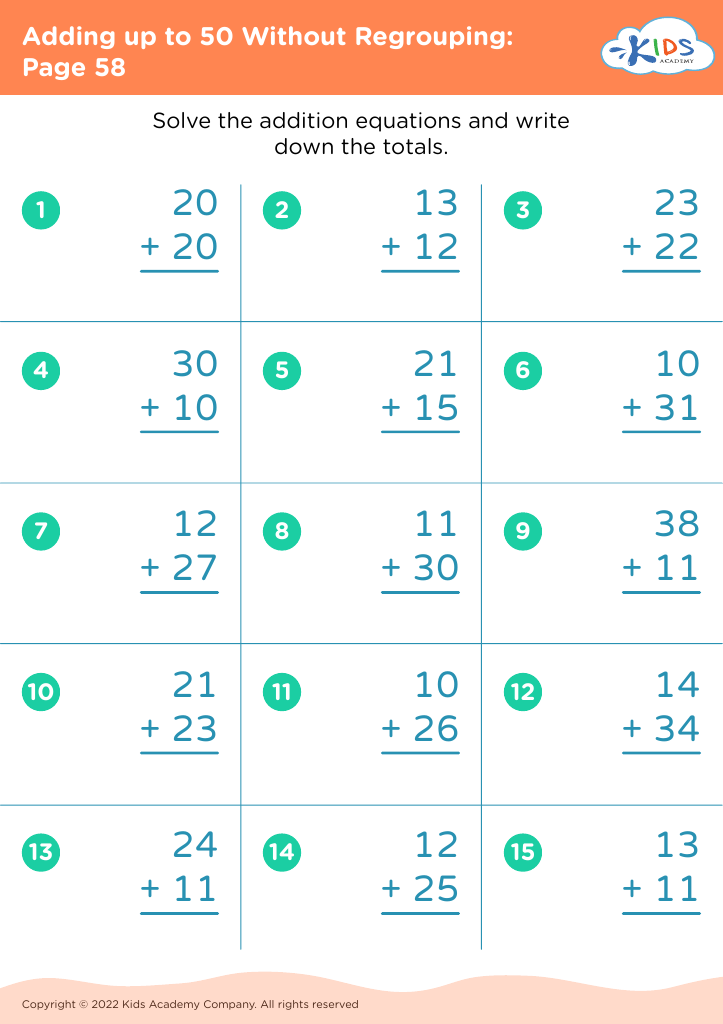
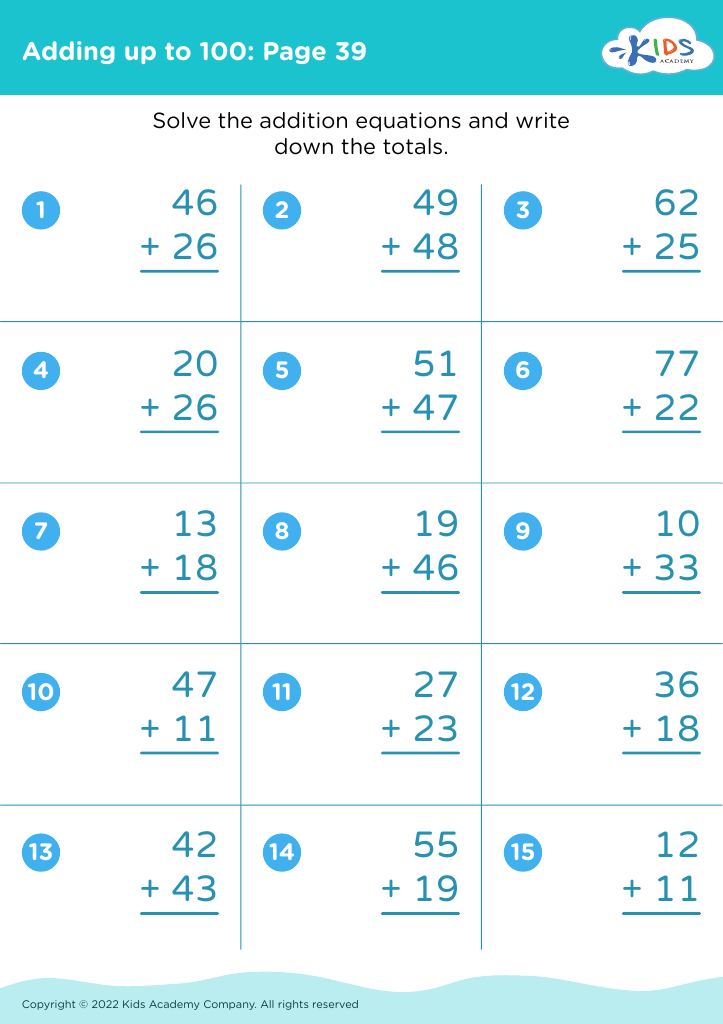
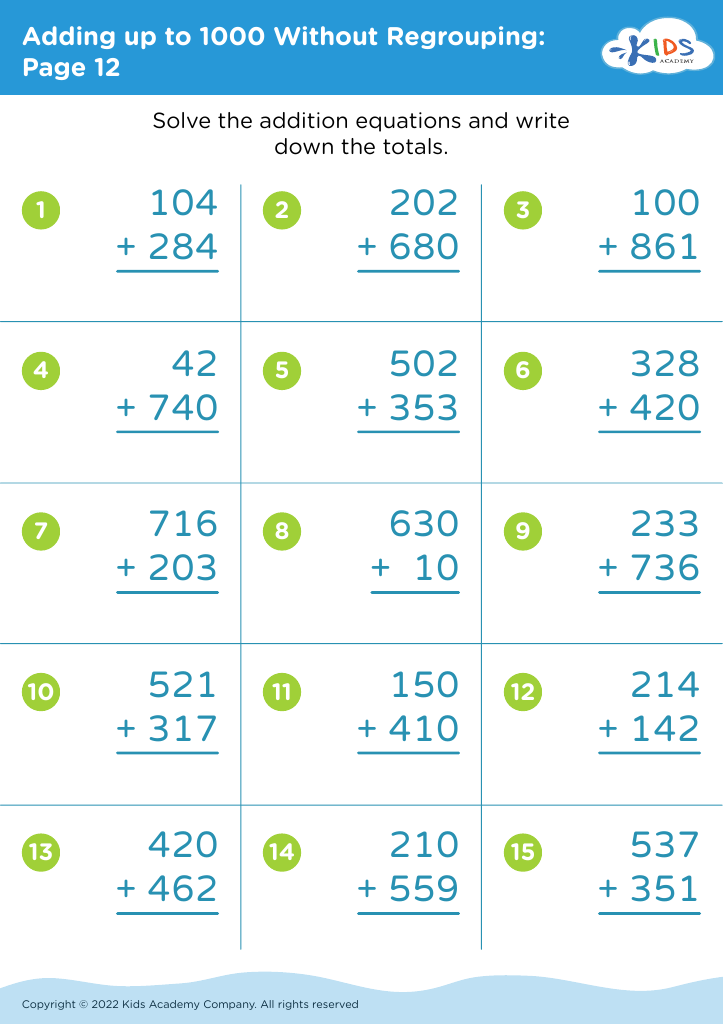
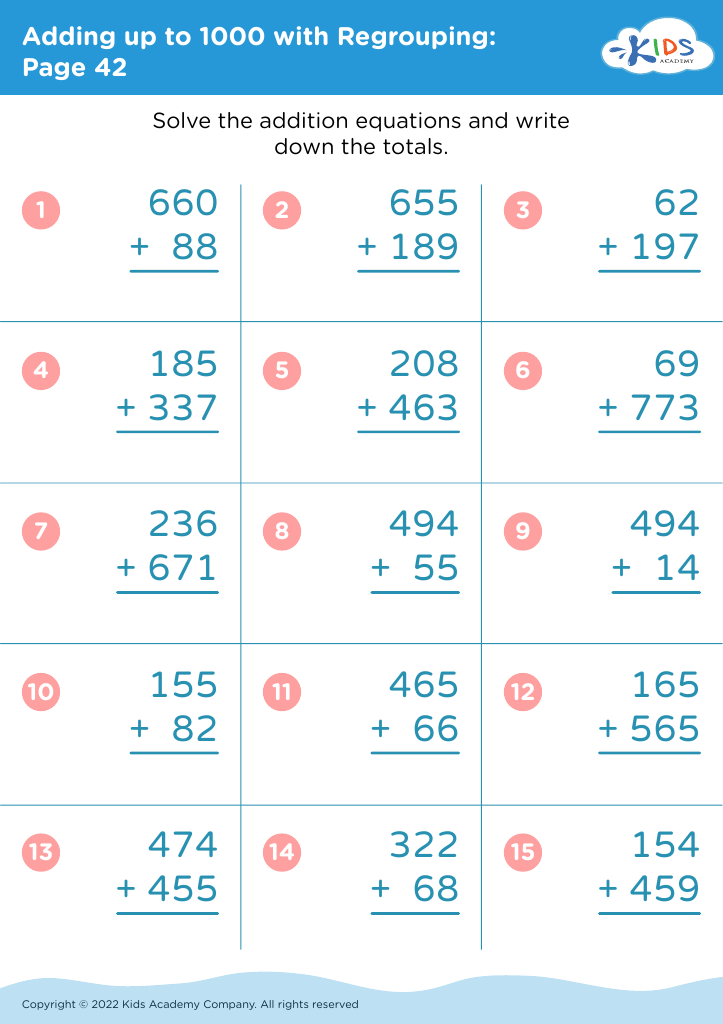
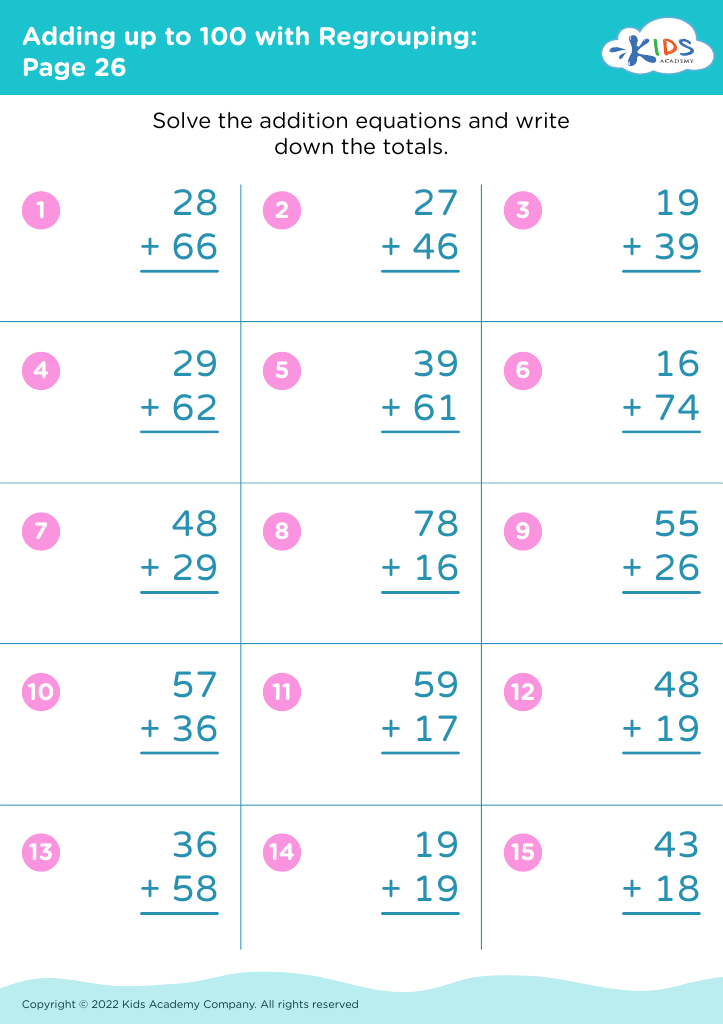
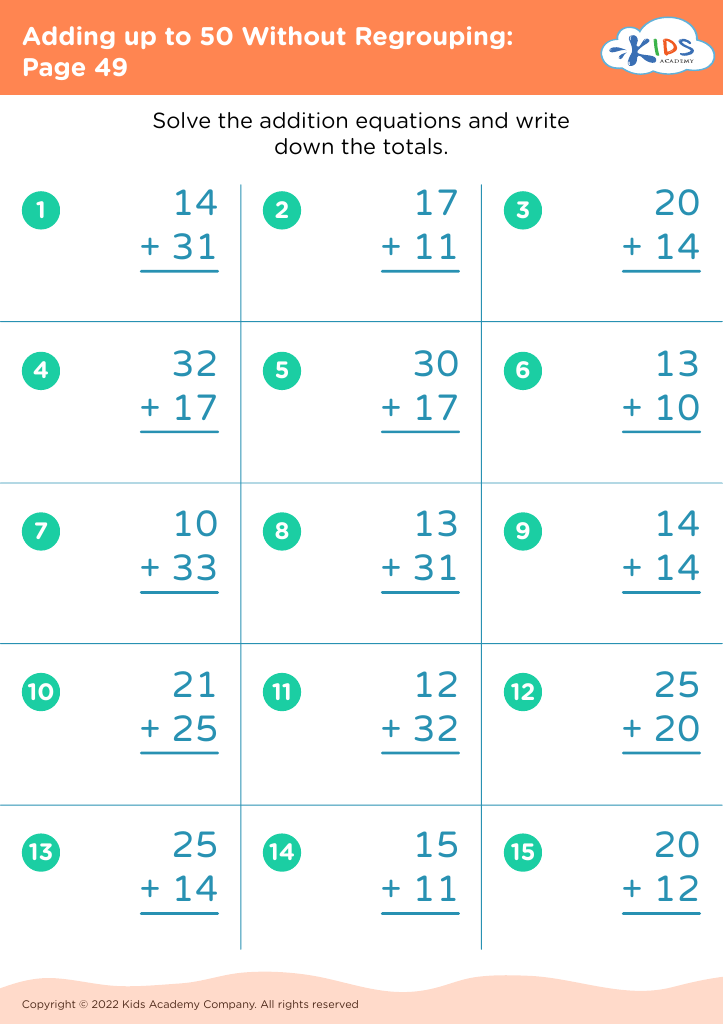
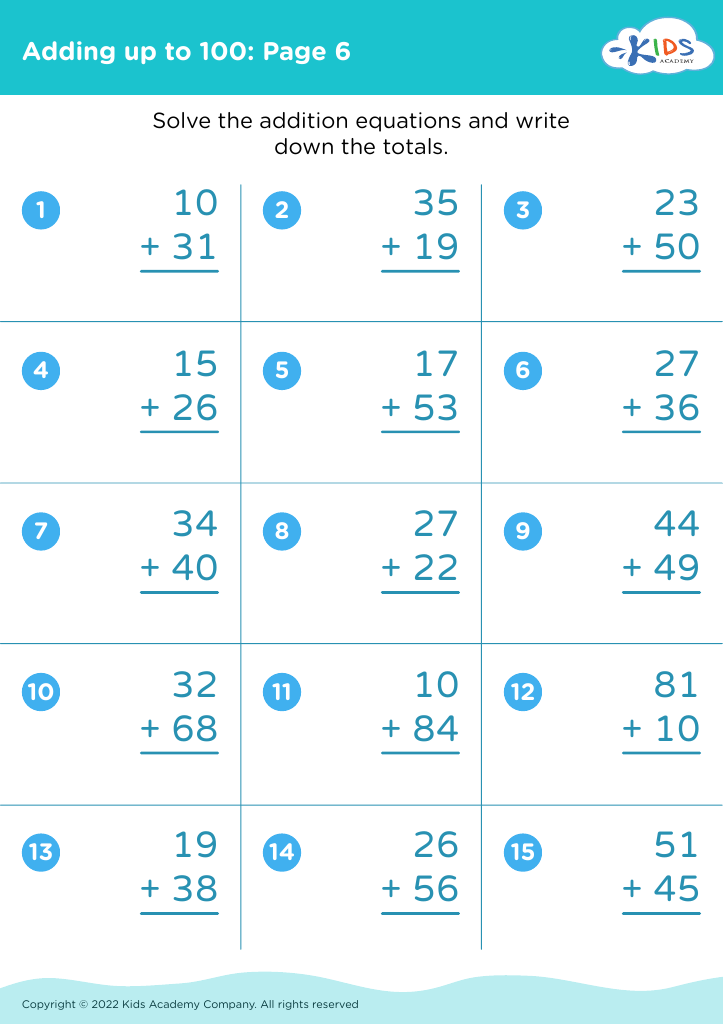
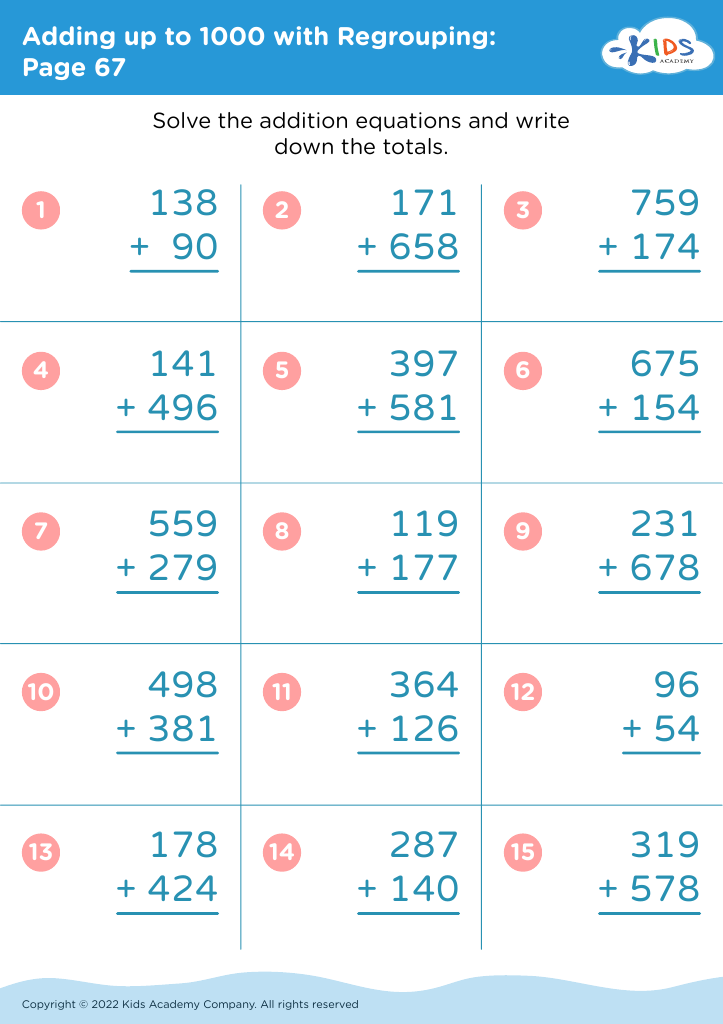
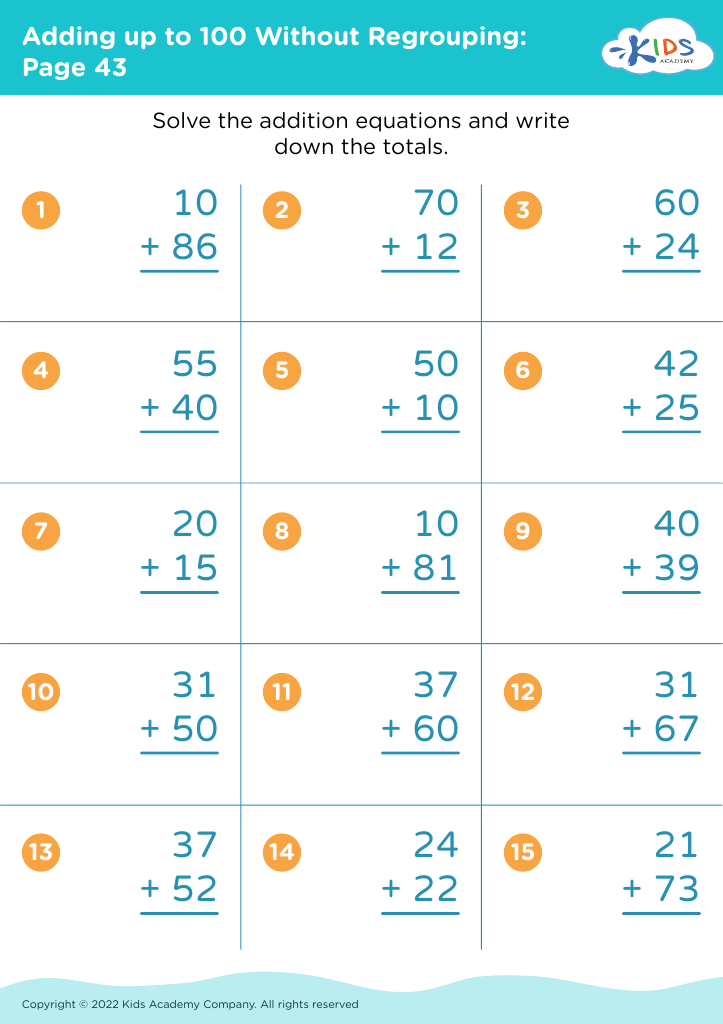
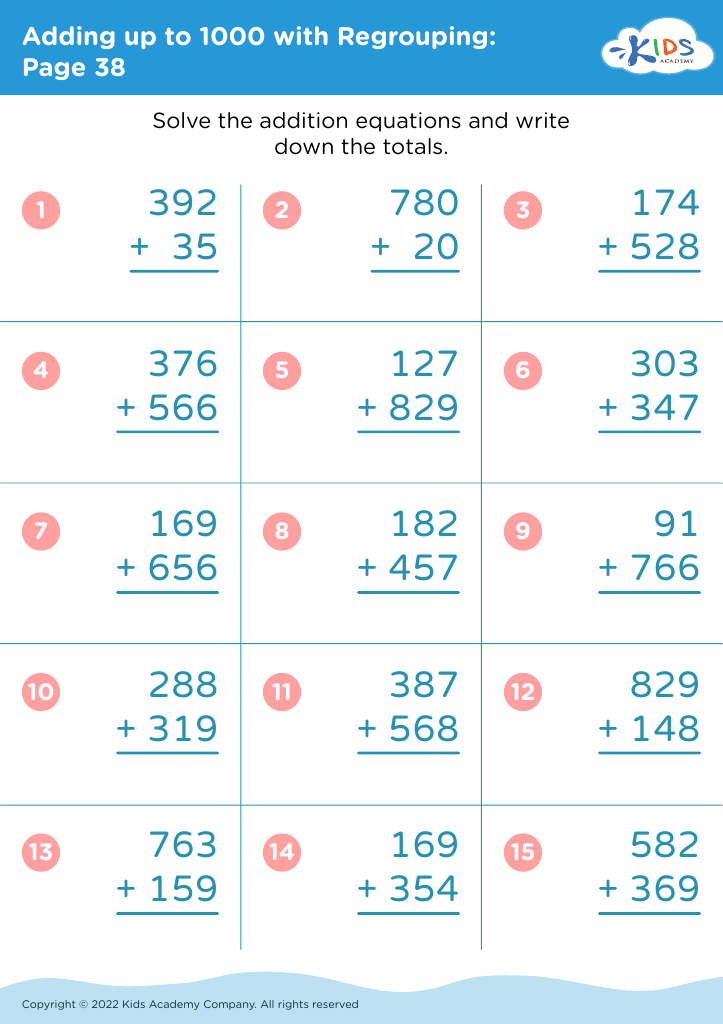
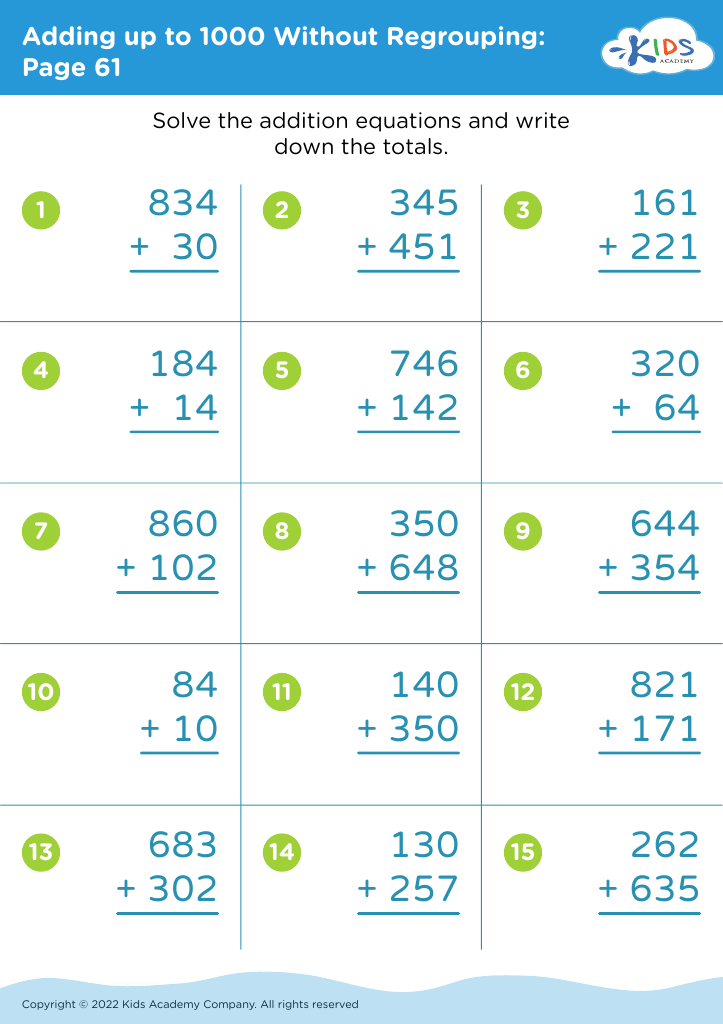
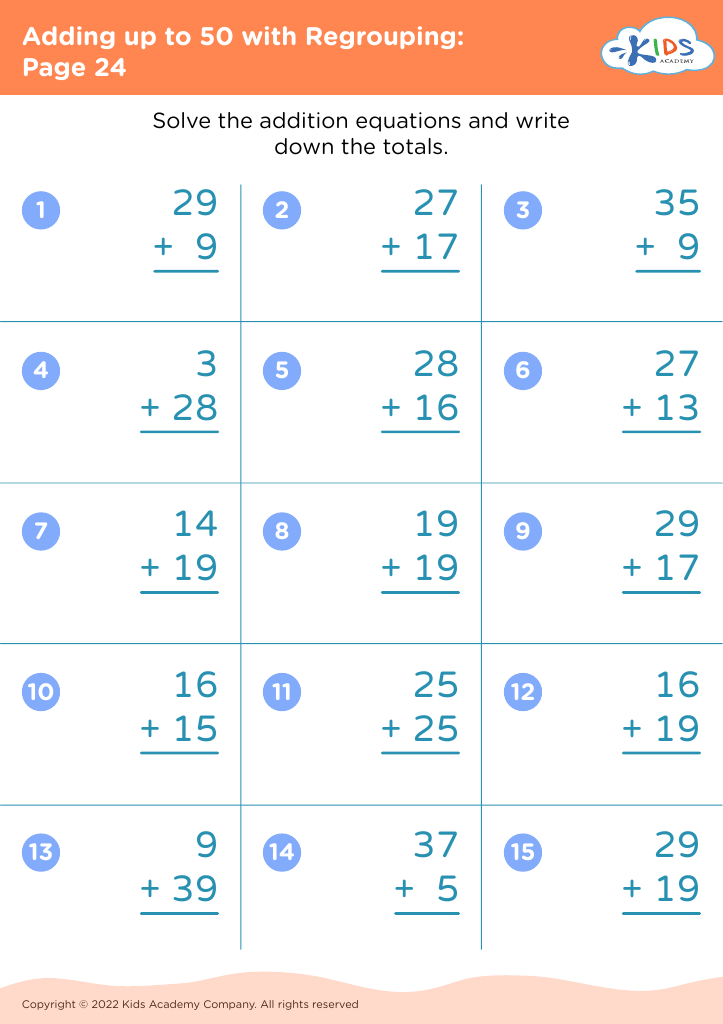
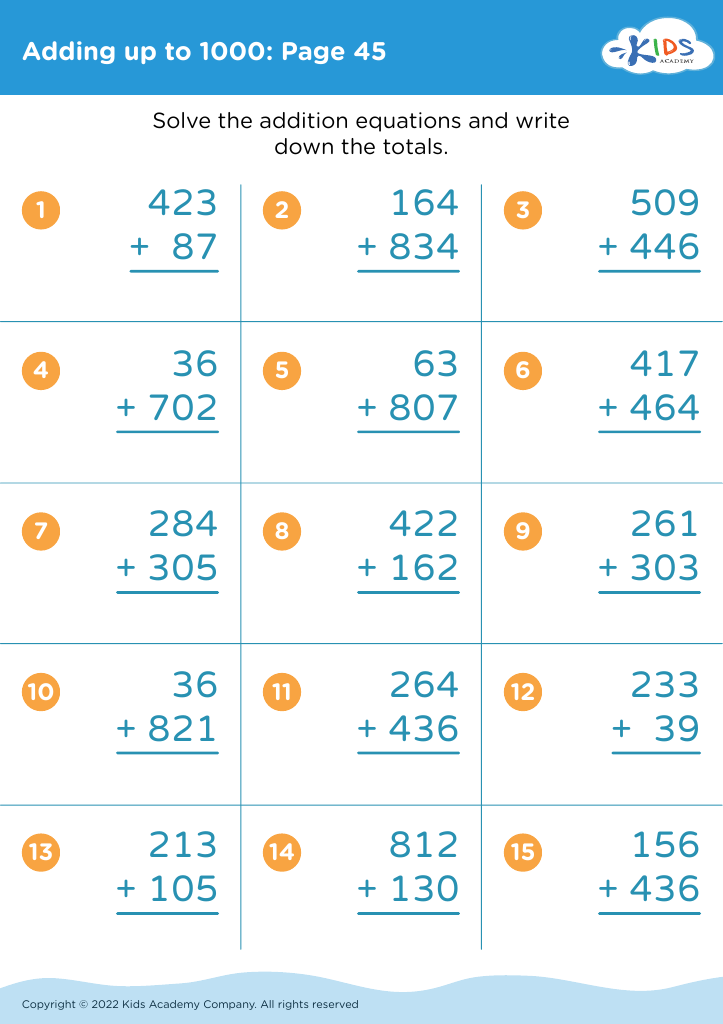
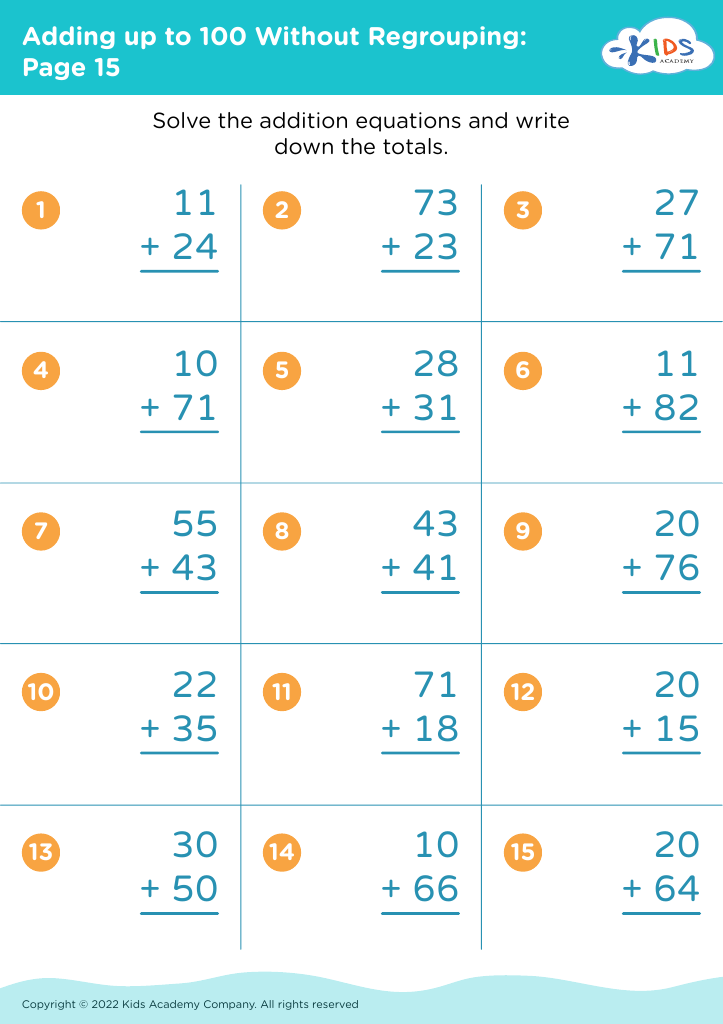
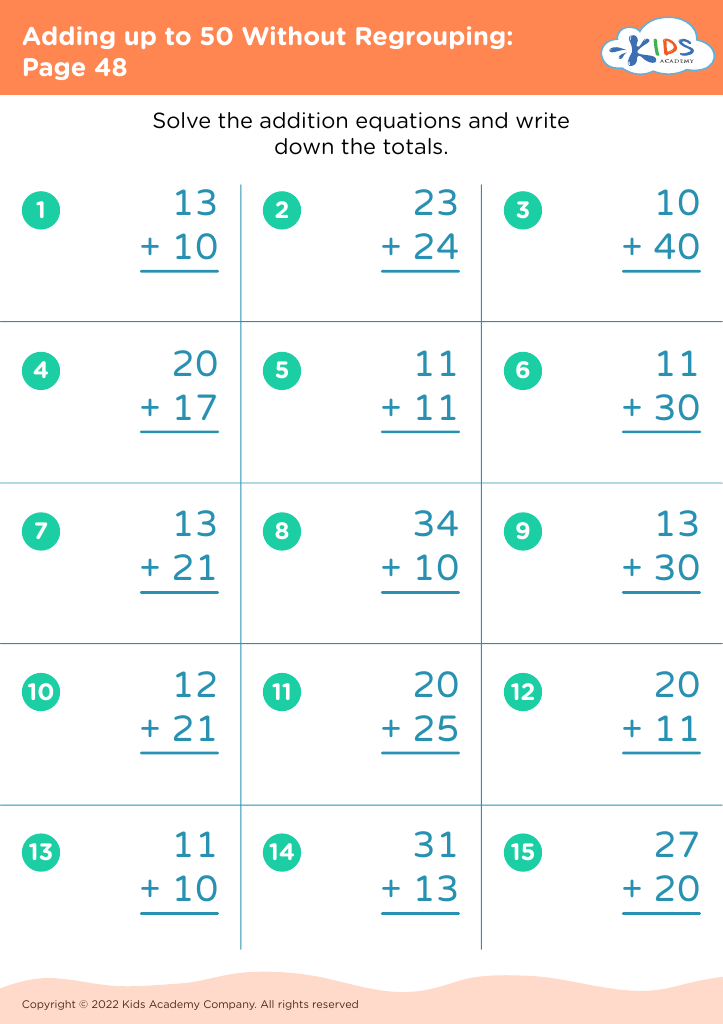
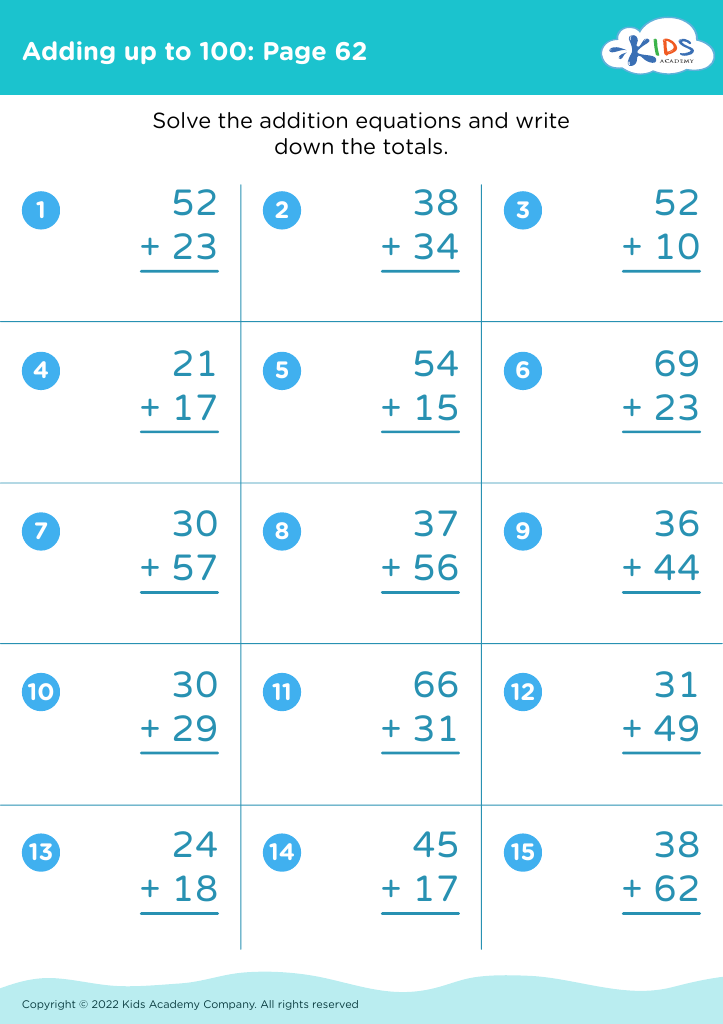
Discover engaging "Recognizing Shapes Addition Worksheets" designed specifically for children ages 7-9. These worksheets seamlessly blend geometry with addition, promoting both mathematical and observational skills. Through fun and interactive exercises, kids will enhance their understanding of various shapes while solving addition problems. This unique approach encourages a deeper comprehension of math concepts as students learn to identify shapes and apply their knowledge in real-world contexts. Perfect for classroom use or at-home practice, these worksheets cater to diverse learning styles, ensuring that every child can thrive in their math journey. Give your child the tools to succeed in math today!
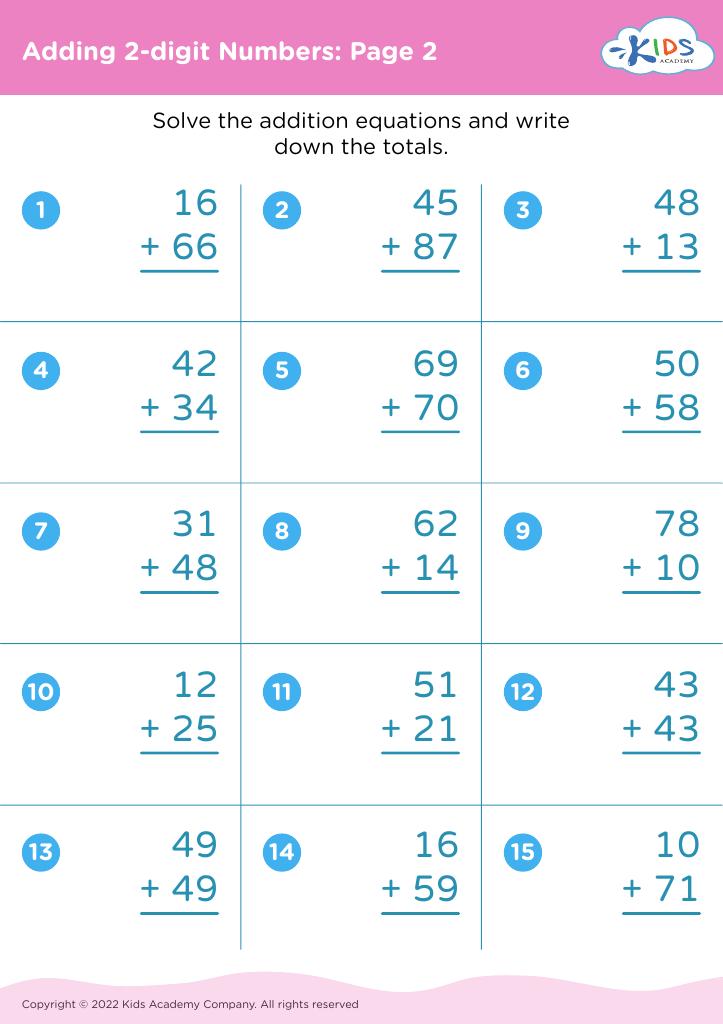
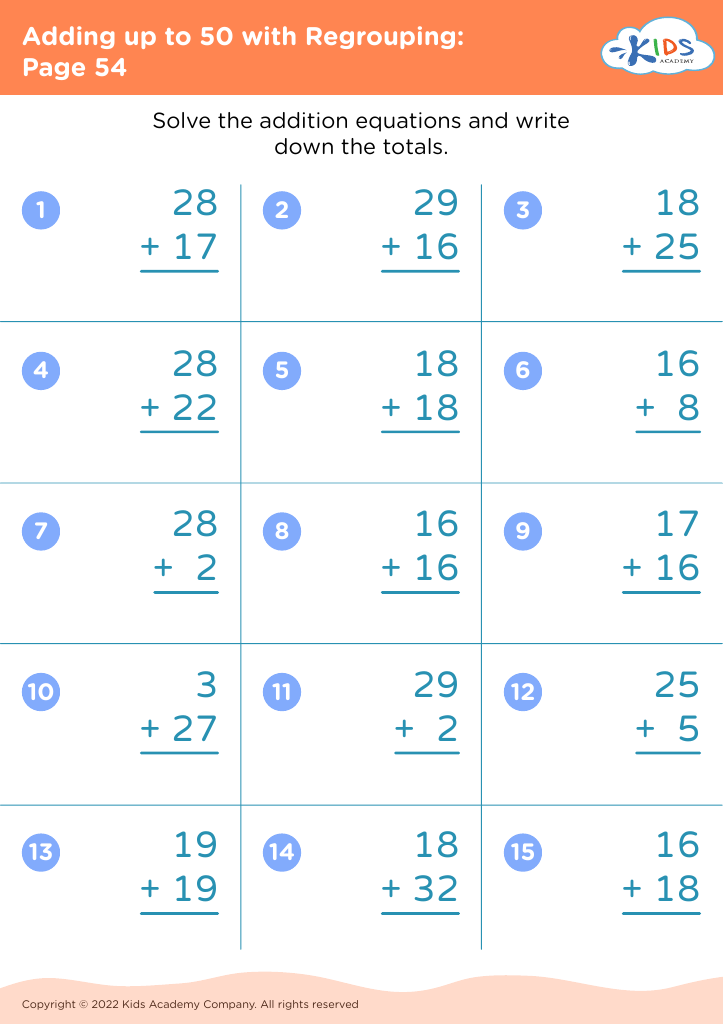
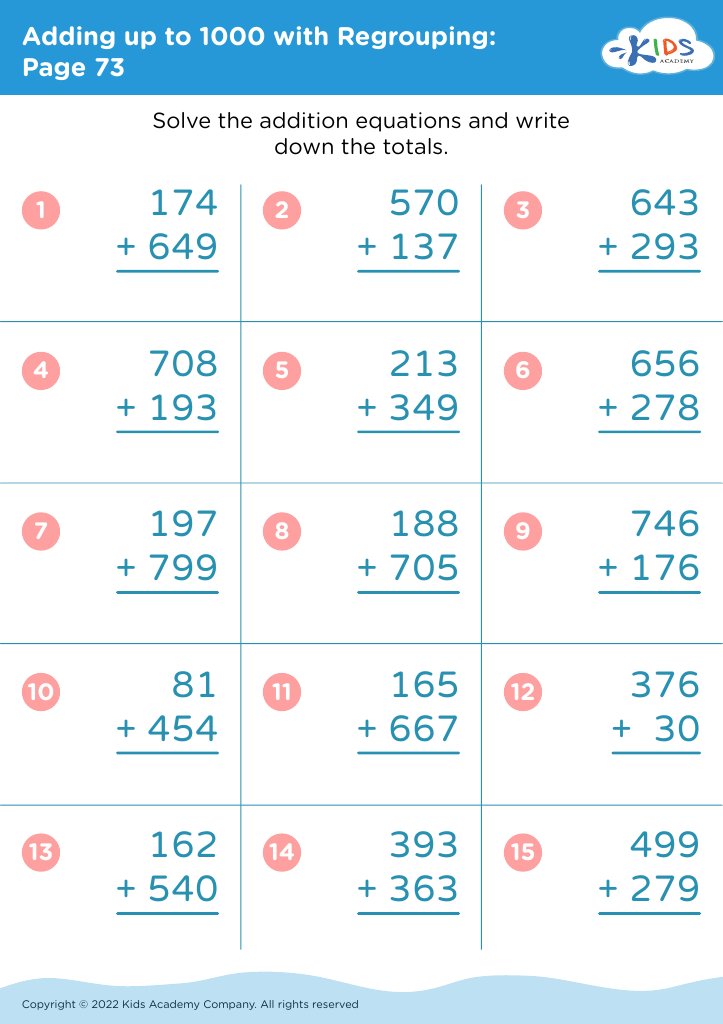
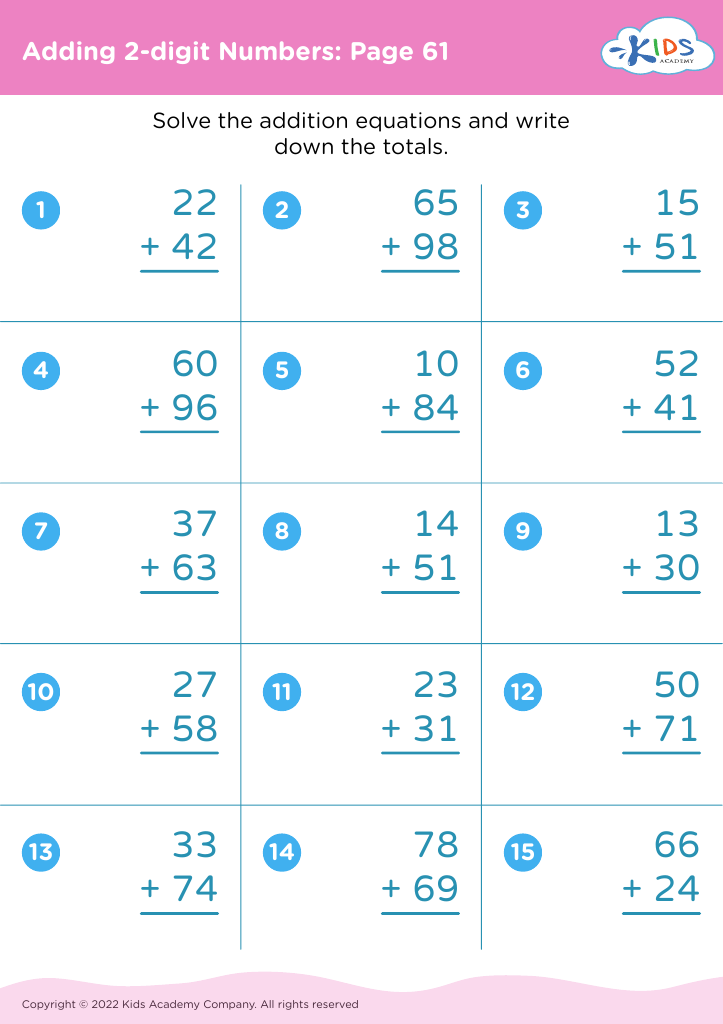








Recognizing shapes and mastering addition are foundational skills for children aged 7-9, and understanding their interconnection is vital for holistic development. At this age, students begin to explore geometry more deeply, encountering concepts such as area and perimeter. When they can recognize shapes—triangles, squares, circles—they can make connections with their properties, which enhances their spatial reasoning.
For instance, when teaching addition that involves shapes, educators can incorporate visual aids and manipulative tools. This method not only makes learning more engaging but also helps children visualize numerical relationships, aiding in the retention of mathematical concepts. Furthermore, recognizing shapes in everyday life strengthens critical thinking and problem-solving skills.
Parents and teachers who prioritize these skills encourage children to see mathematics not just as abstract numbers, but as a living part of their world. Equipping students with these tools not only prepares them for more advanced math but also fosters their confidence, creativity, and willingness to learn. When children understand and appreciate the relationship between shapes and addition, they lay a strong foundation for success in future STEM-related endeavors. This makes it essential for parents and educators to invest in these core learning areas during these formative years.








