Analyzing data Numbers Worksheets for Ages 7-9
3 filtered results
-
From - To
Discover our engaging "Analyzing Data Numbers Worksheets" designed specifically for children ages 7-9. These printable worksheets introduce young learners to the fundamental concepts of data analysis through fun activities and visuals. Students will explore topics such as collecting information, interpreting data, and comparing quantities, all while enhancing critical thinking skills. Each worksheet encourages mastery of essential math concepts in an interactive way, helping to build a solid foundation for future learning. Perfect for classroom use or home practice, these resources will inspire a love for math and data analysis in your child. Start their analytical journey today!
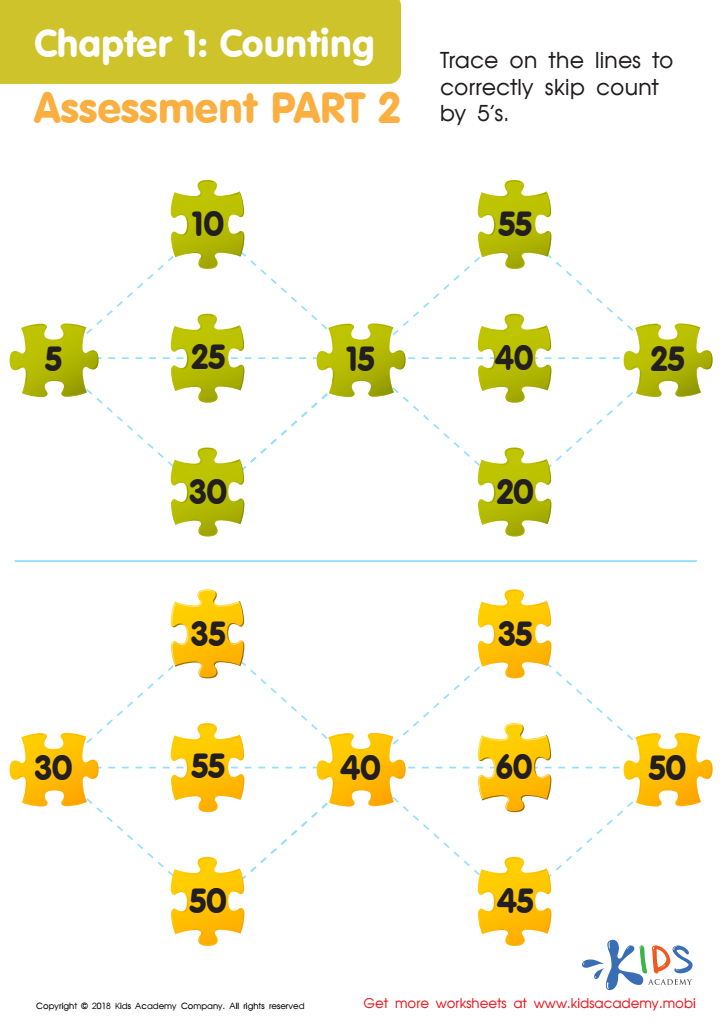
Counting: Assessment 2 Worksheet
 Assign to My Students
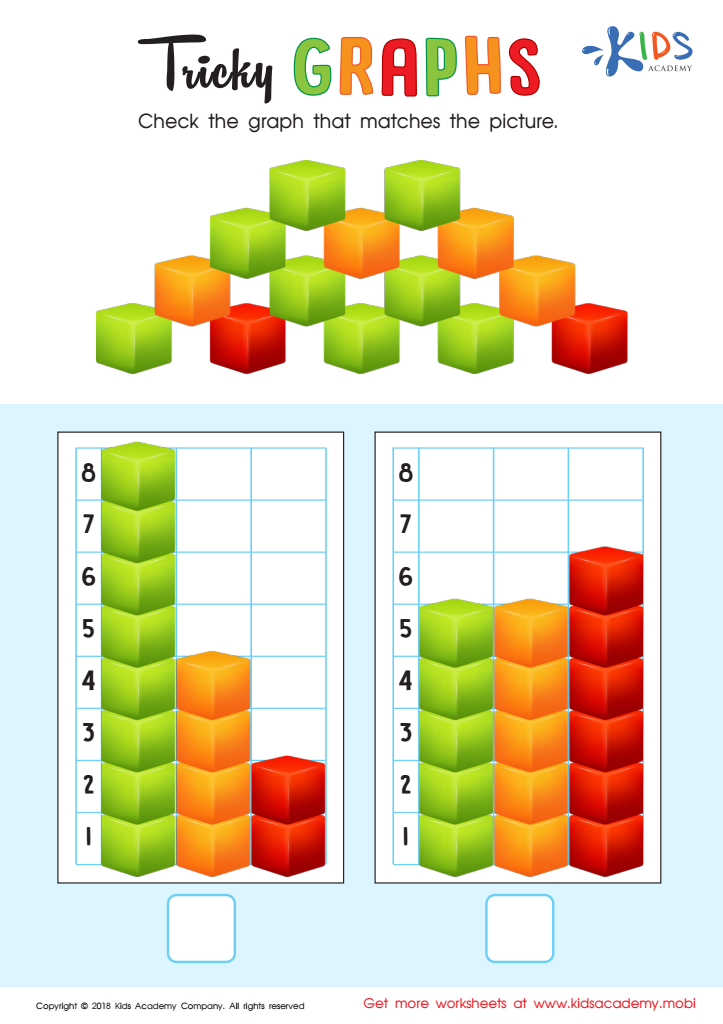
Tricky Graphs Worksheet
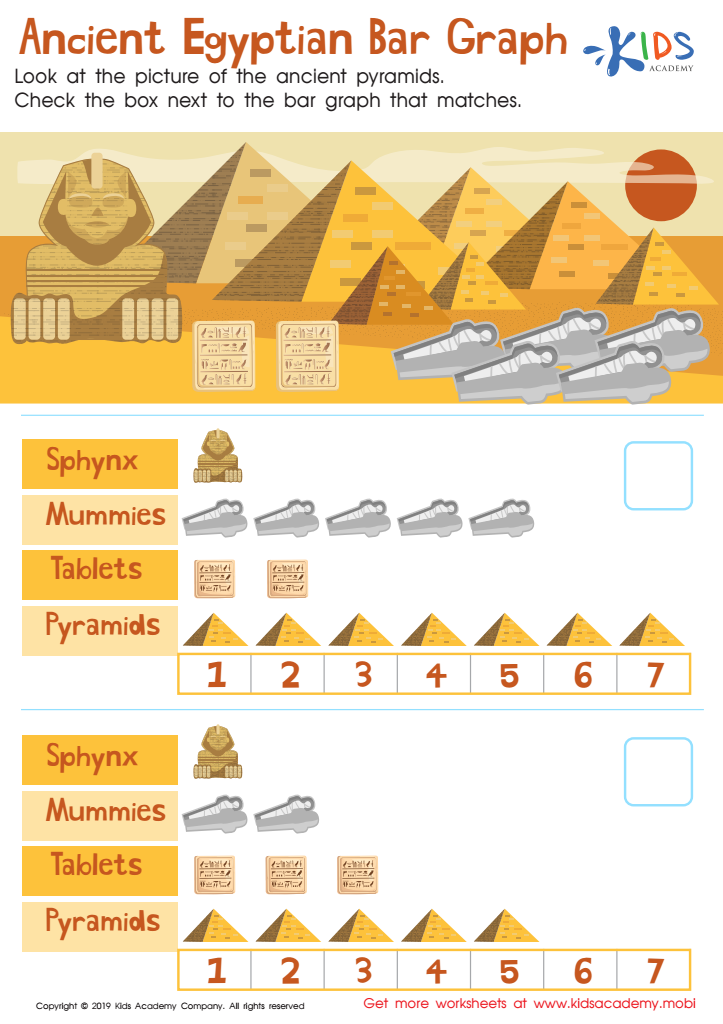
Egyptian Bar Graph Worksheet








Analyzing data is crucial for parents and teachers of children aged 7-9, as it plays a significant role in fostering critical thinking and problem-solving skills. At this developmental stage, children are becoming more adept at understanding and interpreting numerical information, which lays the groundwork for future academic success. By engaging with data, students learn to recognize patterns, make comparisons, and draw conclusions, which enhances their mathematical reasoning.
Moreover, data analysis allows teachers and parents to monitor a child's progress and tailor educational approaches to meet individual learning needs. For example, analyzing test scores and assignments helps identify areas where a child may struggle, allowing for timely intervention. This personalized attention not only boosts academic performance but also builds confidence.
Furthermore, teaching children to analyze data cultivates digital literacy, an essential skill in today’s technology-driven world. They learn how to critically evaluate information and reflect on its applications in real-life situations, such as interpreting charts or graphs.
In summary, analyzing data equips children with the skills necessary for academic achievement, fosters individualized support, and prepares them for future challenges, making it imperative for adults in their lives to prioritize this learning opportunity.








