Interpreting data Numbers Worksheets for Ages 7-9
4 filtered results
-
From - To
Unlock your child's potential with our "Interpreting Data Numbers Worksheets for Ages 7-9." Designed to foster critical thinking and analytical skills, these engaging worksheets help young learners understand and interpret data through graphs, charts, and tables. Supporting school curriculum, these activities make learning fun and interactive. Each worksheet features colorful visuals and relatable scenarios to keep kids motivated and interested. Perfect for both classroom and at-home practice, our worksheets build a strong foundation in math and data analysis, preparing students for more advanced concepts. Help your child succeed and make data interpretation easy and enjoyable!
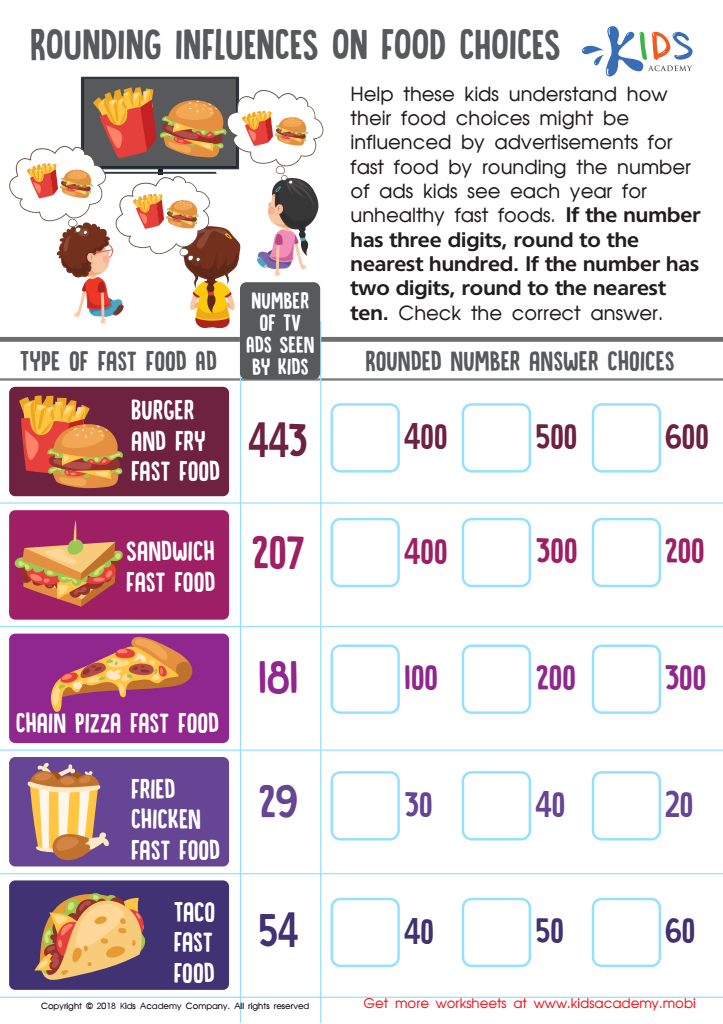
Rounding Influences Food Choices Worksheet
 Assign to My Students
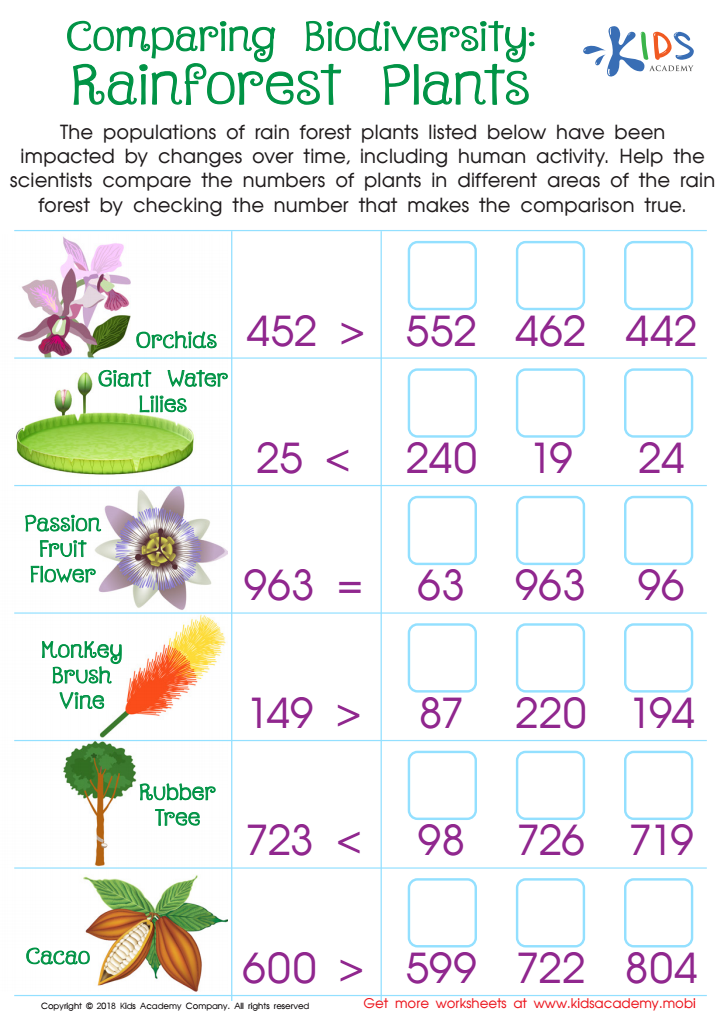
Comparing Biodiversity: Rainforest Plants Worksheet
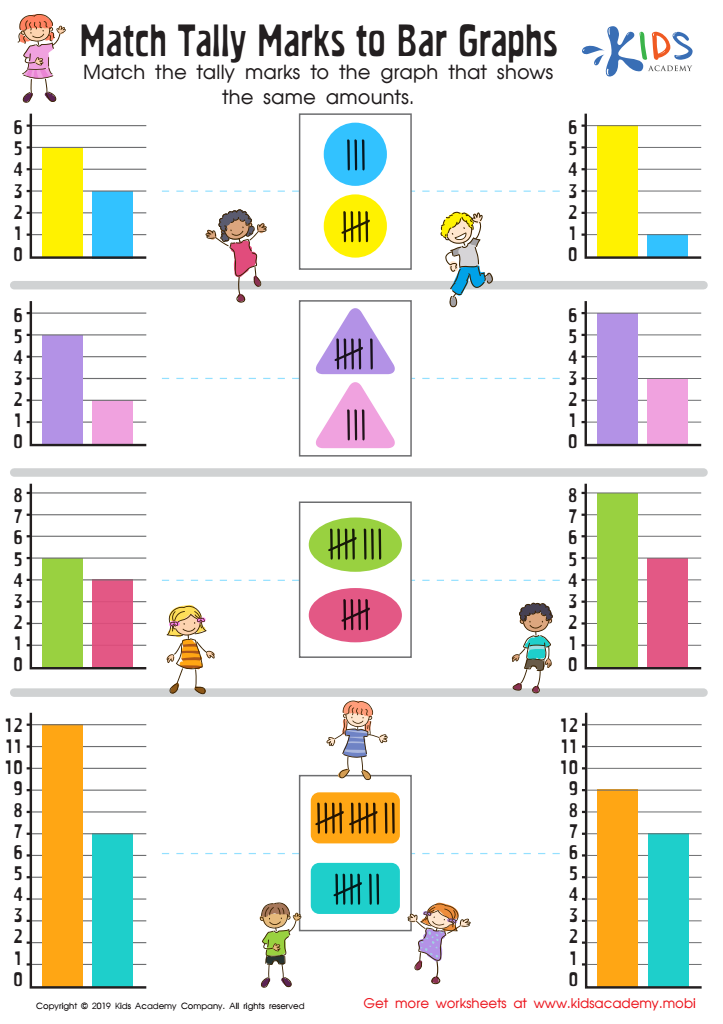
Match Tally Marks to Bar Graphs Worksheet
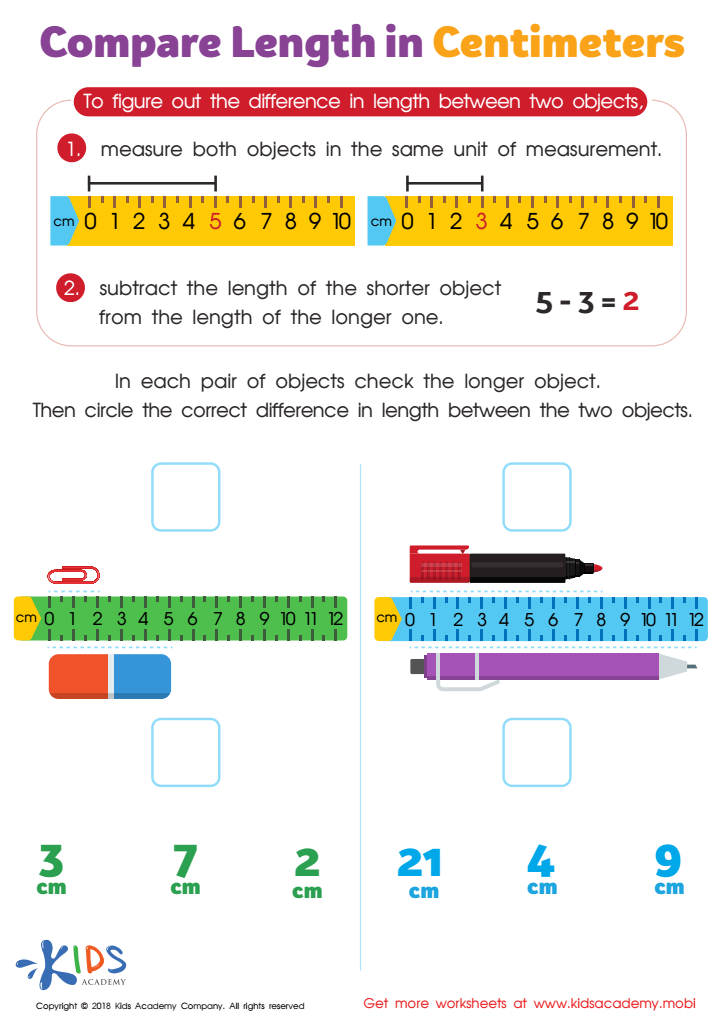
Compare Length in Centimeters Worksheet








Interpreting data and numbers is a foundational skill crucial for children aged 7-9, as it paves the way for critical thinking and problem-solving abilities. At this developmental stage, children begin to understand more abstract concepts, and data interpretation helps them make sense of the world around them. For parents and teachers, investing in this area can lead to significant academic and practical benefits.
Firstly, being proficient in interpreting data encourages mathematical thinking. Children learn to identify patterns, compare quantities, and understand relationships between numbers, which are essential skills not just in math but across all STEM subjects. Secondly, it enables them to make informed decisions. Whether reading a simple bar graph about their classmates' favorite books or analyzing nutritional information from cereal boxes, data literacy empowers children to assess information critically.
Furthermore, fostering these skills early on boosts their confidence. Successfully interpreting data gives kids a sense of achievement and better prepares them for future academic challenges. It also broadens their curiosity, encouraging them to ask insightful questions and seek evidence-based answers. Understanding data nurtures a mindset of analytical inquiry, which is valuable throughout one's life.
Parents and teachers should therefore emphasize data literacy, as it equips children with tools essential for academic success and everyday decision-making. This solid foundation not only enhances arithmetic skills but also underpins broader intellectual development.








