Analyzing data Math Worksheets for Ages 7-9
8 filtered results
-
From - To
Unlock your child's analytical potential with our "Analyzing Data Math Worksheets for Ages 7-9." Designed to challenge and engage young minds, these worksheets teach essential data interpretation skills. Students will learn to read graphs, charts, and tables, while honing their ability to compare and contrast information. Perfect for the classroom or at-home practice, our worksheets align with curriculum standards and offer a variety of interactive activities that make learning fun. Build your child’s confidence in math and nurture their problem-solving abilities with these expertly crafted resources from Kids Academy! Start their data analyzing journey today.
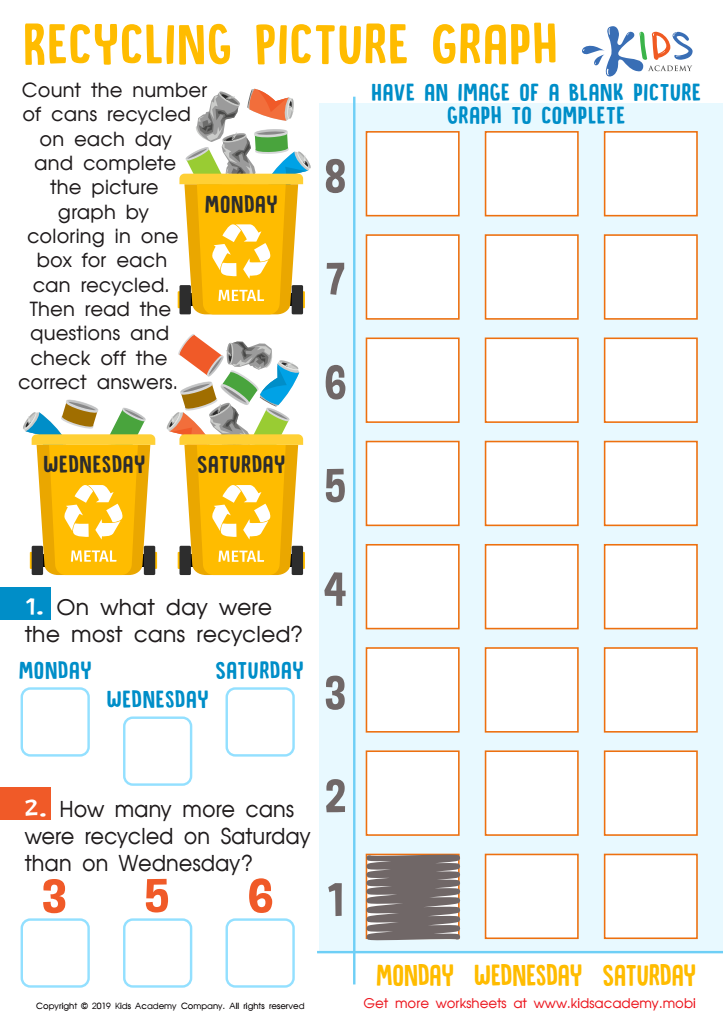
Recycling Picture Graph Worksheet
 Assign to My Students
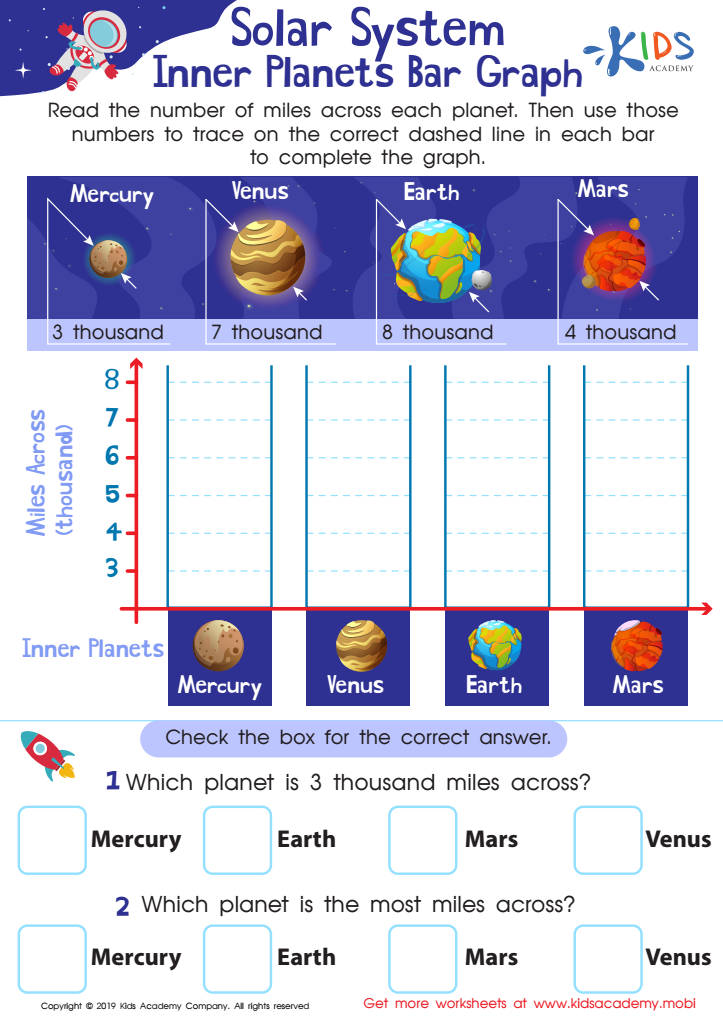
Planets Bar Graph Worksheet
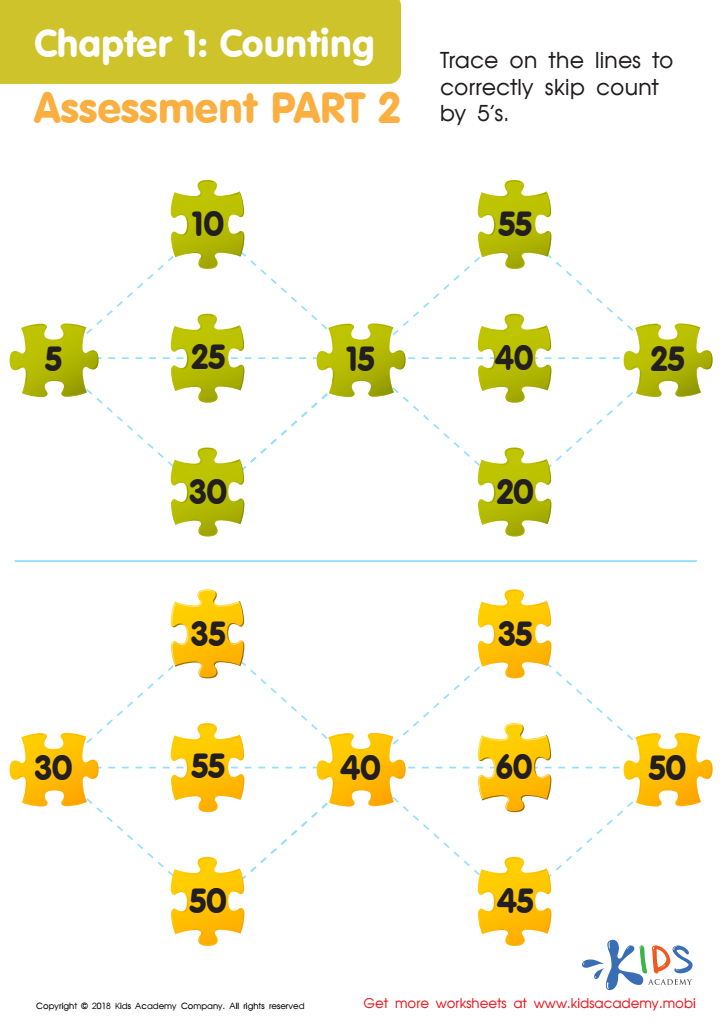
Counting: Assessment 2 Worksheet
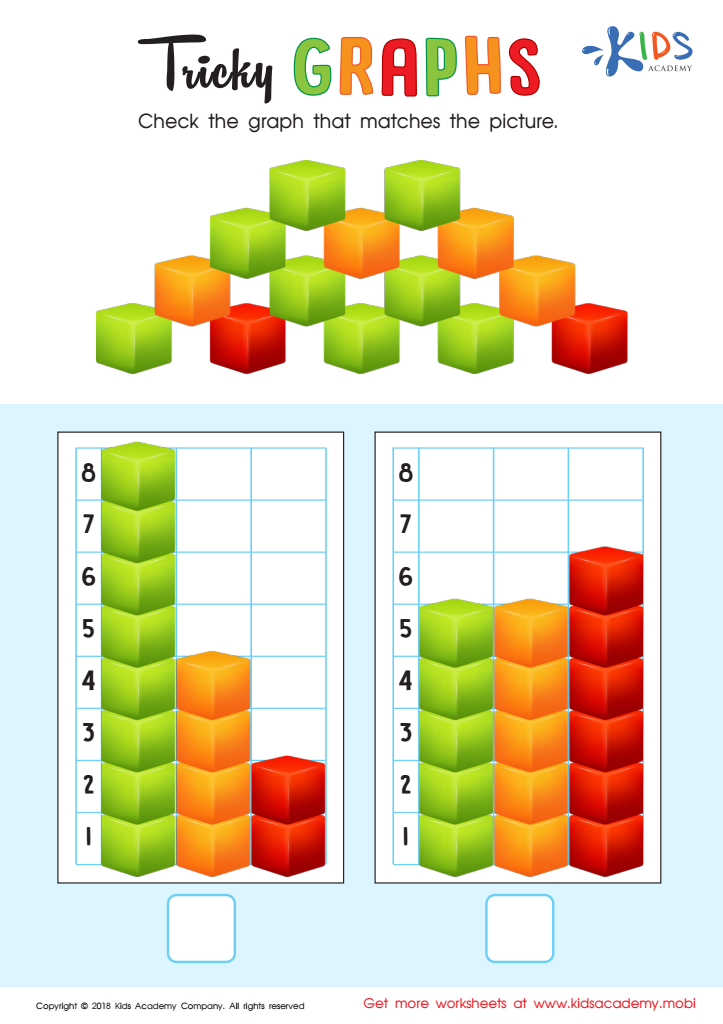
Tricky Graphs Worksheet
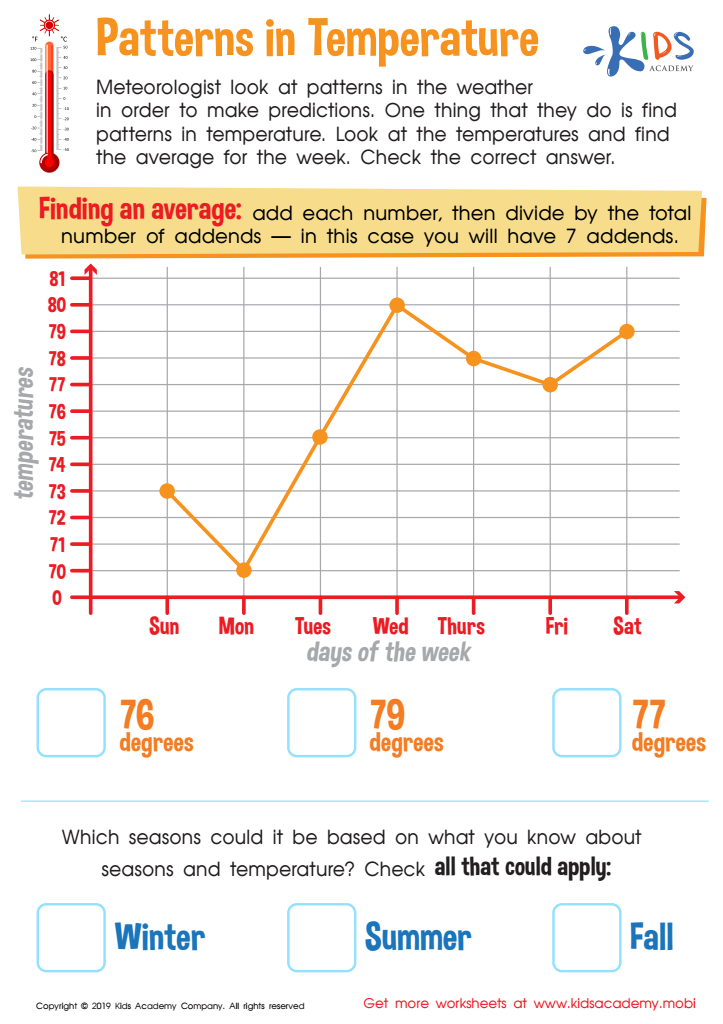
Patterns in Temperature Worksheet
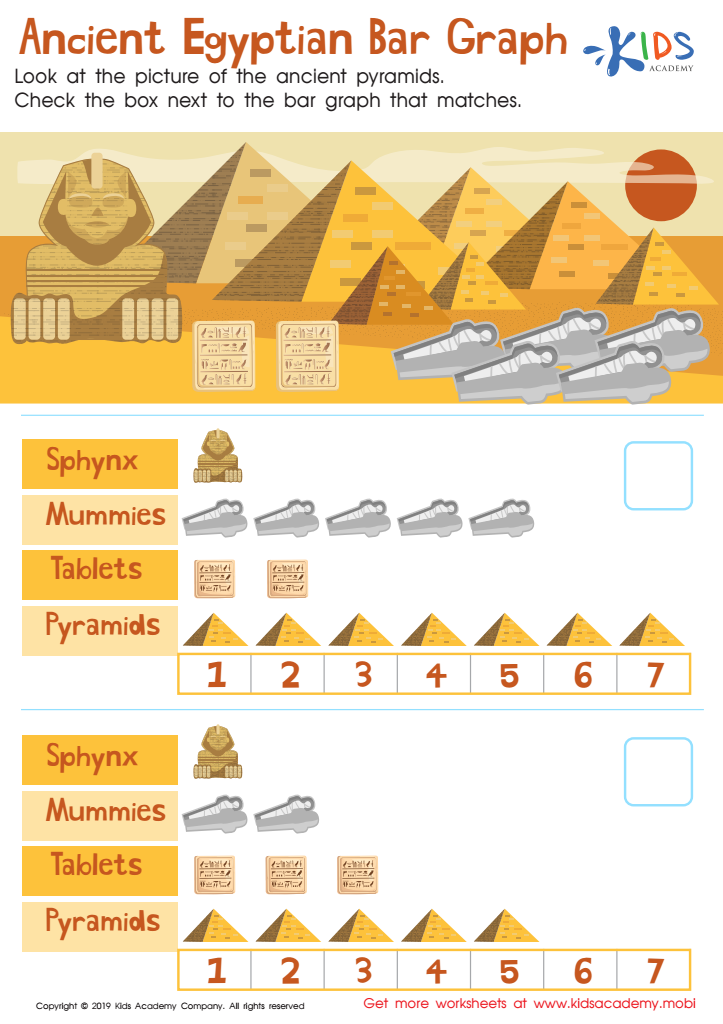
Egyptian Bar Graph Worksheet
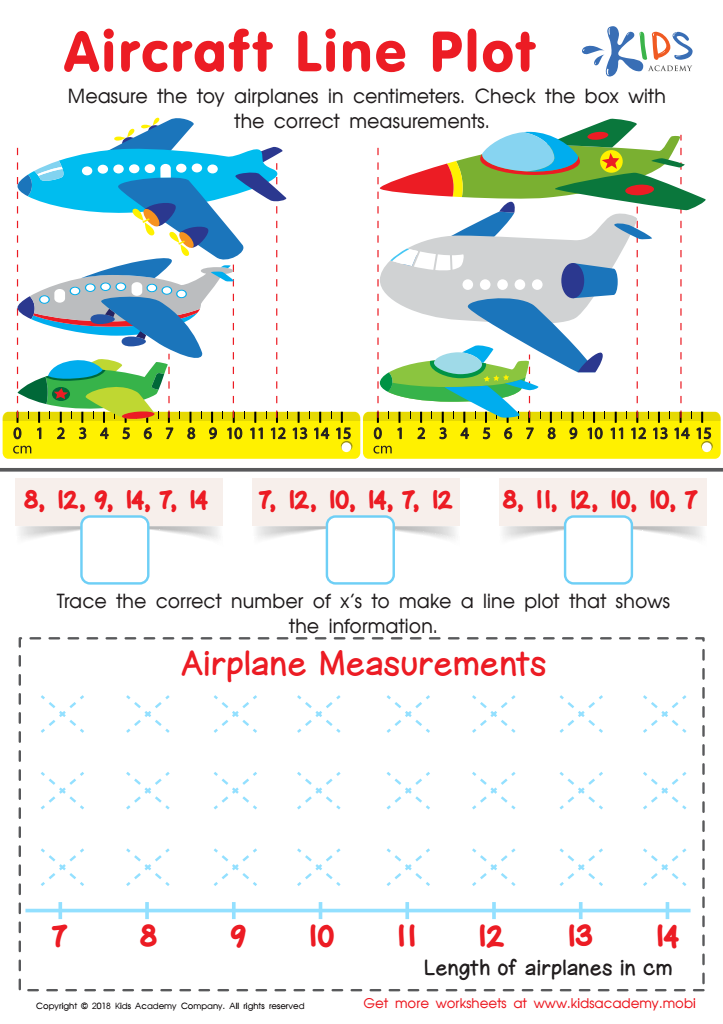
Aircraft Line Plot Worksheet








Analyzing data skills for ages 7-9 are crucial as they lay the groundwork for essential cognitive and analytical abilities that children will use throughout their education and lives. Parents and teachers should care about fostering these skills because they promote critical thinking, problem-solving, and the ability to make informed decisions. At this foundational age, students are naturally curious and observant. Introducing them to basic data concepts, such as sorting, organizing, and interpreting information, helps channel their innate curiosity into structured learning.
By engaging with data, children learn to recognize patterns, compare quantities, and understand relationships between different pieces of information. Skills such as creating and interpreting simple charts and graphs enable children to visualize data, making abstract concepts more tangible. This not only enhances their mathematical proficiency but also their ability to understand and process information in other subjects.
Furthermore, data analysis exercises promote collaborative learning and communication as children discuss their findings with peers and adults. This builds social skills and confidence in expressing their ideas. In a world increasingly driven by data, cultivating an early competence in data literacy equips children with a crucial toolset for their future academic pursuits and everyday life decisions. For these reasons, prioritizing data analysis education for young students is a forward-thinking investment in their development.








