Identify shapes Math Worksheets for Ages 7-9
11 filtered results
-
From - To
Welcome to our "Identify Shapes Math Worksheets" page, designed specifically for children ages 7 to 9. These engaging worksheets help young learners deepen their understanding of geometric shapes through interactive and fun activities. Each worksheet encourages students to recognize, classify, and describe different shapes, enhancing their critical thinking skills and spatial awareness. With a variety of challenges tailored to different skill levels, kids will enjoy honing their math abilities while building a solid foundation in geometry. Download our worksheets today and watch your child develop confidence and enthusiasm in learning about shapes! Perfect for home or classroom use!
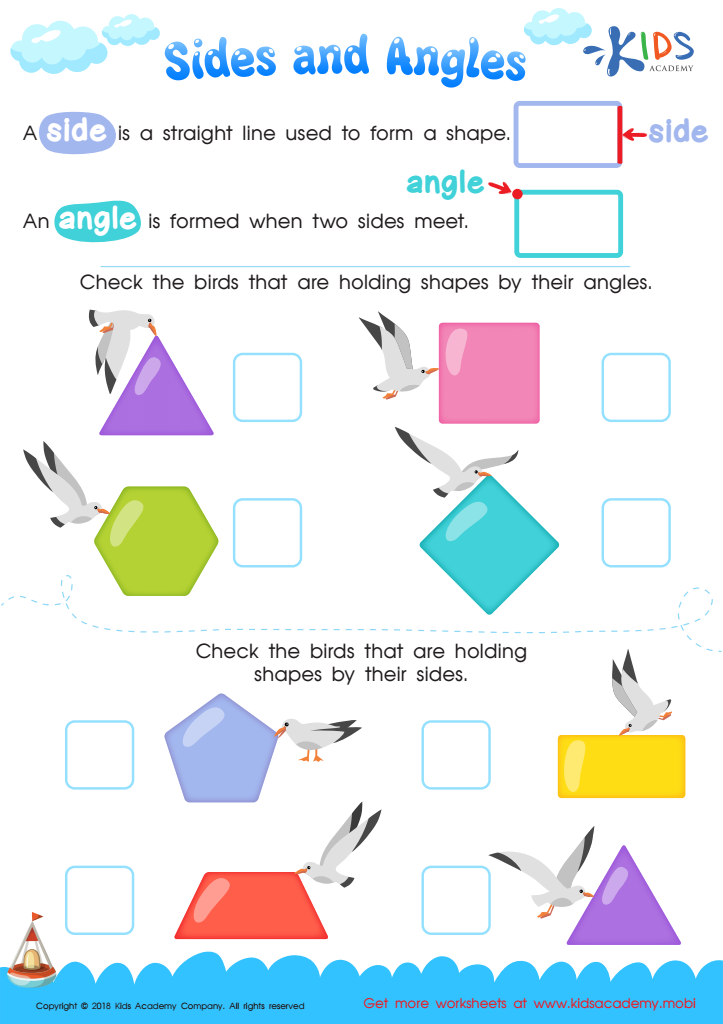
Sides and Angles Worksheet
 Assign to My Students
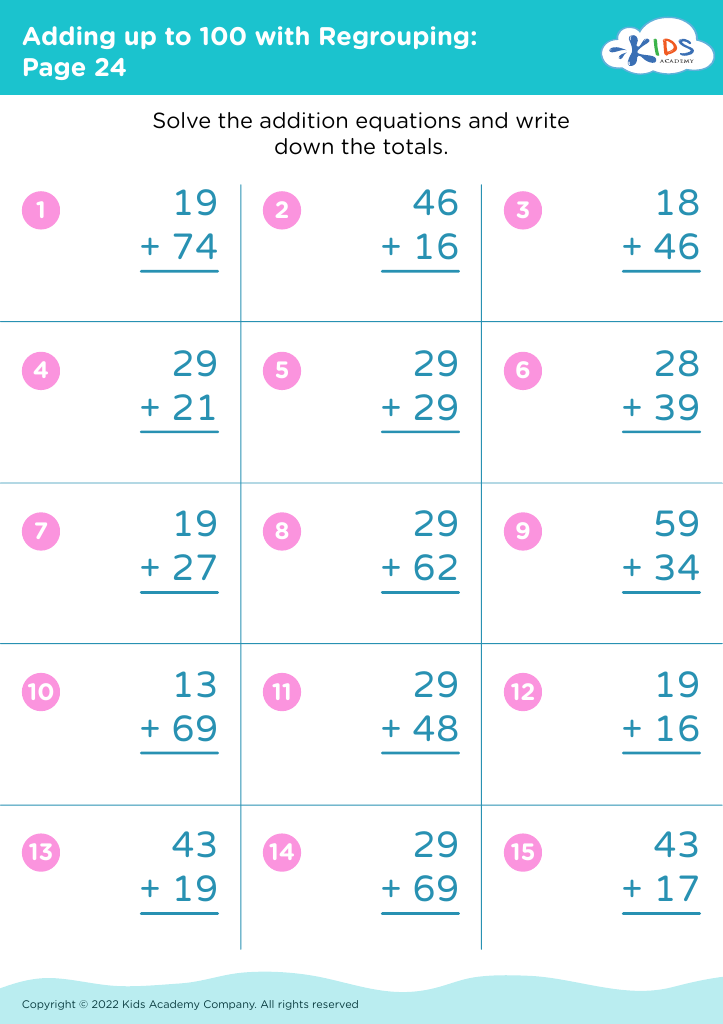
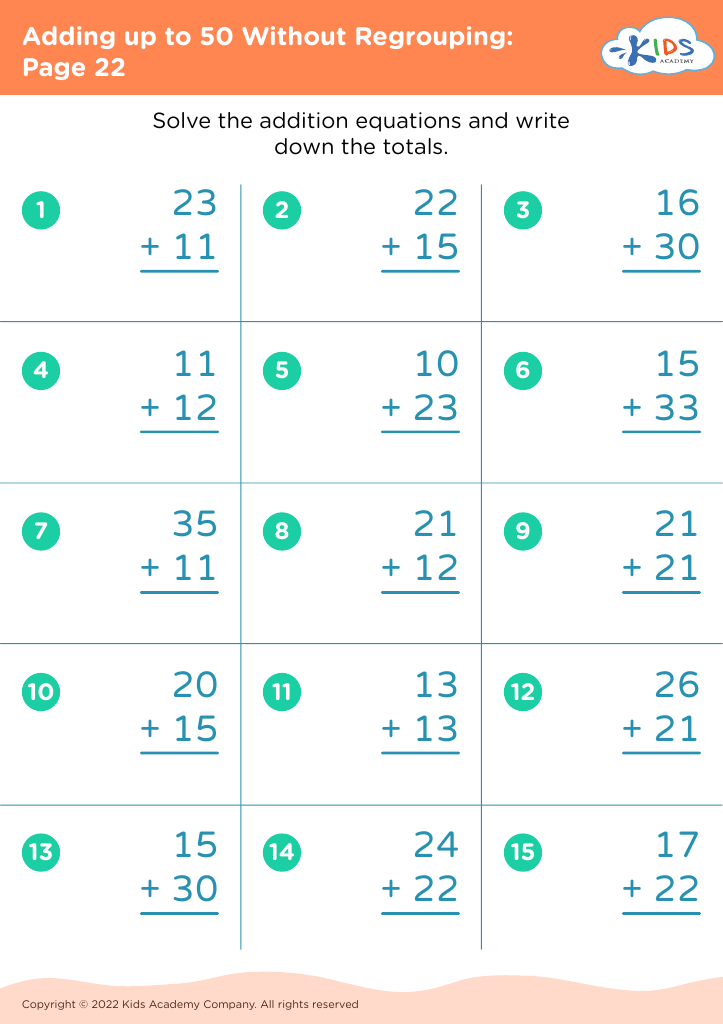
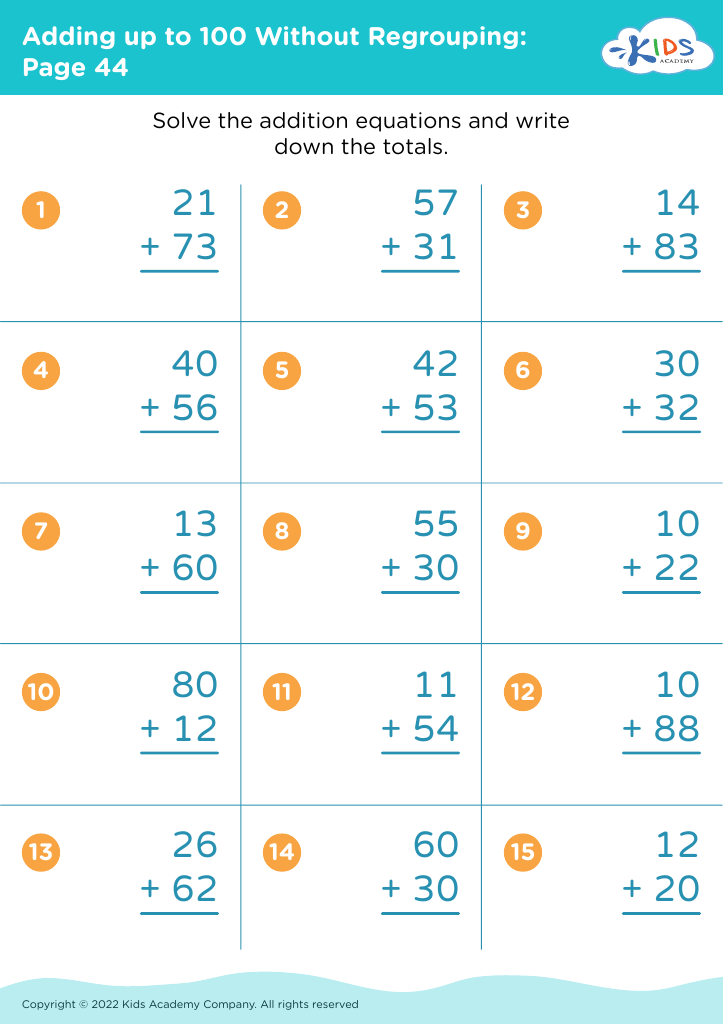







Identifying shapes is a foundational math skill critical for children aged 7-9, as it supports their overall cognitive development and lays the groundwork for more complex mathematical concepts. Understanding shapes enhances spatial awareness, which is essential not only in mathematics but also in everyday life, allowing children to navigate their environment effectively.
Moreover, shape identification fosters critical thinking and problem-solving skills. As children distinguish between various geometric forms, they learn to recognize patterns and relationships, which are crucial for advancing in subjects like geometry, measurement, and even algebra. Additionally, engaging with shapes encourages creativity, as children can explore how different shapes combine to form new structures, honing their imagination.
From a practical standpoint, knowledge of shapes has real-world applications, from cooking to architecture. It empowers children to make sense of their surroundings and engage with nature, design, and art. For parents and teachers, fostering this skill creates a more enriching learning experience and prepares students for future academic challenges. Ultimately, the ability to identify and understand shapes is not just about math—it contributes to a child’s holistic development, critical thinking, and appreciation for the world around them.








