Math skills development Math Worksheets for Ages 7-9
4 filtered results
-
From - To
Discover our Math Worksheets for Ages 7-9, designed to boost your child's math skills through engaging, progressive activities. Developed by educational experts, each worksheet aims to make learning fun and effective, covering key concepts such as addition, subtraction, multiplication, division, and fractions. These printable resources adapt to your child’s learning pace, building a solid math foundation while fostering critical thinking and problem-solving abilities. Ideal for both classroom use and homeschooling, our worksheets ensure comprehensive and enjoyable math skill development, helping young learners achieve academic success and confidence in their mathematical abilities. Try them today and watch their skills soar!
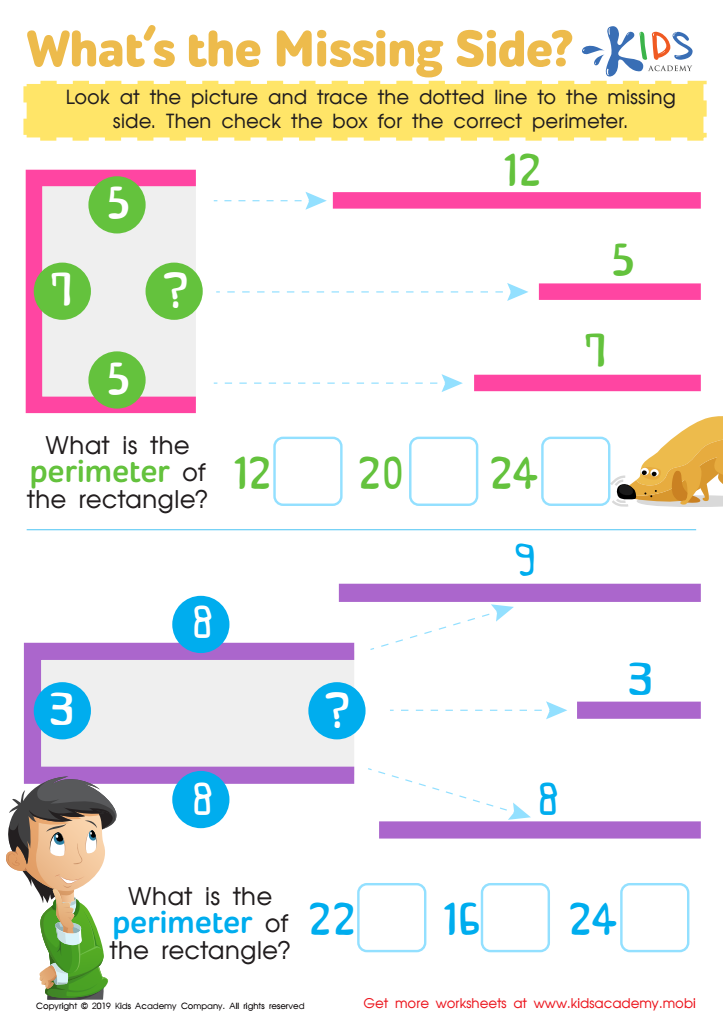
What's the Missing Side Worksheet
 Assign to My Students
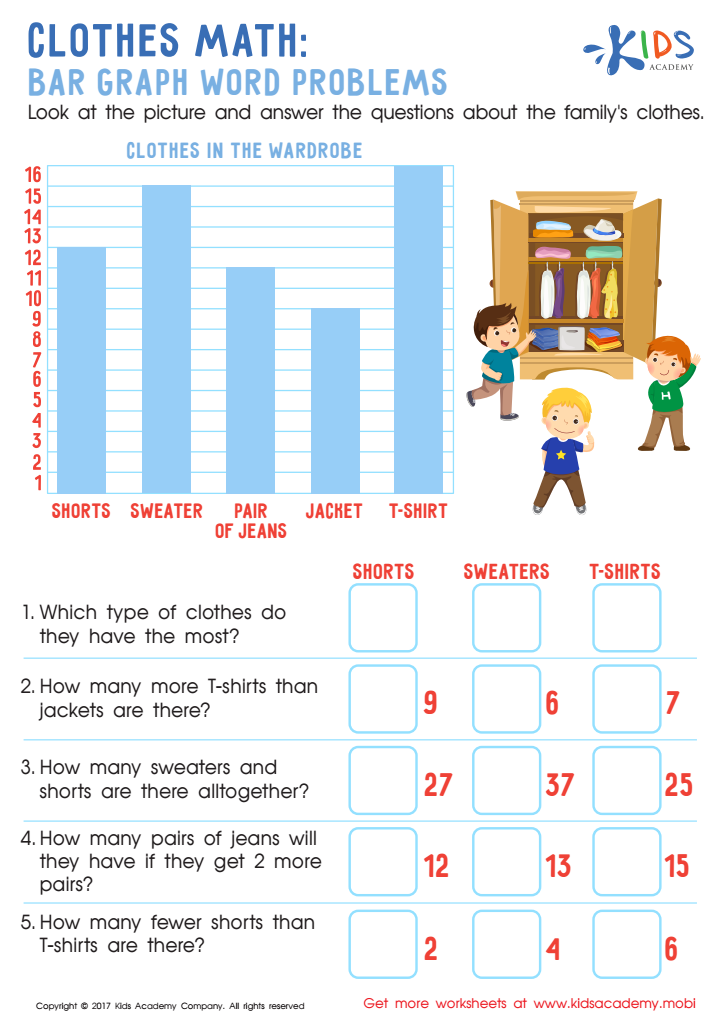
Clothes Math: Bar Graph Word Problems Worksheet
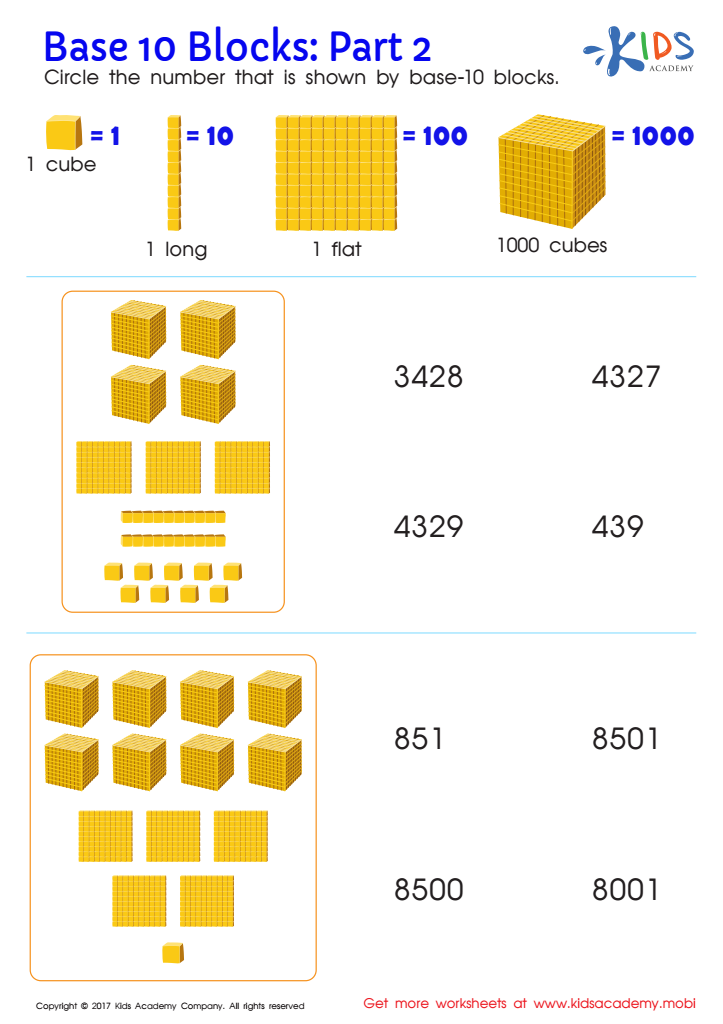
Place Value Worksheet: Thousands
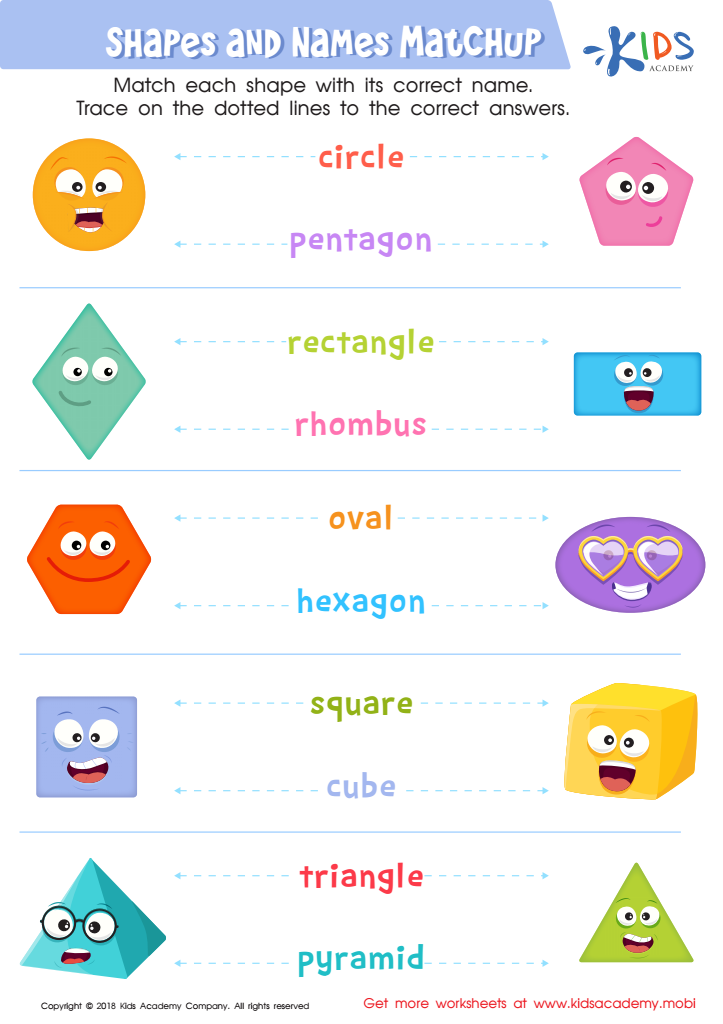
Shapes and Names Matchup Worksheet







Math skills development for children ages 7-9 is vital for numerous reasons. During these formative years, students develop foundational math concepts that serve as the building blocks for more complex mathematical thinking and problem-solving skills. Encouraging early math proficiency sets the stage for academic success in later years.
Mathematical learning enhances cognitive abilities by promoting logical reasoning, critical thinking, and the ability to recognize patterns. These skills are not only crucial for math but also beneficial across other subjects and life situations. For example, children improve their capabilities in science, technology, and even arts where understanding statistics, measurements, shapes, or spatial awareness is essential.
Furthermore, early math skills can contribute to a child’s confidence in their academic abilities. Mastery of basic math concepts enables young learners to tackle school tasks with greater ease, thereby increasing their motivation and engagement in the classroom. A solid math foundation can also spark interest in STEM (Science, Technology, Engineering, Mathematics) careers later in life.
From a real-world perspective, math is ubiquitous. Basic math skills are essential for everyday activities, such as managing money, telling time, and following recipes. Parents and teachers who prioritize math development provide children with tools necessary for lifelong success, both academically and practically. Nurturing math skills between the ages of 7 and 9 lays the groundwork for a future of learning and capability.








