
Recognize patterns Math Worksheets for Ages 7-9
11 filtered results
Difficulty Level
Grade
Age
-
From - To
Subject
Activity
Standards
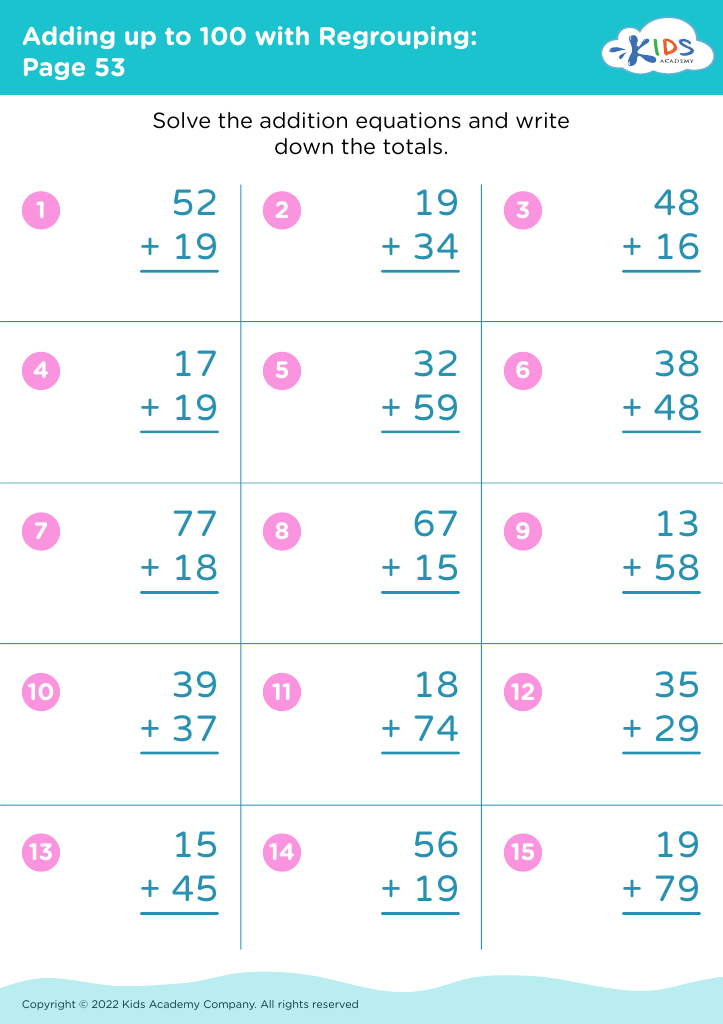
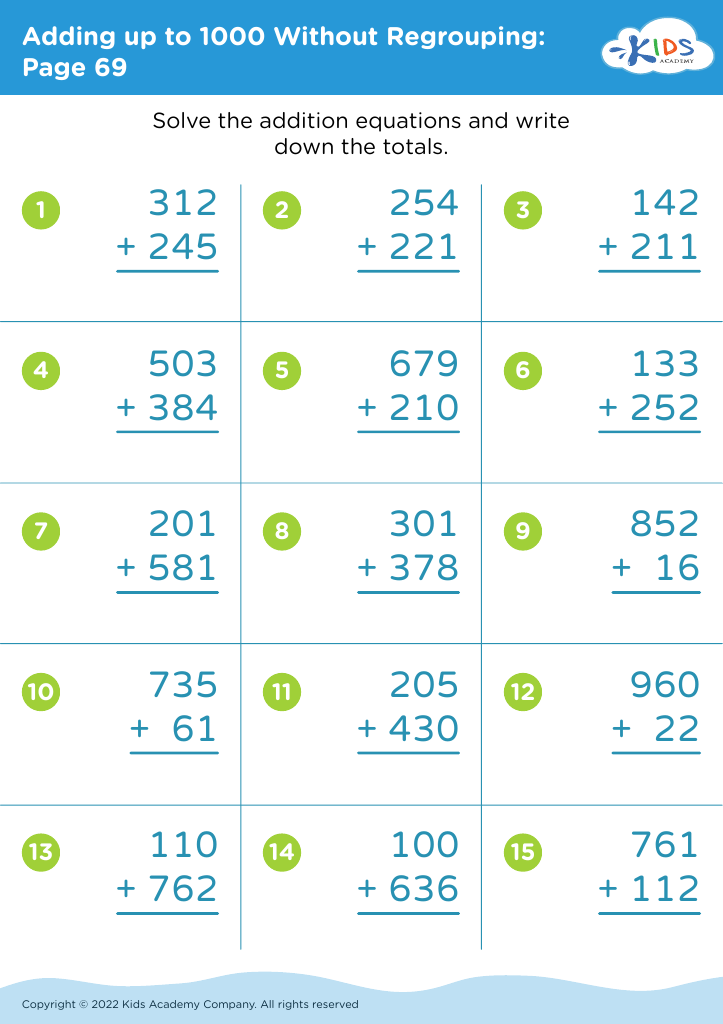
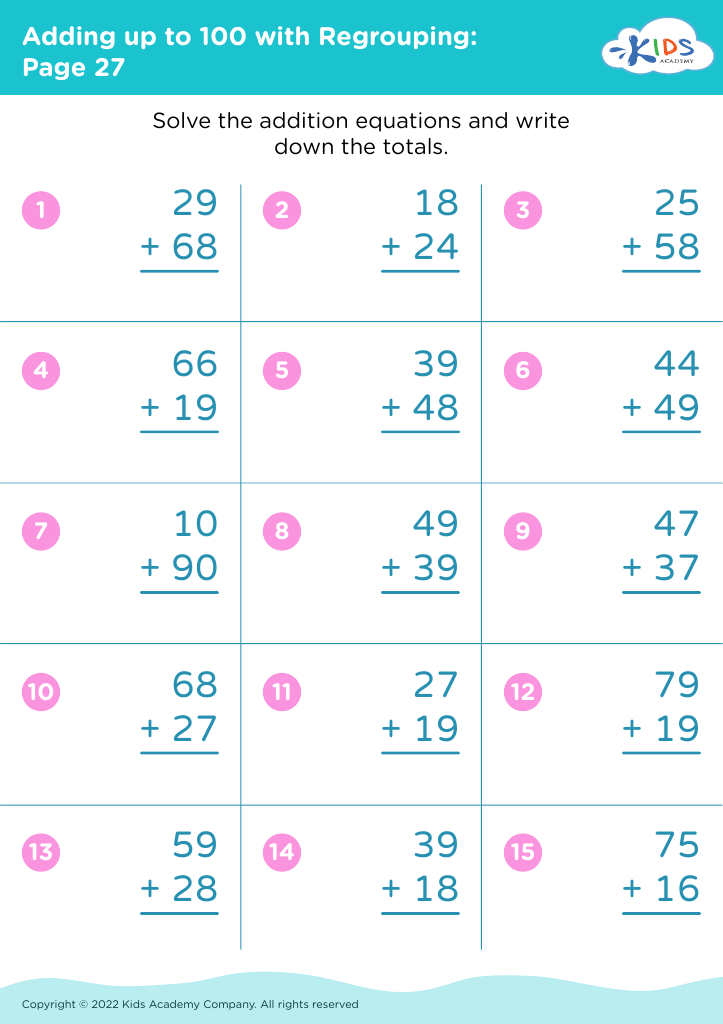
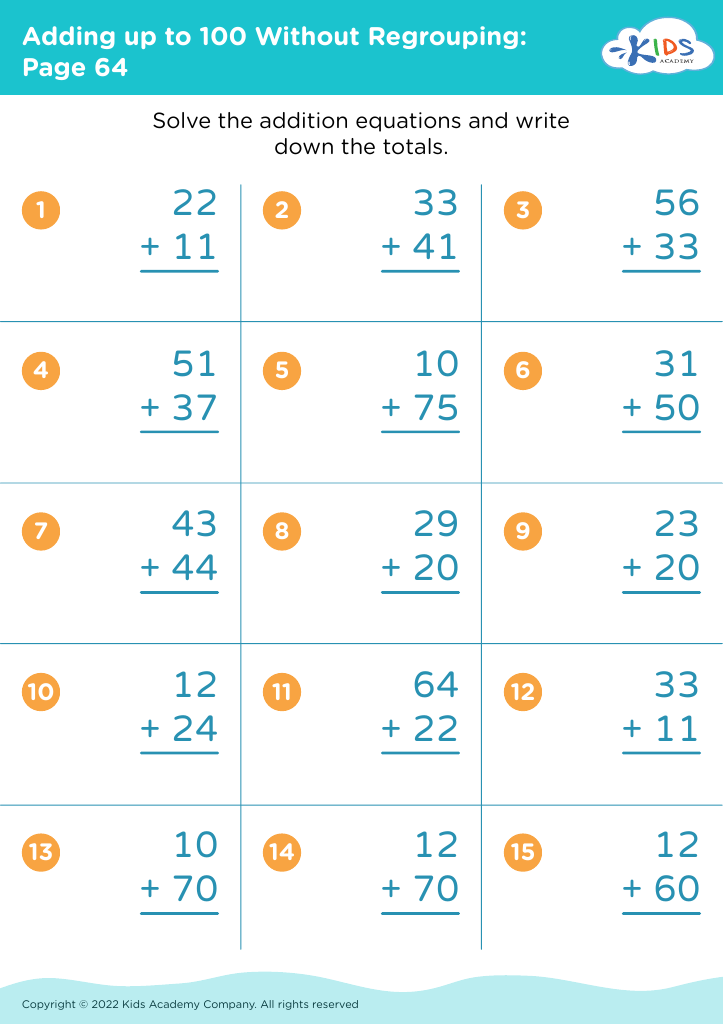
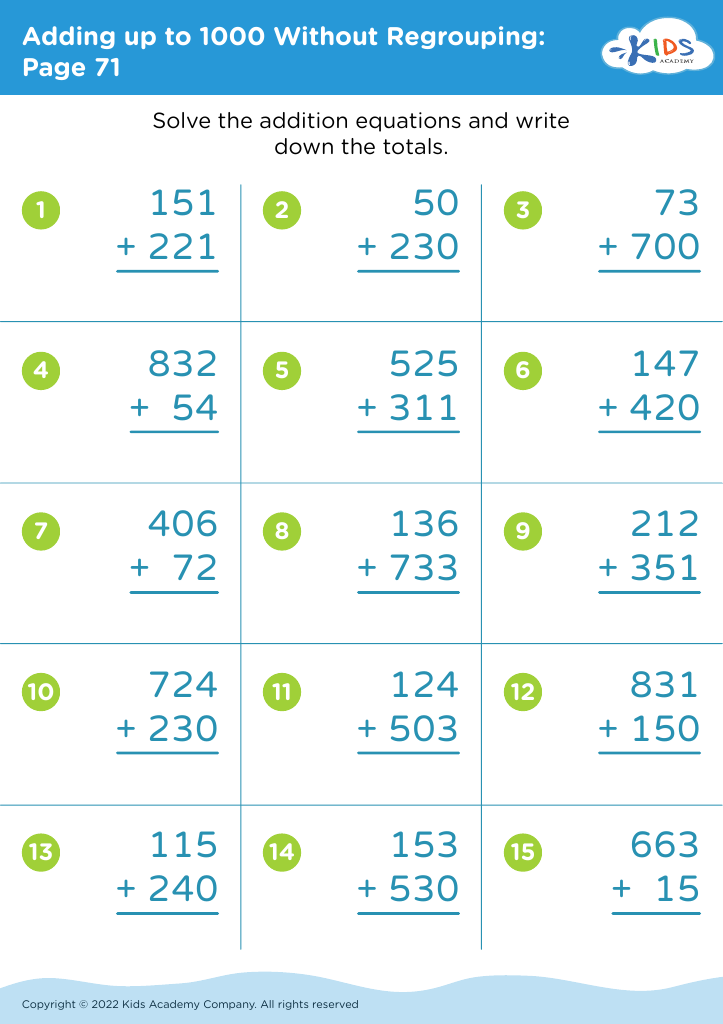
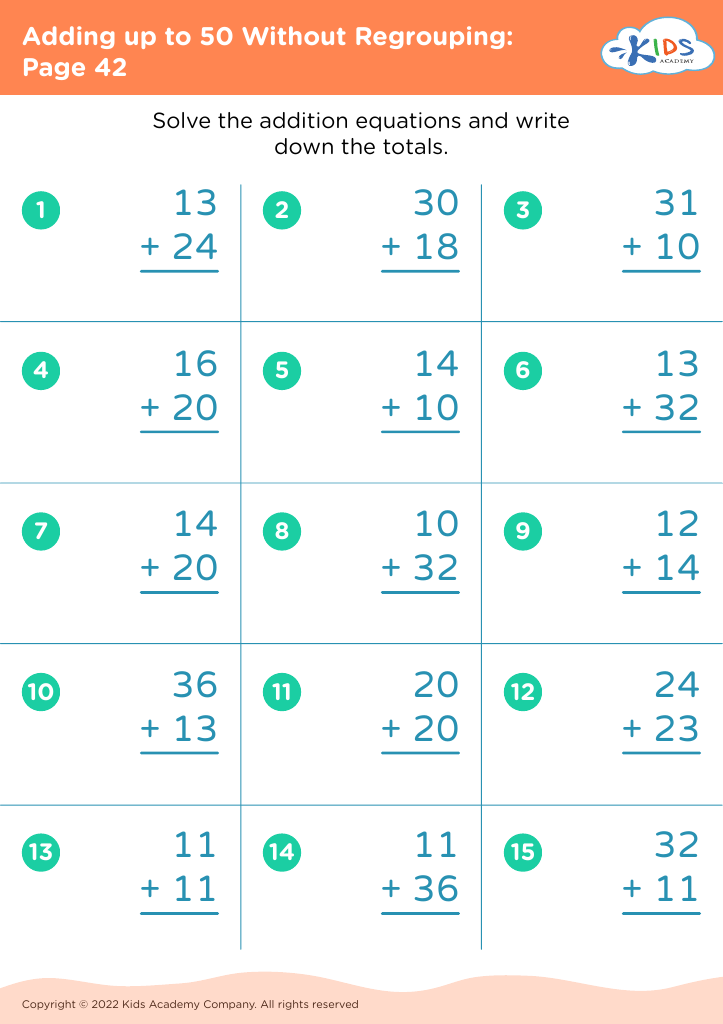
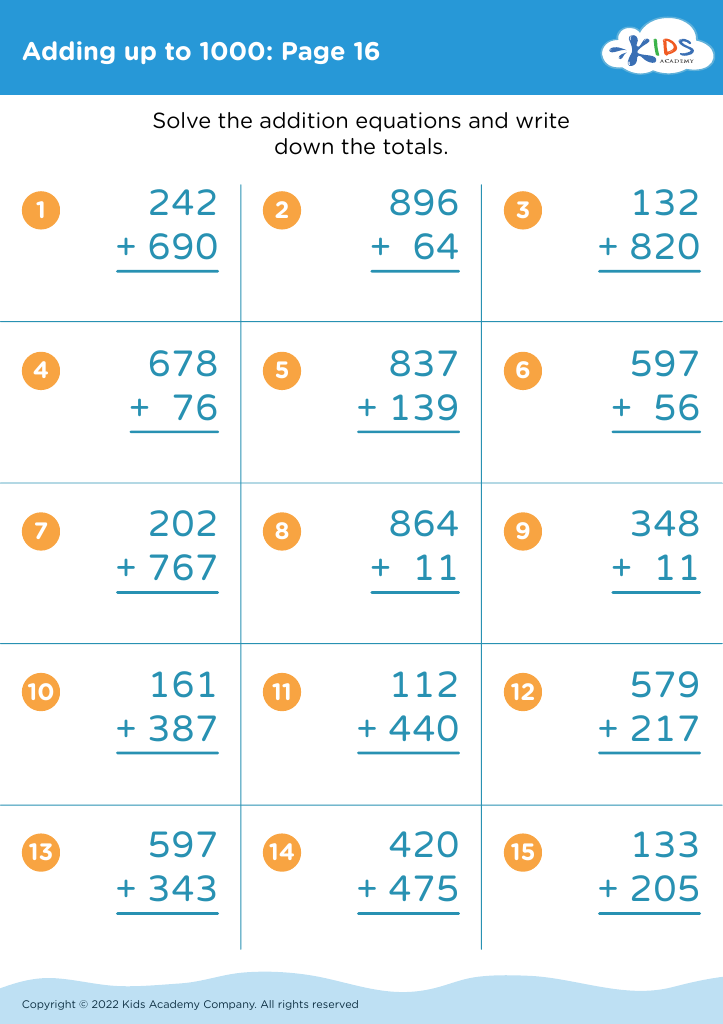
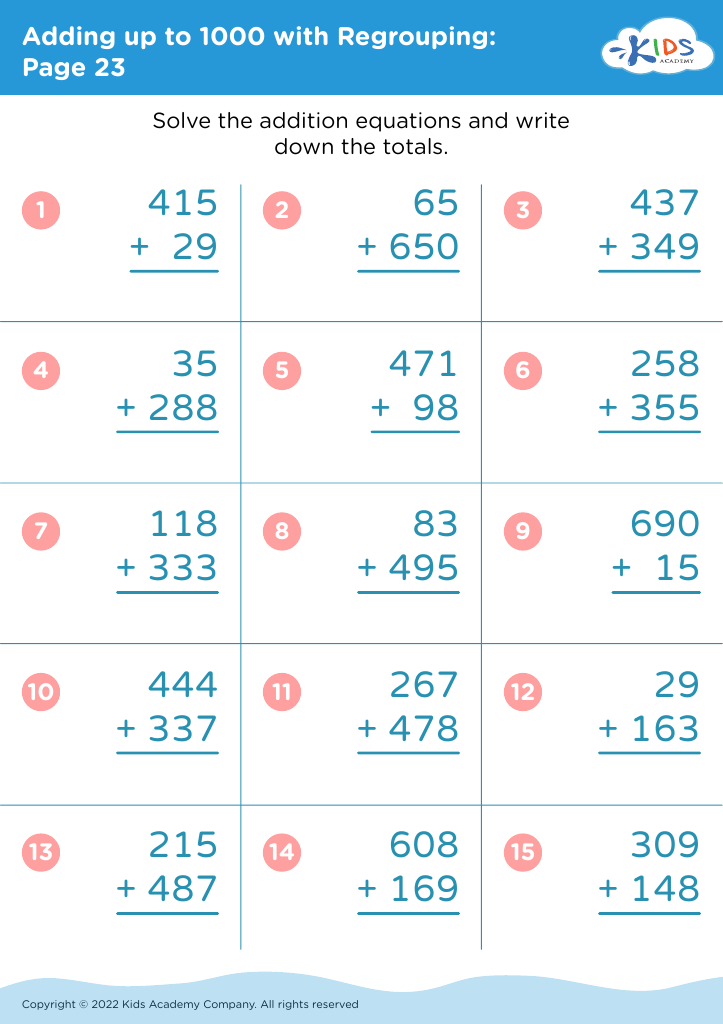
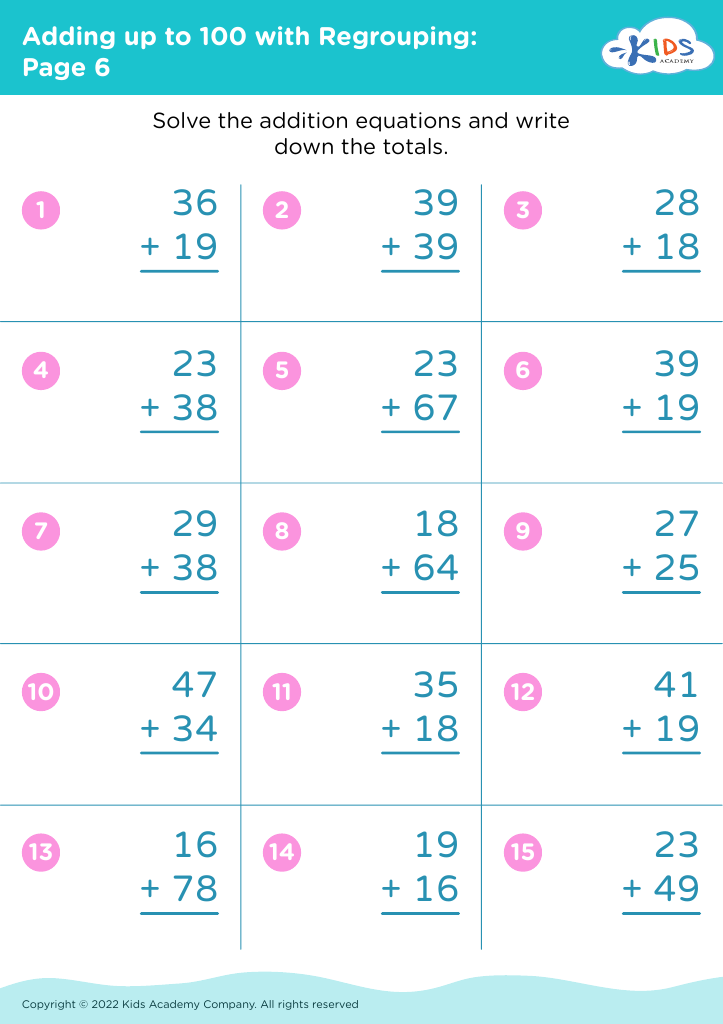
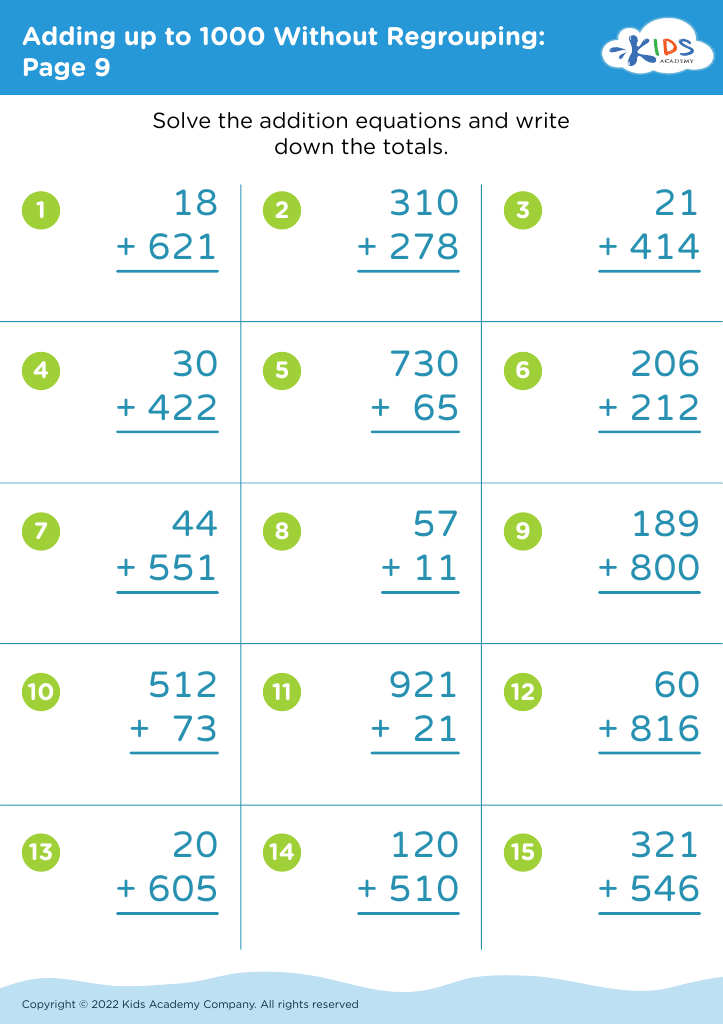
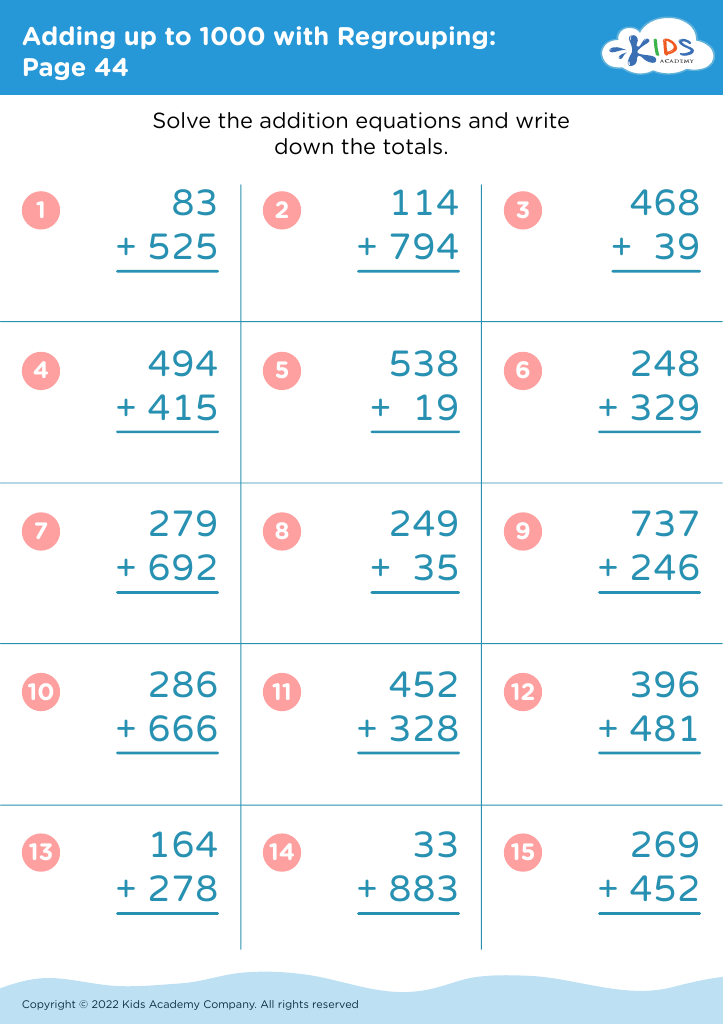
Discover our engaging "Recognize Patterns Math Worksheets" designed specifically for children ages 7-9! These worksheets provide young learners with a fun and interactive way to develop their pattern recognition skills, a crucial math competency. Each worksheet features vibrant illustrations and a variety of exercises, including identifying, completing, and creating patterns using numbers, shapes, and colors. Perfect for home or classroom use, these resources encourage critical thinking and enhance cognitive development. Foster your child's mathematical abilities with our carefully crafted worksheets, ensuring a solid foundation for more advanced concepts in the future. Start exploring the world of patterns today!
Favorites
With answer key
Interactive
Join Kids Academy for Free
Who is primarily going to use this learning content?


.jpg)


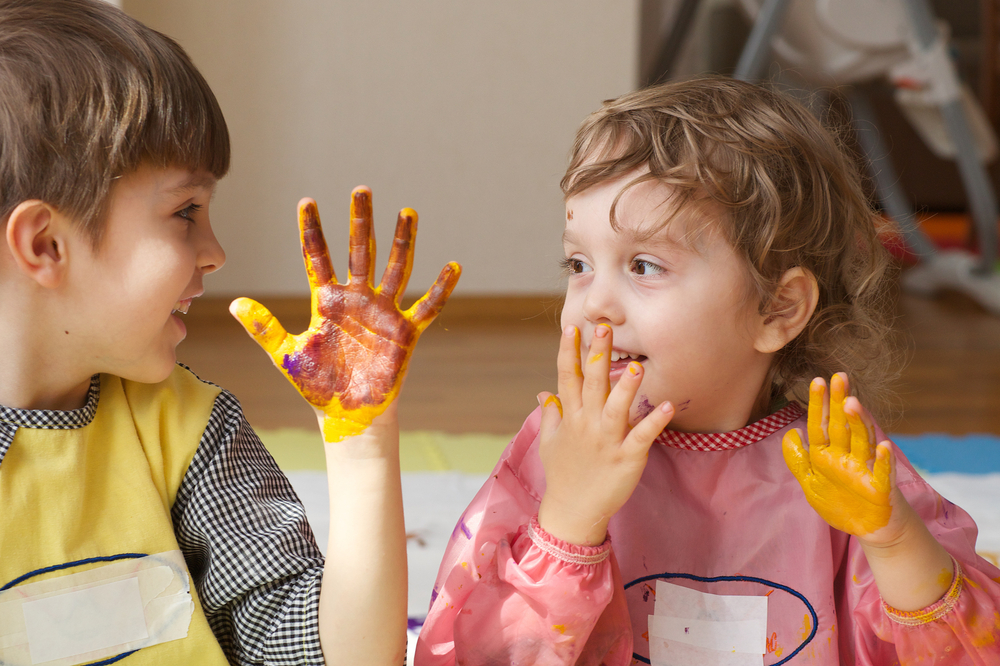


Recognizing patterns in mathematics is crucial for children aged 7-9 as it forms the foundation for more advanced mathematical concepts. At this developmental stage, children begin to make connections between numbers and understand relationships, which enhances their problem-solving skills. When parents and teachers emphasize pattern recognition, they help children strengthen their analytical thinking and reasoning abilities, critical skills for future learning.
Engaging with patterns also fosters a deeper understanding of mathematical operations. For instance, identifying patterns in addition or multiplication can lead to quicker and more accurate calculations. Moreover, recognizing patterns crosses into various subjects, including science and art, promoting interdisciplinary learning.
Developing a strong pattern recognition skill set also boosts children's confidence in math, alleviating math anxiety and encouraging them to engage more actively with the subject. Parents and teachers can facilitate this process through fun activities, games, and real-life examples, ensuring learning is enjoyable and relatable.
Ultimately, prioritizing patterns in math not only enhances cognitive development but also fosters a love for learning, empowering children to tackle more complex challenges as they progress in their education. This solid groundwork will serve them well into their future academic careers.








