Shape Recognition Math Worksheets for Ages 7-9 - Page 2
76 filtered results
-
From - To
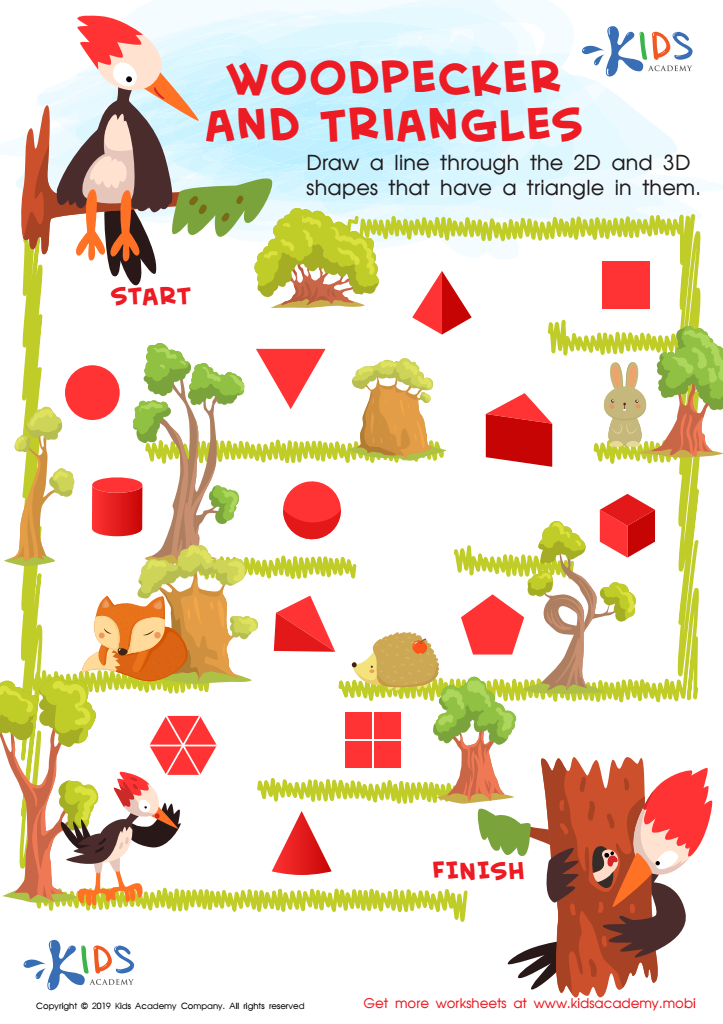
Woodpecker and Triangles Worksheet
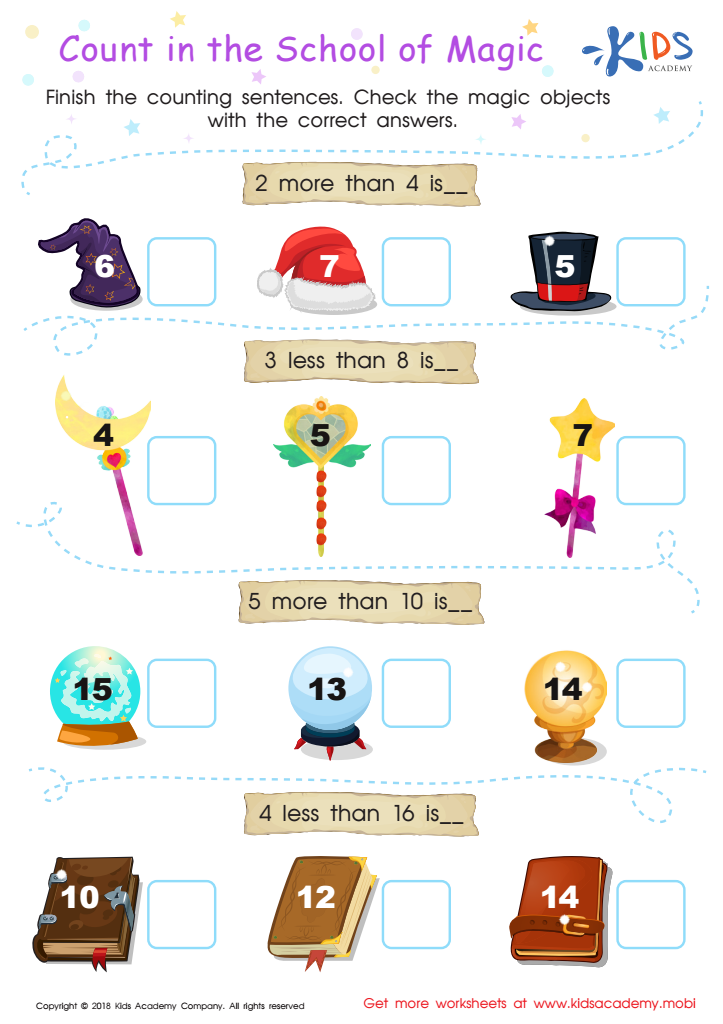
Count in the School of Magic Worksheet
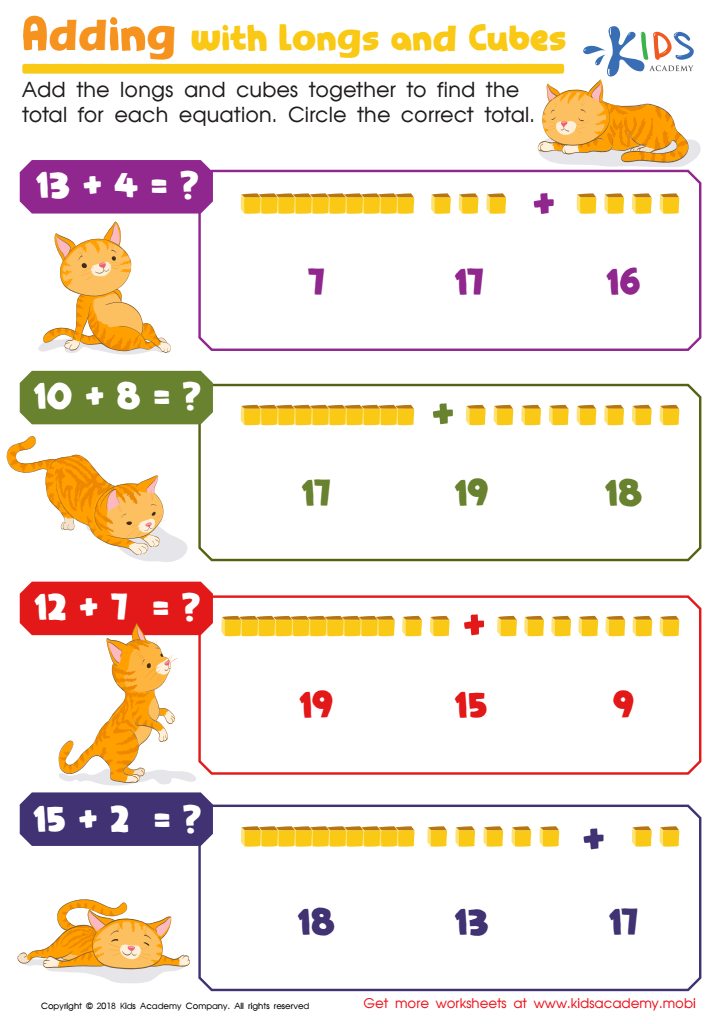
Adding With Longs and Cubes Worksheet
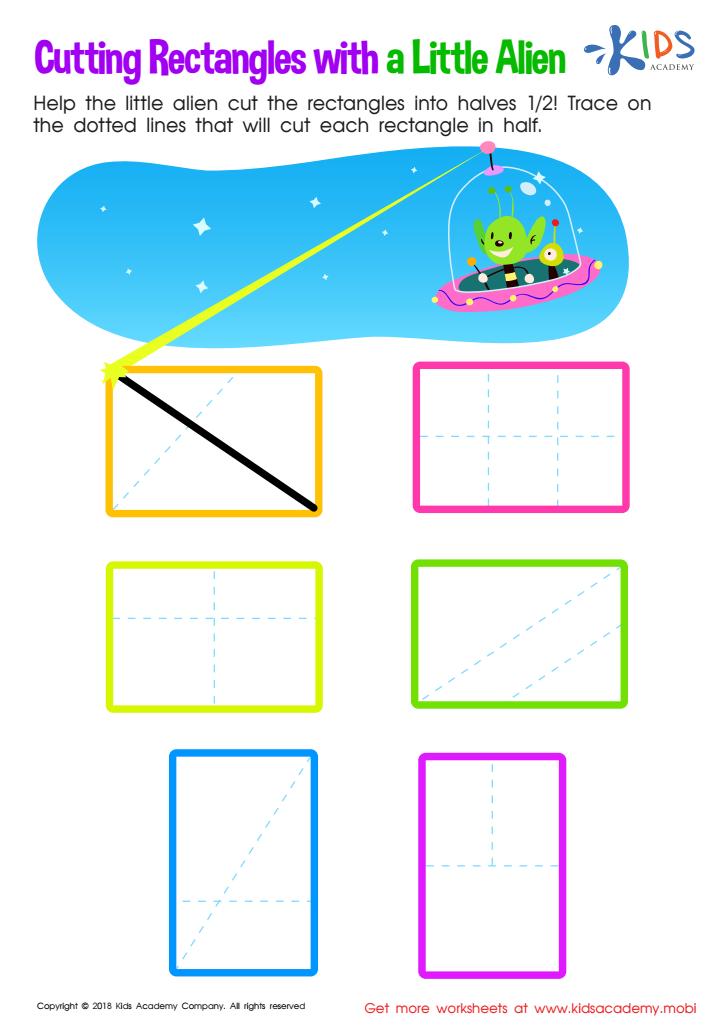
Cutting Rectangles with Alien Worksheet
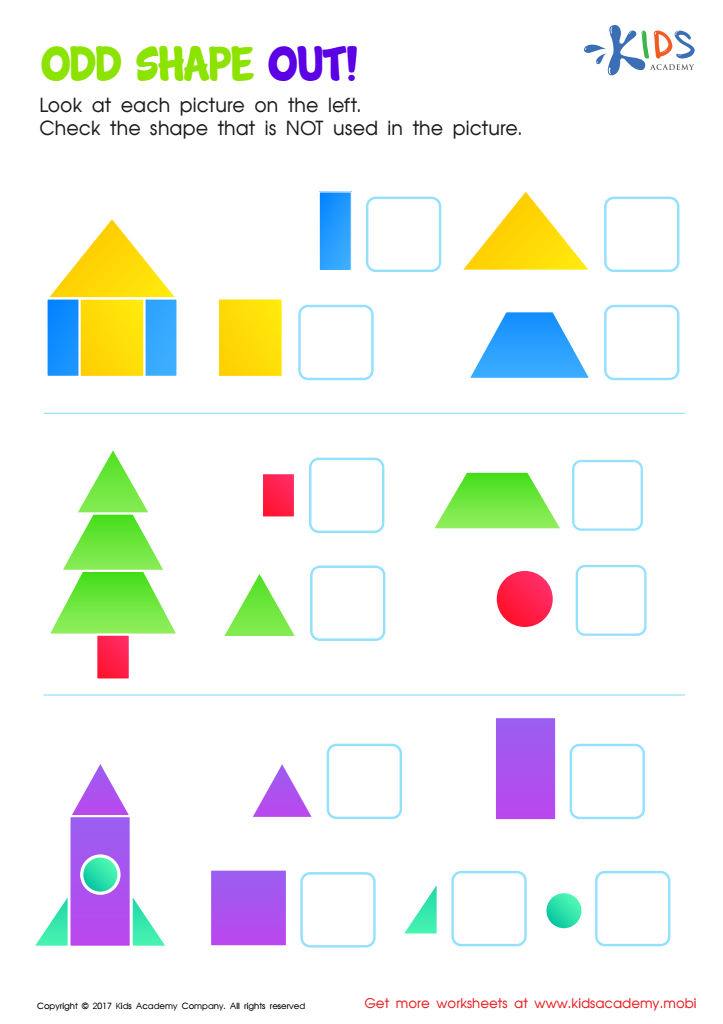
Odd Shape Out Worksheet for Grade 1
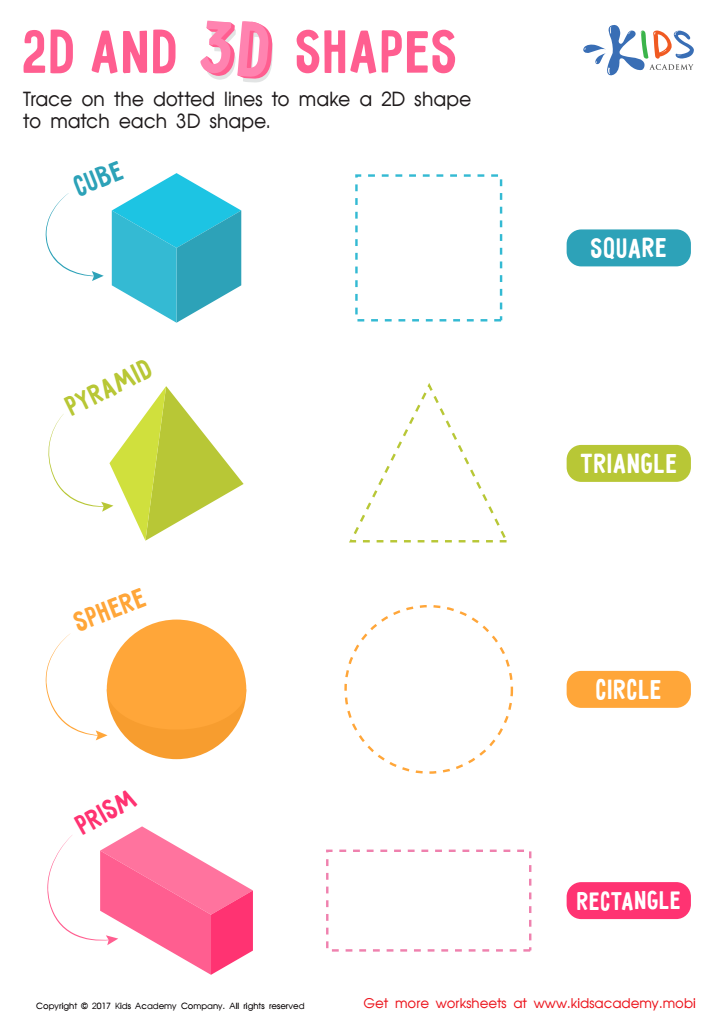
2D and 3D Shapes Worksheet
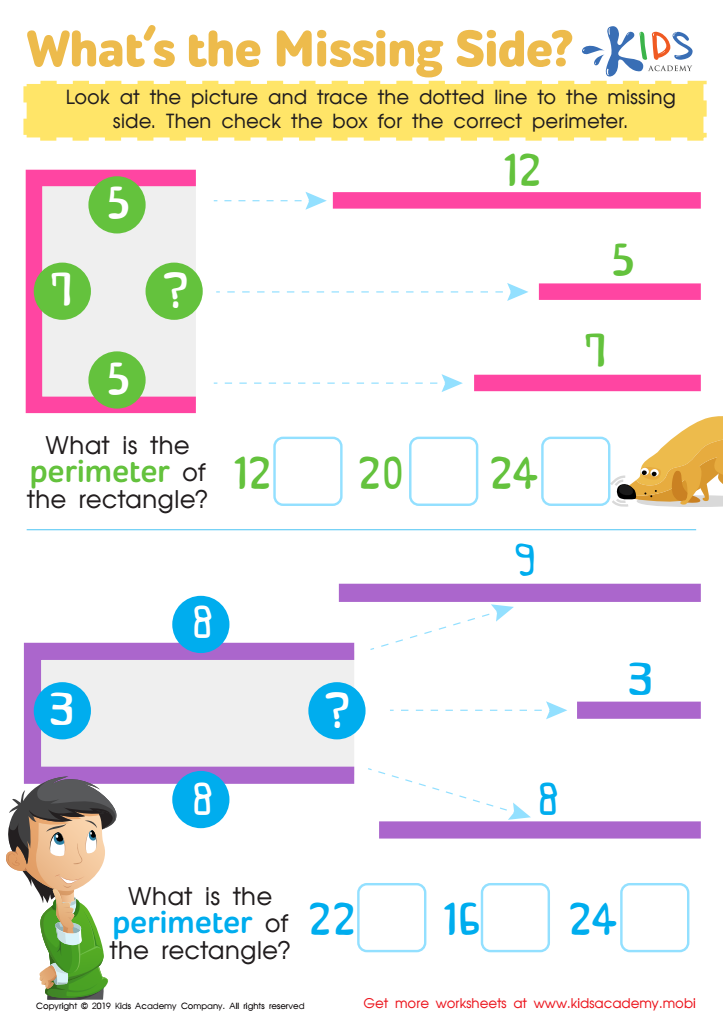
What's the Missing Side Worksheet
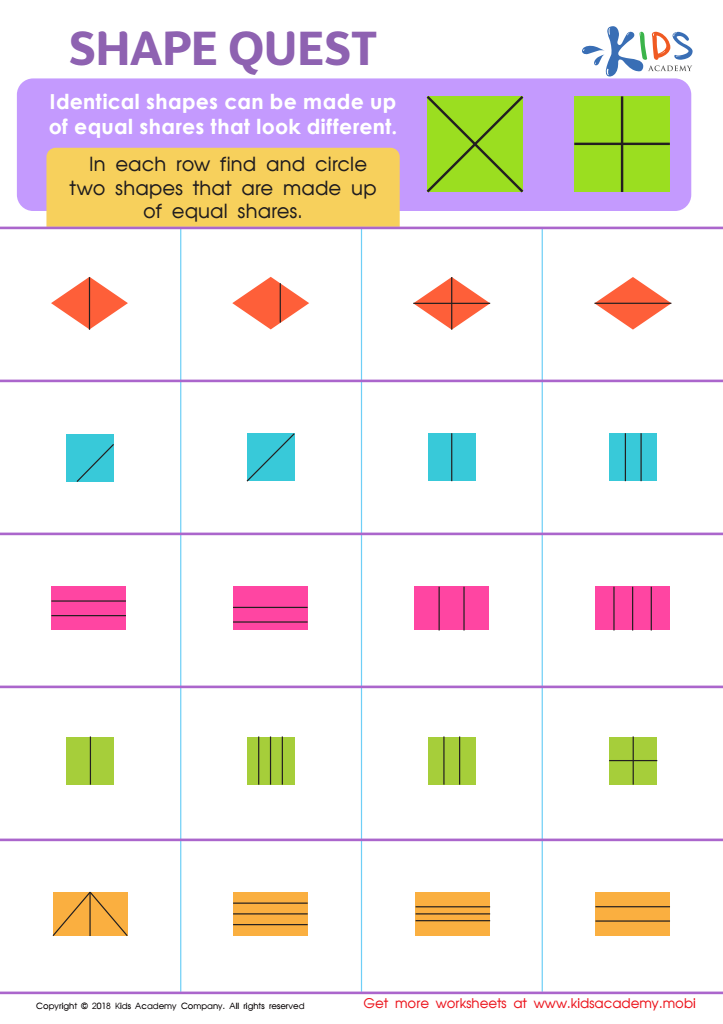
Shape Quest Worksheet
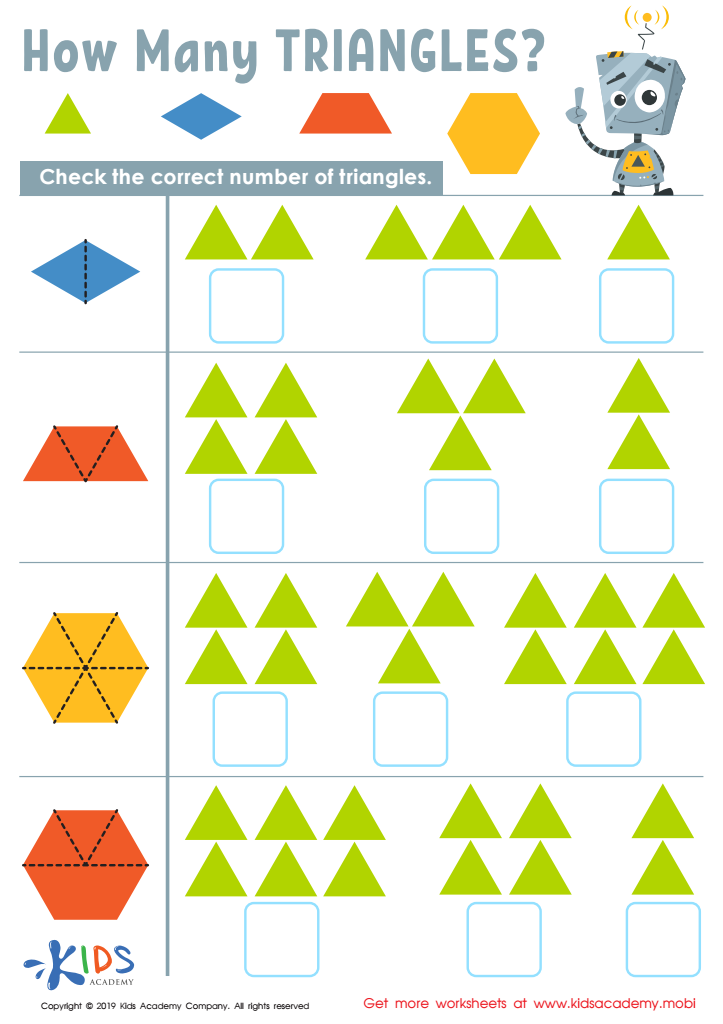
How Many Triangles Worksheet
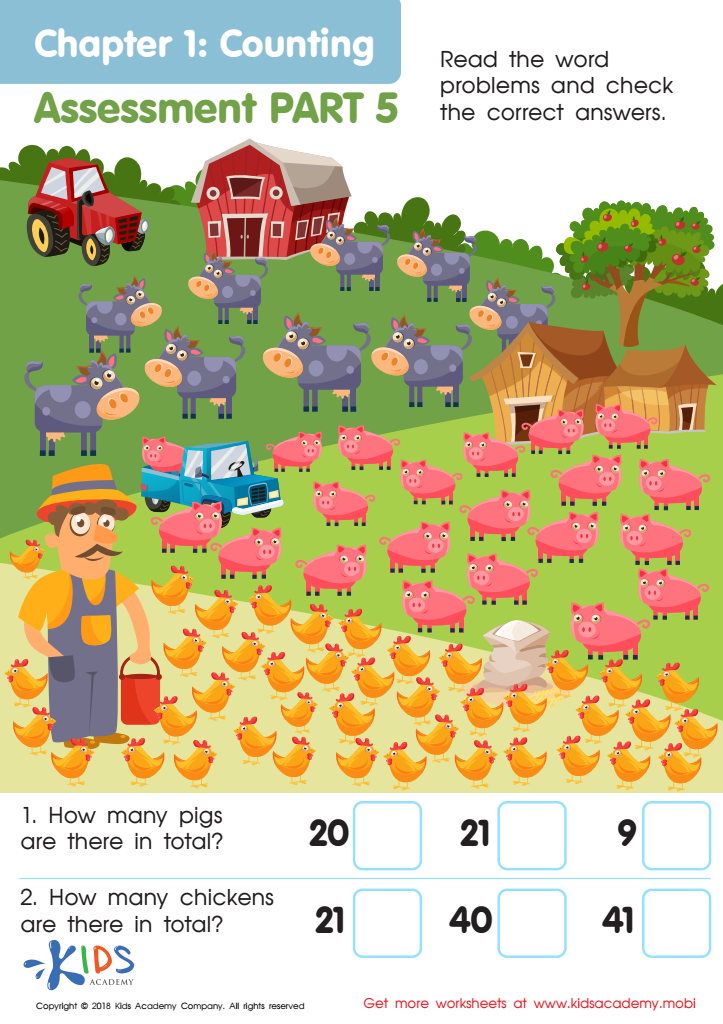
Counting: Assessment 5 Worksheet
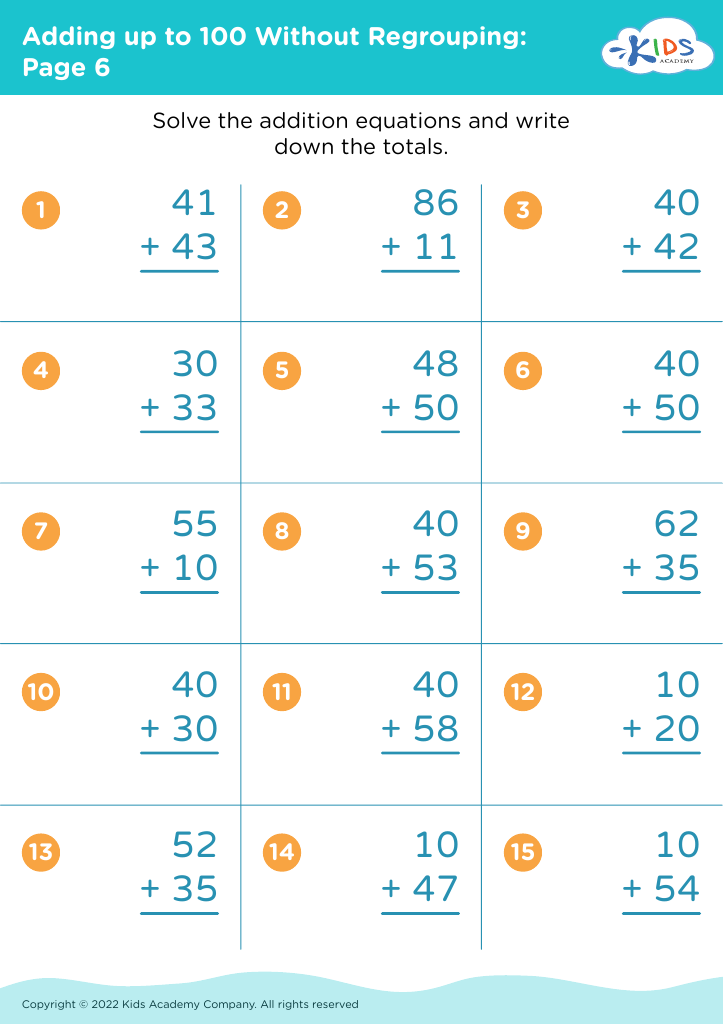
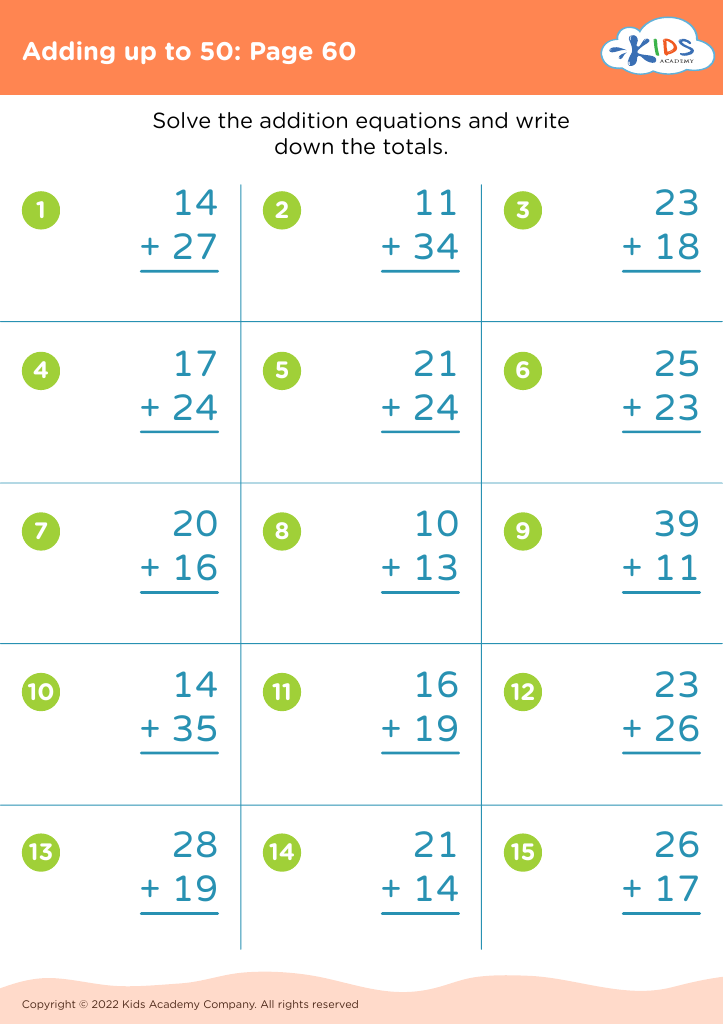
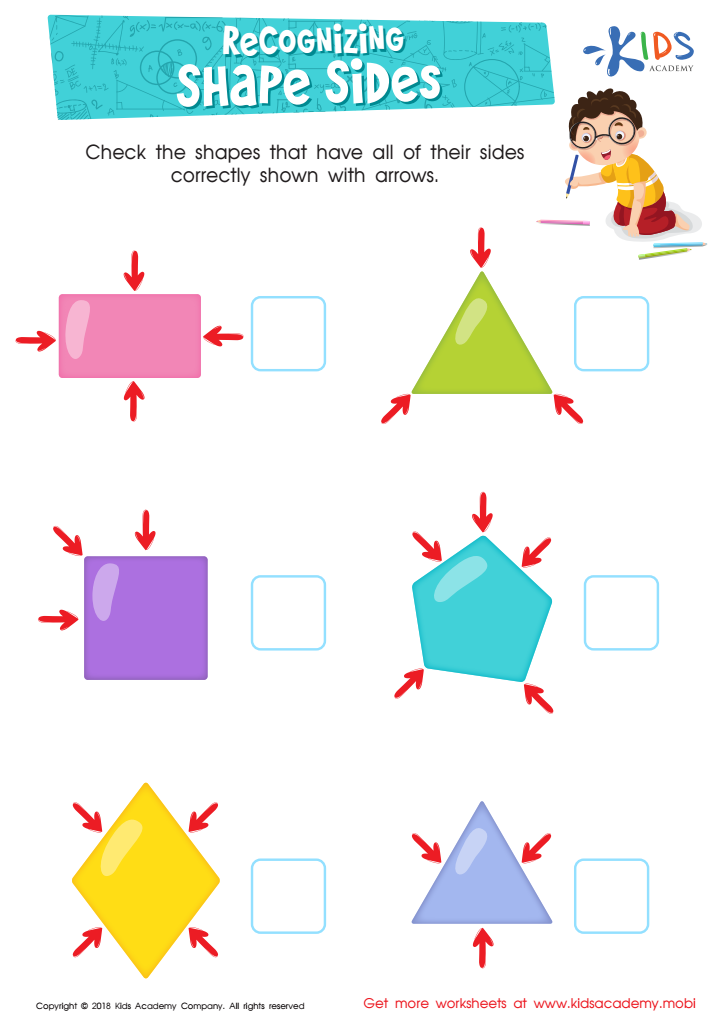
Recognizing Shape Sides Worksheet
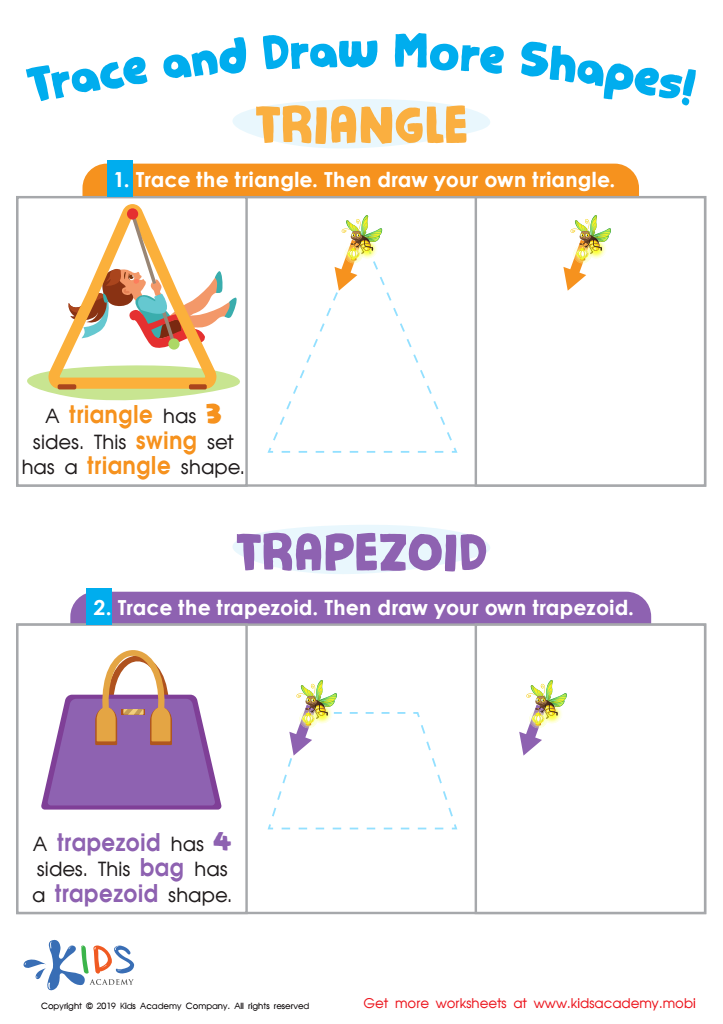
Trace and Draw More Shapes Worksheet
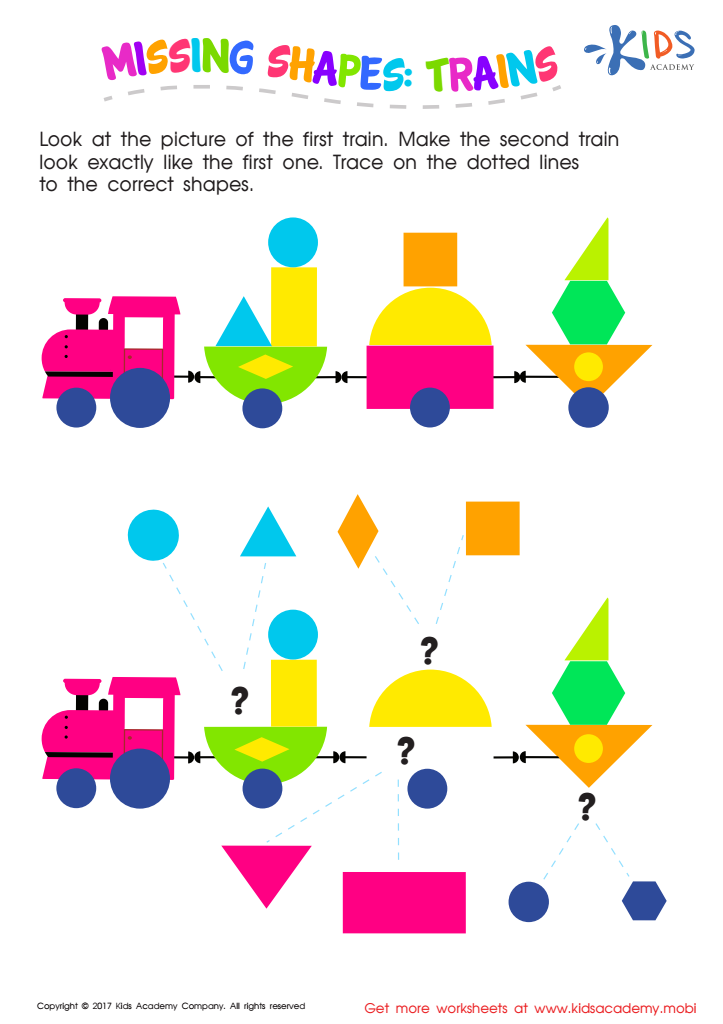
Missing Shapes: Trains Worksheet
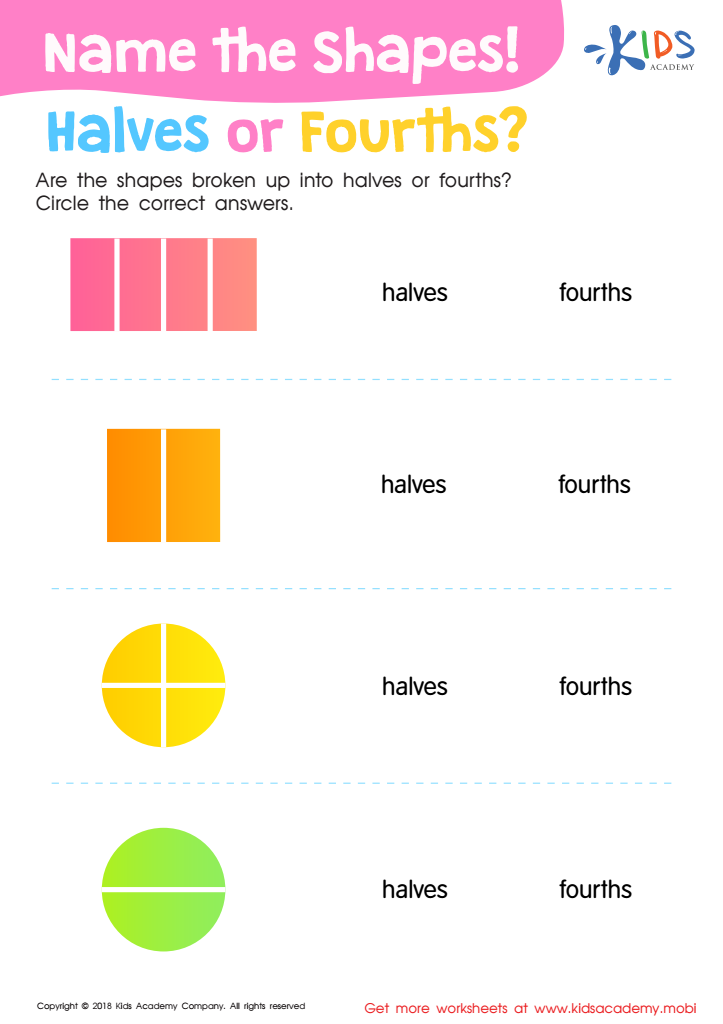
Name the Shapes Halves or Fourths? Worksheet
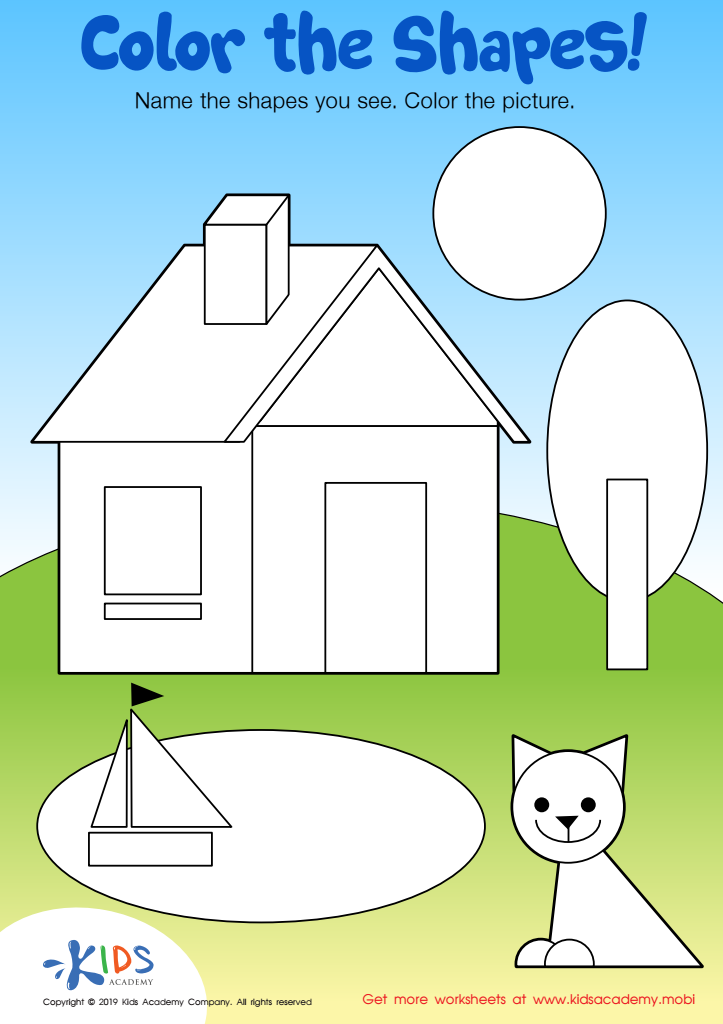
Color the Shapes Worksheet
 Assign to My Students








Shape recognition is a fundamental aspect of early mathematics education, particularly for children aged 7 to 9, as it lays the groundwork for more advanced mathematical concepts. At this stage, children develop critical spatial awareness and reasoning skills, which are essential for problem-solving and analytical thinking. Recognizing shapes helps students understand geometric properties and relationships, fostering a broader preparation for subjects like geometry and algebra in later grades.
Additionally, shape recognition enhances cognitive development by promoting pattern recognition and classification skills. These abilities not only support mathematical learning but also encourage creativity and observation in everyday life, aiding in tasks such as map reading and architectural design.
Moreover, integrating shape recognition into learning engages students more effectively, creating a fun and interactive educational experience that enhances their motivation and enthusiasm for math. By prioritizing this area of learning, parents and teachers can cultivate a strong foundation of confidence and competence in math, influencing children’s academic pathways positively. Ultimately, shape recognition not only enriches children's mathematical foundations but also contributes to essential skills that they will carry into adulthood, fostering a lifelong appreciation for mathematics and its applications in the world around them.








