Data interpretation Measurement Worksheets for Ages 7-9
9 filtered results
-
From - To
Discover our engaging Data Interpretation Measurement Worksheets designed for children ages 7-9. These thoughtfully crafted resources help young learners develop essential skills in reading and interpreting data through enjoyable exercises. Your child will explore various measurements, including length, weight, and volume, while sharpening their analytical skills in real-world contexts. Featuring colorful visuals and interactive activities, our worksheets create a fun and stimulating learning environment. Perfect for both classroom and home use, these worksheets empower kids to understand and analyze data effectively, laying a strong foundation for future mathematical success. Encourage critical thinking and boost confidence with our Data Interpretation Measurement Worksheets today!
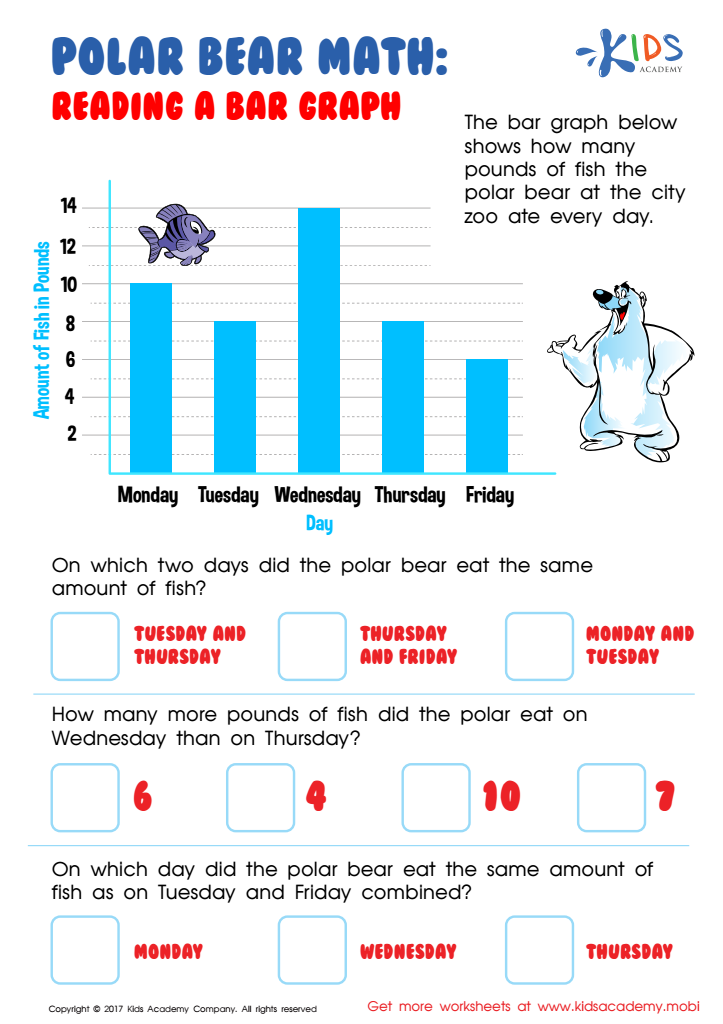
Reading Bar Graph Worksheet
 Assign to My Students
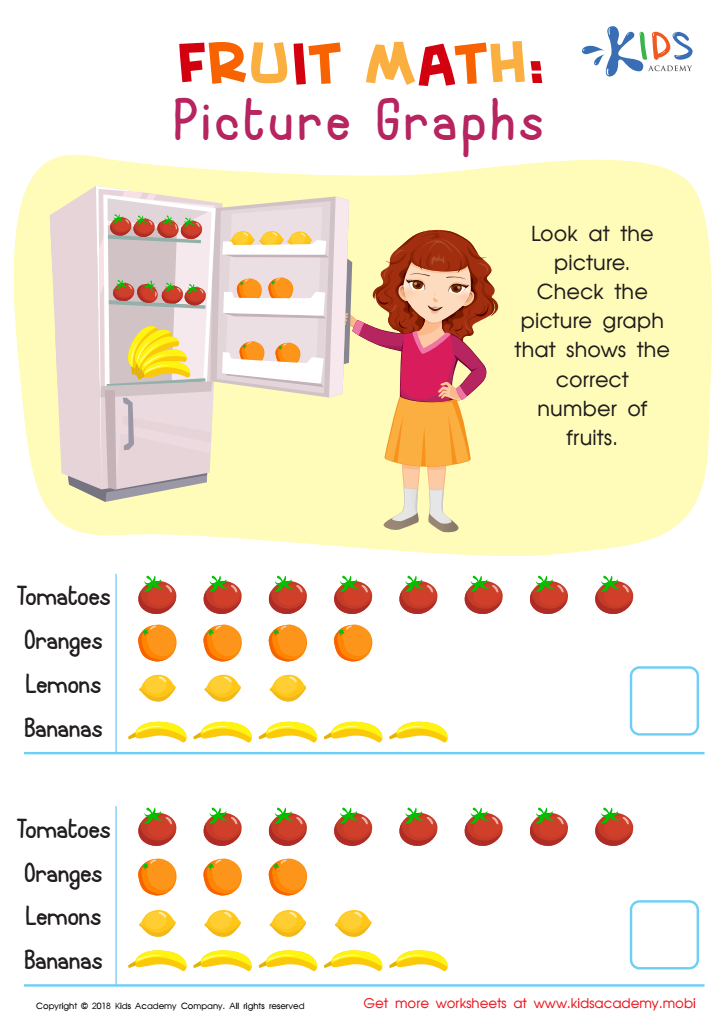
Fruit Math: Picture Graphs Worksheet
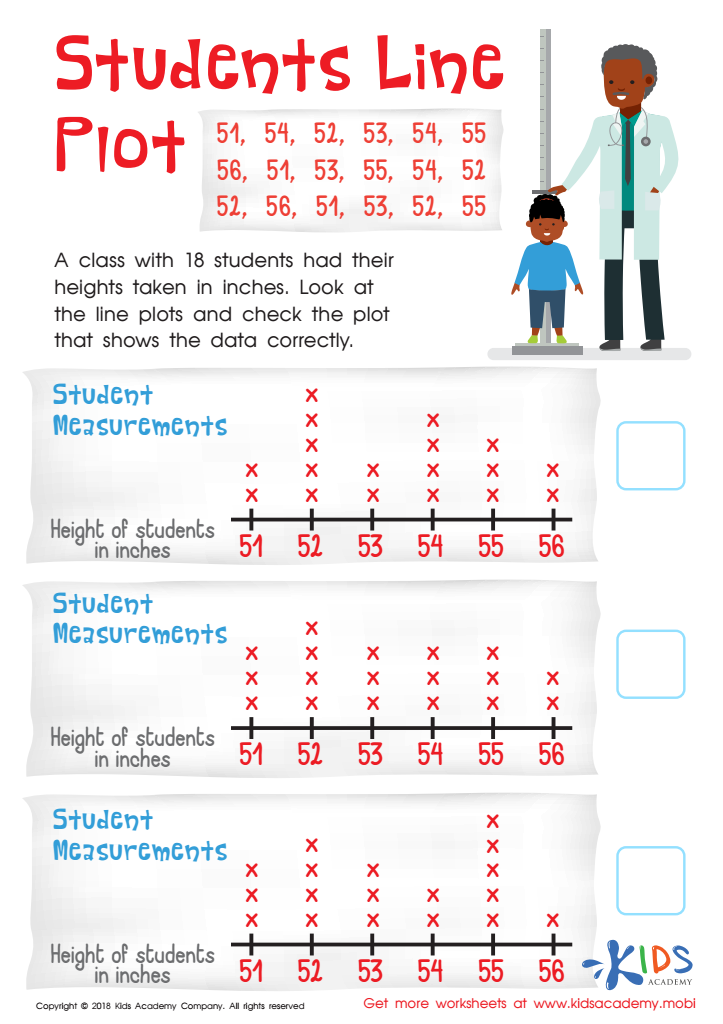
Students Line Plot Worksheet
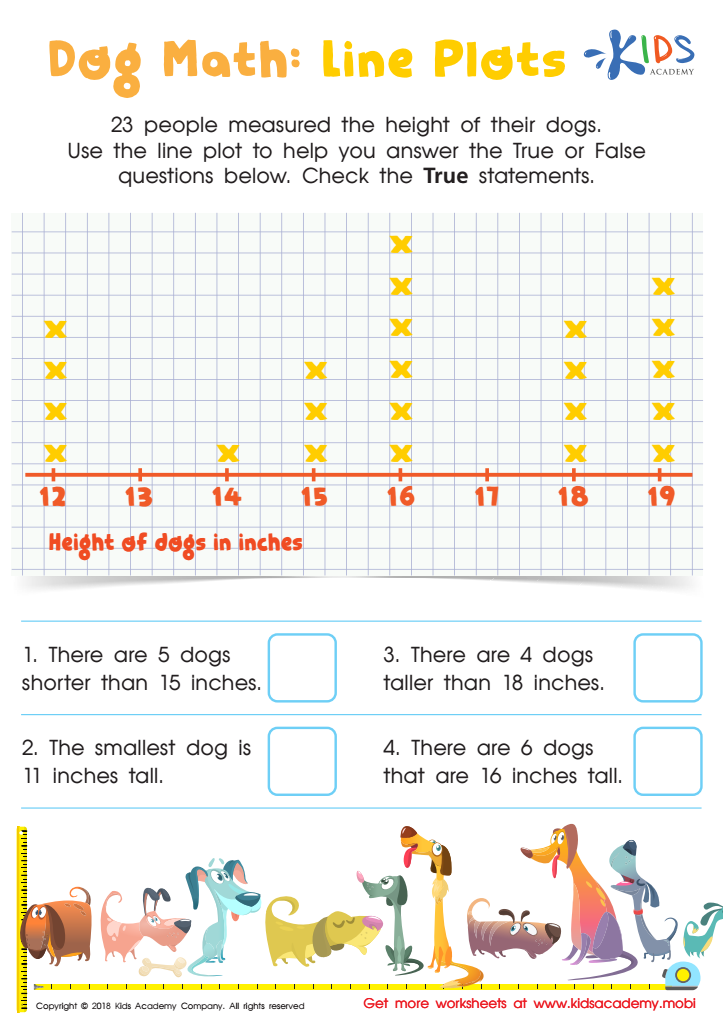
Dog Math: Line Plots Worksheet
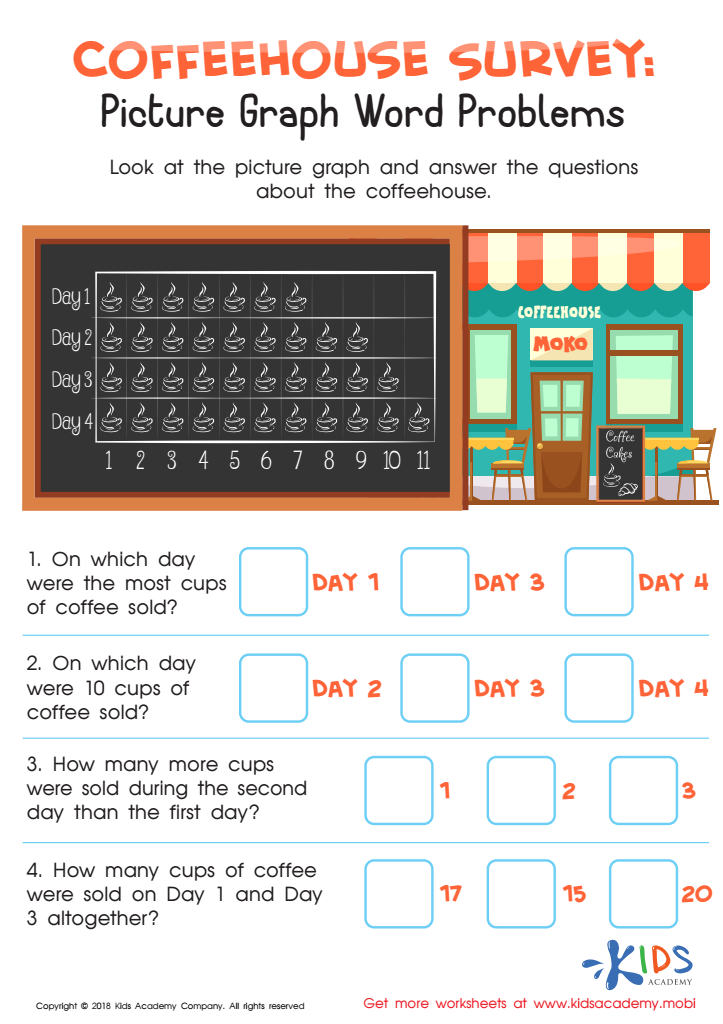
Coffeehouse Survey: Picture Graph Word Problems Worksheet
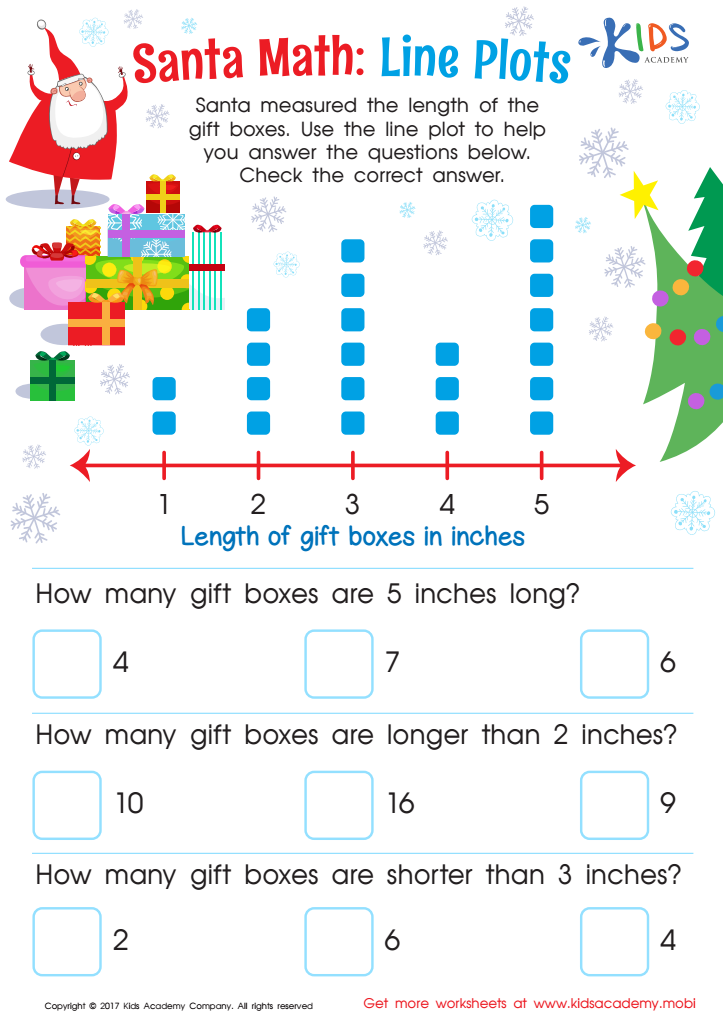
Line Plot Worksheet
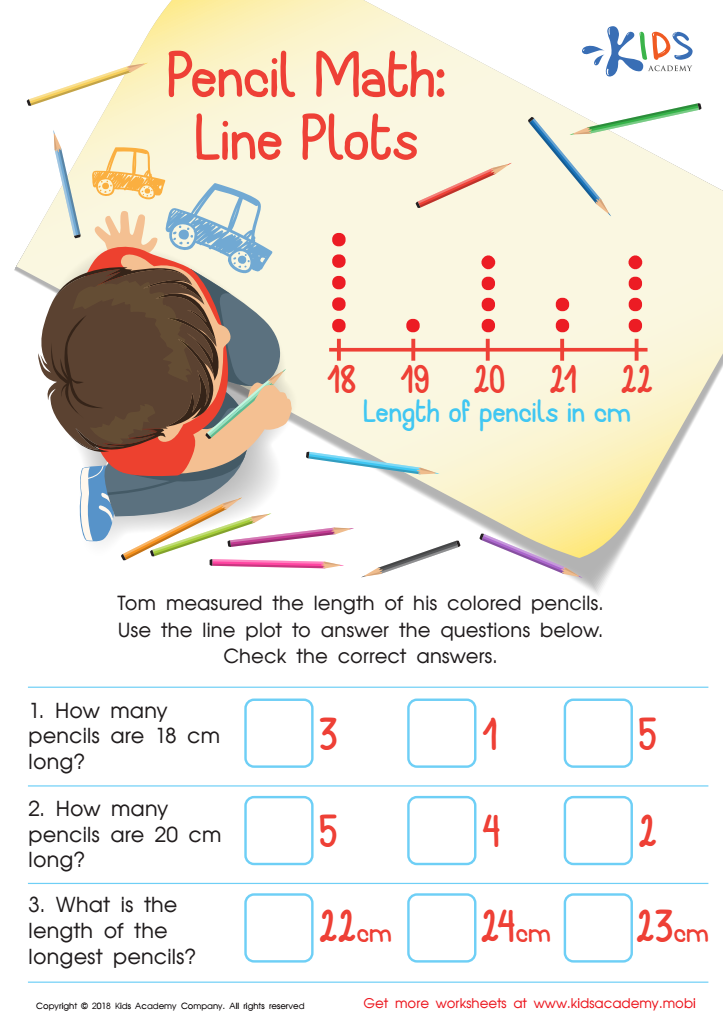
Pencil Math: Line Plots Worksheet
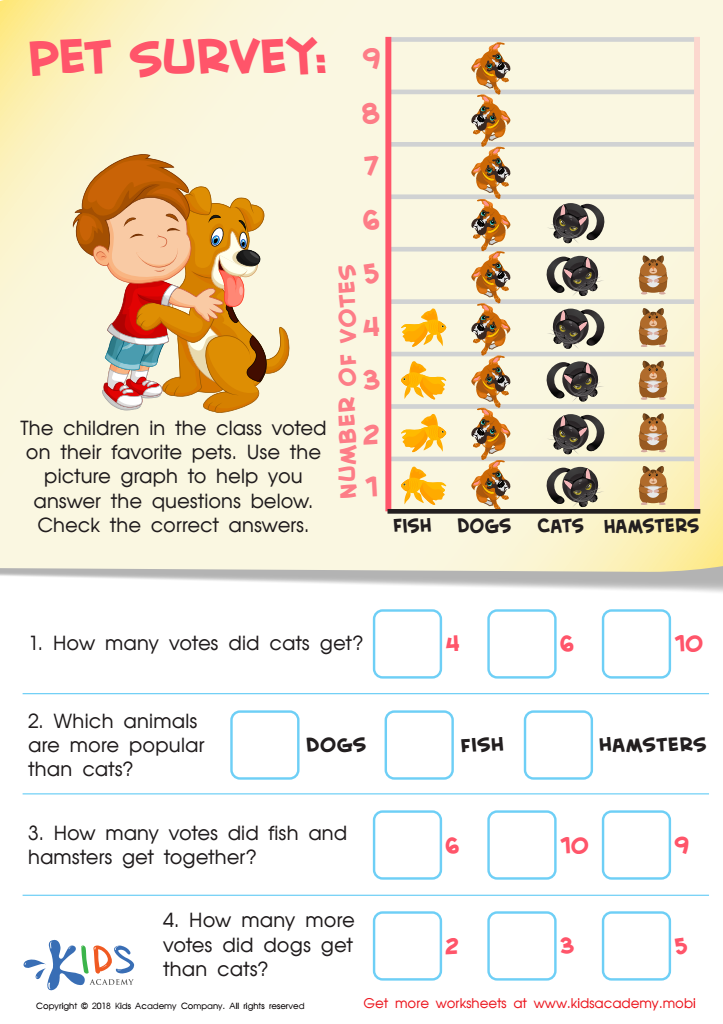
Pet Survey Worksheet
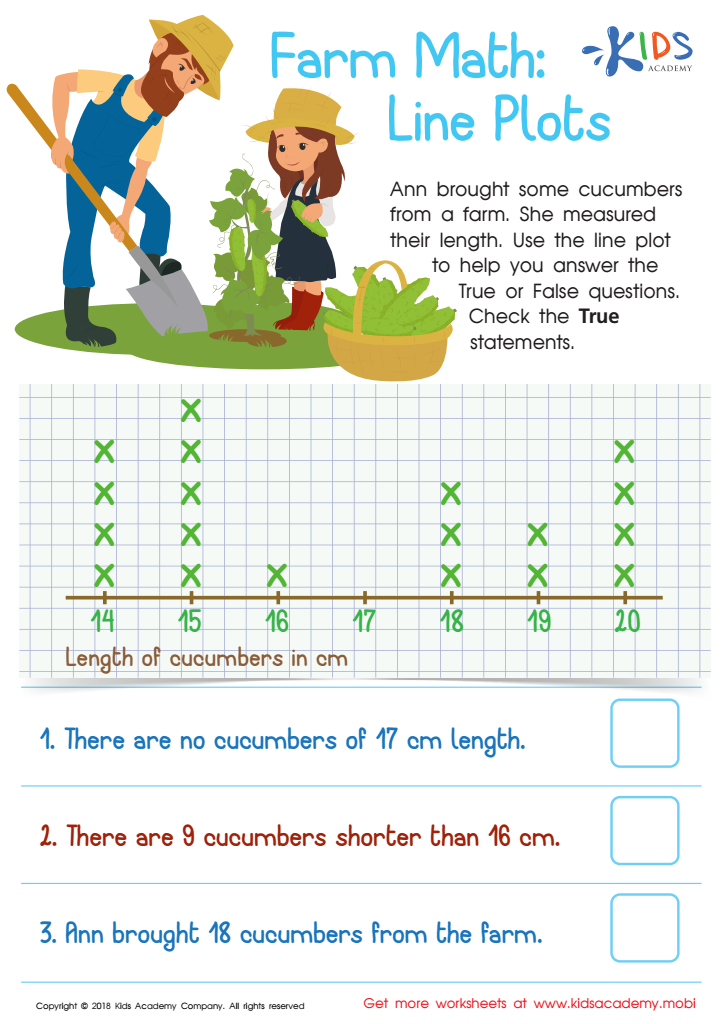
Farm Math: Line Plots Worksheet








Data interpretation and measurement are fundamental skills that play a crucial role in the early education of children aged 7-9. During this developmental stage, students are beginning to grasp more complex ideas, and these skills serve as building blocks for their future learning.
Understanding data interpretation helps students analyze information presented in charts, graphs, and tables. This skill is essential not just academically but also for everyday decision-making, like understanding sports statistics or reading weather reports. Engaging with real-world data cultivates critical thinking and problem-solving skills, empowering children to navigate an increasingly data-driven society.
Measurement, on the other hand, introduces students to concepts of length, weight, volume, and time. Learning to measure accurately is vital in various contexts—from cooking to constructing projects. It fosters an understanding of the world around them and teaches precision and estimation skills.
Together, these competencies instill confidence in mathematical abilities and encourage curiosity about various subjects, including science and economics. Parents and teachers should care about these experiences because nurturing these skills prepares children for future academic success and equips them with essential life skills that will serve them throughout their lives. By fostering data interpretation and measurement, educators and families can help children become informed, analytical adults.








