
Counting skills Building Vocabulary Worksheets for Ages 7-9
20 filtered results
Difficulty Level
Grade
Age
-
From - To
Subject
Activity
Standards
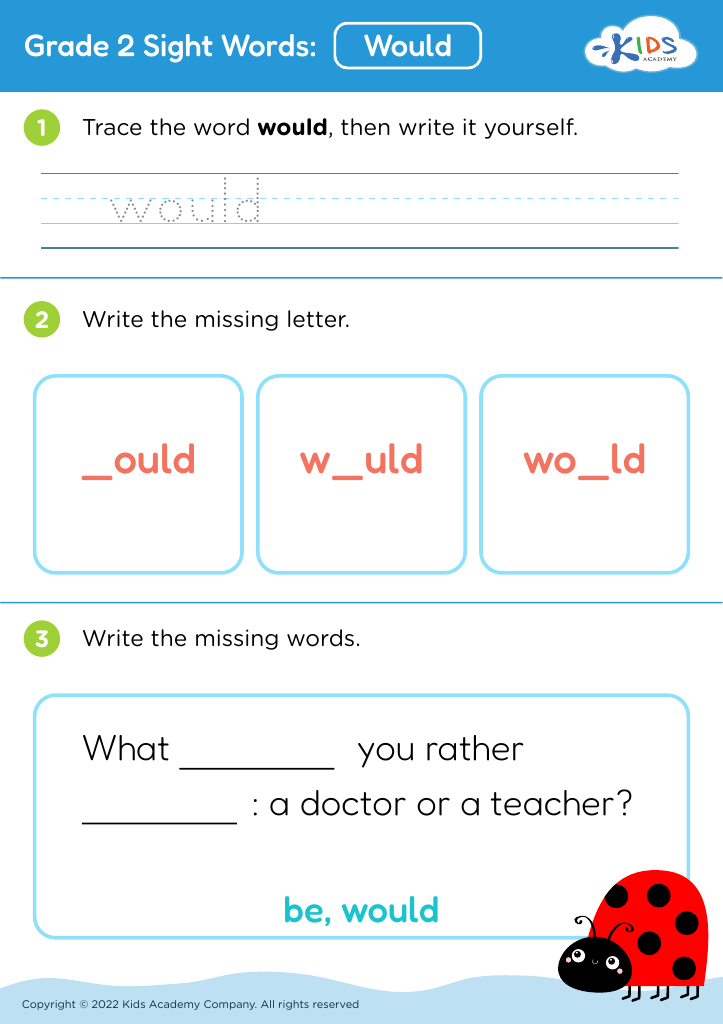
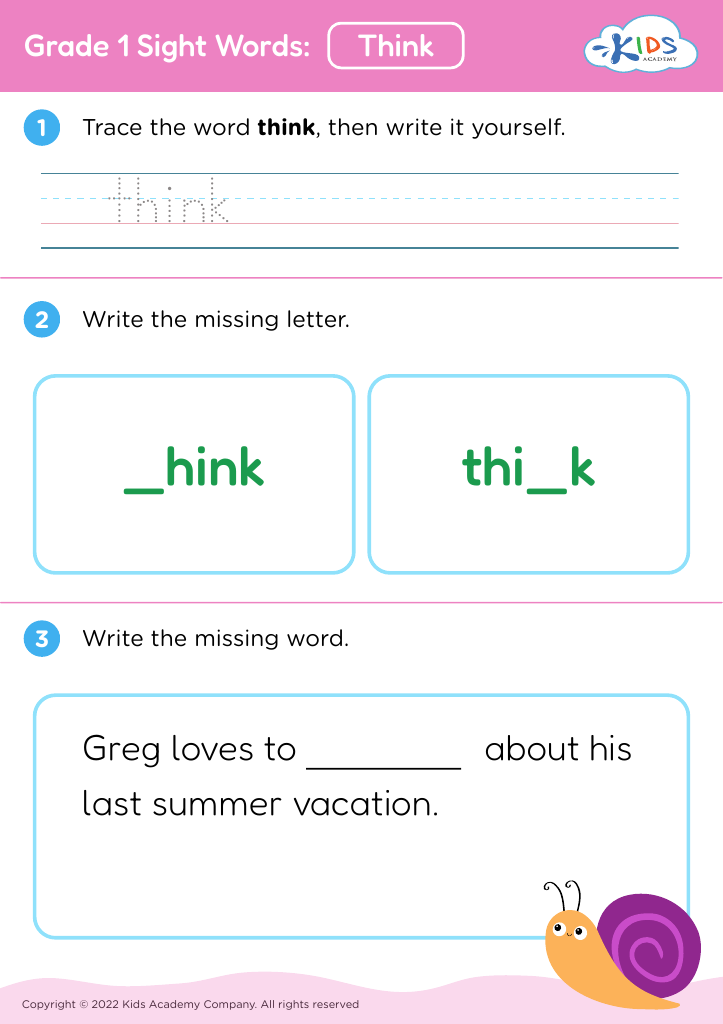
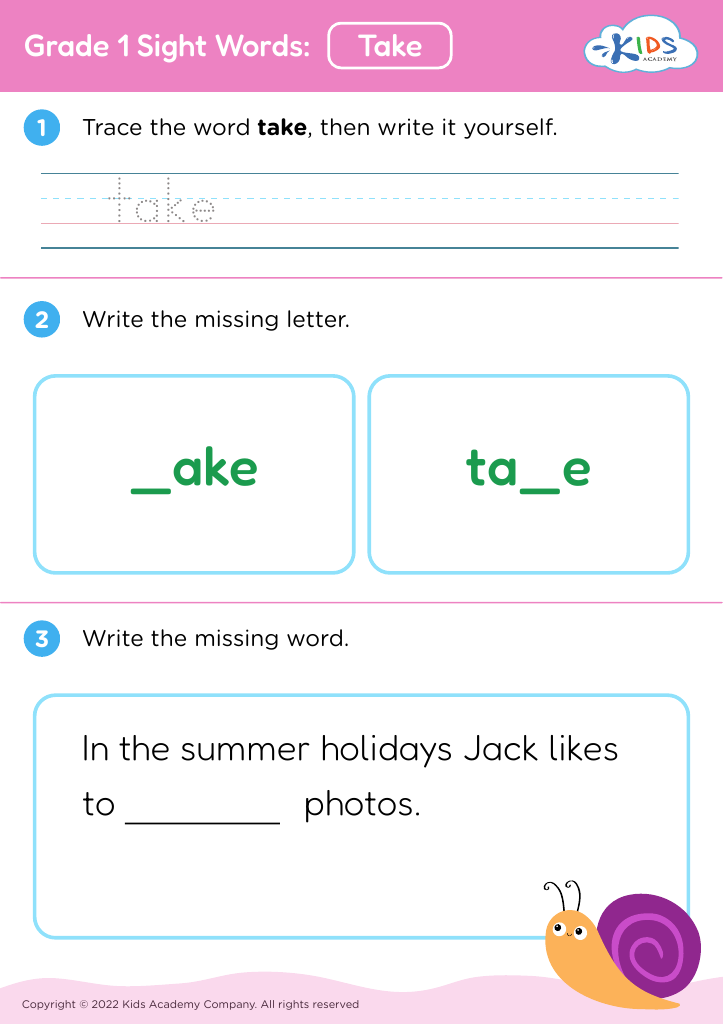
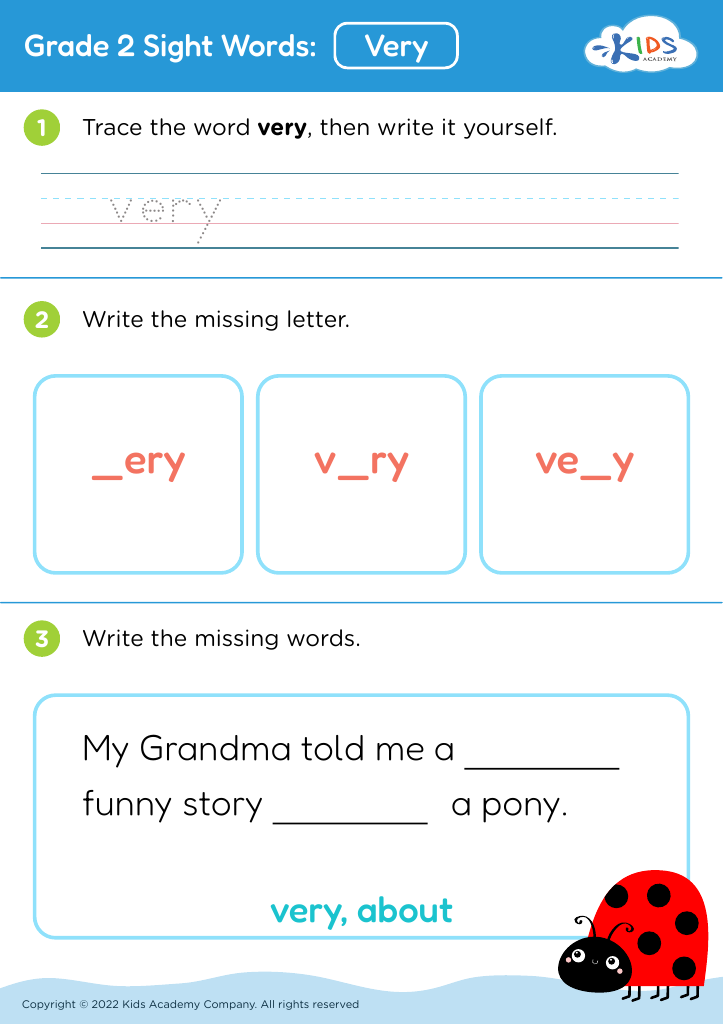
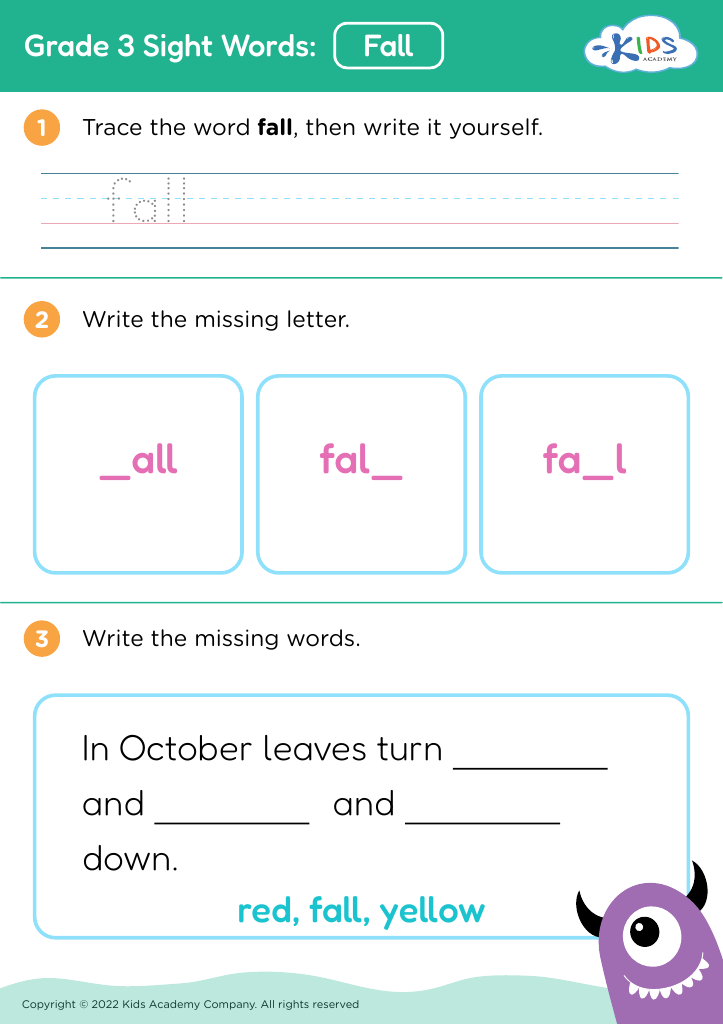
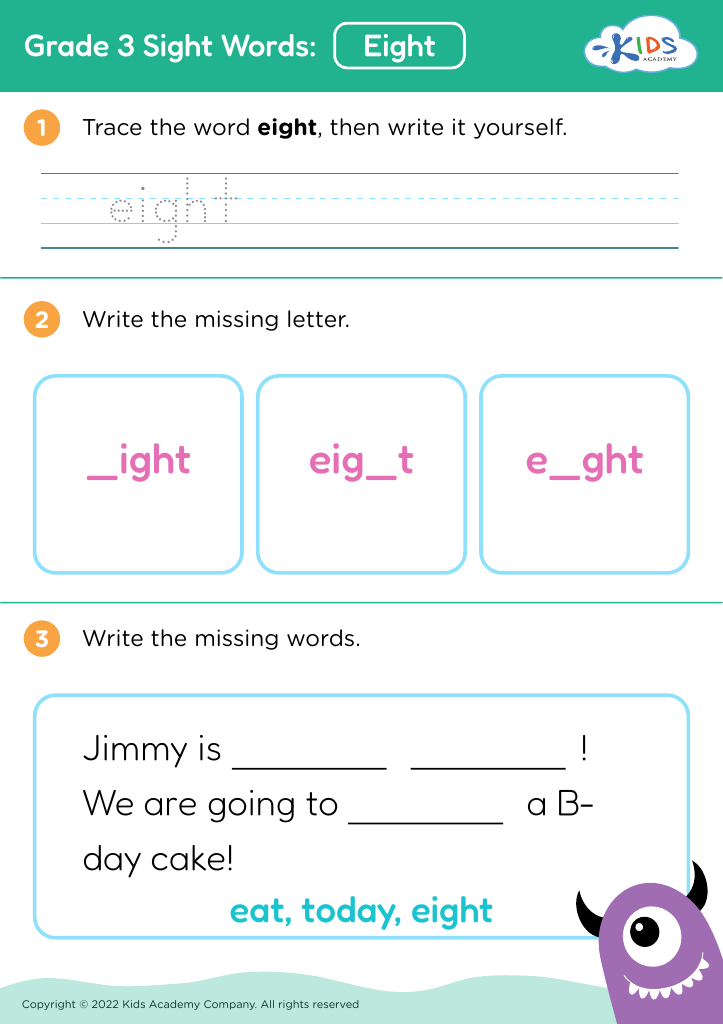
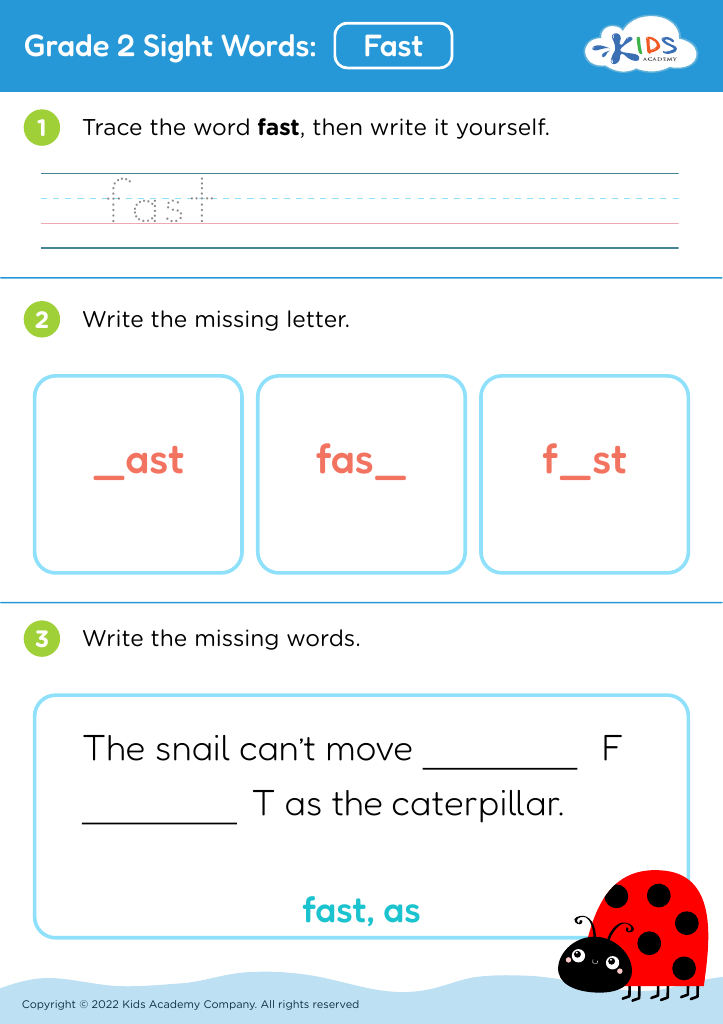
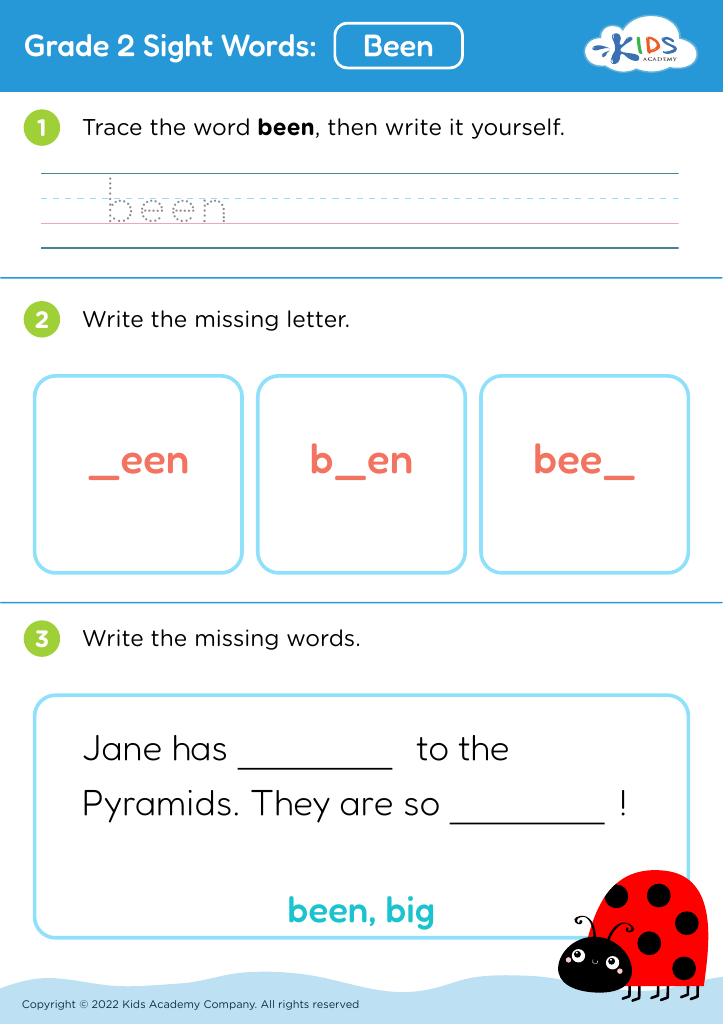
Boost your child's counting skills while enhancing their vocabulary with our engaging worksheets designed for ages 7-9. Our carefully crafted activities combine math and language, helping learners develop essential counting strategies alongside word recognition and usage. Each worksheet encourages critical thinking and problem-solving through fun exercises, enabling kids to relate numbers to vocabulary in everyday contexts. With a variety of activities, including matching games and word problems, children will enjoy practicing their counting skills while expanding their language abilities. Perfect for home or classroom use, these worksheets provide an effective and enjoyable way to support your child's educational journey. Start counting with words today!
Favorites
With answer key
Interactive
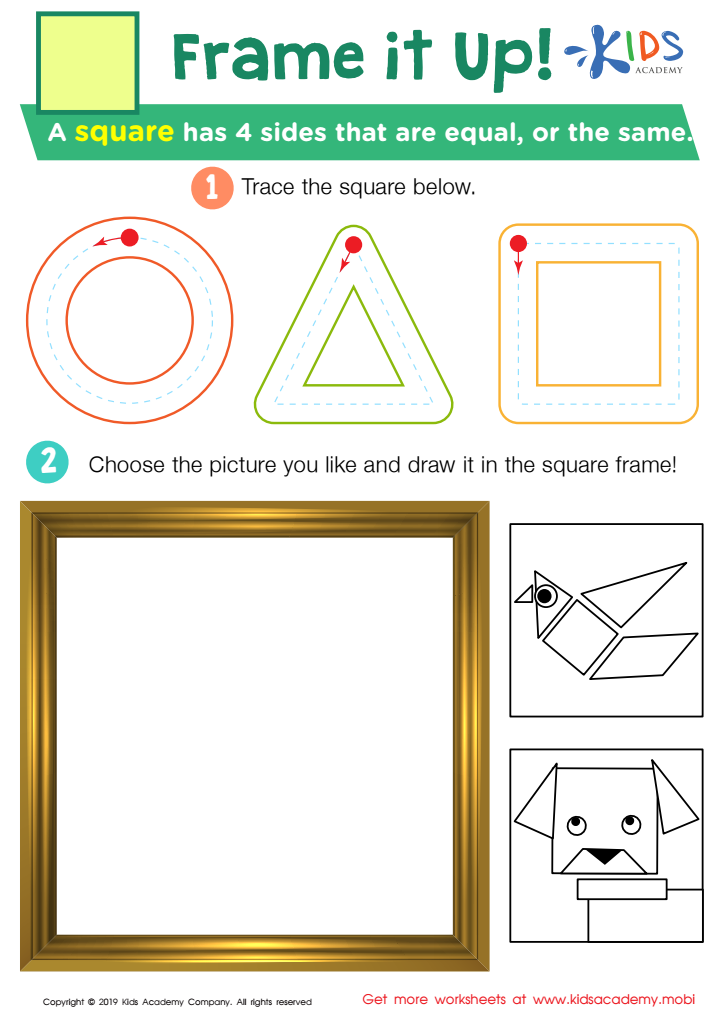
Frame it Up Worksheet
This worksheet helps kids learn the difference between squares and other shapes. It guides them to trace a square and draw a picture inside it. Examples of shapes-based drawings are included. Kids will have fun and clear up any confusion about squares.
 Assign to My Students
Frame it Up Worksheet
Worksheet











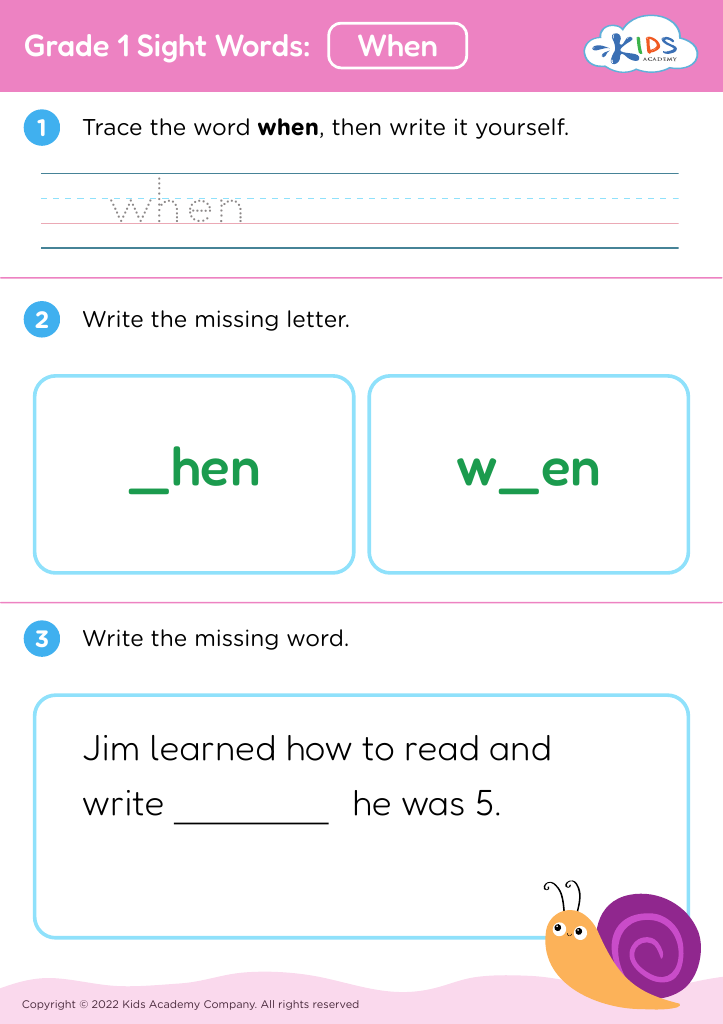
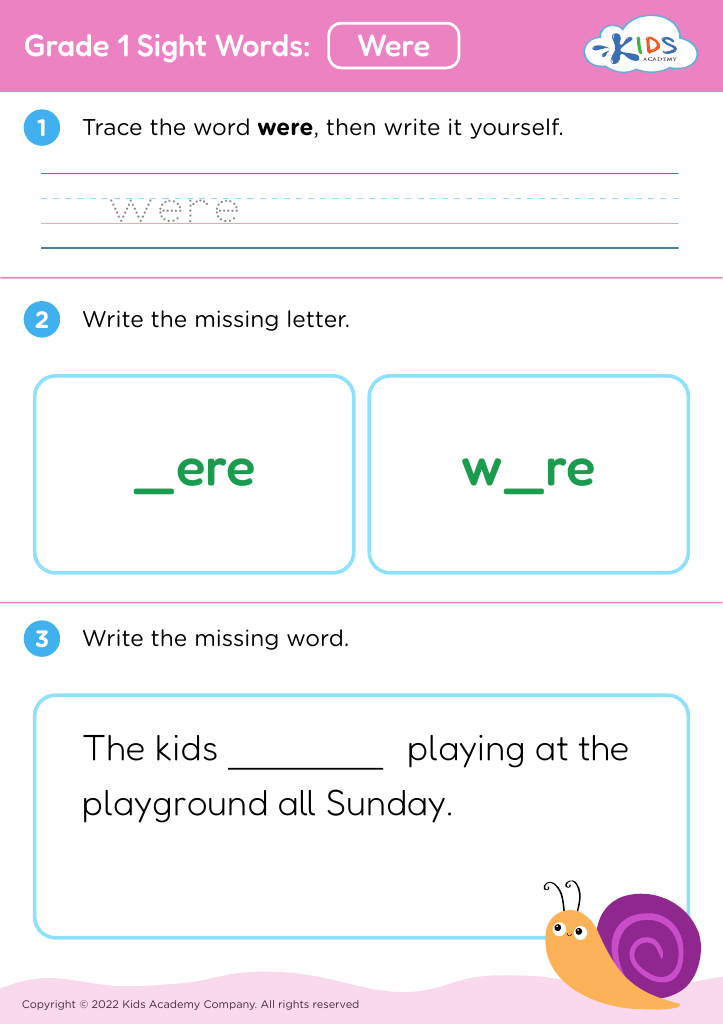
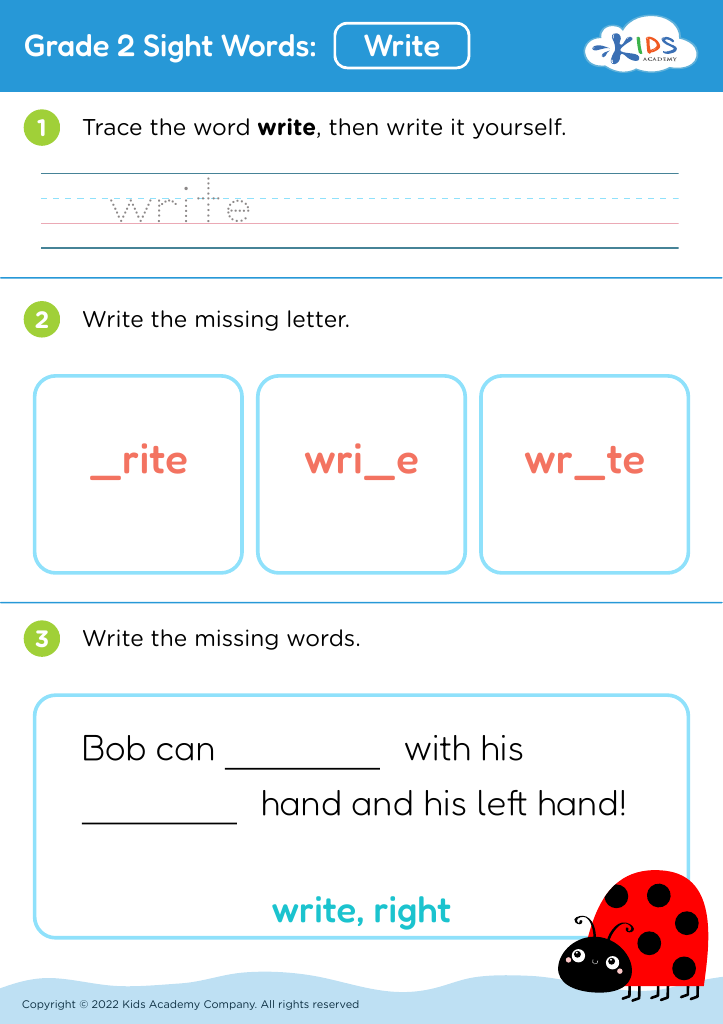
Join Kids Academy for Free
Who is primarily going to use this learning content?








Counting skills and vocabulary building are crucial developmental milestones for children aged 7-9 and should be a focus for both parents and teachers. Firstly, counting skills serve as the foundation for mathematical fluency. At this age, children move from simple counting to more complex operations such as addition, subtraction, and even introductory multiplication. Strong counting skills enable them to understand the concepts of quantity, number relationships, and problem-solving strategies, which are essential for higher-level math.
Building vocabulary at this stage complements counting skills, as a rich vocabulary enhances a child’s ability to articulate their thoughts and comprehend instructions. Children are increasingly exposed to complex texts and conversations; a strong vocabulary allows them to express themselves more effectively and engage with various subjects, enriches their reading comprehension, and fosters critical thinking.
Furthermore, both skill sets are interlinked; for instance, mathematical language—terms like “more,” “less,” or “equal”—is critical for understanding math concepts. By fostering these skills in early education, parents and teachers prepare children not only for academic success but also for effective communication and problem-solving in everyday life, paving the way for a well-rounded and confident learner.








