Color Identification Reading Worksheets for Ages 7-9
7 filtered results
-
From - To
Help your child master color identification effortlessly with our engaging Color Identification Reading Worksheets designed for ages 7-9. These interactive worksheets blend education and fun, making it easy for young learners to recognize and name different colors while enhancing their reading skills. Our beautifully crafted printables provide a variety of activities that include matching, coloring, and reading descriptions aloud, ensuring an enriching learning experience. Perfect for both classroom and home use, these worksheets cater to every learning style, promoting cognitive development and creativity. Boost your child's confidence and proficiency in reading and color recognition today!
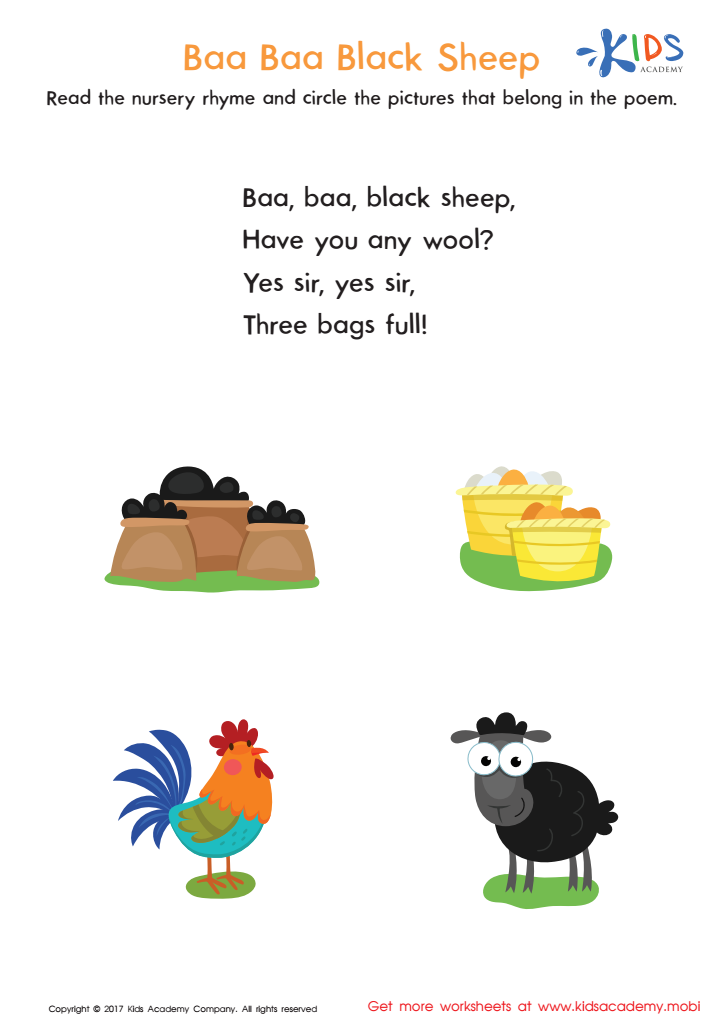
Baa Baa Black Sheep Printable
 Assign to My Students
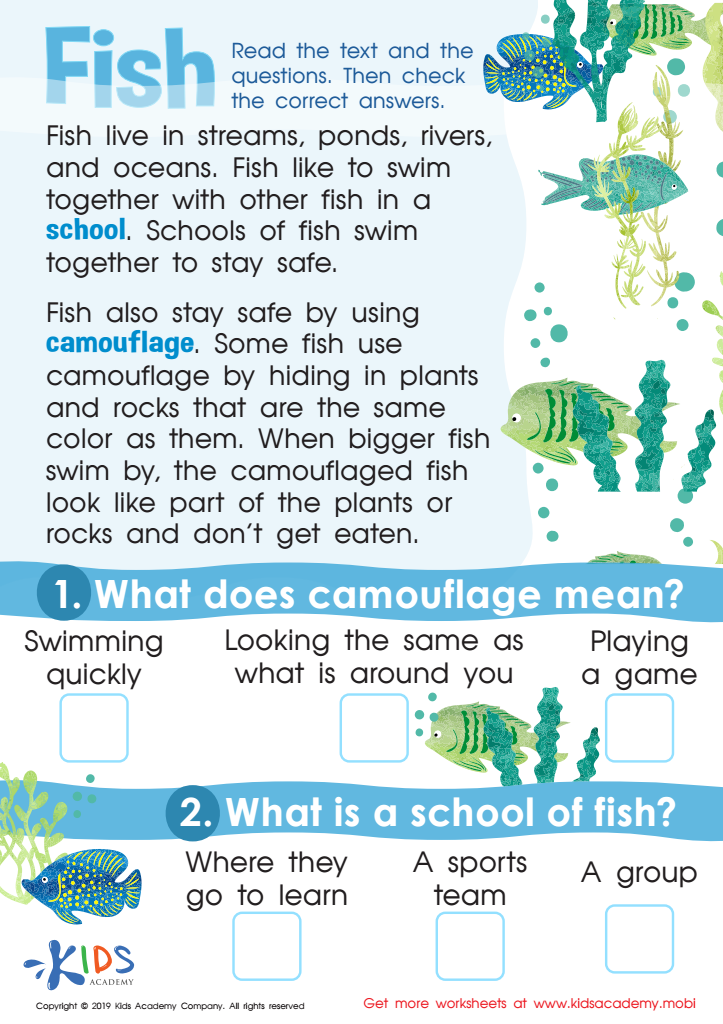
Fish Worksheet
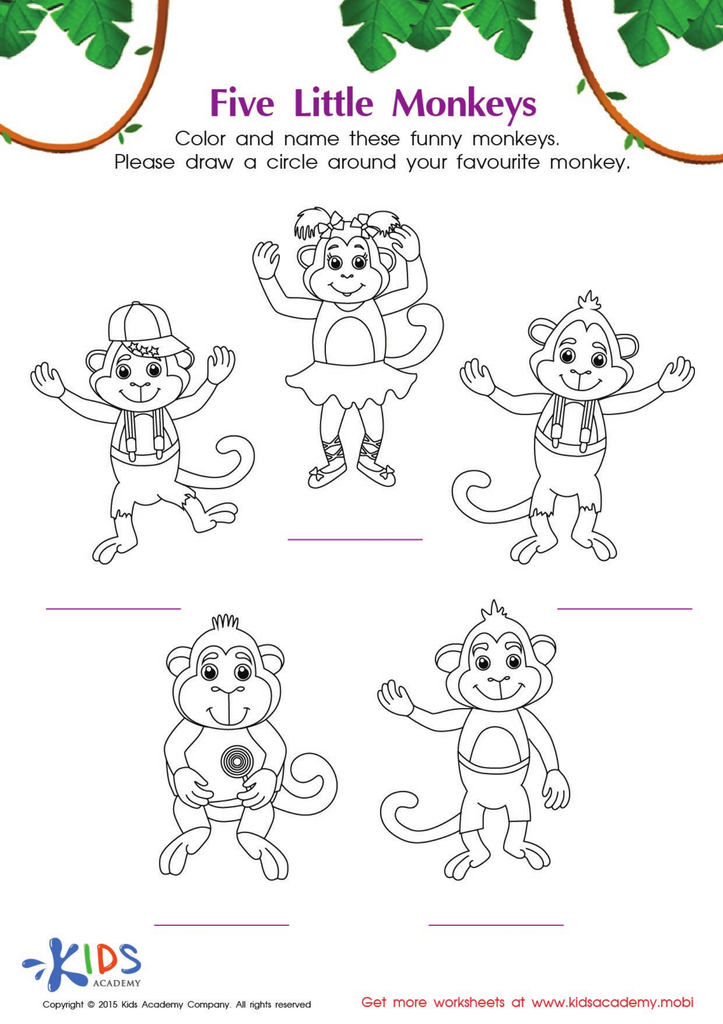
The Five Little Monkeys Coloring Worksheet
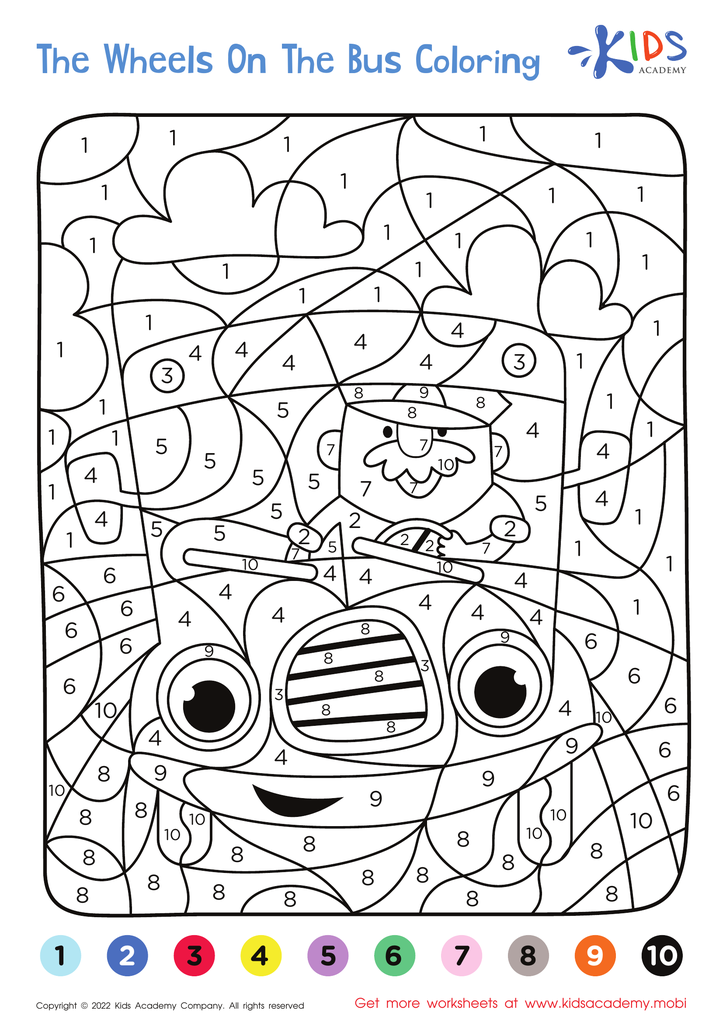
Wheels on the Bus – Coloring by Numbers
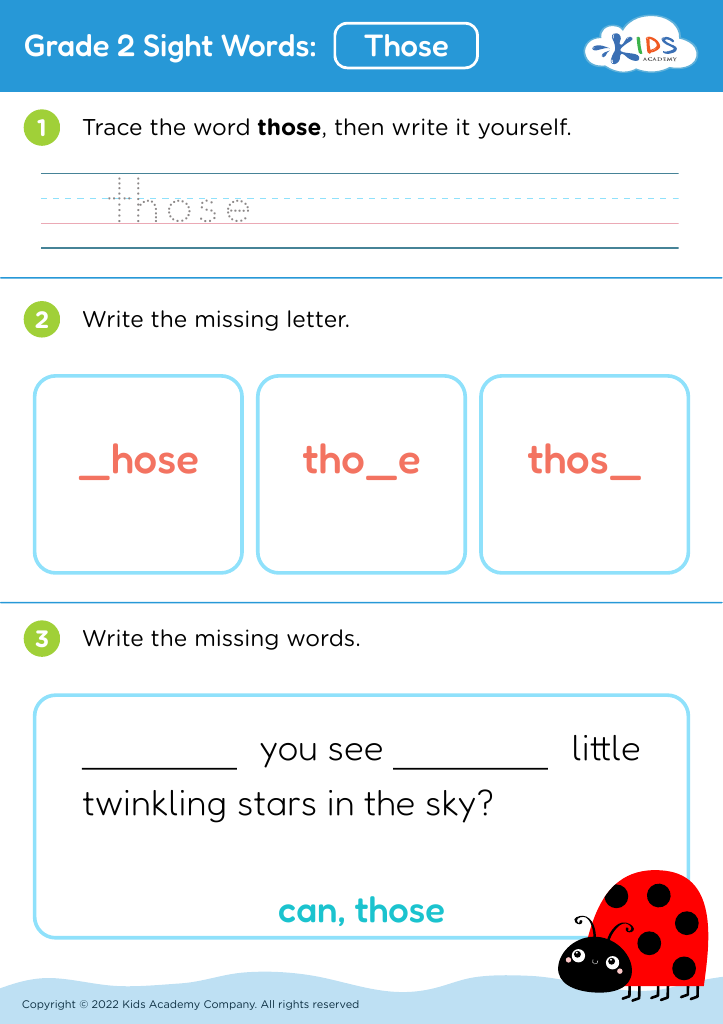
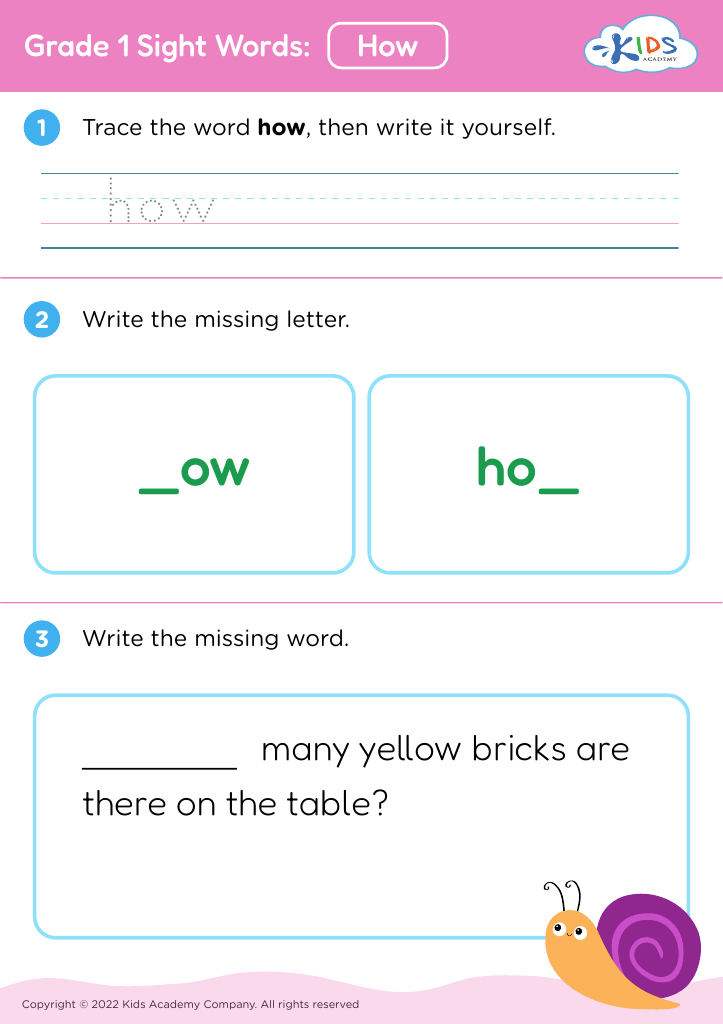
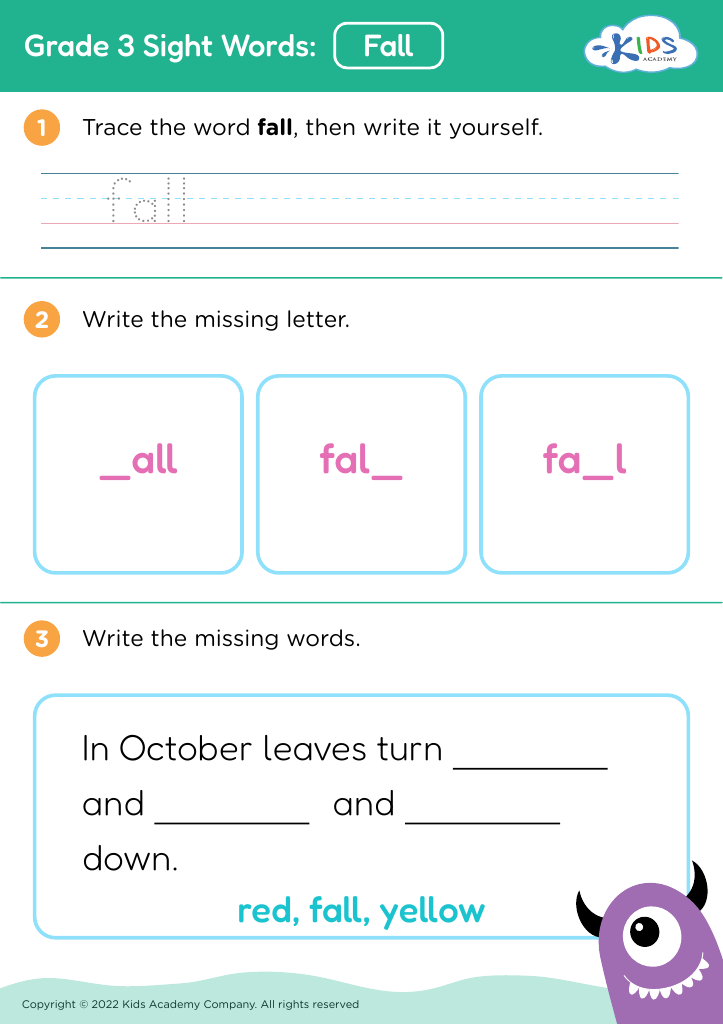








Color identification is a fundamental aspect of early learning and development for children aged 7-9. At this stage, children are fine-tuning their cognitive and sensory skills, and being able to identify and read different colors plays a crucial role in their academic and social development.
From an academic perspective, recognizing and naming colors aids in vocabulary expansion and language skills. As children describe objects using colors, they practice structured sentence formation and effective communication. This strengthens reading comprehension, as children start associating words with visual cues. For example, a child who can read "red apple" not only deciphers the words but also visualizes the item, bridging the gap between text and real-world objects.
Socially, color identification is key in understanding the environment, relationships, and emotions. Colors often symbolize feelings (like red for anger or blue for sadness), transforming abstract concepts into tangible visuals that kids can grasp. Moreover, in group settings, children use color coding for tasks and games, thereby improving teamwork and social interaction skills.
Ultimately, ensuring the proficiency of color identification during these years is an engaging way to support holistic growth. Parents and teachers prioritizing this aspect can lay a strong foundation for children’s future learning endeavors, equipping them with essential cognitive tools and enriching communication capabilities.








