Enhancing observation skills Reading Worksheets for Ages 7-9
4 filtered results
-
From - To
Enhance your child’s observation skills with our engaging reading worksheets, designed specifically for ages 7-9! These interactive resources focus on developing keen observation abilities through fun and educational activities. Children will practice identifying details, analyzing texts, and drawing conclusions, all while boosting their reading comprehension. Our worksheets are suitable for home or classroom use, making them the perfect addition to any learning environment. With vibrant illustrations and age-appropriate content, kids will enjoy honing their skills as they uncover hidden details and develop a deeper understanding of what they read. Access our observation skills worksheets today and watch your child thrive!
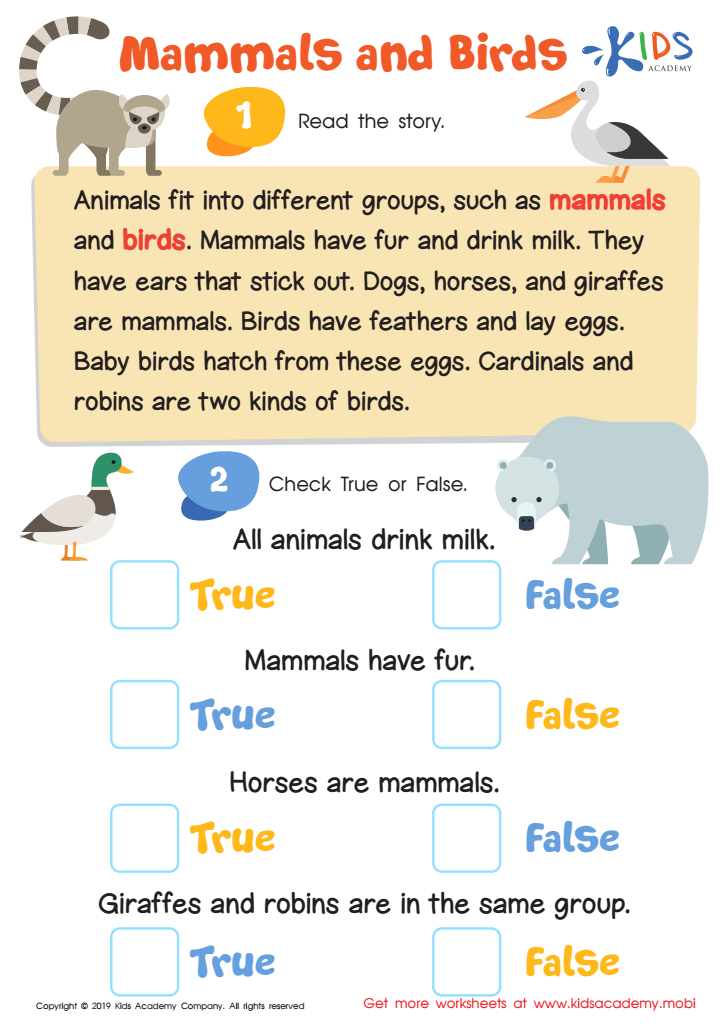
Mammals and Birds Worksheet
 Assign to My Students
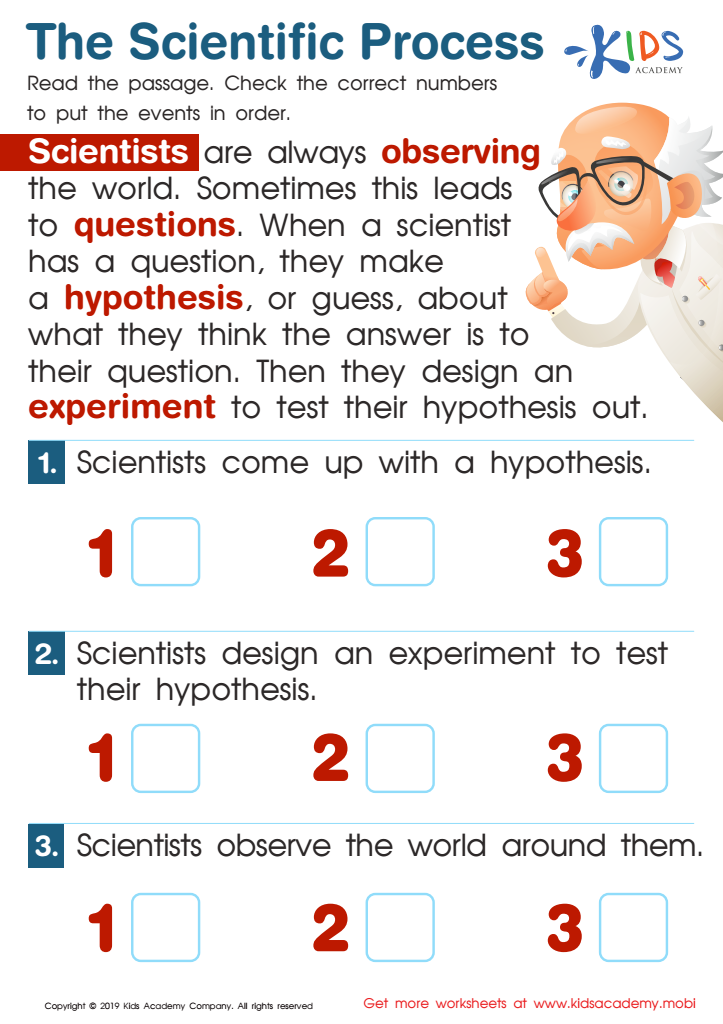
The Scientific Process Worksheet
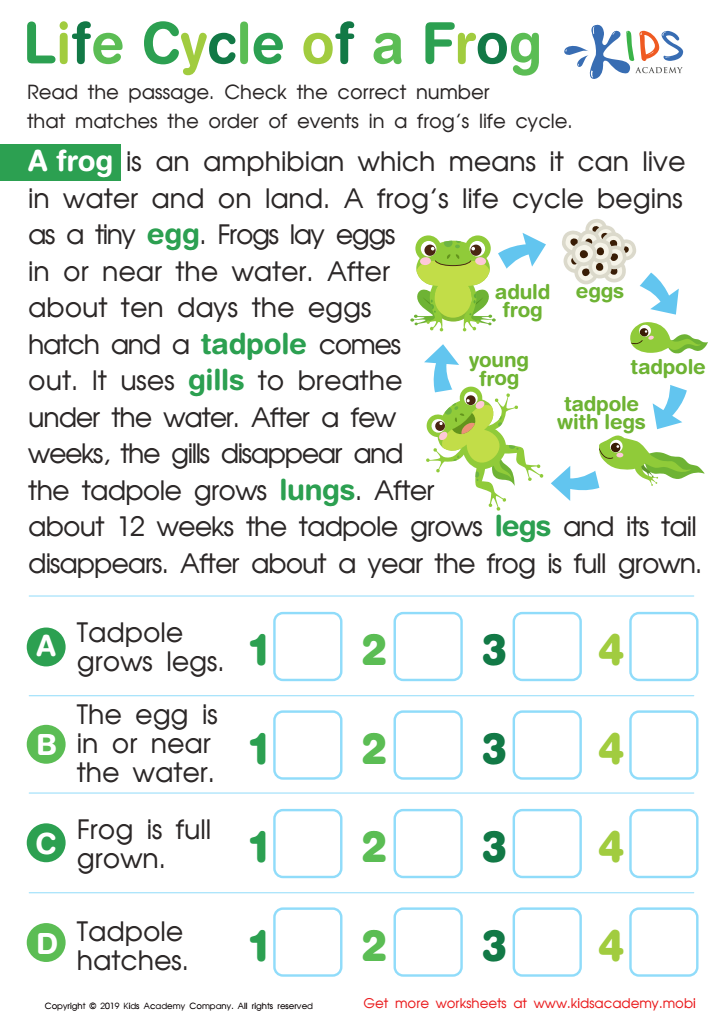
Life Cycle of a Frog Worksheet
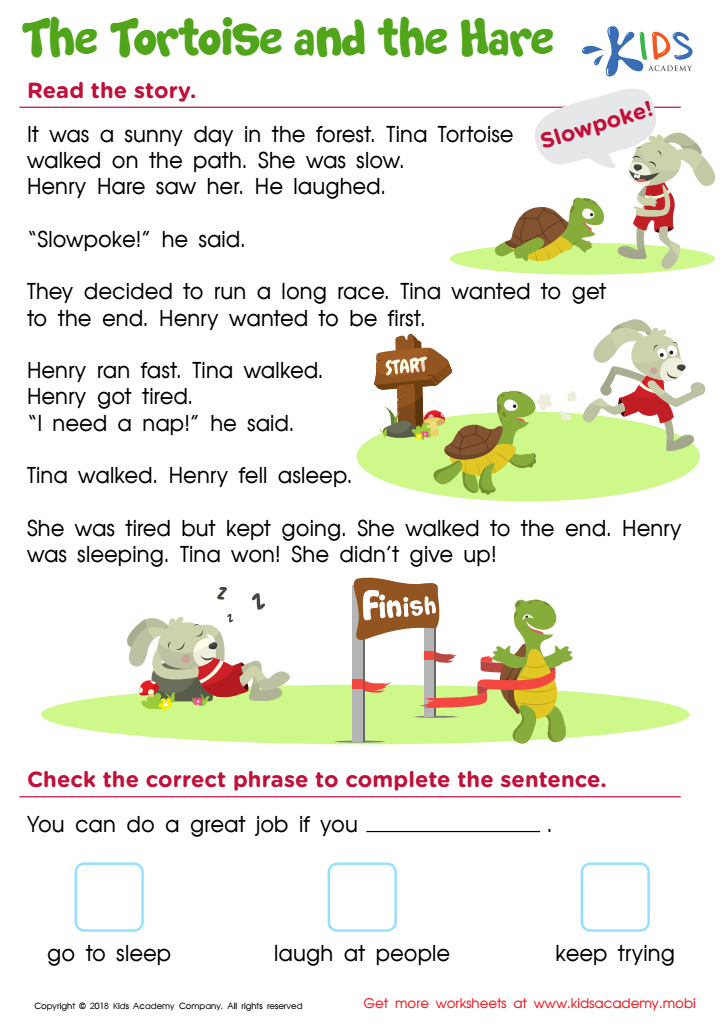
The Tortoise and the Hare Worksheet



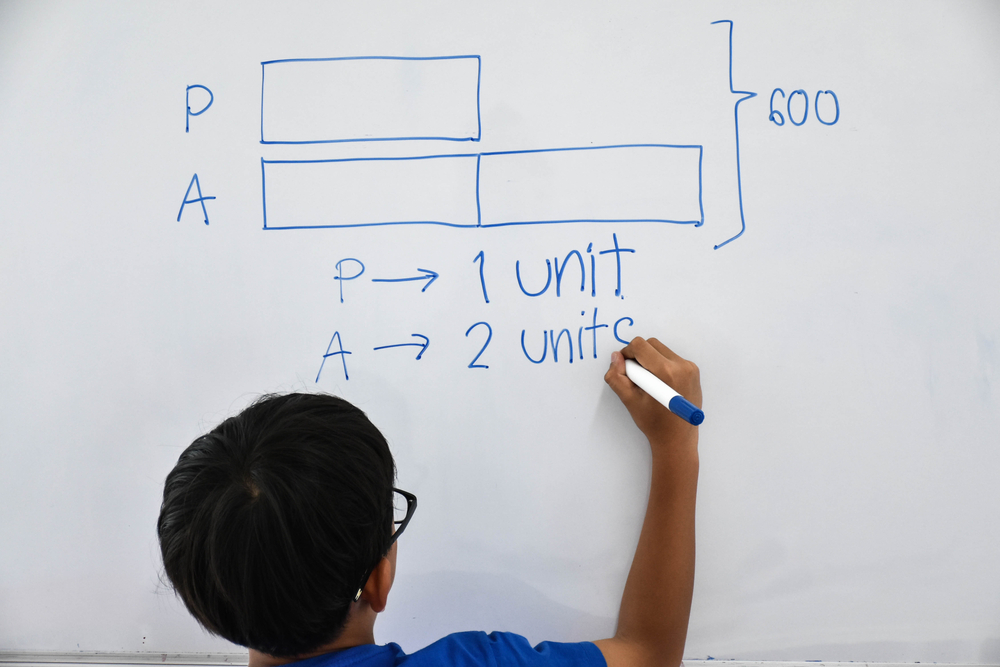

Enhancing observation skills in reading for children ages 7-9 is crucial for their overall literacy development. At this stage, children are increasingly exposed to more complex texts and have moved beyond simple decoding skills. By focusing on observation skills, such as identifying details, recognizing patterns, and making inferences, parents and teachers can help children deepen their comprehension and engagement with the material.
Strong observation skills enable young readers to connect themes, characters, and settings, fostering a richer understanding of the narrative. This critical thinking skills not only promotes language development but also enhances children's ability to analyze information across various contexts, generating a love for reading and learning.
Additionally, sharpening these skills helps children become more attentive and curious learners, qualities that will benefit them in all subjects. For parents and teachers, cultivating observation skills is an investment in their children's education, equipping them with the tools to tackle increasingly sophisticated texts, promoting independence, and preparing them for future academic challenges. Ultimately, enhancing observation skills contributes to building confident readers who can appreciate literature and information critically, setting the stage for lifelong learning.








