
Logical thinking Reading Worksheets for Ages 7-9
5 filtered results
Difficulty Level
Grade
Age
-
From - To
Subject
Activity
Standards
Boost your child's reasoning skills with our Logical Thinking Reading Worksheets for Ages 7-9! Designed for young learners, these engaging worksheets enhance critical thinking and comprehension through fun reading activities. Your child will tackle puzzles, analyze texts, and solve thought-provoking questions that cultivate logical reasoning. Each worksheet aligns with age-appropriate literacy standards, making learning enjoyable and effective. Perfect for home or classroom use, our resources support young readers in developing the skills necessary for academic success. Inspire curiosity and encourage exploration as your child learns to connect ideas, make inferences, and think critically. Start nurturing their logical thinking today!
Favorites
With answer key
Interactive
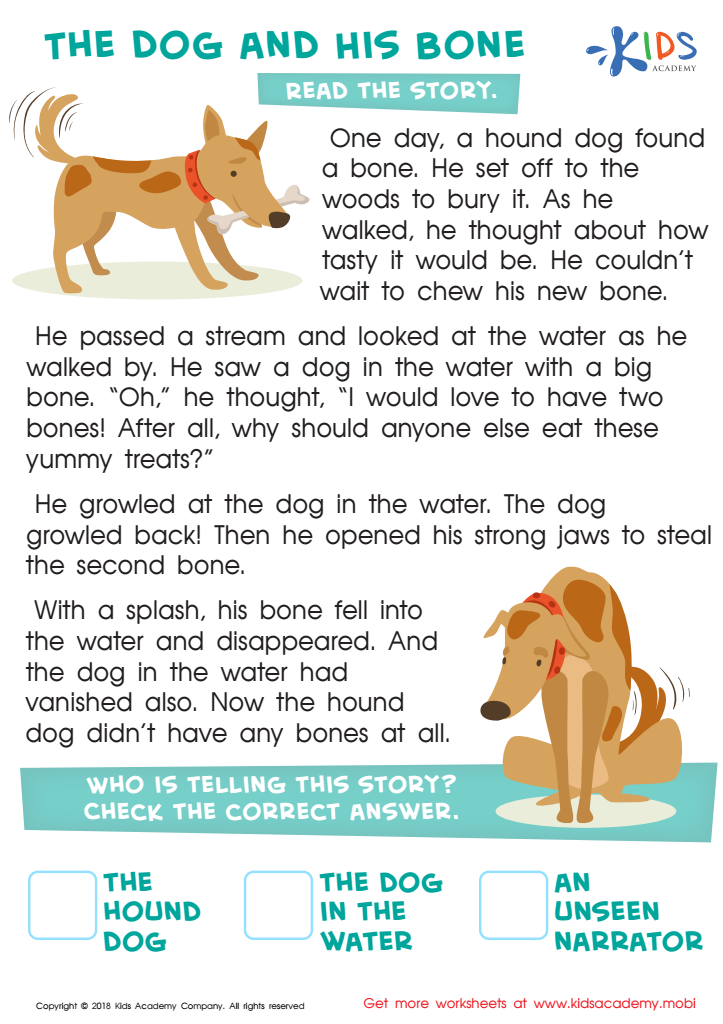
The Dog and His Bone Worksheet
Read the story of The Dog and His Bone to your kids, making sure they take in the details. Ask them the questions in this worksheet and help them check the answers. Encourage them to think carefully.
 Assign to My Students
The Dog and His Bone Worksheet
Worksheet
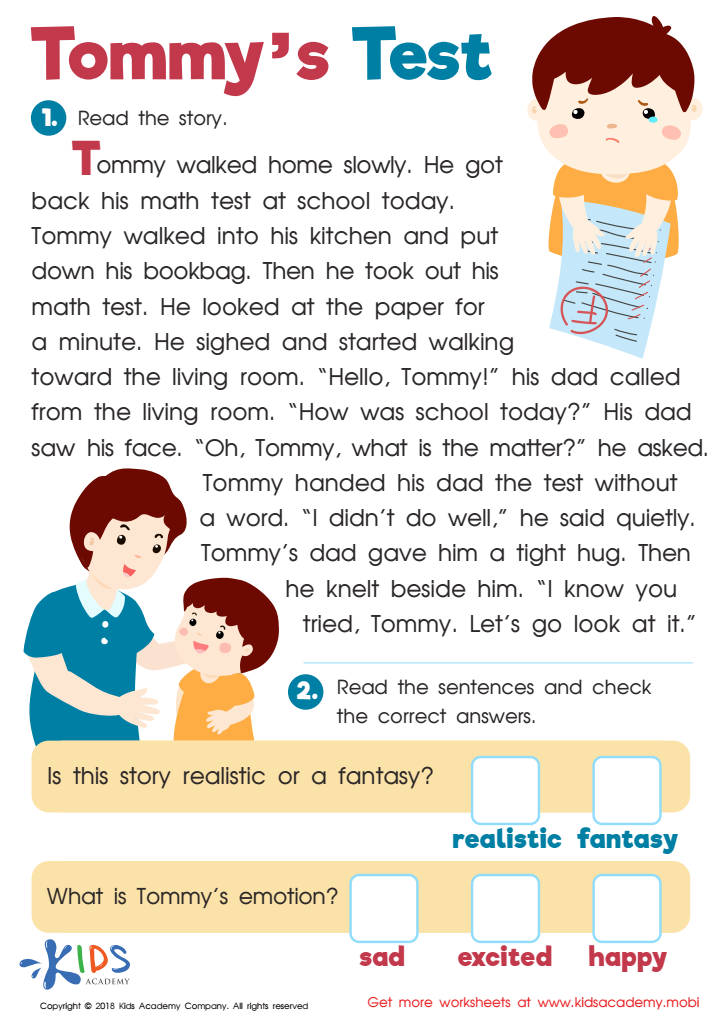
Tommys Test Worksheet
Reading short stories to your students builds a bond, teaches new words and lessons. Read the story aloud and then have them listen for details. Ask them the questions at the bottom and help them check the answers.
Tommys Test Worksheet
Worksheet
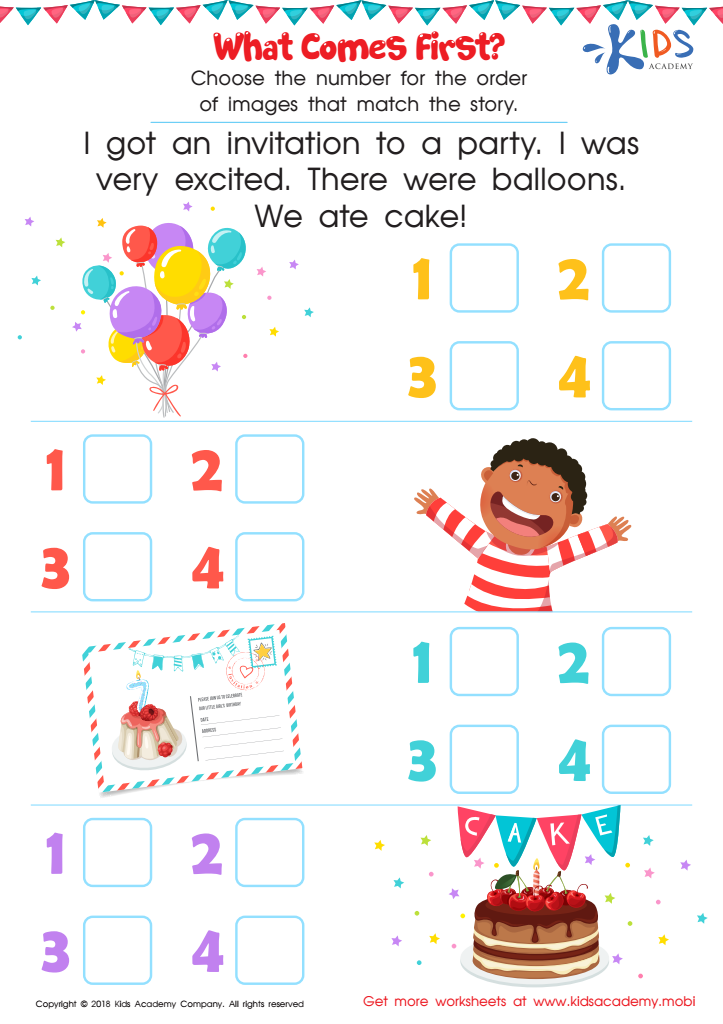
What Comes First Worksheet
Before you start, ask your child what they see in the picture. Read the story aloud together, then show them the images in order, numbered 1-5. Ask them to choose the numbers that match the story. Have fun and enjoy this party worksheet with your little one! (80 words)
What Comes First Worksheet
Worksheet
Join Kids Academy for Free
Who is primarily going to use this learning content?








Logical thinking reading is an essential aspect of literacy development for children aged 7-9, and it offers numerous benefits that should concern both parents and teachers. At this developmental stage, children are learning how to analyze information, make connections, and form reasoned conclusions. Engaging in logical thinking exercises through reading helps enhance their critical thinking skills, enabling them to evaluate situations, deduce outcomes, and solve problems creatively.
Moreover, fostering logical thinking at this age supports academic success across subjects. It promotes comprehension and retention of information, leading to better performance in literacy, math, and science. Logical thinking reading encourages children to ask questions, anticipate results, and think beyond the text, fostering a deeper understanding of the material.
Additionally, developing these skills boosts confidence and prepares children for complex reasoning required in later grades. It also lays the foundation for social skills, as children learn to understand perspectives and form arguments based on reasoning. Therefore, parents and teachers should prioritize integrating logical thinking into reading activities, providing children with tools to navigate academic challenges and life situations more effectively as they grow. Engaging in this form of reading not only builds a well-rounded literacy foundation but also cultivates lifelong, critical thinkers.








