Vocabulary Building Reading Worksheets for Ages 7-9 - Page 2
28 filtered results
-
From - To
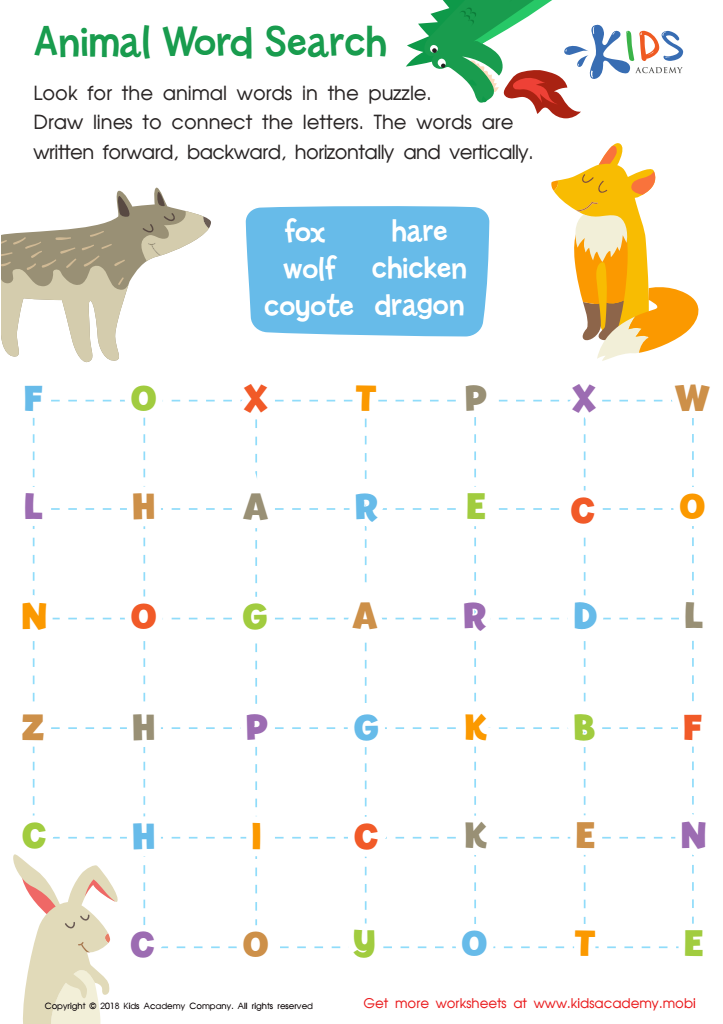
Animal Word Search Worksheet
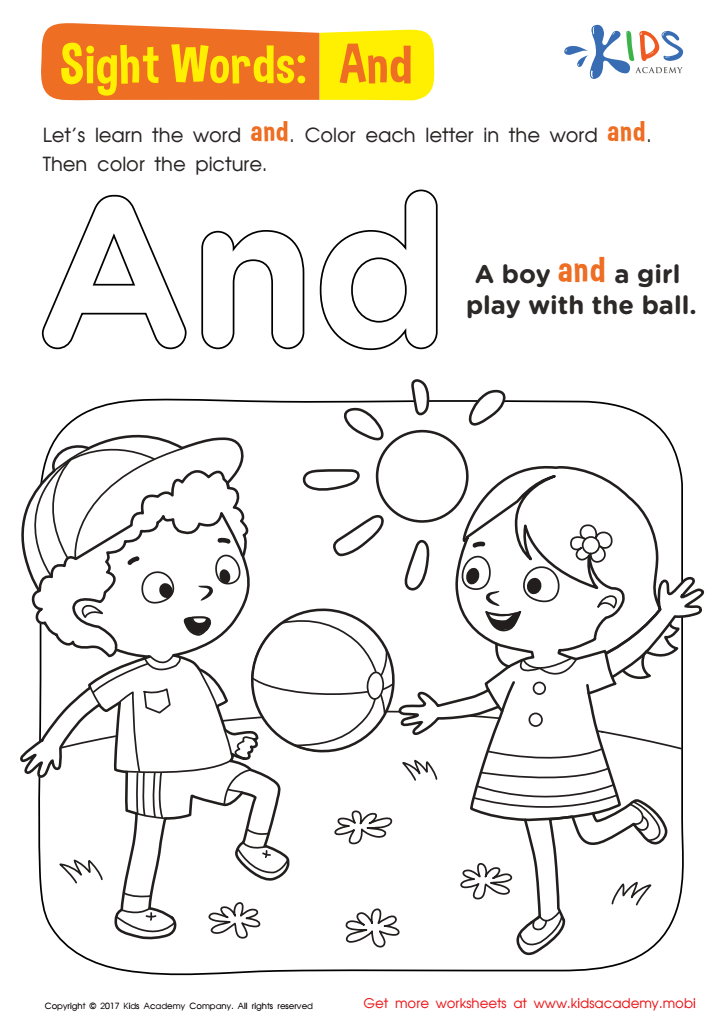
And Worksheet Sight Words Worksheet
 Assign to My Students
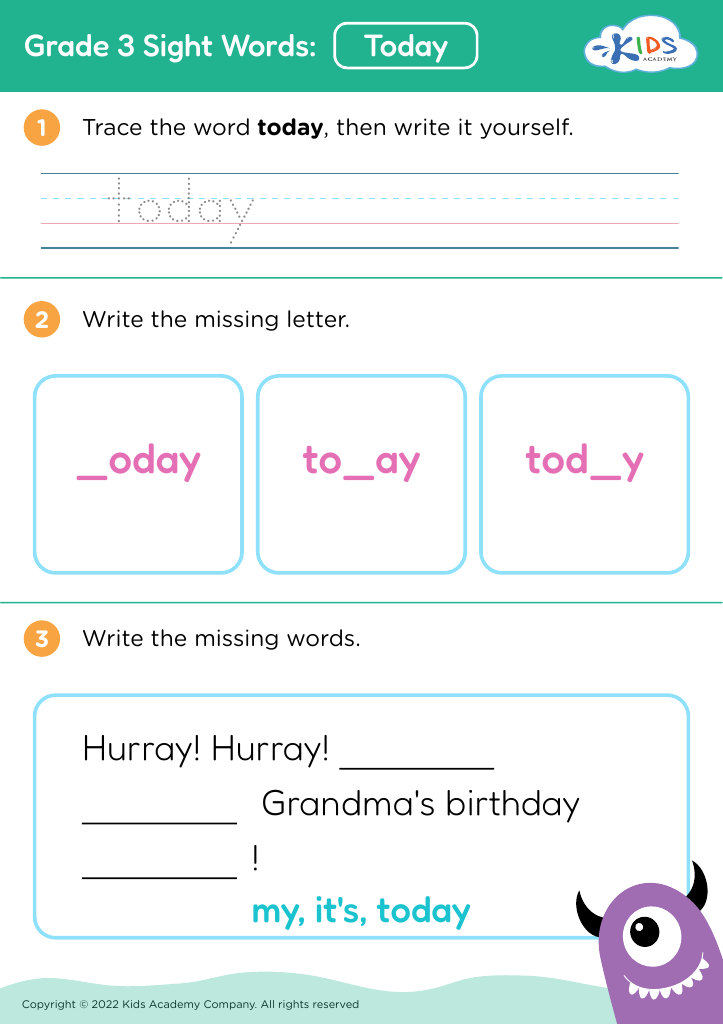
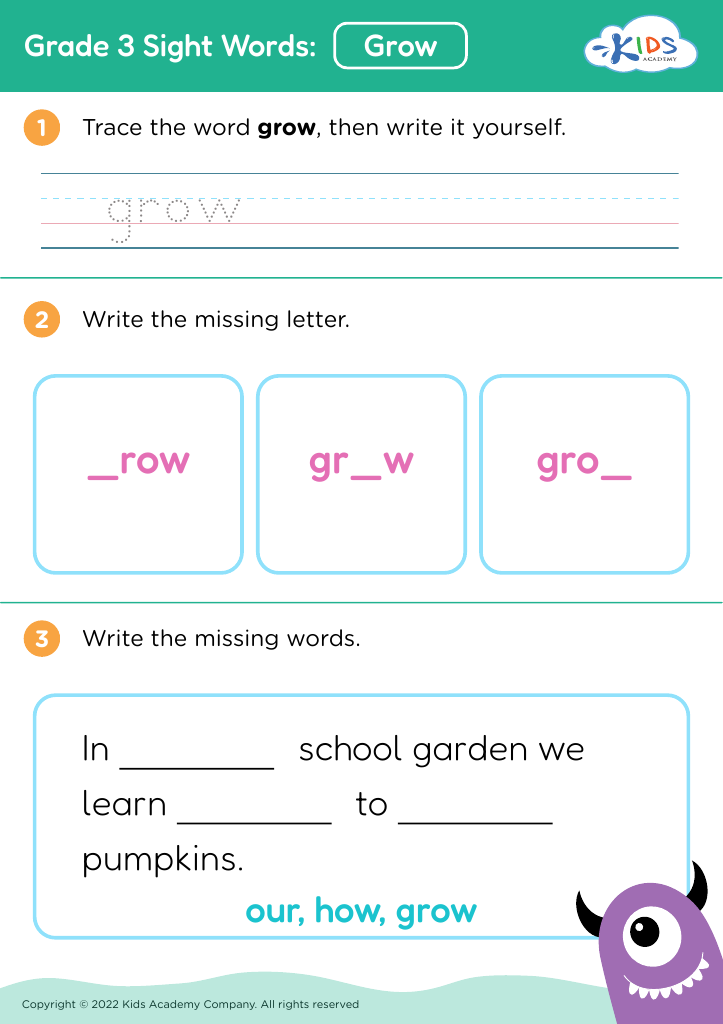




.jpg)



Vocabulary building in children aged 7-9 is crucial for their overall development and academic success. At this age, children are transitioning from learning to read to reading to learn, making a robust vocabulary essential for comprehension across subjects. A rich vocabulary enhances their ability to express thoughts, understand complex ideas, and engage in discussions, fostering critical thinking and communication skills.
Effective vocabulary development also lays the foundation for lifelong learning. Research shows that children's language abilities are linked to their reading comprehension, academic achievement, and even self-esteem. When children can articulate their ideas clearly, they feel more confident in participating in class, leading to greater engagement and enthusiasm for learning.
Furthermore, selecting appropriate reading materials that introduce new words in context sparks curiosity and aids retention. Teachers and parents should actively encourage vocabulary development through interactive discussions, reading diverse texts, and using new words in everyday conversation.
By prioritizing vocabulary building, we empower children to thrive in school, develop a love for literature, and ultimately succeed in their future endeavors. Investing time and effort in this area is an investment in their cognitive and social-emotional growth.








