Animal recognition Science Worksheets for Ages 7-9
3 filtered results
-
From - To
Discover our engaging Animal Recognition Science Worksheets designed for children aged 7-9! These interactive resources combine fun with learning as young explorers identify various animal species, their habitats, and unique characteristics. Our worksheets foster critical thinking, enhance observational skills, and promote an understanding of biodiversity and environmental importance. With colorful illustrations and age-appropriate challenges, children will enjoy diving into the animal kingdom while developing their science literacy. Perfect for home or classroom use, our worksheets cater to diverse learning styles, making science both accessible and exciting. Start inspiring a lifelong love for animals and nature today!
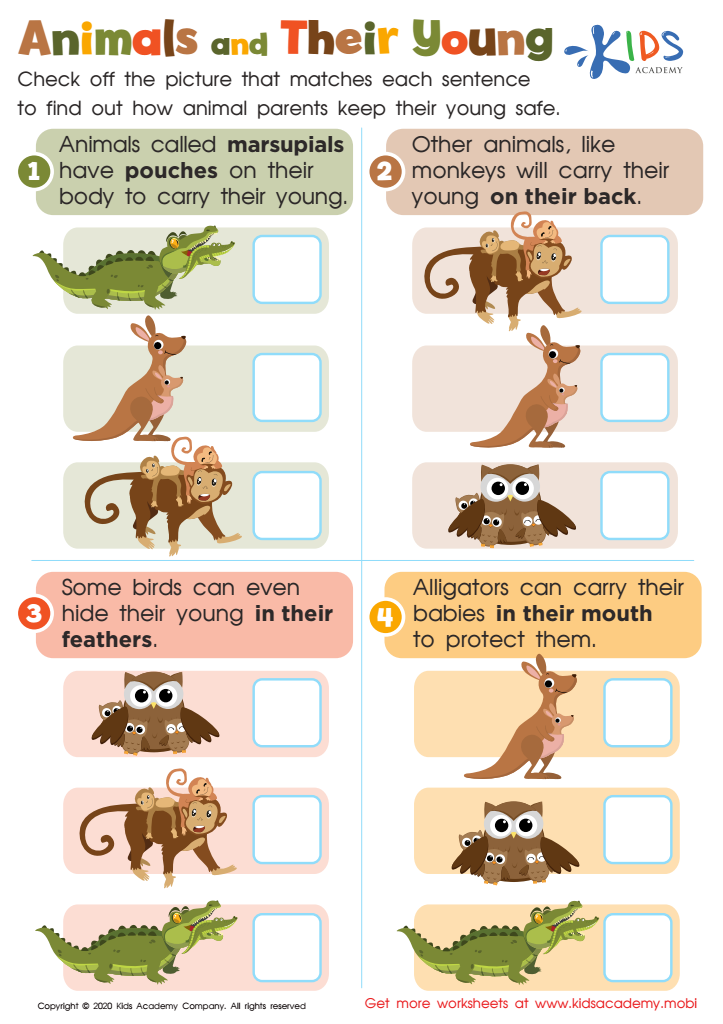
Animals and Their Young Worksheet
 Assign to My Students
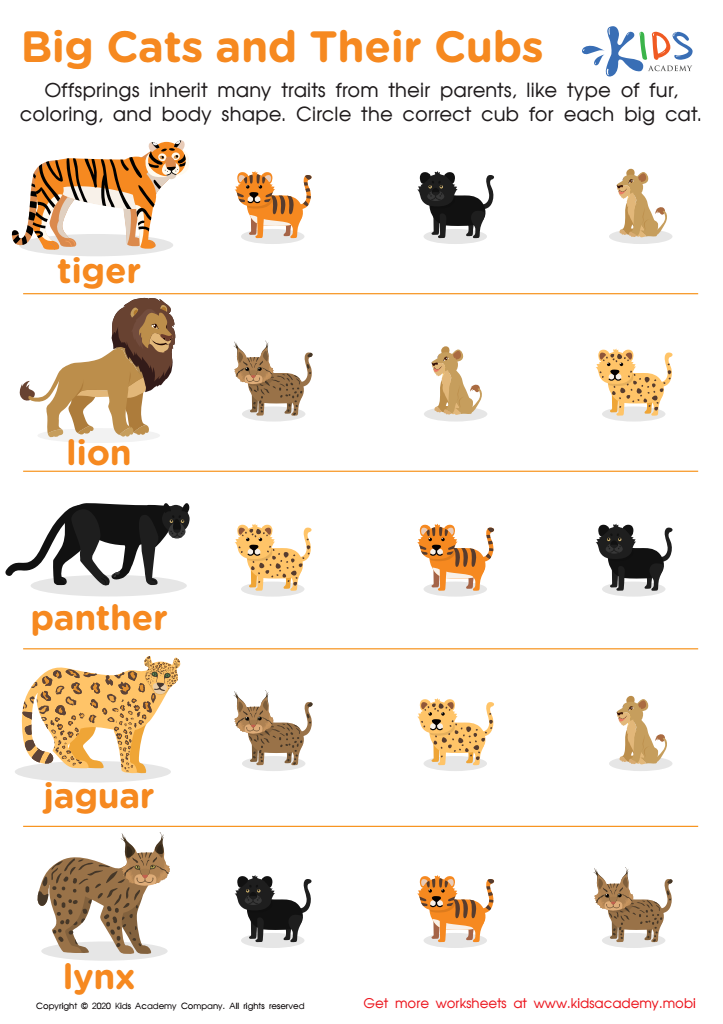
Big Cats and Their Cubs Worksheet
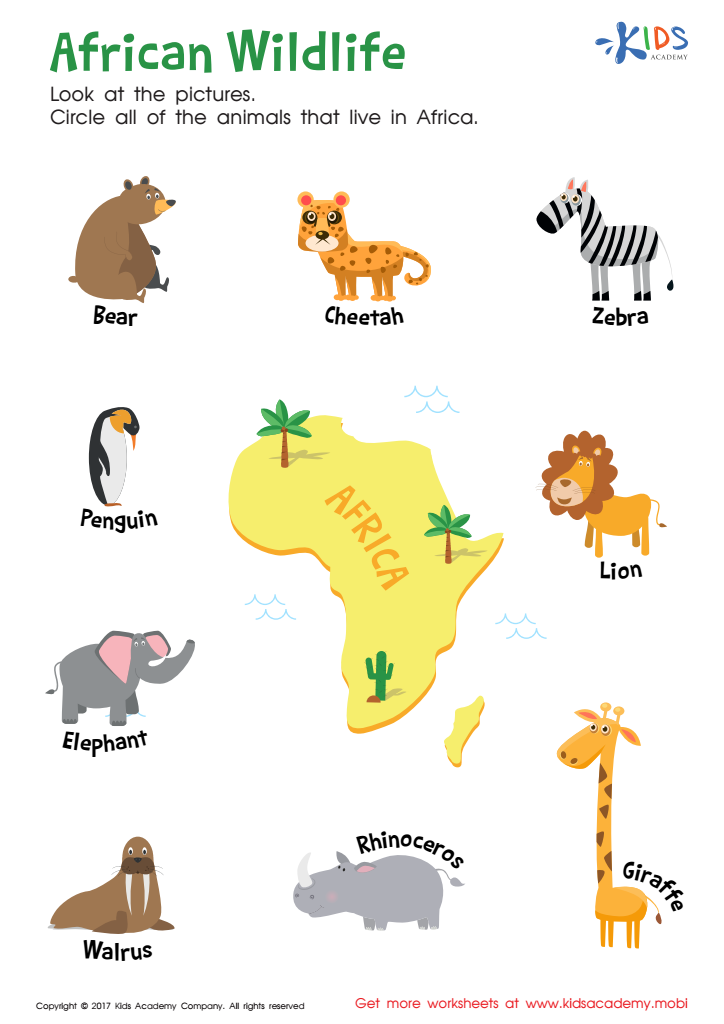








Animal recognition science is an essential area of learning for children aged 7-9, as it underpins critical cognitive and emotional development. This subject encourages curiosity and inquiry, tapping into children's natural fascination with the animal kingdom. Parents and teachers should care about it because engaging young learners in animal recognition fosters important skills such as observation, classification, and critical thinking.
Through studying animals, children learn to identify various species, understanding their habitats, behaviors, and roles in the ecosystem. This enhances their appreciation for biodiversity and encourages a sense of responsibility towards nature and environmental conservation.
Incorporating animal recognition into education also promotes empathy. By learning about animals’ feelings and social structures, children can develop kindness and understanding toward all living beings.
Moreover, this topic can seamlessly integrate into various subjects like science, art, and language arts, enriching the curriculum while making learning more engaging. Simple activities—such as nature walks, field trips, or art projects featuring animals—can spark enthusiasm and curiosity.
In short, nurturing a child's interest in animal recognition science provides a wealth of knowledge, promotes environmental stewardship, enhances social-emotional learning, and cultivates critical thinking skills, all of which contribute to a well-rounded, responsible young citizen.







