Enhancing observation skills Science Worksheets for Ages 7-9
6 filtered results
-
From - To
Discover our “Enhancing Observation Skills Science Worksheets” tailored for children ages 7-9, designed to foster critical thinking and scientific inquiry. These engaging worksheets encourage young explorers to observe, describe, and reflect on their surroundings, promoting essential skills in understanding and interpreting the world. With hands-on activities, children will learn to recognize patterns, note details, and draw conclusions from their observations. Ideal for both classroom and homeschooling environments, these resources inspire curiosity and strengthen foundational knowledge in science. Unlock the wonders of the natural world with our carefully crafted materials that are sure to captivate and educate your little learners!
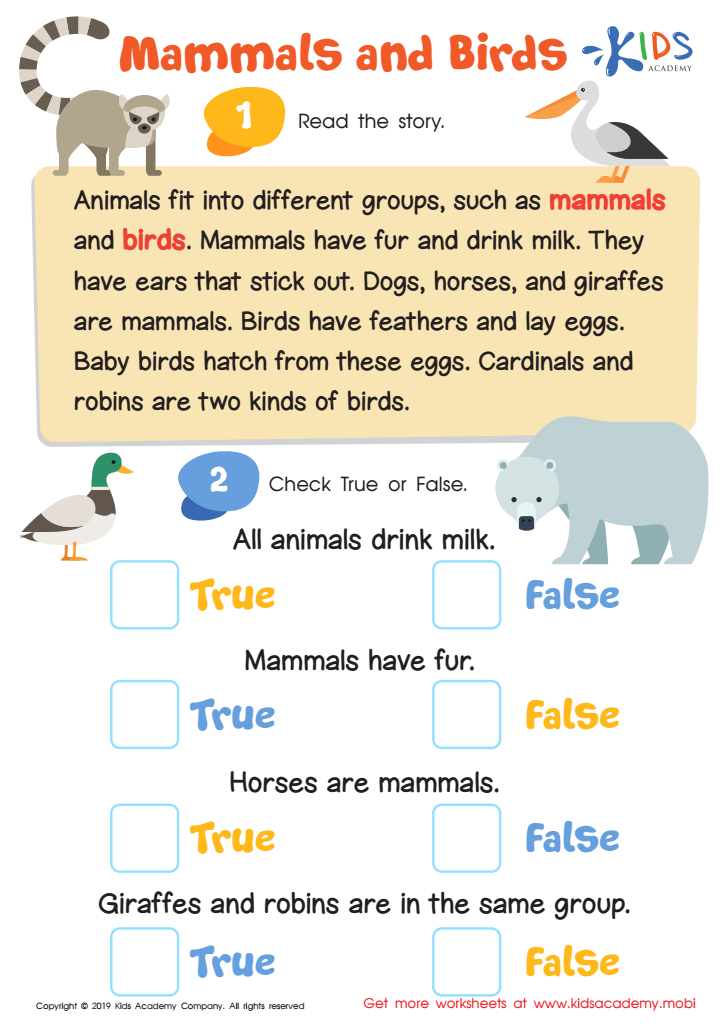
Mammals and Birds Worksheet
 Assign to My Students
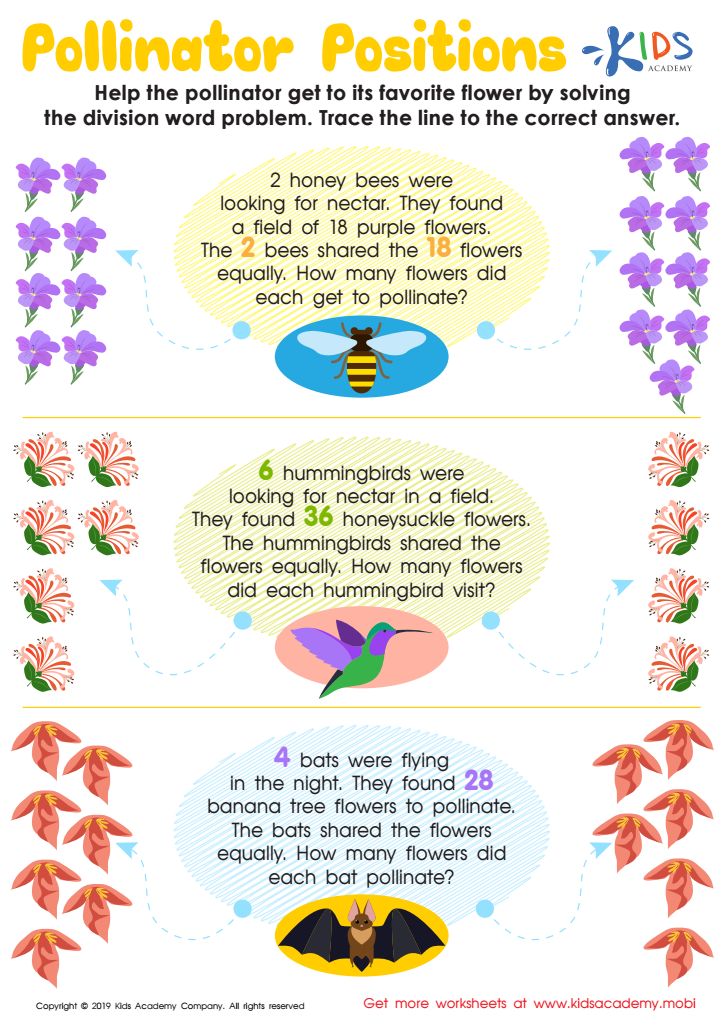
Pollinator Positions Worksheet
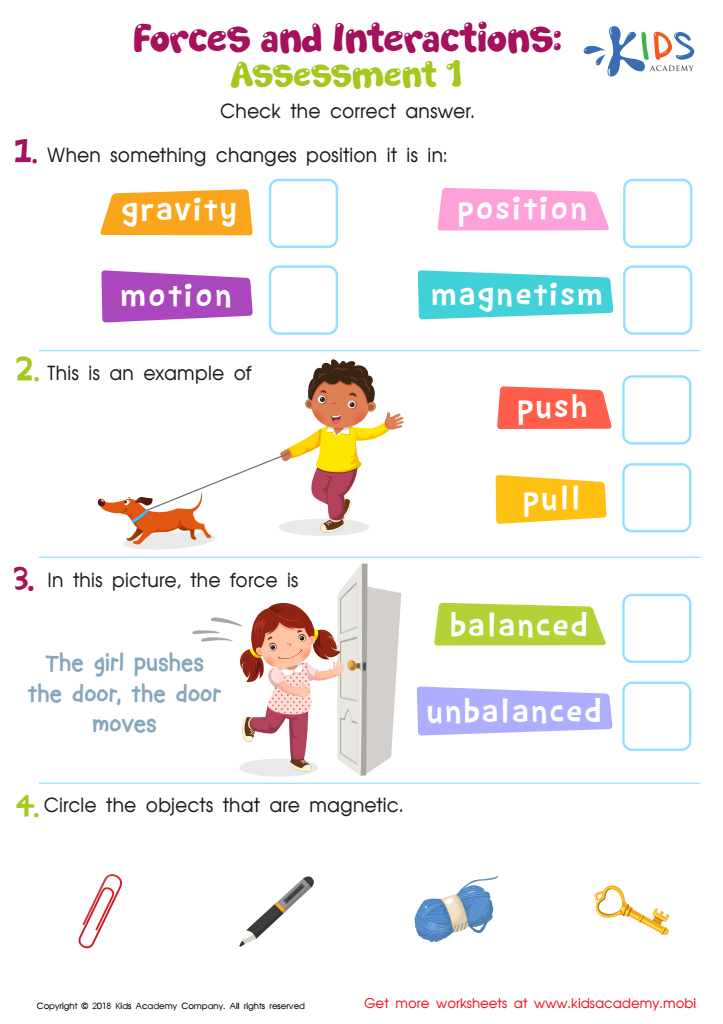
Forces and Interactions Printable
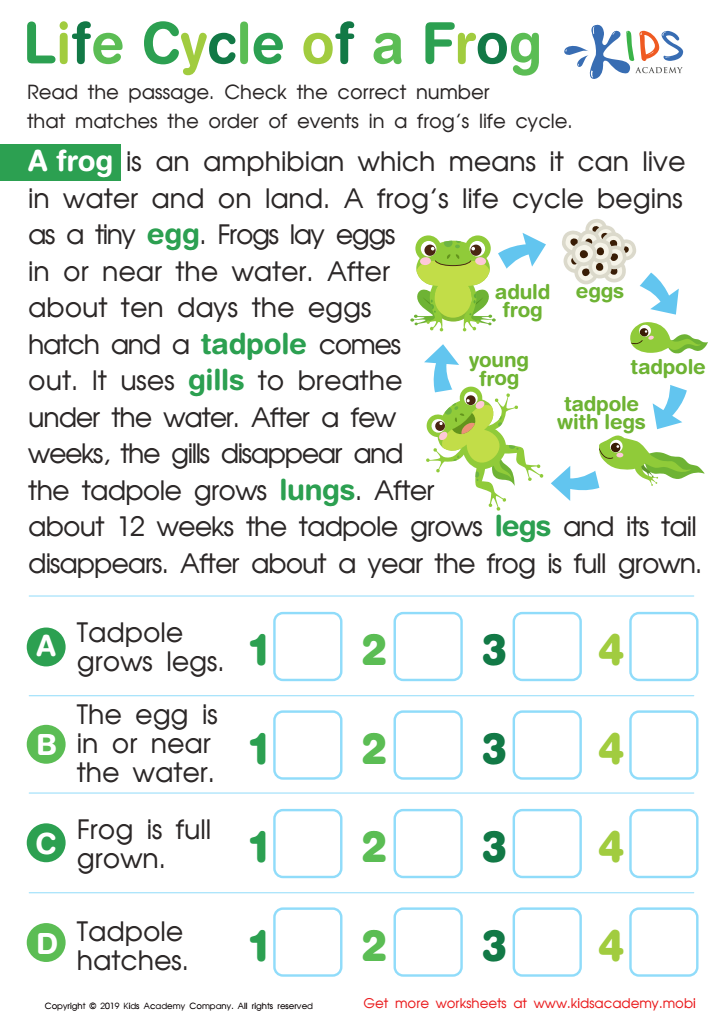
Life Cycle of a Frog Worksheet
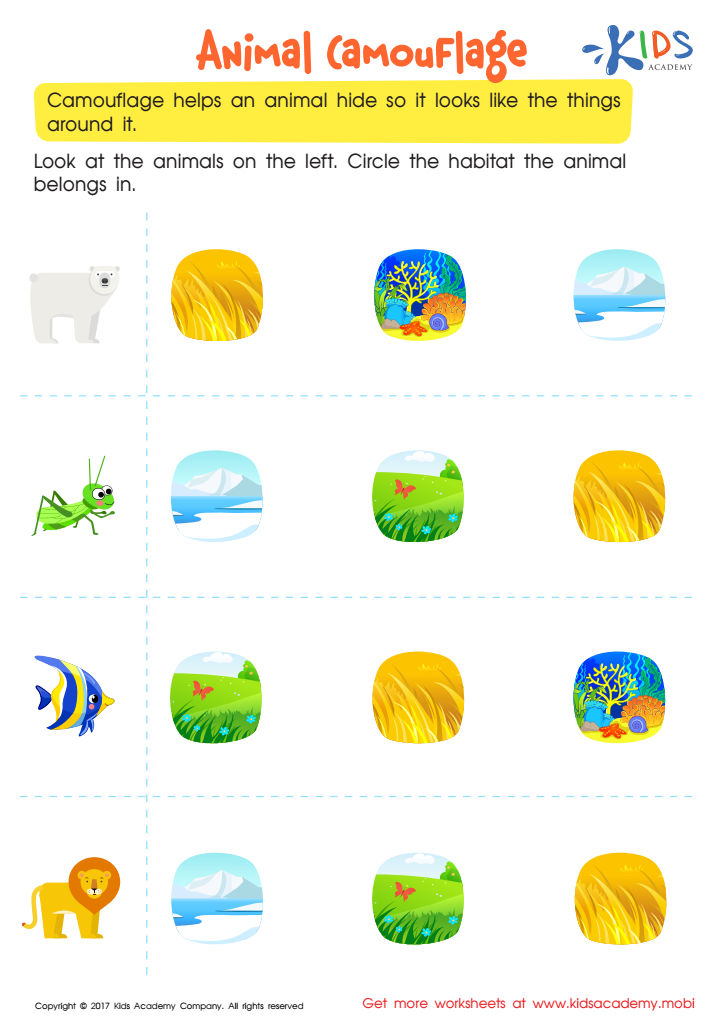
Animal Camouflage Worksheet
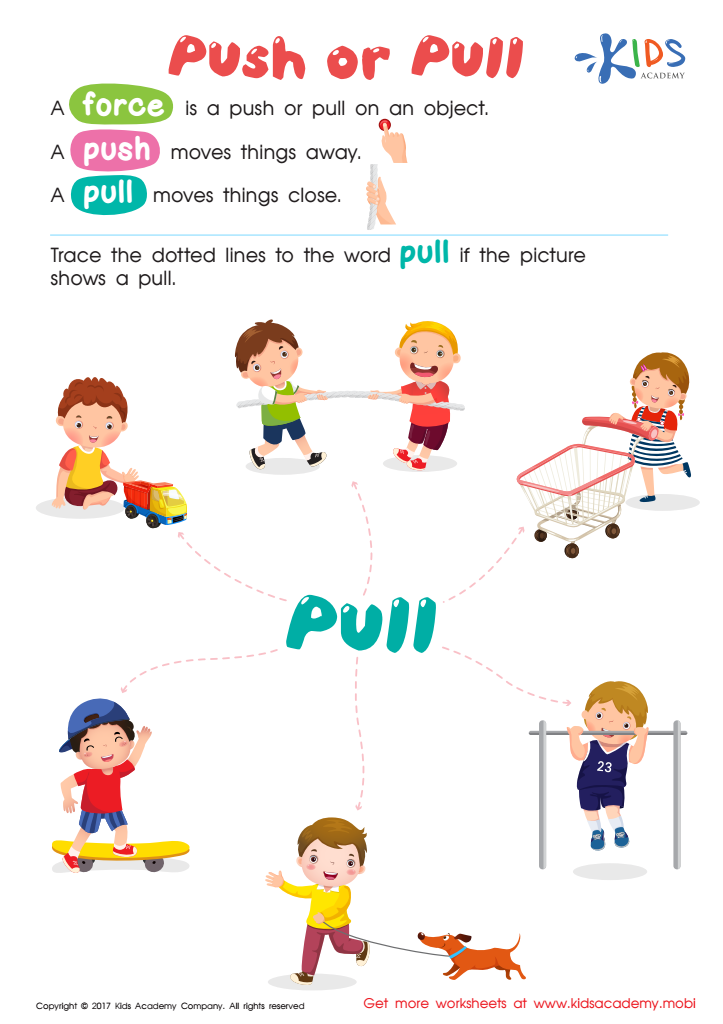
Pull or Push Worksheet




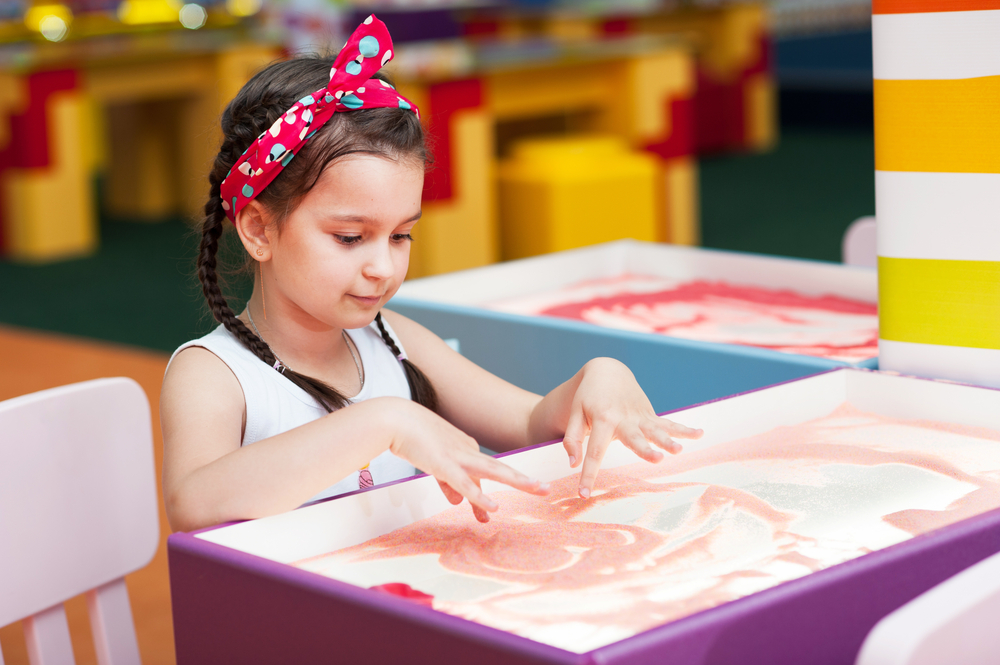
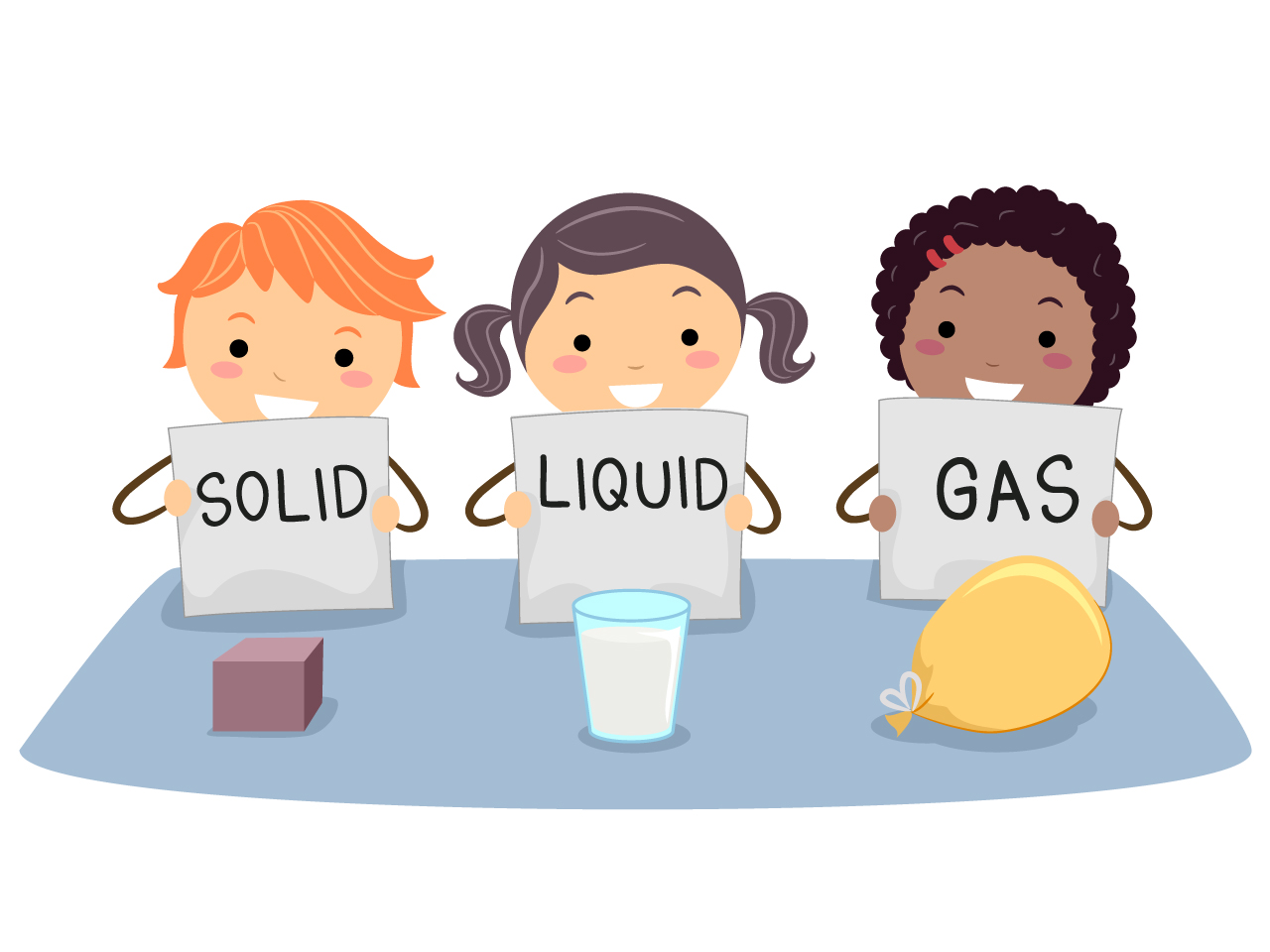


Enhancing observation skills in young learners, especially for ages 7-9, is crucial for both parents and teachers. At this developmental stage, children are naturally curious about their environment, making it an ideal time to nurture their observation abilities. Improved observation skills can significantly enhance critical thinking, problem-solving, and analytical abilities, laying a strong foundation for future learning.
Children who develop keen observation skills are better equipped to conduct scientific inquiries, make connections between concepts, and engage more deeply in experiments and nature explorations. By closely observing their surroundings, they can learn to gather data, notice patterns, and draw conclusions, which fosters scientific literacy.
Moreover, enhanced observation skills promote engagement and curiosity, leading to a lifelong love for learning. Parents and teachers can create opportunities for children to explore various environments, conduct simple experiments, and document their findings. This hands-on, experiential learning boosts confidence and encourages independent thinking.
In essence, supporting the development of observation skills at this age not only enriches children’s understanding of science but also nurtures essential life skills that they will carry forward, benefiting their educational journey and personal growth.







