Knowledge application Science Worksheets for Ages 7-9
5 filtered results
-
From - To
Our "Knowledge Application Science Worksheets for Ages 7-9" are designed to make learning science interactive and enjoyable for kids. Tailored for young learners, these worksheets cover a range of topics that encourage critical thinking and problem-solving. Each activity is crafted to apply scientific knowledge in fun and practical ways, reinforcing classroom lessons and sparking curiosity. From experimenting with simple machines to exploring ecosystems, our resources aim to enhance comprehension and retainment of scientific concepts, setting a strong foundation for future learning. Perfect for both classroom settings and at-home enrichment, these worksheets make science accessible and engaging.
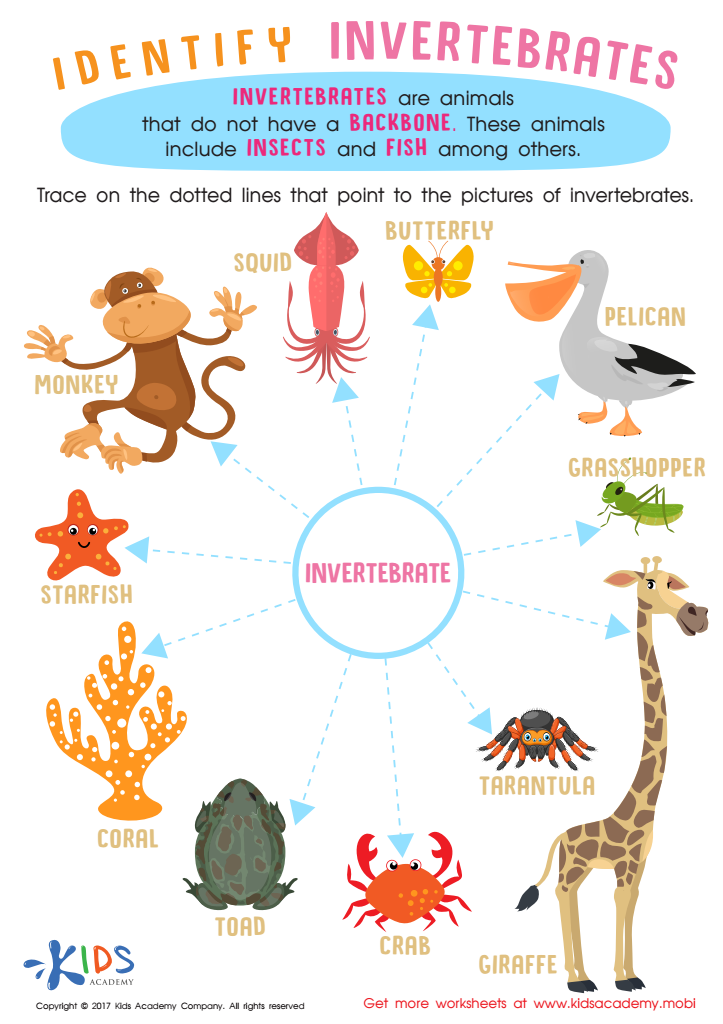
Invertebrates Worksheet for Grade 3
 Assign to My Students
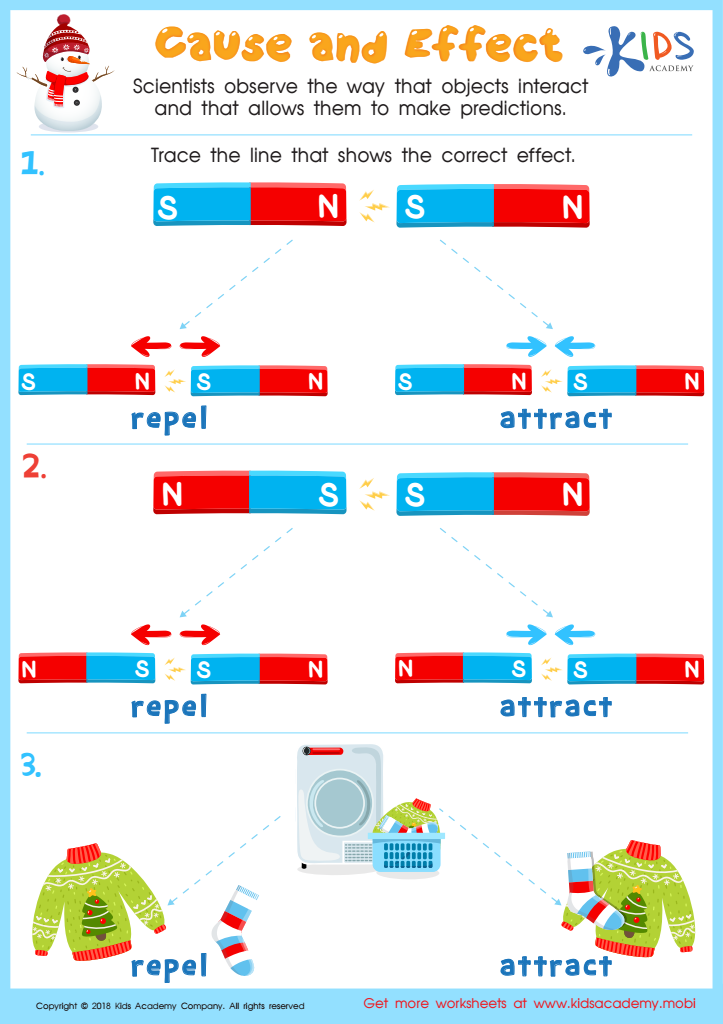
Repel and Attract Magnet Worksheet
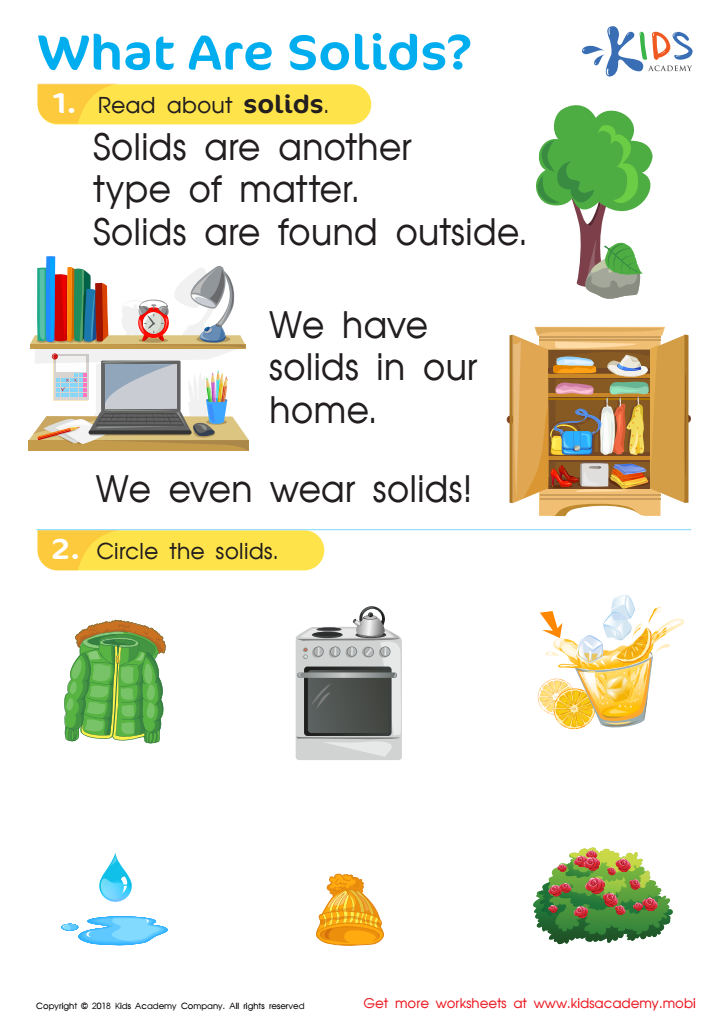
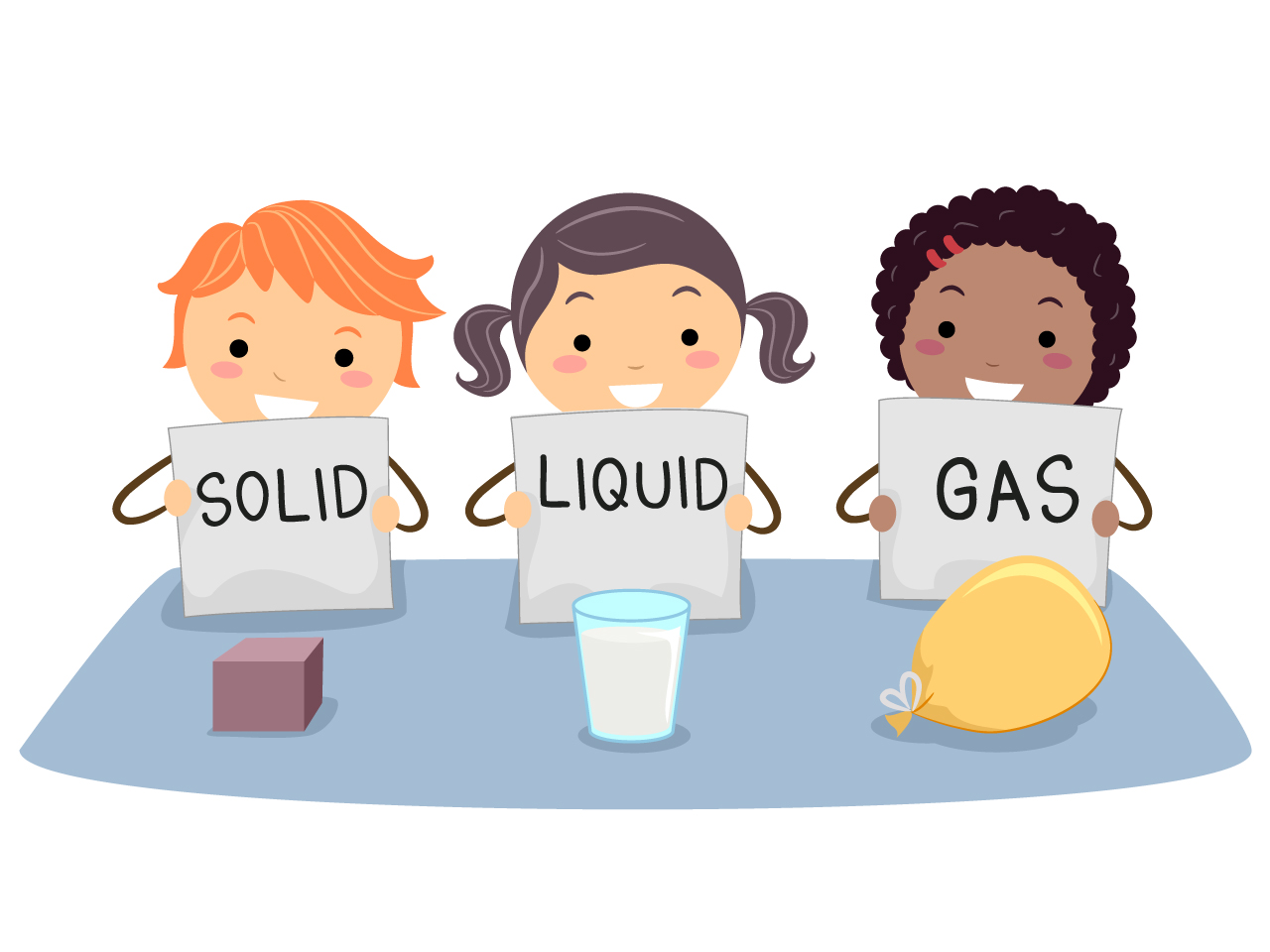
What Are Solids? Worksheet
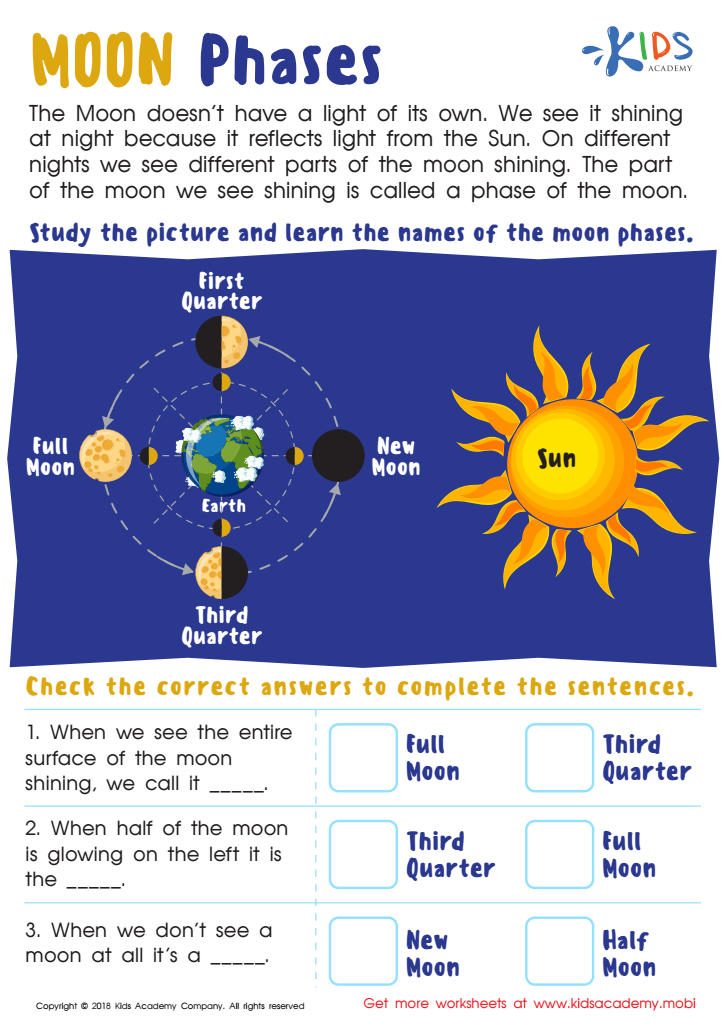
Moon Phases Worksheet
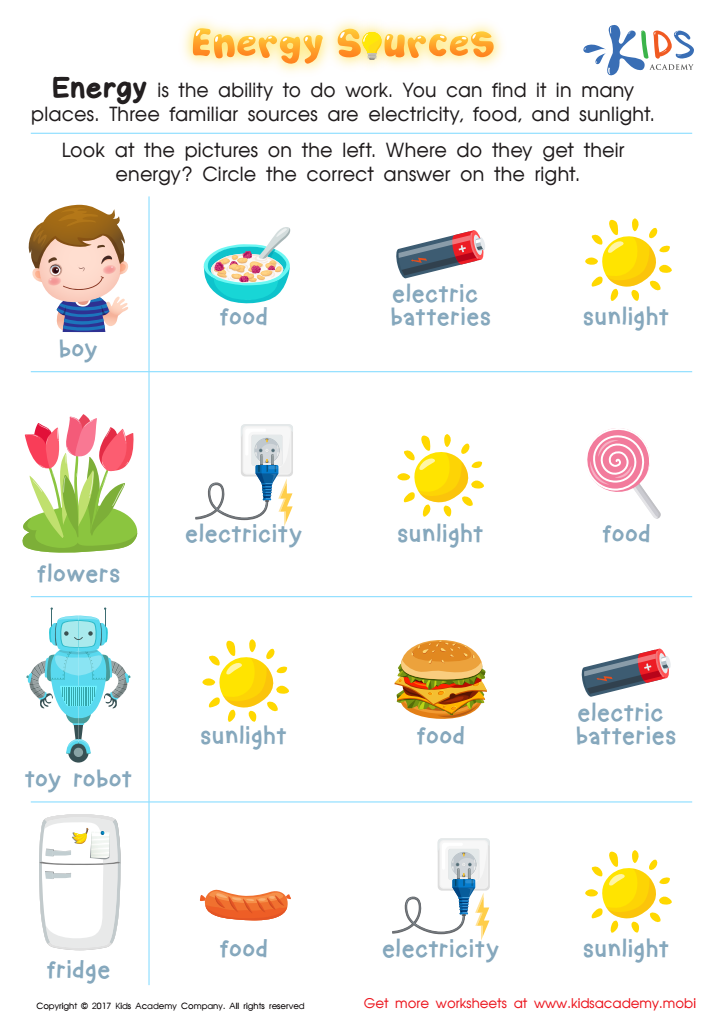
Energy Sources Printable


.jpg)




Knowledge application in science for ages 7-9 is vital for several reasons. During these foundational years, children are naturally curious and eager to learn about the world around them. Teaching them how to apply scientific knowledge capitalizes on this curiosity by connecting abstract concepts to real-world experiences. This not only deepens their understanding but also makes learning more engaging and enjoyable.
One key benefit is the development of critical thinking and problem-solving skills. When children are encouraged to apply what they've learned in science to everyday situations, they begin to understand how to analyze problems, think logically, and devise solutions. These skills are applicable far beyond the science classroom and are essential for success in almost any field in the future.
Additionally, fostering an ability to apply scientific knowledge promotes a lifelong interest in science and learning. When children see the relevance of what they learn, they're more likely to continue asking questions and seeking knowledge throughout their lives. This nurtures a growth mindset, where they understand that abilities can be developed through effort and persistence.
Lastly, early application of scientific knowledge helps to build a strong foundation for more complex learning in the later grades. It ensures that children are not just memorizing facts, but are truly understanding concepts and processes. In summary, prioritizing knowledge application in science enhances critical thinking, prepares children for future academic and life challenges, and nurtures a lifelong love for learning.







