Plant identification Plants and Animals Worksheets for Ages 7-9
3 filtered results
-
From - To
Discover the fascinating world of nature with our "Plant Identification Worksheets" designed for kids aged 7-9! These engaging printable activities help young learners explore and identify various plants and animals, encouraging a deeper understanding of ecosystems. Each worksheet combines fun illustrations with essential science skills, making learning exciting and interactive. Perfect for classroom use or at-home activities, these resources promote critical thinking, observation, and curiosity about the environment. Equip your child with the tools to investigate the wonders of plant life while fostering a love for science. Explore, learn, and enjoy nature through our beautifully crafted worksheets!
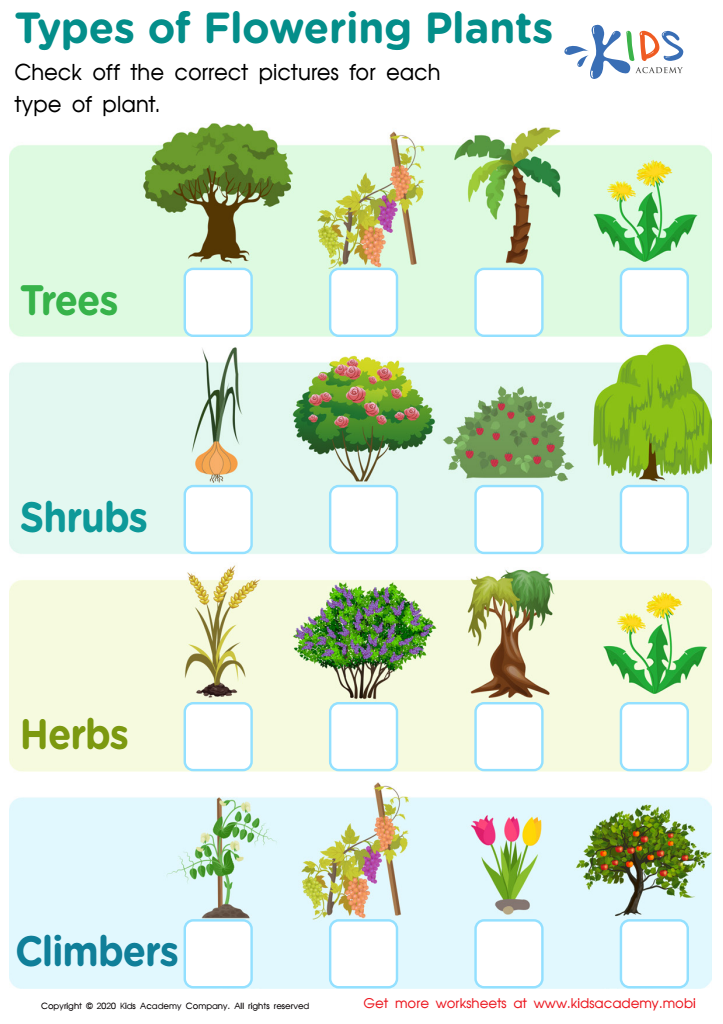
Types of Flowering Plants Worksheet











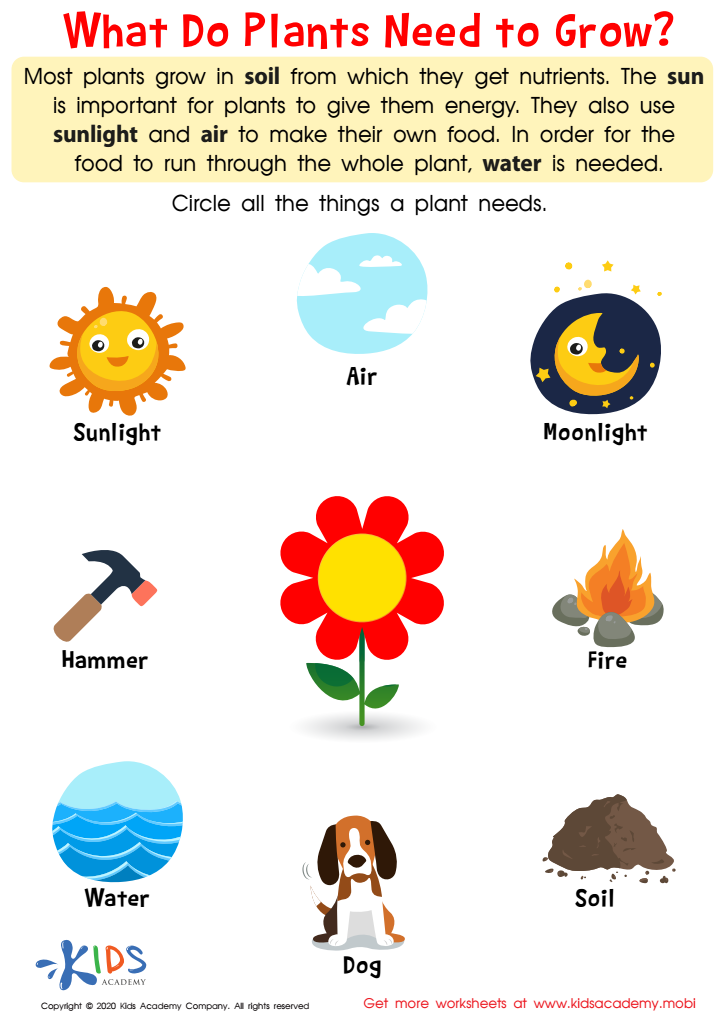
What Do Plants Need to Grow Worksheet
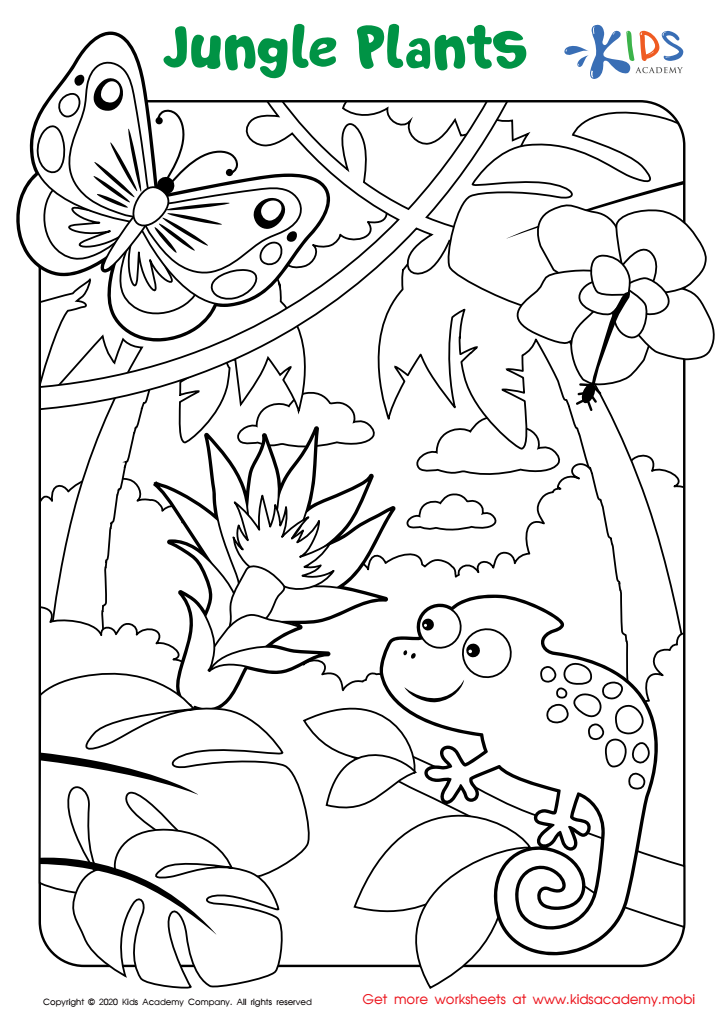
Jungle Plants Worksheet
 Assign to My Students








Plant and animal identification is crucial for children ages 7-9, as it fosters a sense of curiosity and appreciation for the natural world. Engaging with nature supports holistic development, enhancing cognitive skills like observation and critical thinking. By learning to identify various species, children deepen their understanding of ecosystems, including the interconnected roles of plants and animals in their environments.
This knowledge not only enriches a child’s science education but also nurtures a sense of responsibility towards nature. As they identify local flora and fauna, children bond with their surroundings, growing into environmentally conscious individuals. These interactions promote outdoor exploration, which is vital for physical health and encourages active, engaged learning, contrasting sharply with sedentary screen time prevalent today.
Moreover, involving parents in this process strengthens family bonds. Together, they can explore parks or gardens, creating shared memories and discussions around biodiversity. For teachers, incorporating plant and animal identification into curriculum-based activities enhances experiential learning, making abstract concepts tangible and relatable. Ultimately, knowledge about the environment cultivates future stewards of the planet, highlighting why educators and parents alike should prioritize this essential aspect of childhood education.








