Letter recognition Writing Worksheets for Ages 7-9
3 filtered results
-
From - To
Enhance your child's literacy skills with our engaging Letter Recognition Writing Worksheets designed specifically for ages 7-9! These worksheets provide a fun and interactive way for children to learn uppercase and lowercase letters, improving their handwriting and recognition abilities. Each worksheet features colorful illustrations and a variety of activities, including tracing, matching, and independent writing tasks, ensuring a comprehensive learning experience. Perfect for reinforcing classroom learning or as valuable home practice, these worksheets support early literacy development while keeping children entertained. Explore our collection today and watch your child build confidence in their reading and writing skills!
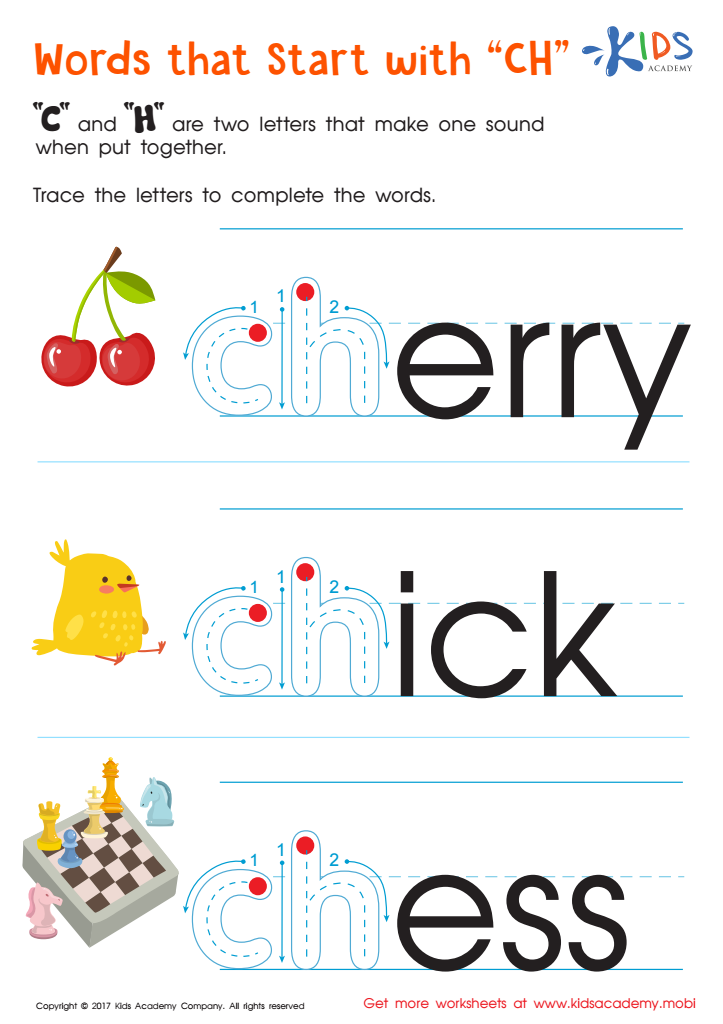
Words That Start with "ch" Spelling Worksheet
 Assign to My Students
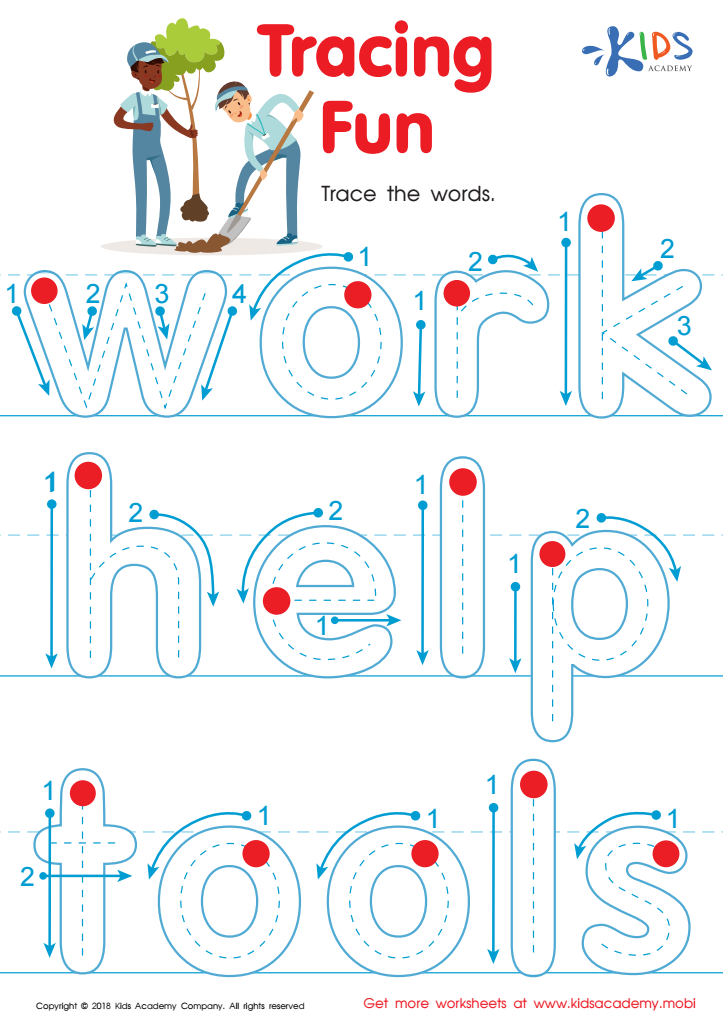
Tracing Fun Worksheet
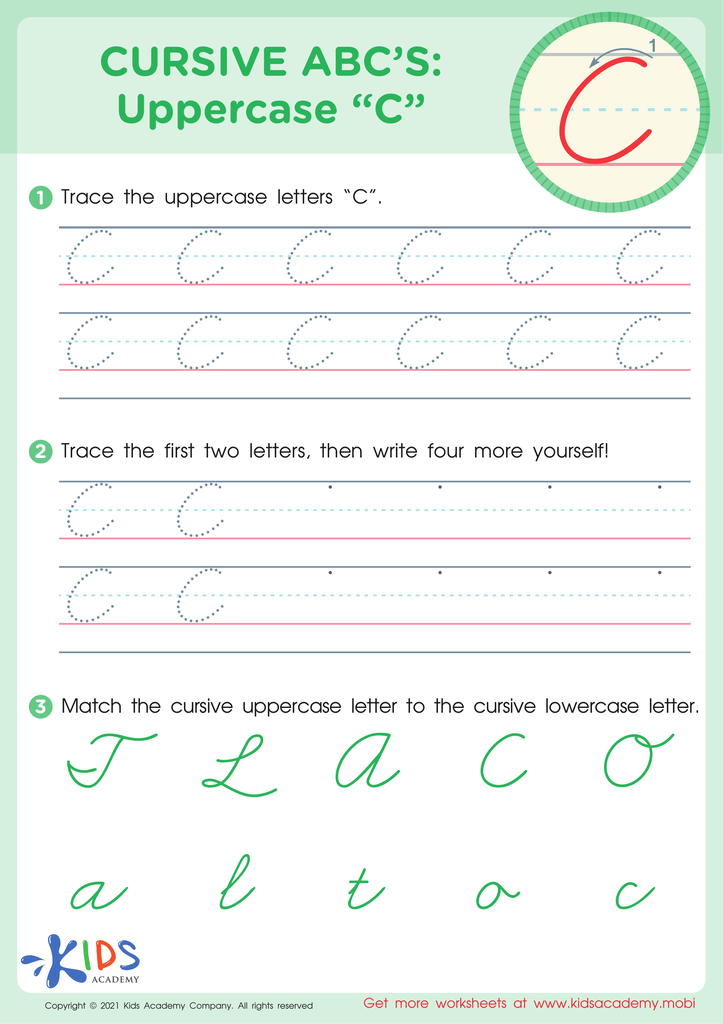
Cursive ABCs: Uppercase C







Letter recognition and writing are foundational skills for children aged 7-9, serving as critical stepping stones in their literacy development. At this age, children transition from learning individual letters to mastering their usage within words, sentences, and larger texts. When parents and teachers prioritize letter recognition and writing, they empower children to develop reading fluency, comprehension, and effective communication skills.
Understanding letter shapes, sounds, and sequences enables children to decode words independently, fostering confidence in their reading abilities. Proficient writing skills are equally essential, as they allow students to express their thoughts and ideas clearly. This age group begins to explore creative writing and structured compositions, making familiarity with letters vital for academic success.
Moreover, strong letter recognition and writing skills contribute to overall cognitive development, enhancing memory, attention, and fine motor coordination. Engaging with letters through fun activities and interactive lessons encourages a love for learning, sustaining children’s interest in literacy.
Finally, when parents and teachers collaboratively focus on these skills, they create a nurturing environment that fosters a child's holistic development. Together, they build the foundation for lifelong learning, critical thinking, and a love for language and literacy that lasts well beyond primary education.








