Pattern recognition Worksheets for 7-Year-Olds
15 filtered results
-
From - To
Discover our engaging Pattern Recognition Worksheets designed specifically for 7-year-olds! These worksheets are perfect for enhancing critical thinking and cognitive skills through fun and interactive exercises. Children will enjoy identifying and completing patterns using shapes, colors, numbers, and objects, fostering essential early math skills. Our colorful and age-appropriate resources make learning captivating, encouraging kids to explore and enjoy the subject. Ideal for both classroom use and at-home practice, these worksheets support various learning styles and ensure foundational skills are solidified. Boost your child's pattern recognition abilities today with our thoughtfully designed worksheets! Start your journey to math mastery now!
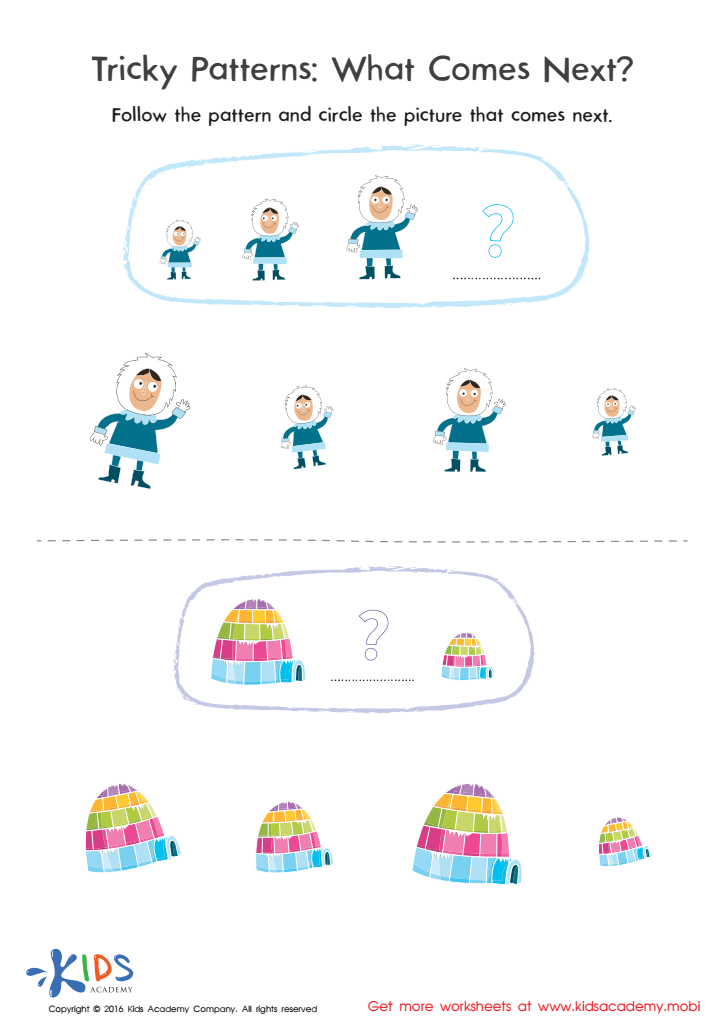
Tricky Patterns Size Worksheet
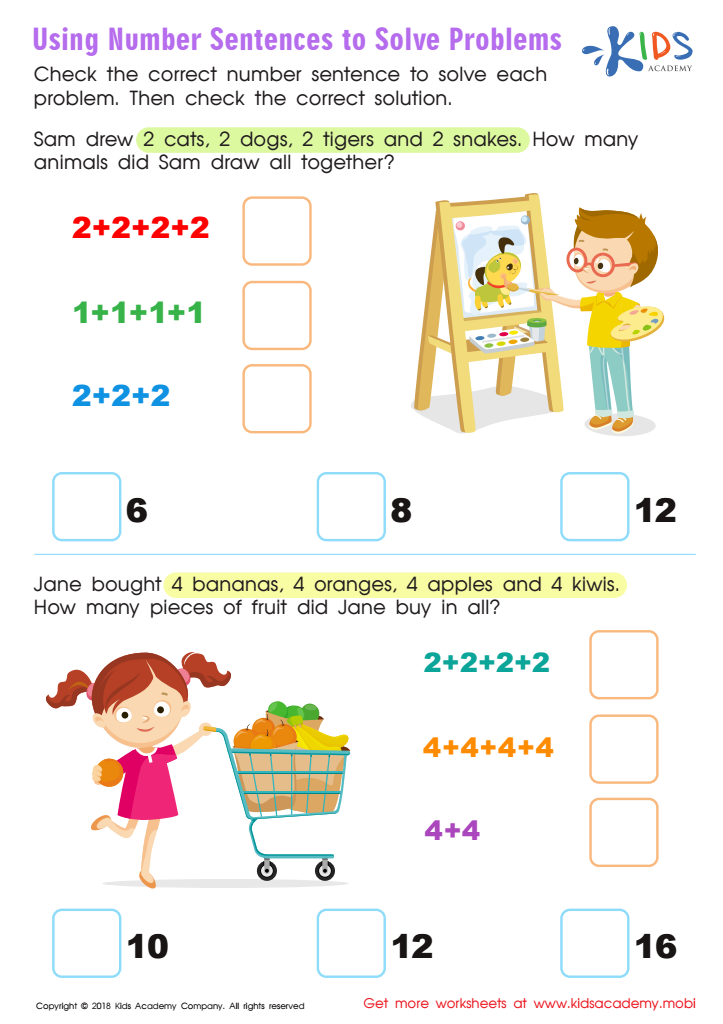
Using Number Sentences to Solve Problems Worksheet
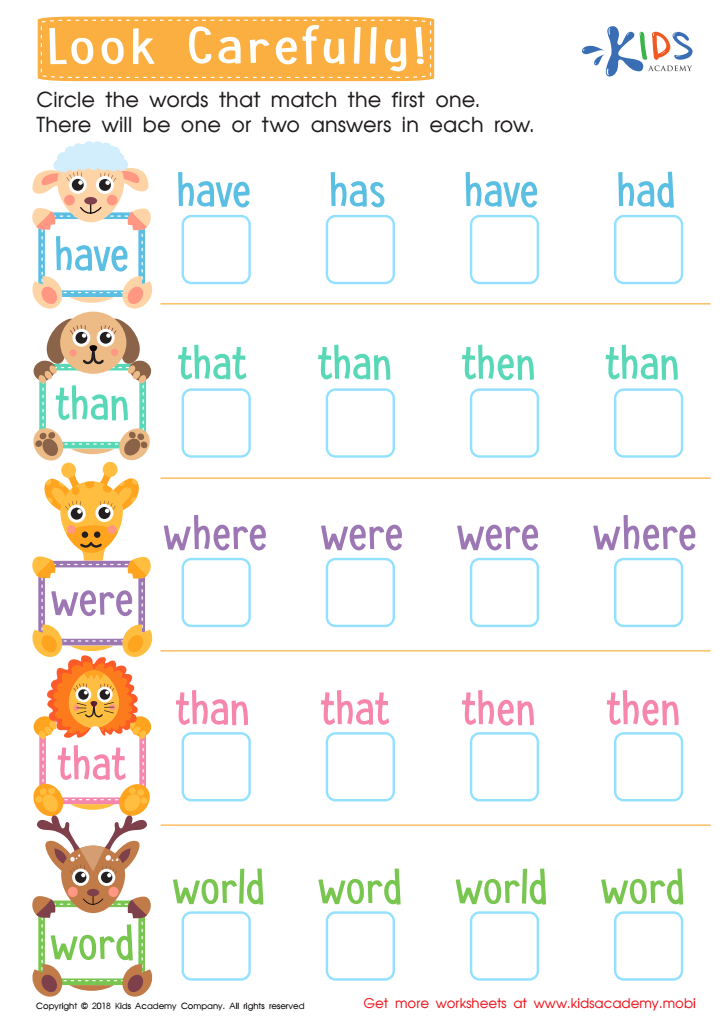
Look Carefully Worksheet
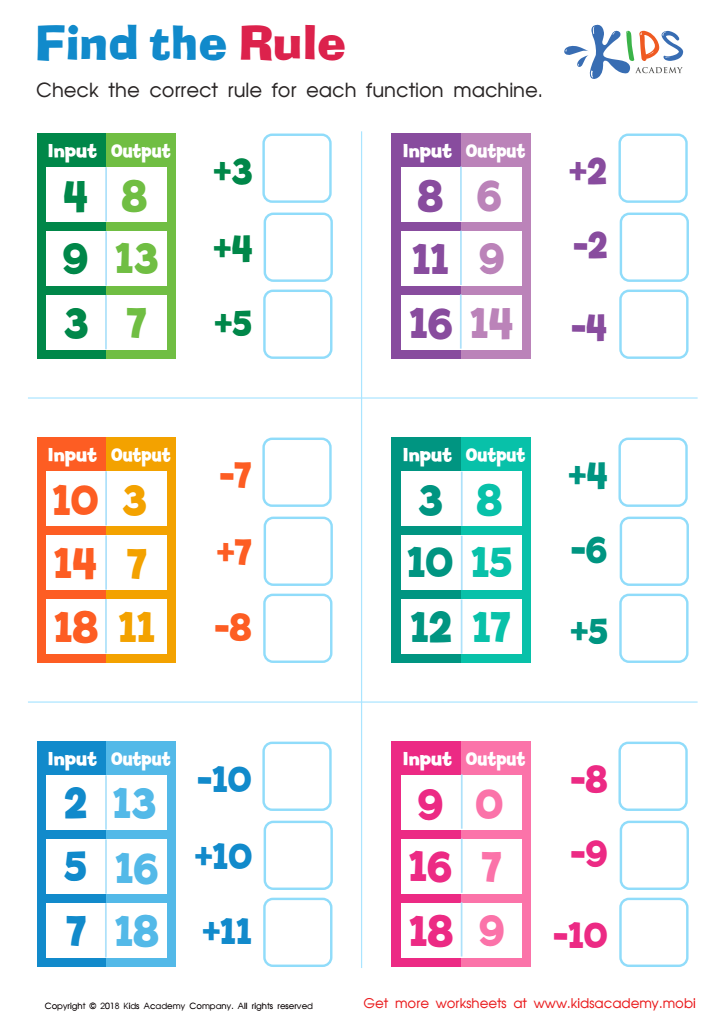
Find the Rule Worksheet
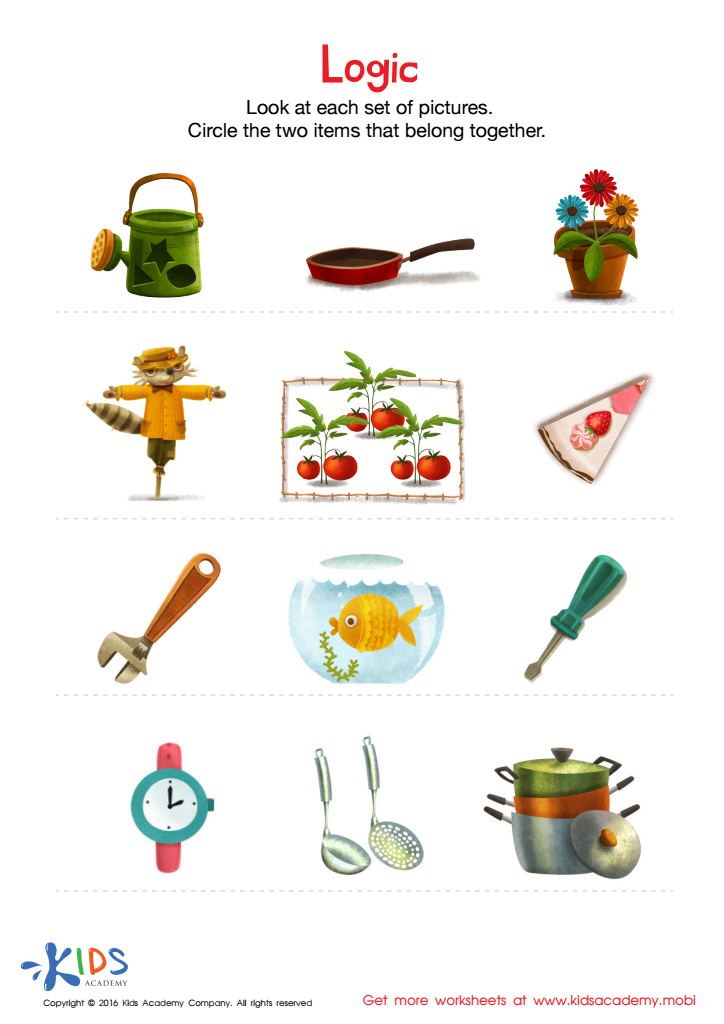
Logic Game Sorting Worksheet
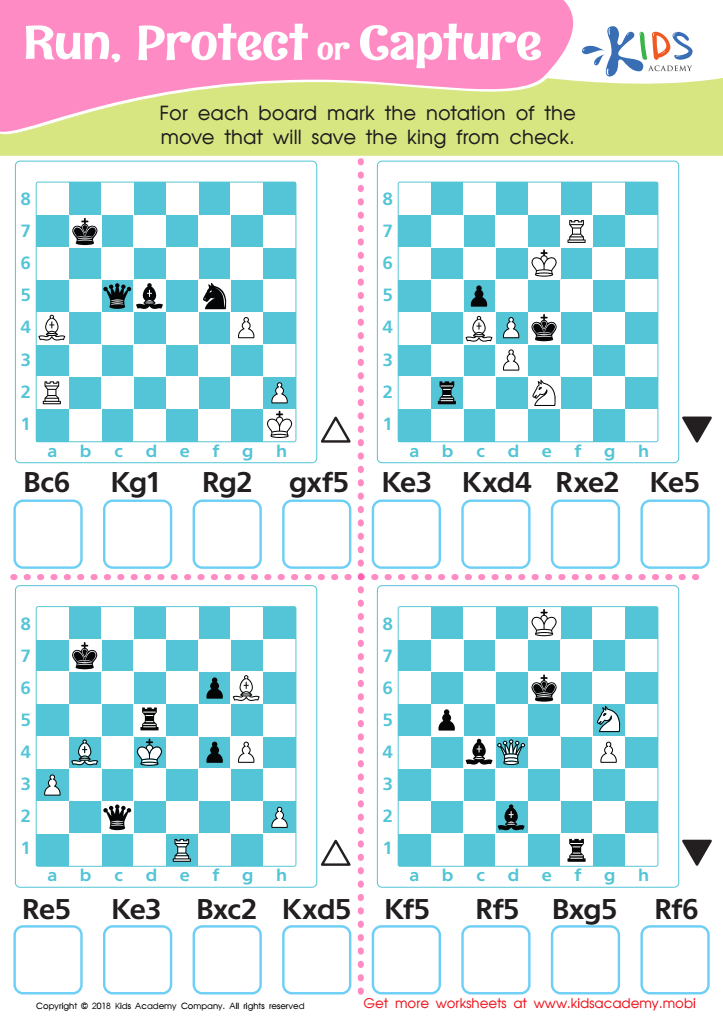
Run, Protect or Capture Worksheet
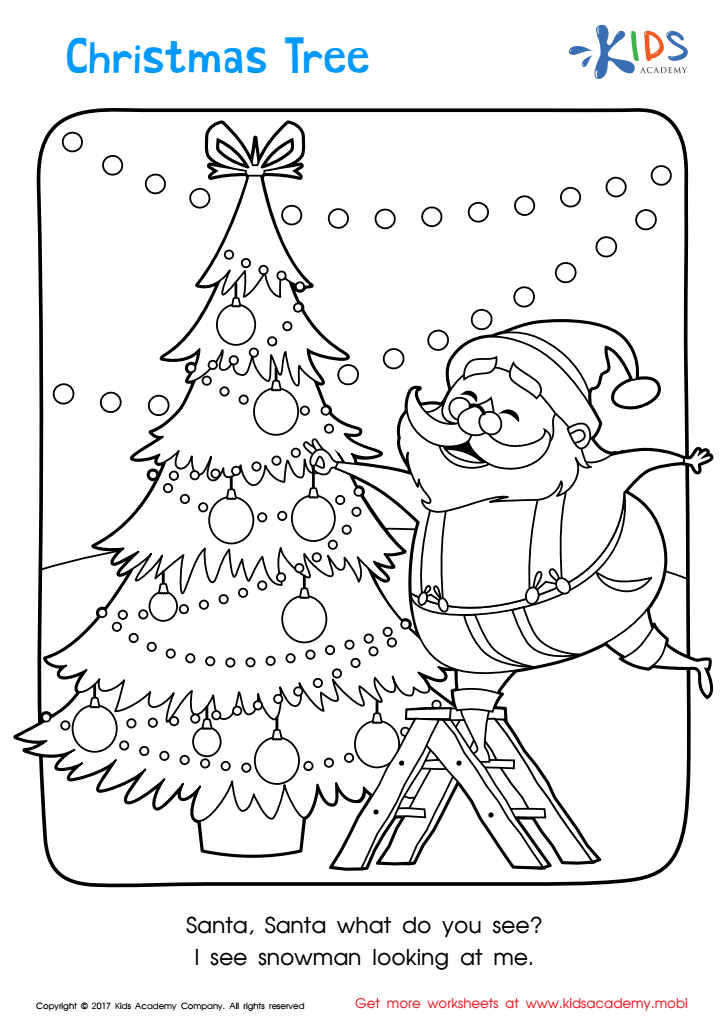
Christmas: Christmas Tree Printable
 Assign to My Students
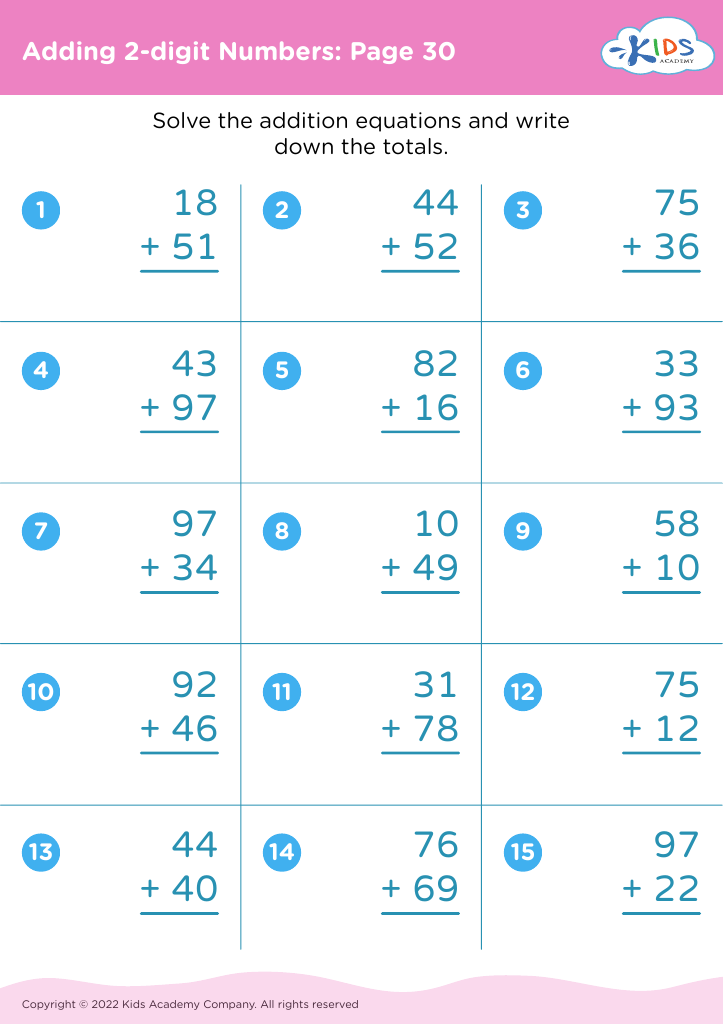
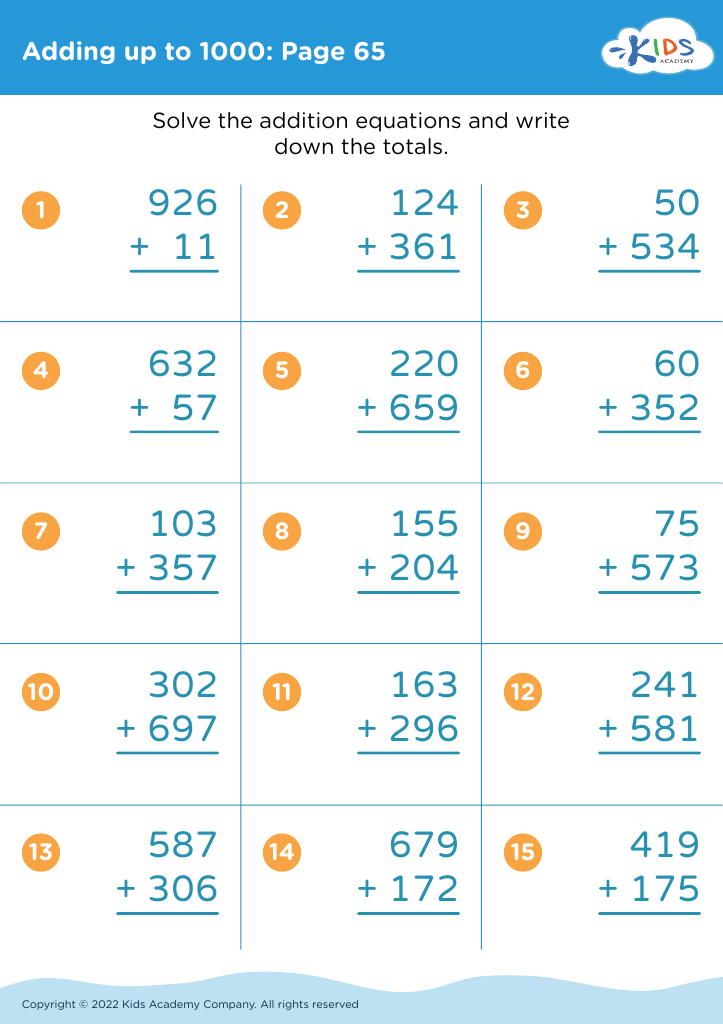
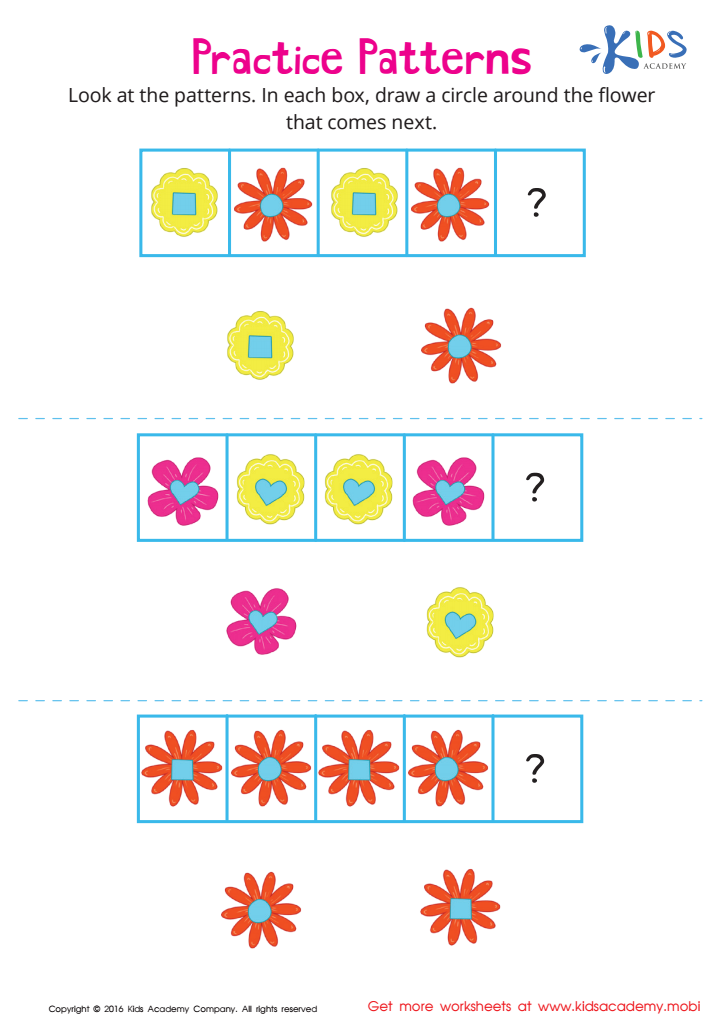
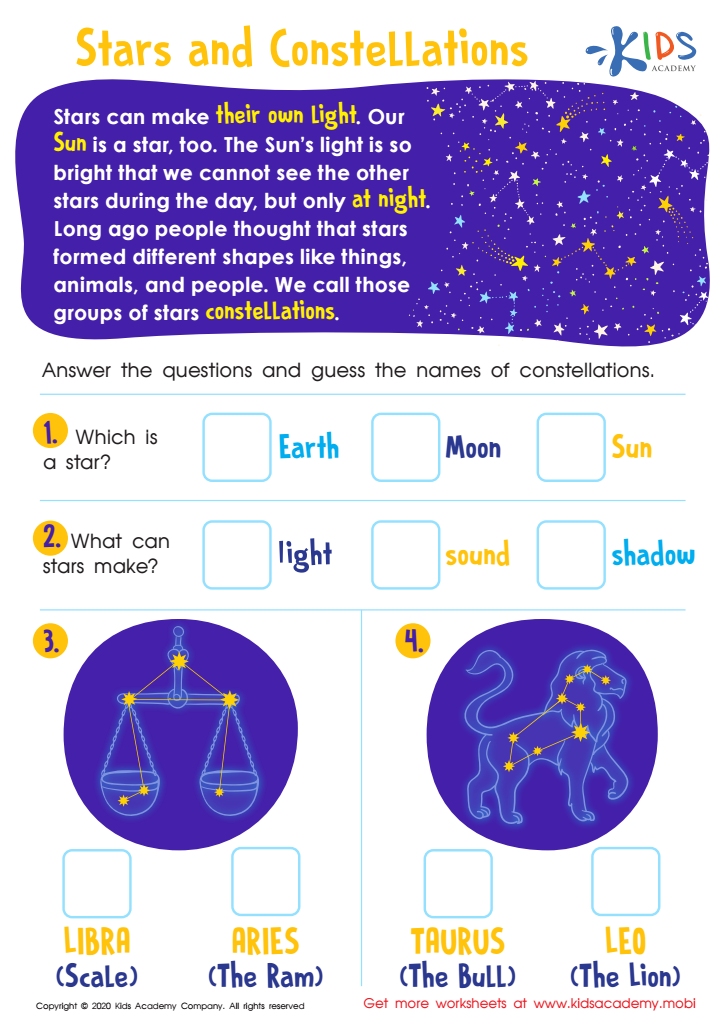
Stars and Constellations Worksheet
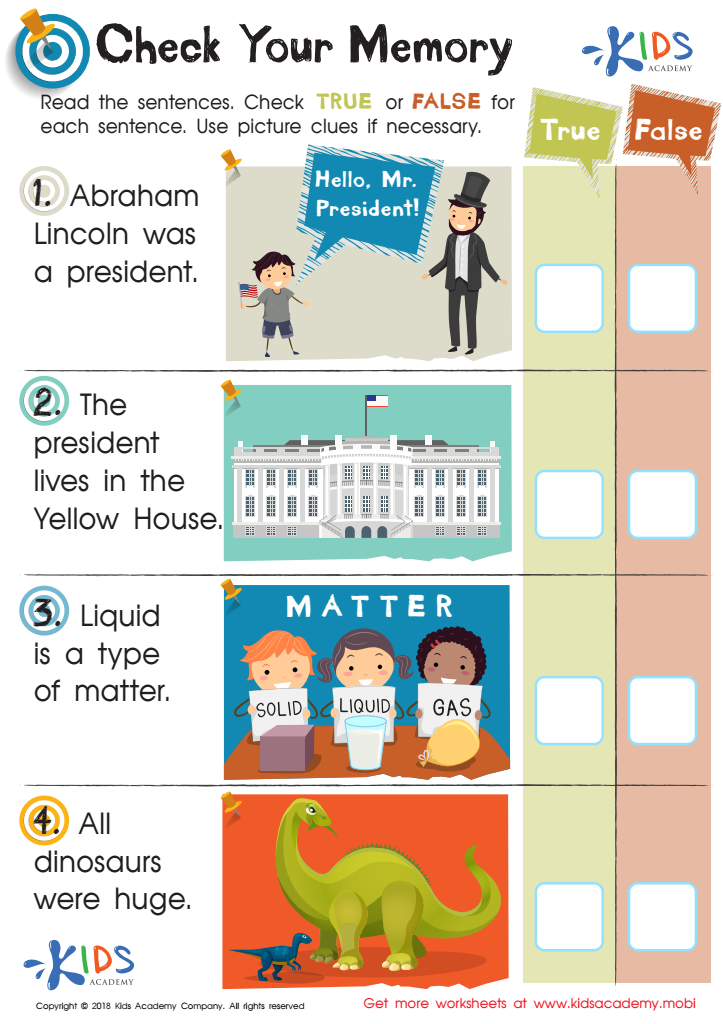
Check Memory Worksheet
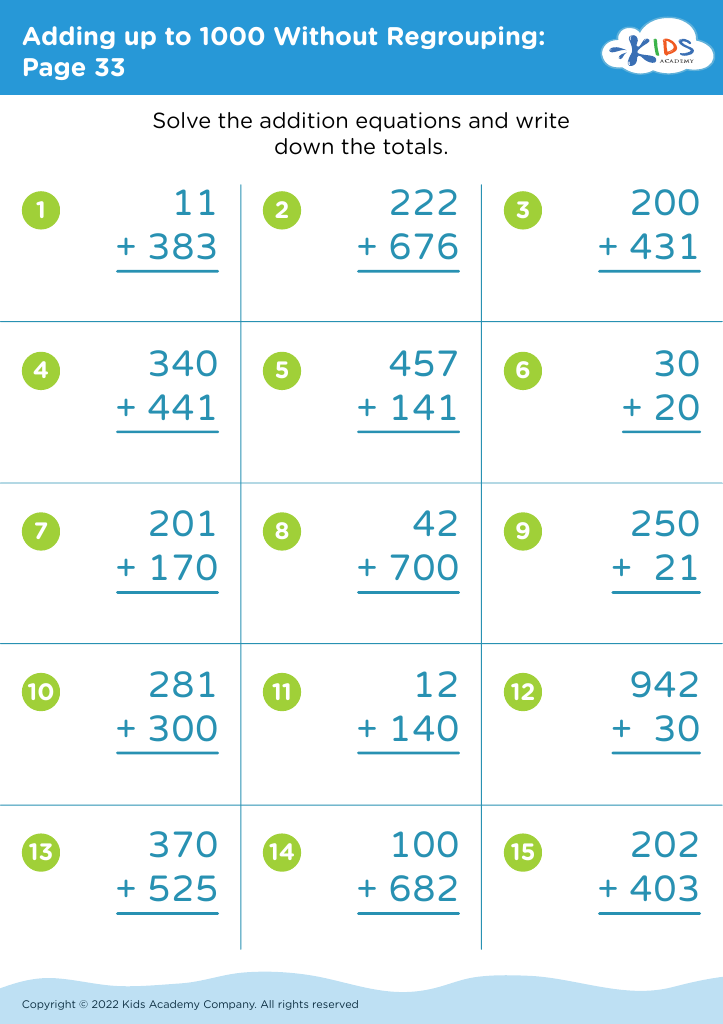







Pattern recognition is a fundamental cognitive skill that plays a critical role in a child's development, especially for 7-year-olds. This age involves significant growth in their logical reasoning abilities, making it the perfect time to foster this skill. Recognizing patterns helps children make sense of the world around them, enabling them to identify similarities and differences in various contexts, from math and science to language and even social interactions.
For parents and teachers, nurturing pattern recognition fosters critical thinking and problem-solving skills. It lays the groundwork for advanced concepts used in mathematics, such as addition, subtraction, and multiplication, while enhancing their ability to approach challenges systematically. Additionally, it enhances creativity by encouraging children to explore new ways to connect ideas and solutions.
Moreover, strong pattern recognition skills contribute to improved academic performance, promoting confidence in tackling new tasks. Children who develop this ability often excel in later stages of education, as they learn to identify trends and relationships efficiently. Ultimately, encouraging pattern recognition gives 7-year-olds a significant advantage, both in their current learning experience and their future education, making it crucial for both parents and teachers to prioritize this aspect of cognitive development.








