Spatial understanding Worksheets for 7-Year-Olds
3 filtered results
-
From - To
Boost your 7-year-old's spatial understanding skills with our engaging worksheets! Designed to spark curiosity and critical thinking, these worksheets feature a variety of fun activities that help children recognize shapes, sizes, and positions. From puzzles and matching exercises to practical scenarios, each worksheet encourages hands-on learning and problem-solving. Our user-friendly format makes it easy for both kids and parents to work together, enhancing comprehension through play. With consistent practice, your child will improve their ability to visualize and manipulate objects in space. Explore our collection today and watch your child develop essential skills for math and everyday life!
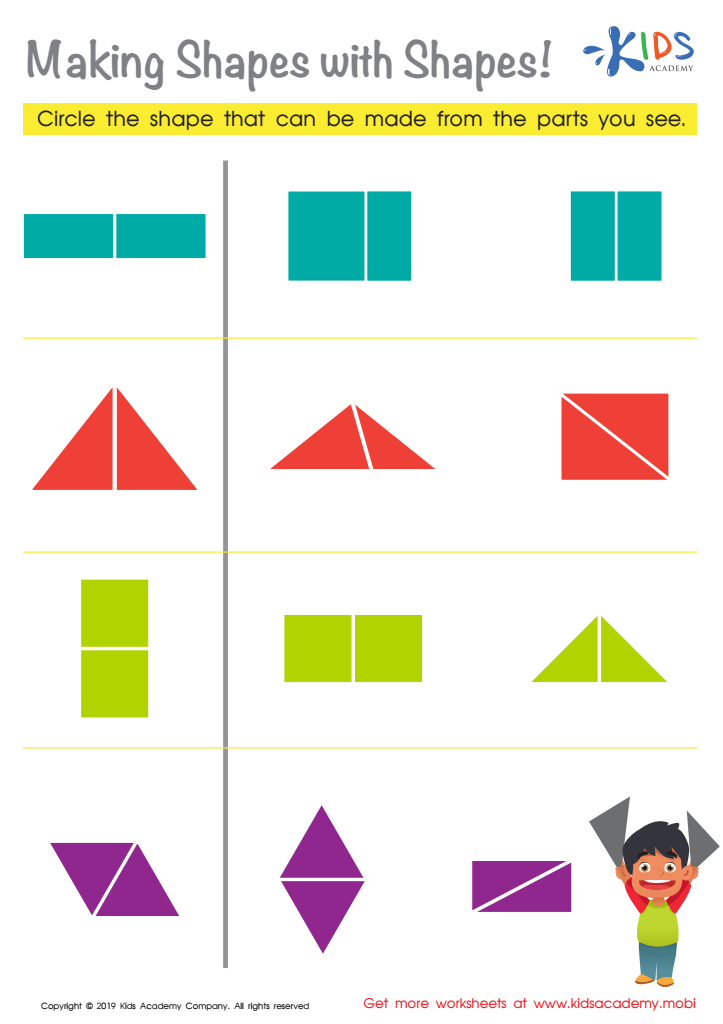
Making Shapes with Shapes Worksheet
 Assign to My Students
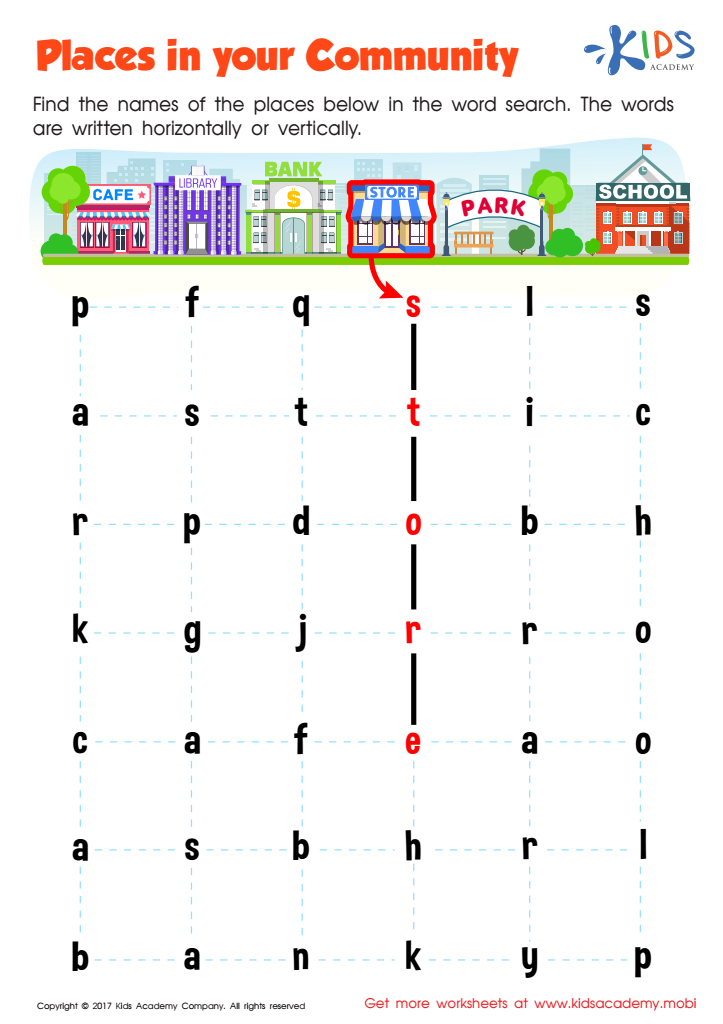
Places in Your Community Worksheet



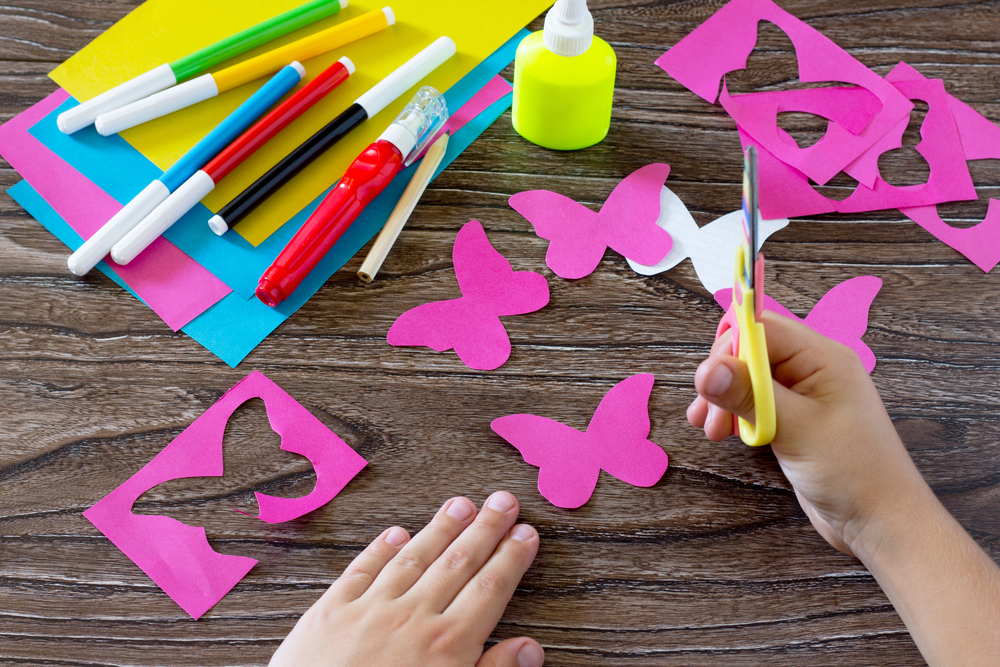



Spatial understanding is pivotal for 7-year-olds as it lays the foundation for critical life skills and academic success. Developing spatial awareness enhances a child’s ability to comprehend their environment and navigate it effectively. This skill is fundamental not only in subjects like mathematics and science, where it aids in grasping concepts like geometry, measurement, and problem-solving, but also in daily activities, such as reading maps, assembling puzzles, and engaging in sports.
Moreover, fostering spatial understanding helps in boosting creativity and critical thinking. Children who can visualize and manipulate objects in their minds demonstrate improved spatial reasoning, which is linked to higher achievements in STEM (Science, Technology, Engineering, and Mathematics) fields.
Supporting spatial skills also has social implications; children become better collaborators as they learn to communicate ideas around space and arrangement during group activities. Additionally, children with strong spatial awareness often express higher confidence levels, which contributes positively to their overall academic self-esteem and resilience.
Ultimately, teachers and parents should prioritize spatial understanding to ensure that children are well-prepared for future challenges, fostering a well-rounded education that encompasses not just academic knowledge but also practical, real-world applicable skills.








