Identify shapes Addition & Subtraction Worksheets for 7-Year-Olds
10 filtered results
-
From - To
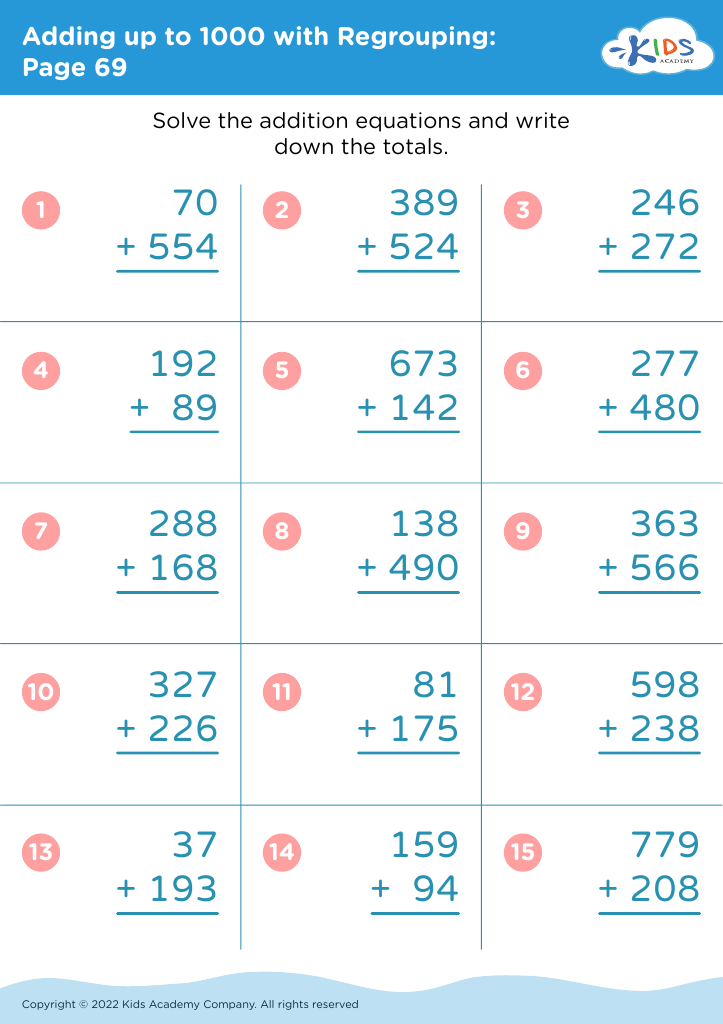
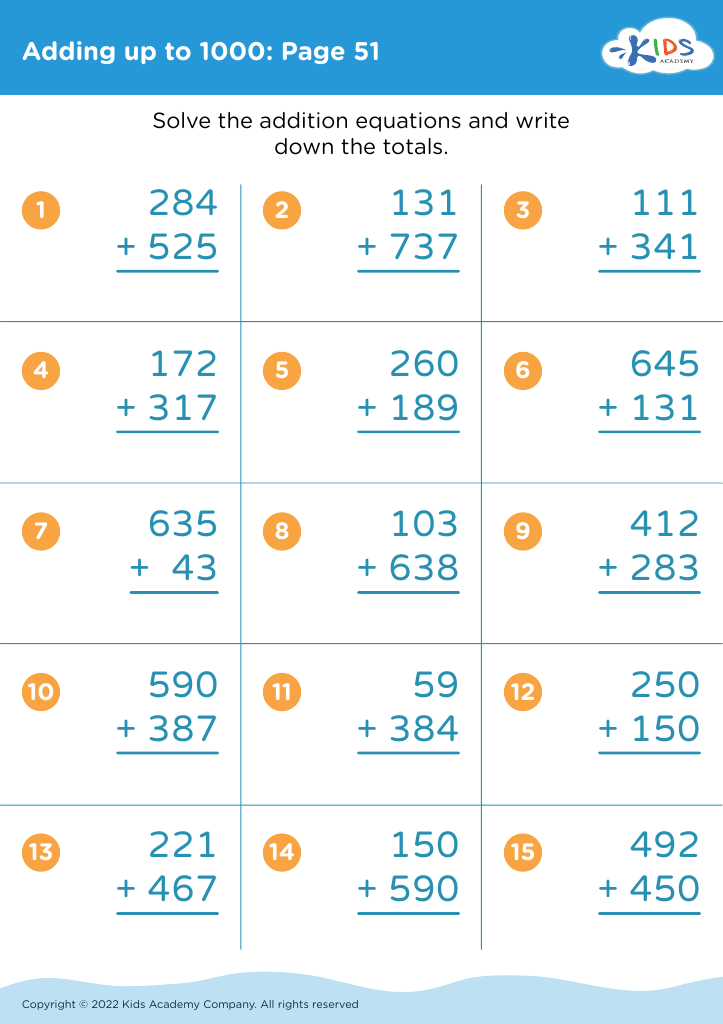
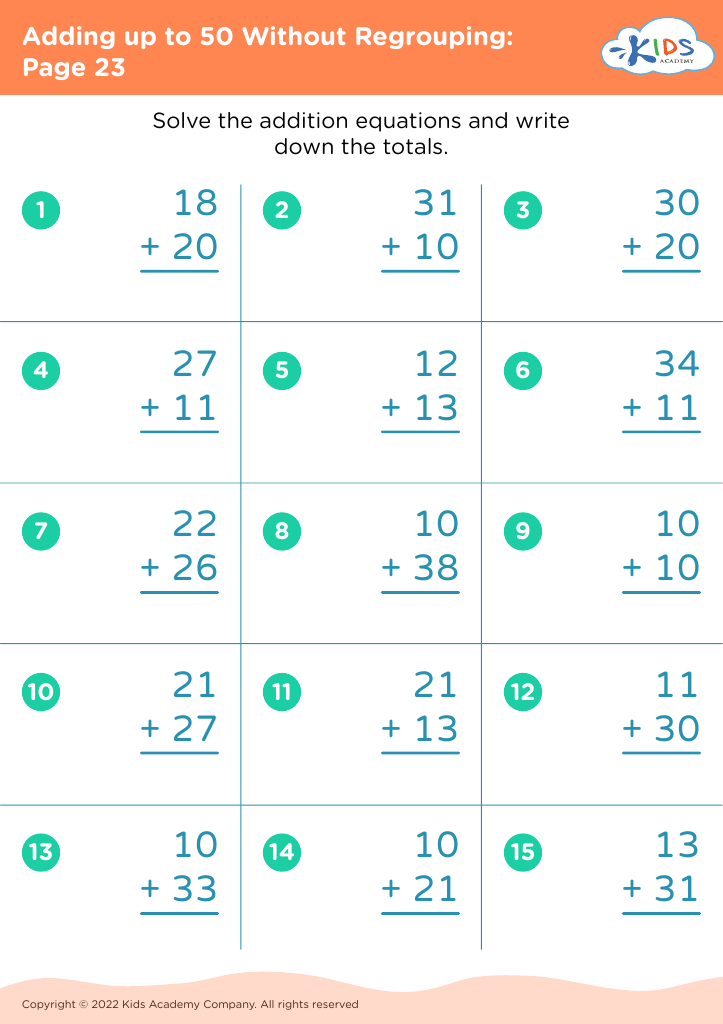
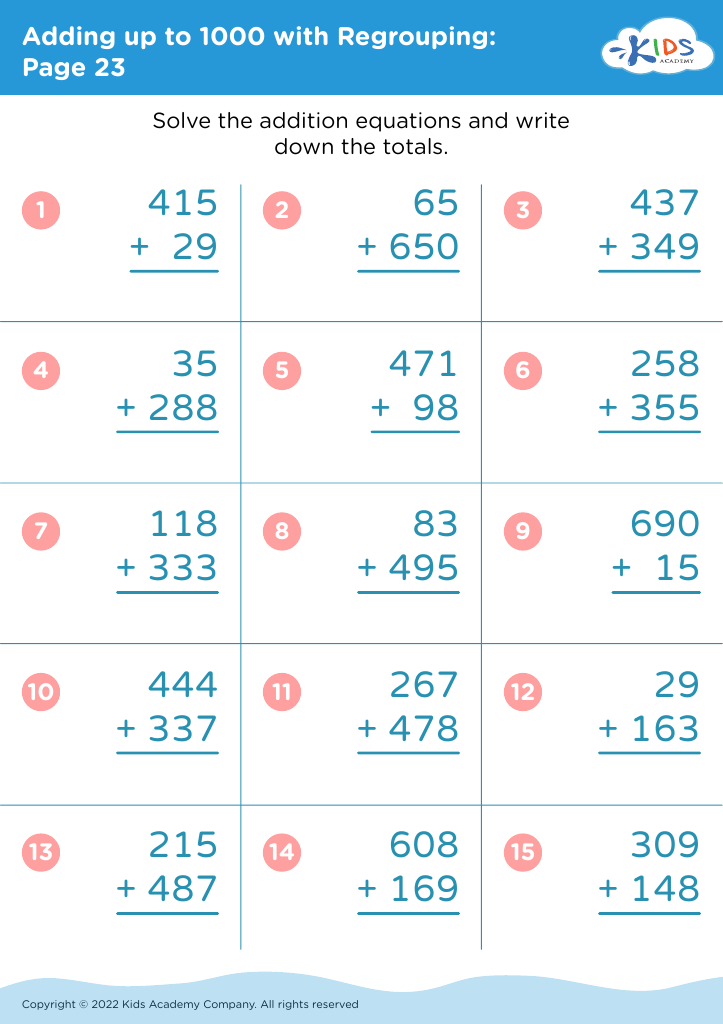
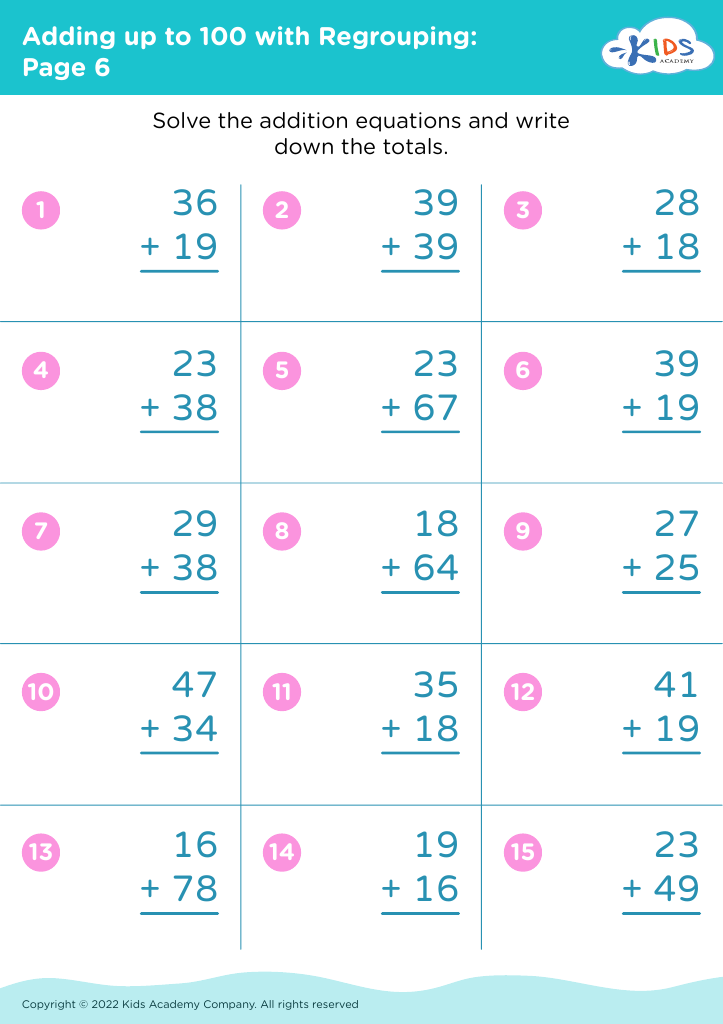
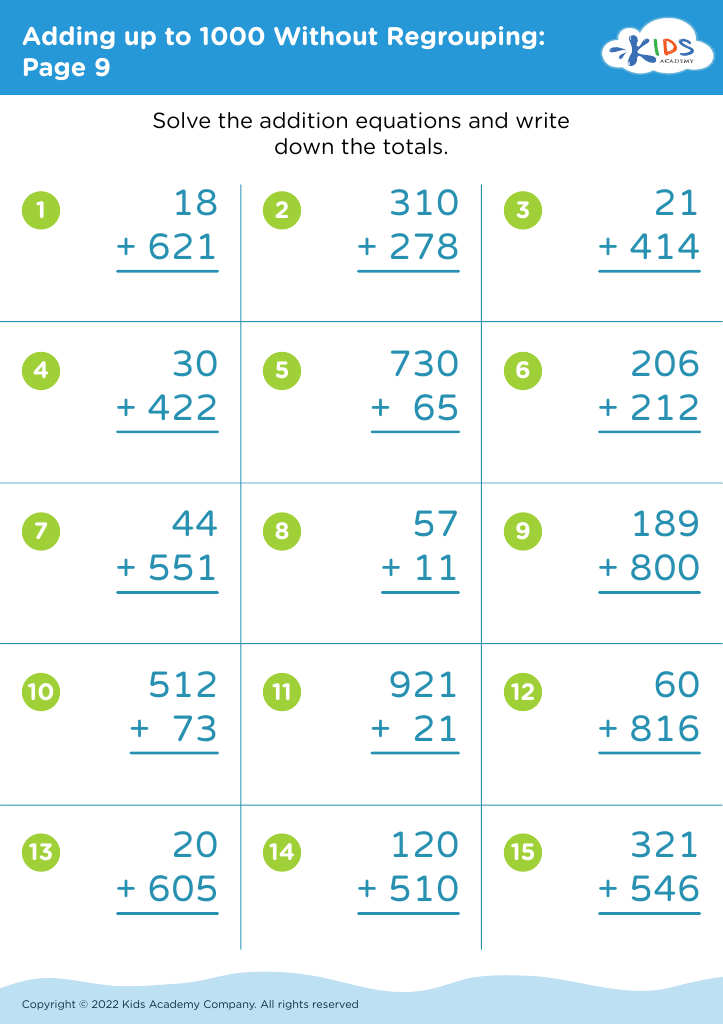
Enhance your child's mathematical skills with our "Identify Shapes Addition & Subtraction Worksheets" designed specifically for 7-year-olds. These engaging worksheets combine fun shape identification with essential addition and subtraction practice. Children will love exploring colorful shapes while improving their math proficiency. Each worksheet encourages critical thinking and boosts confidence in solving problems by integrating shape recognition with mathematical operations. Ideal for home or classroom use, these tailored activities help young learners grasp fundamental concepts in an enjoyable way. Dive into our collection today and turn math learning into a joyful adventure for your child!
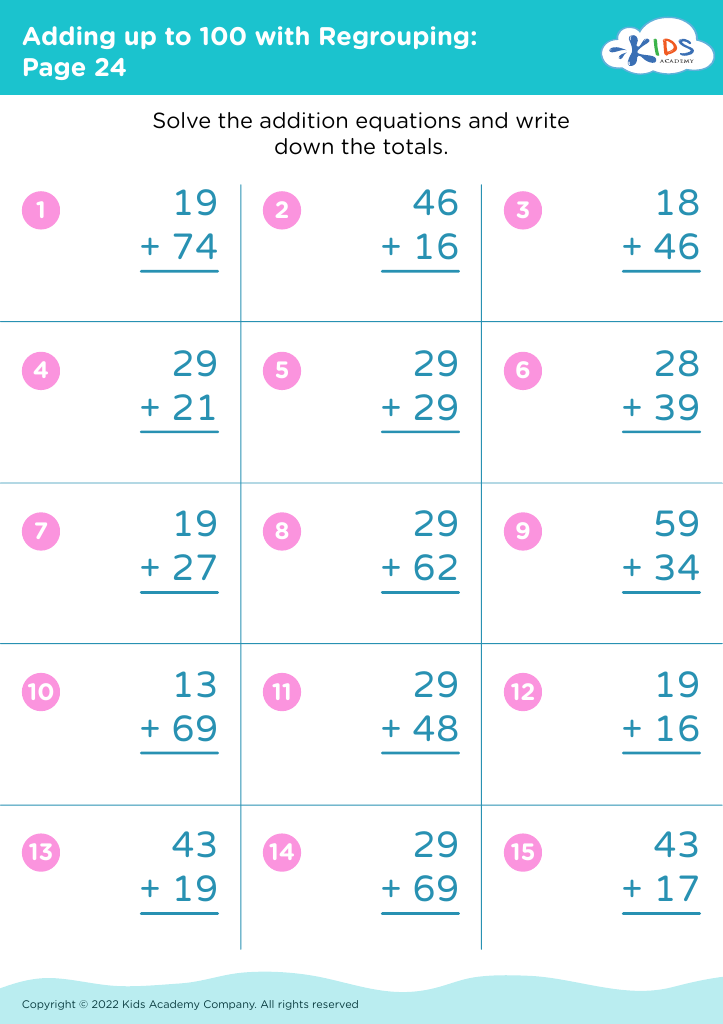
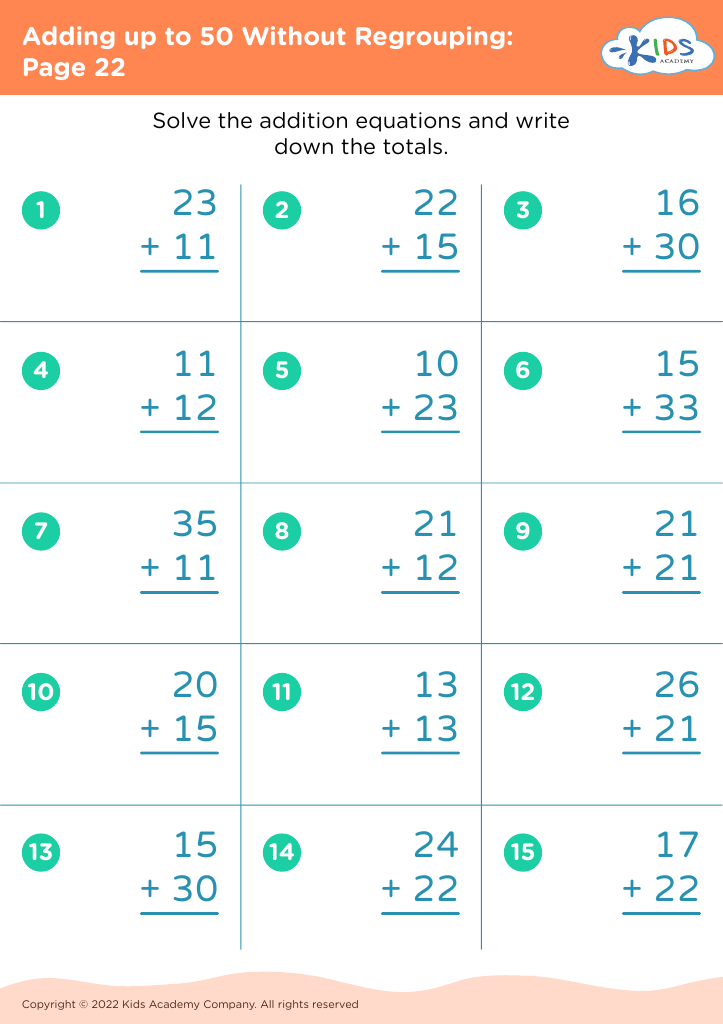
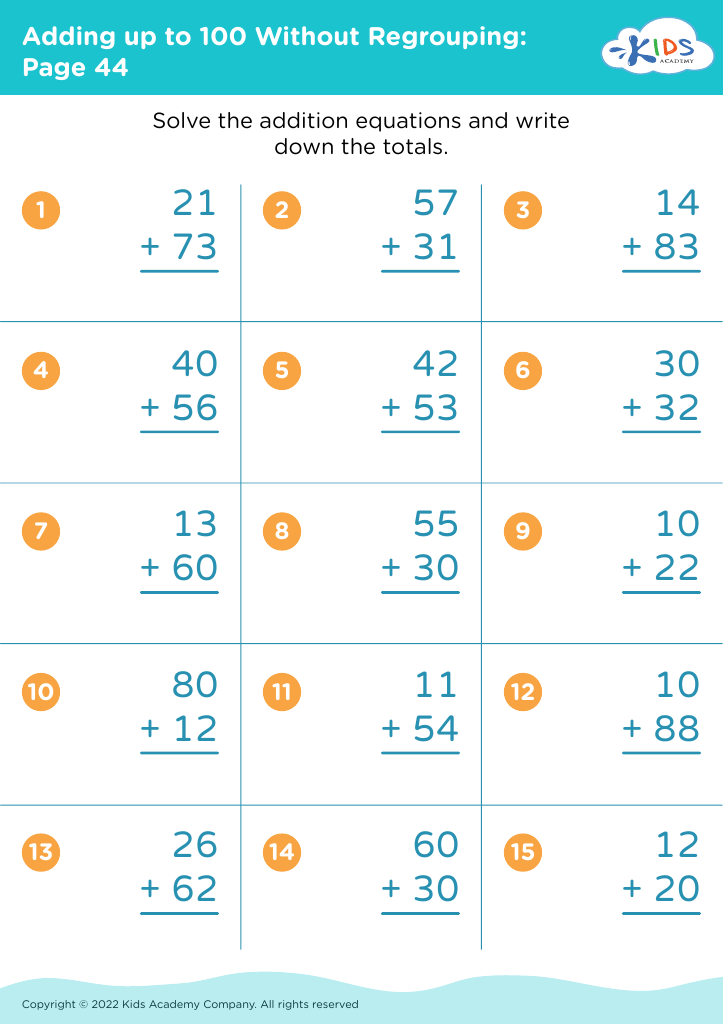
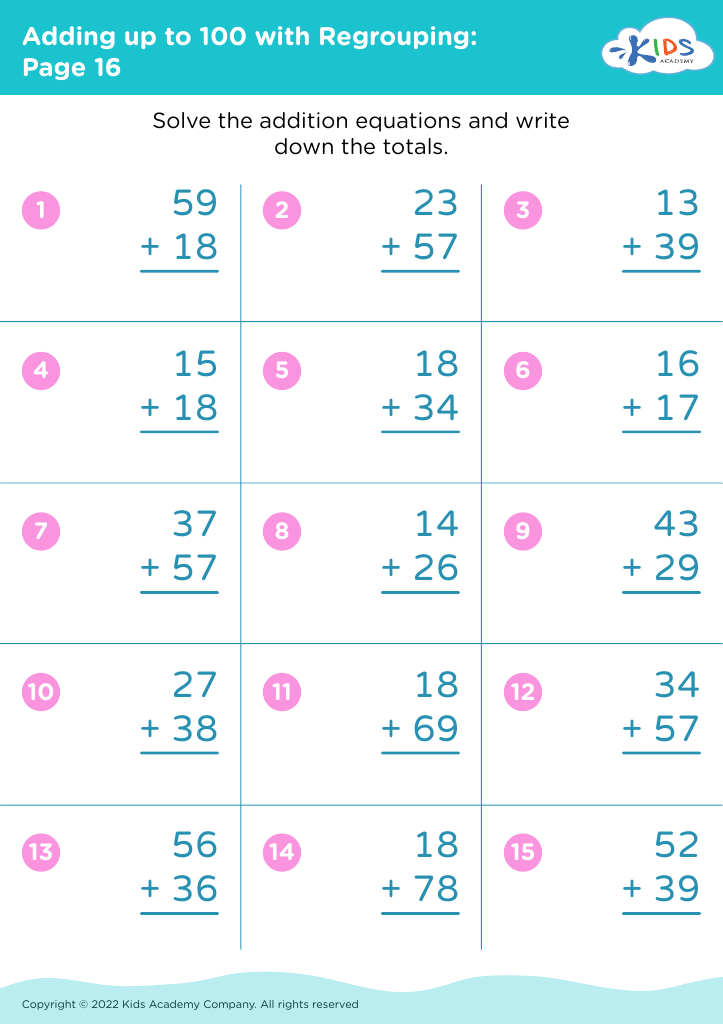








Identifying shapes and mastering addition and subtraction are fundamental skills for 7-year-olds that play a crucial role in their overall development in mathematics and spatial awareness. Parents and teachers should prioritize these skills for several reasons.
Firstly, understanding shapes helps children develop visual-spatial reasoning, an essential ability that underpins many areas of math and everyday problem-solving. Identifying and categorizing shapes enhances cognitive skills and encourages critical thinking.
Secondly, learning addition and subtraction equips children with the arithmetic skills needed for more complex mathematics. These foundational concepts set the stage for understanding larger numbers, word problems, and eventually algebra. Mastering these operations fosters confidence, as children can better navigate their daily activities, like budgeting their allowance or measuring ingredients for a recipe.
Moreover, integrating shape recognition with basic math through hands-on activities, such as using building blocks or shape-sorting games, allows for a more engaging learning experience. This multi-faceted approach can ignite a child's passion for mathematics and promote collaboration and curiosity.
In summary, ensuring that 7-year-olds can identify shapes and perform addition and subtraction is vital for their cognitive development, confidence in math, and future academic success. Thus, parents and teachers should actively engage these areas of learning.








