Analytical skills Math Worksheets for 7-Year-Olds
5 filtered results
-
From - To
Unlock your child's potential with our Analytical Skills Math Worksheets designed specifically for 7-year-olds! These engaging worksheets foster critical thinking and problem-solving abilities, helping young learners apply math concepts in real-world scenarios. With a variety of fun and interactive exercises, kids will enjoy honing their analytical skills while enhancing their numerical reasoning. Our resources are aligned with educational standards, making learning both effective and enjoyable. Perfect for classroom use or at-home practice, these worksheets support your child’s academic growth and build confidence in their math skills. Explore the joy of learning today and watch your child thrive in their mathematical journey!
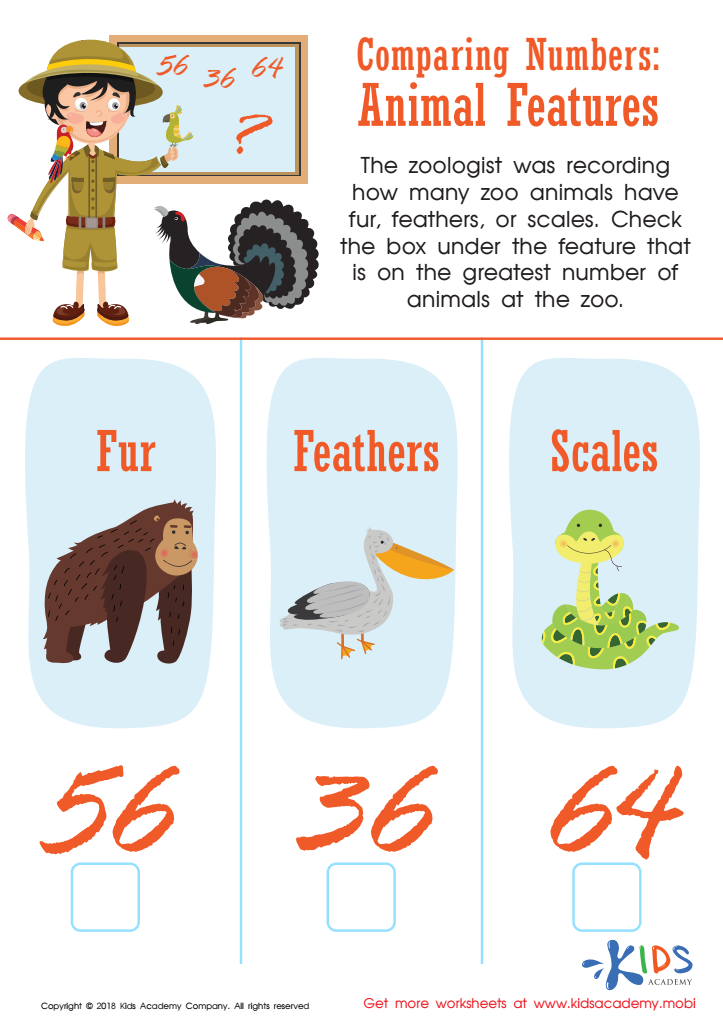
Animal Features Worksheet
 Assign to My Students
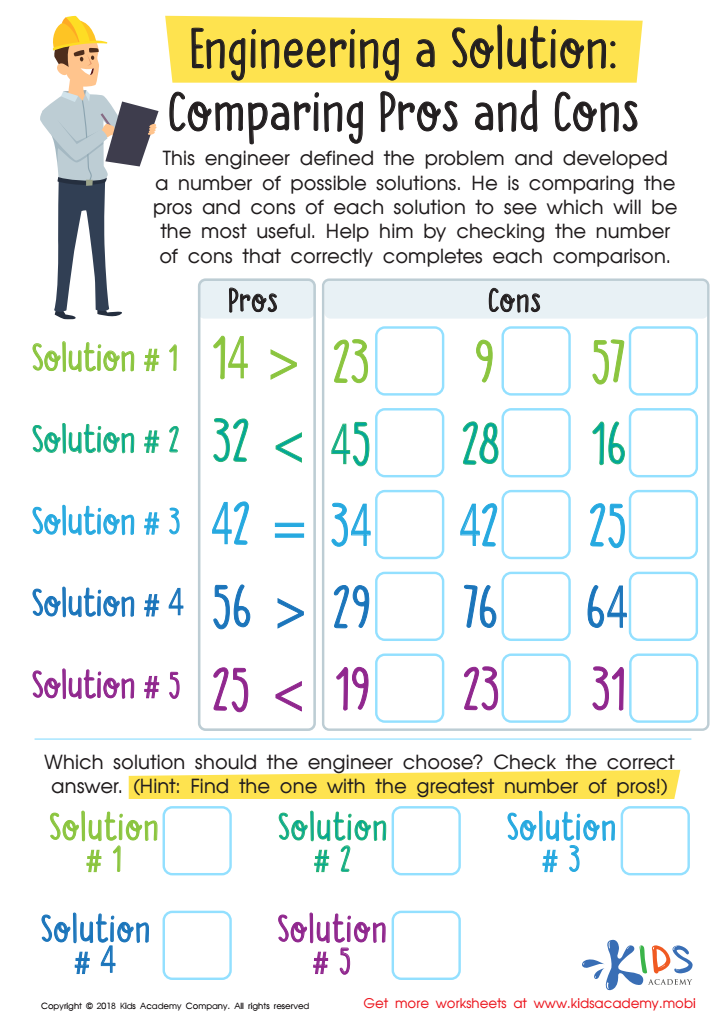
Engineering a Solution: Comparing Pros and Cons Worksheet
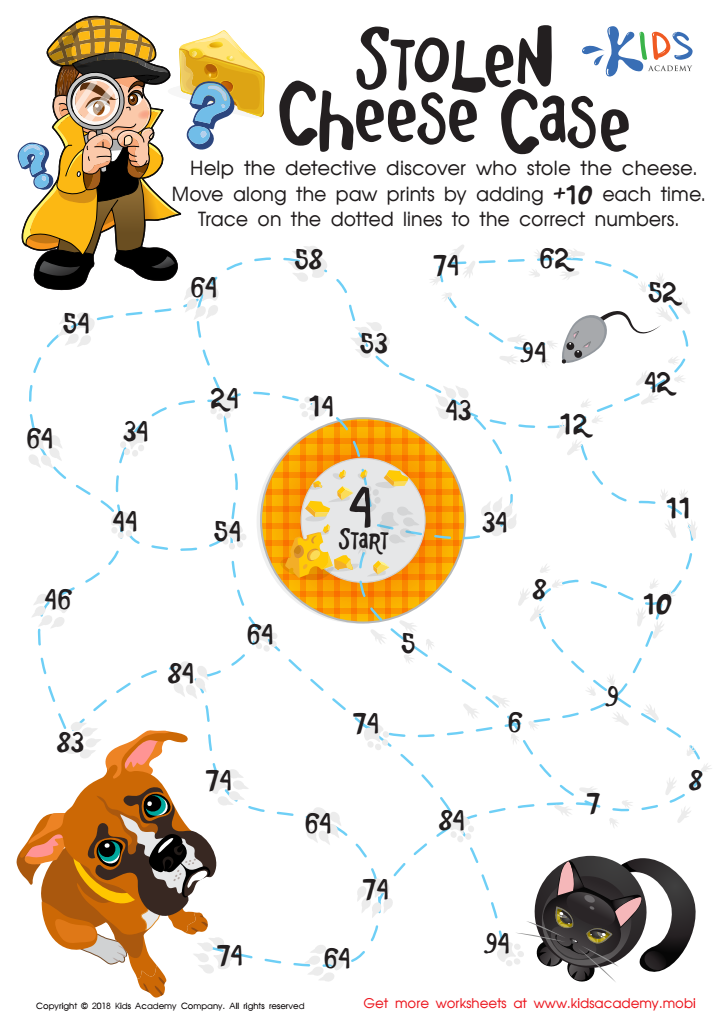
Stolen Cheese Case Maze Worksheet
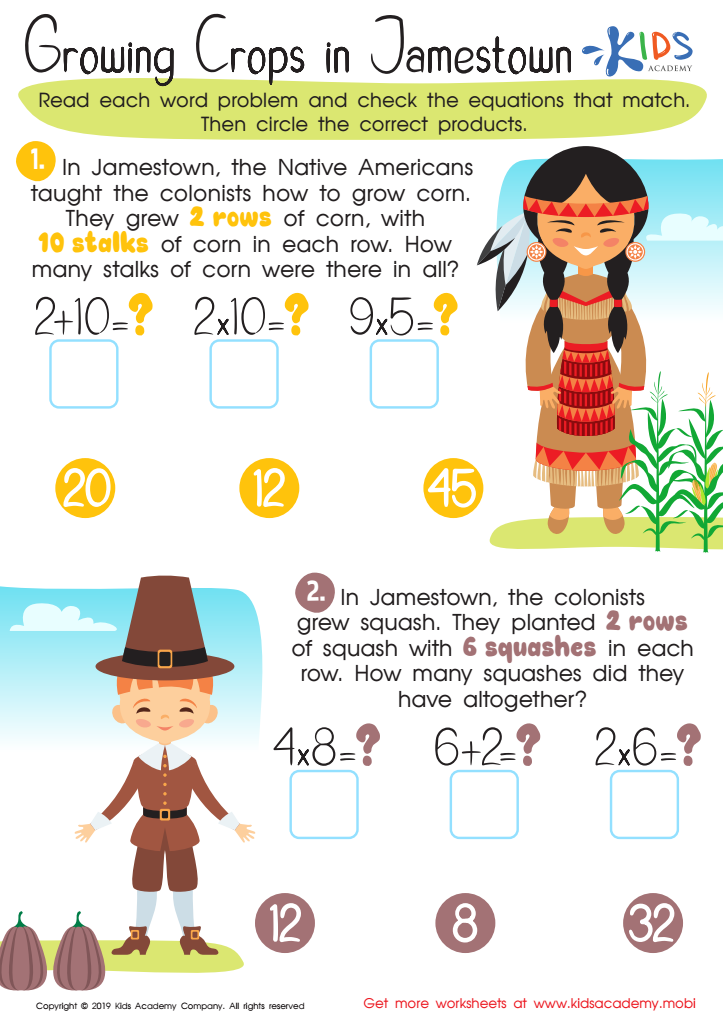
Growing Jamestown Worksheet
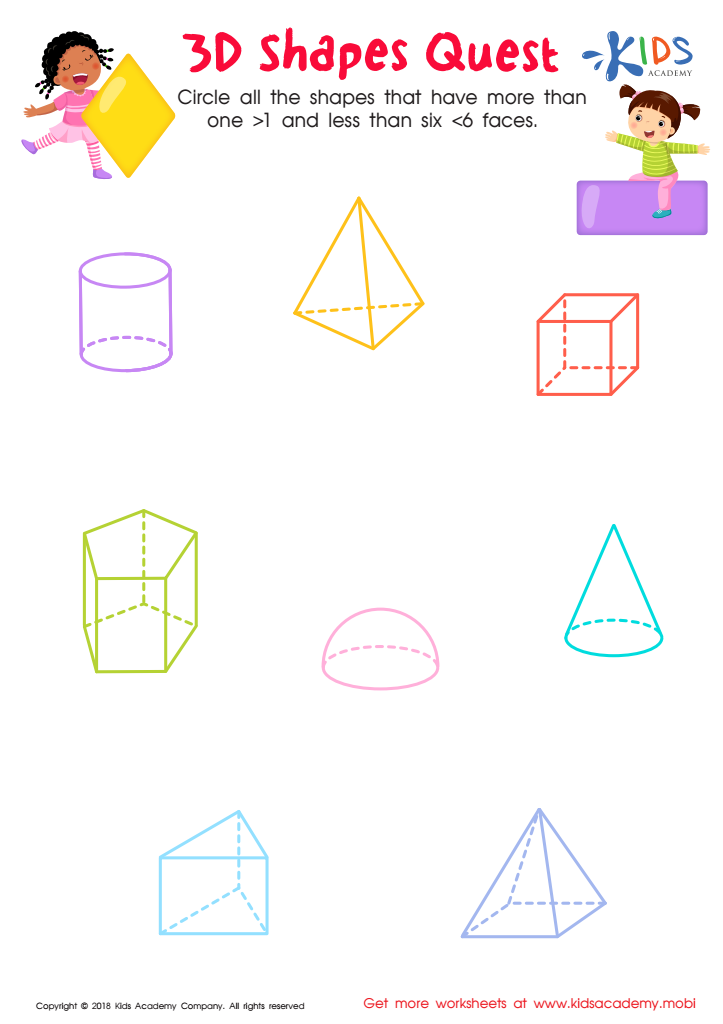
3D Shapes Quest Worksheet








Analytical skills in math for 7-year-olds are crucial as they lay the foundation for critical thinking and problem-solving abilities that extend far beyond the classroom. At this age, children begin to transition from concrete mathematics (like basic arithmetic) to more complex concepts, enabling them to analyze, evaluate, and synthesize information. These skills not only facilitate a deeper understanding of mathematical principles but also enhance cognitive abilities that apply to various disciplines.
When parents and teachers prioritize analytical skills in math, they foster an environment where children learn to tackle challenges methodically. Engaging activities encourage kids to identify patterns, make predictions, and draw logical conclusions, skills that are essential for academic success and everyday decision-making. Furthermore, developing analytical thinking cultivates perseverance, as children learn to approach problems with patience and tenacity.
As students move forward in their education, strong analytical skills will empower them to approach more complex subjects with confidence, leading to improved performance in math and sciences. Ultimately, nurturing these skills equips children with the tools they need to navigate an increasingly complex world, making it a critical focus for parents and educators alike.








