Visual perception improvement Math Worksheets for 7-Year-Olds
8 filtered results
-
From - To
Enhance your 7-year-old's visual perception skills with our engaging math worksheets! These specially designed resources focus on improving visual recognition and spatial awareness while reinforcing essential math concepts. The worksheets feature fun, interactive exercises that encourage problem-solving and logical thinking, helping your child develop the skills needed for successful numeracy. Each activity allows for imaginative learning through colorful visuals and relatable real-life scenarios. By incorporating these worksheets into your child's routine, you'll foster confidence and competence in math while making learning enjoyable. Explore our collection today and boost your child's visual perception and math readiness in a fun and effective way!
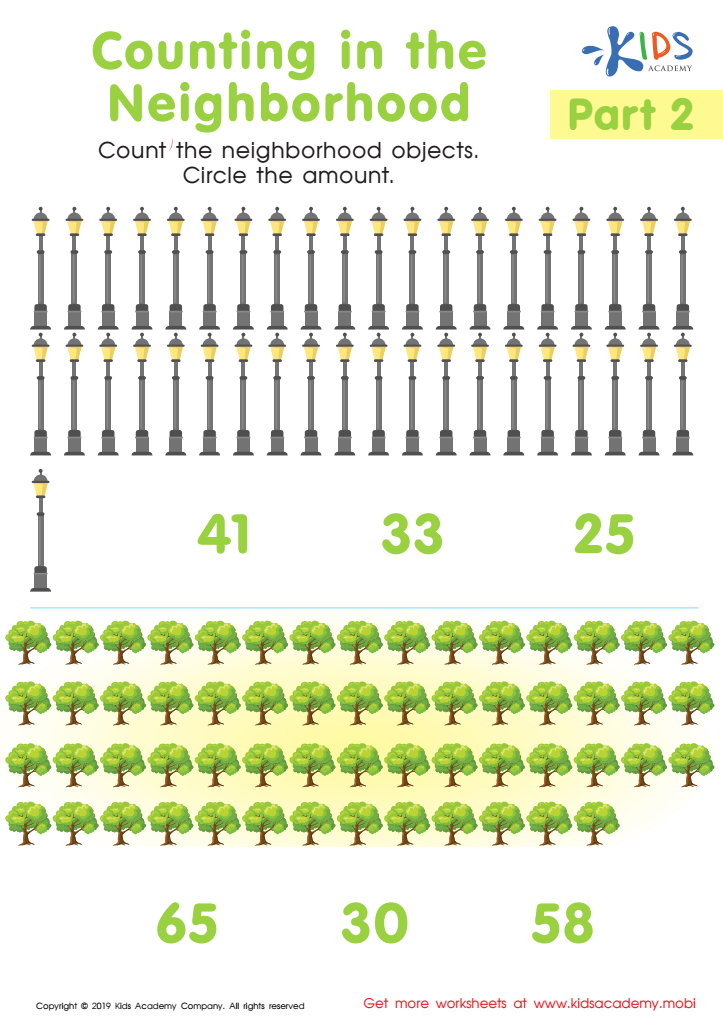
Counting In The Neighborhood Part 2 Worksheet
 Assign to My Students
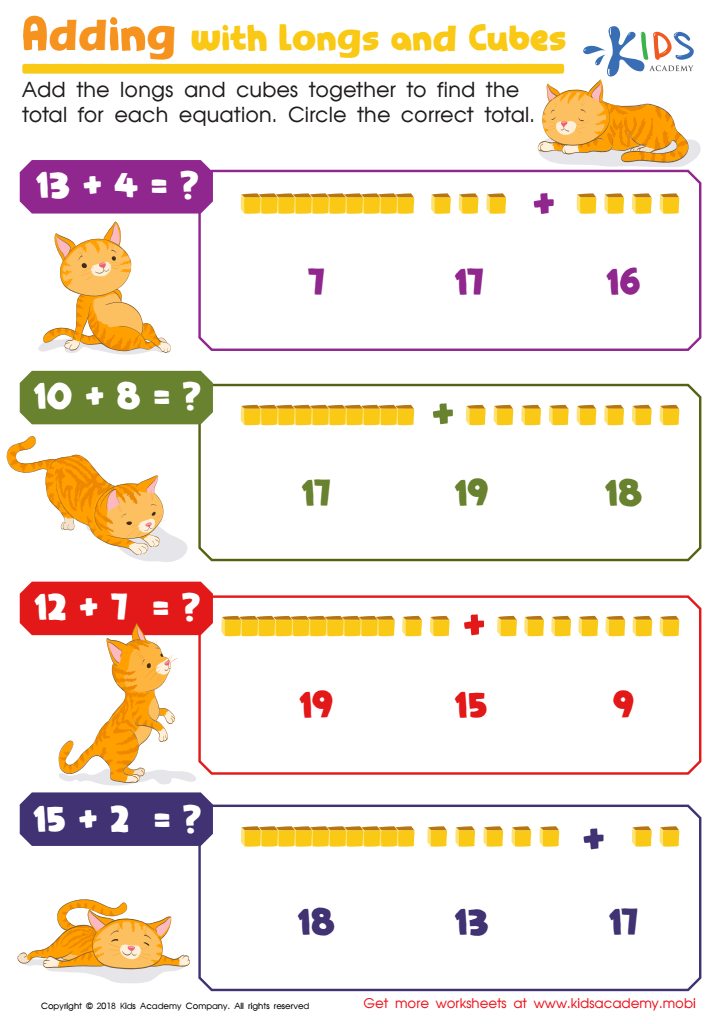
Adding With Longs and Cubes Worksheet
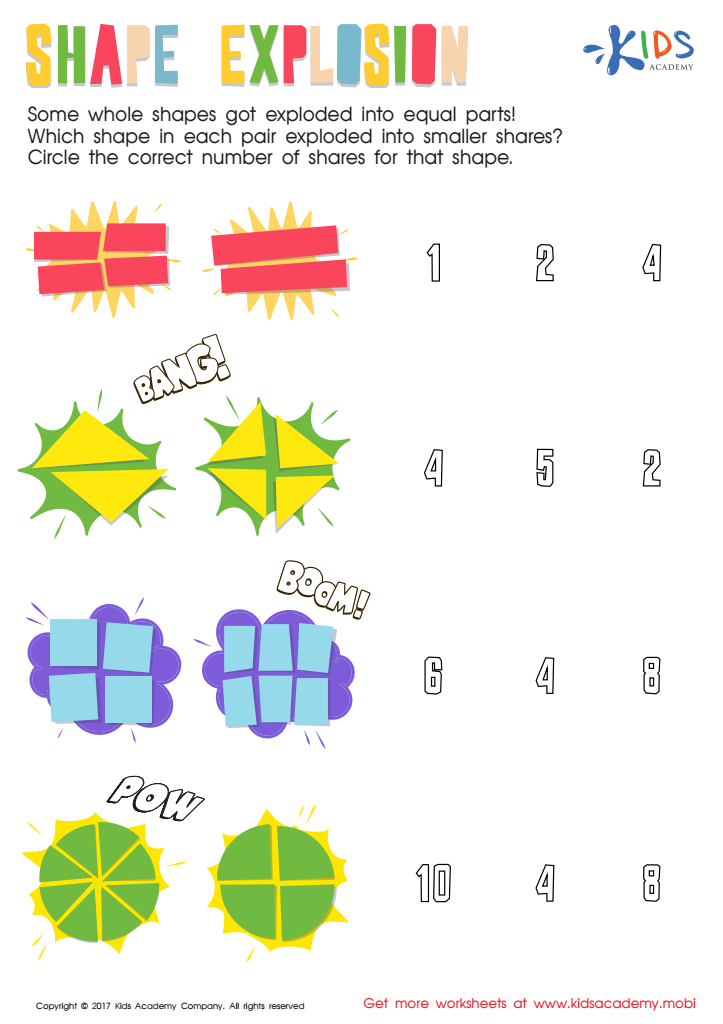
Shape Explosion Worksheet
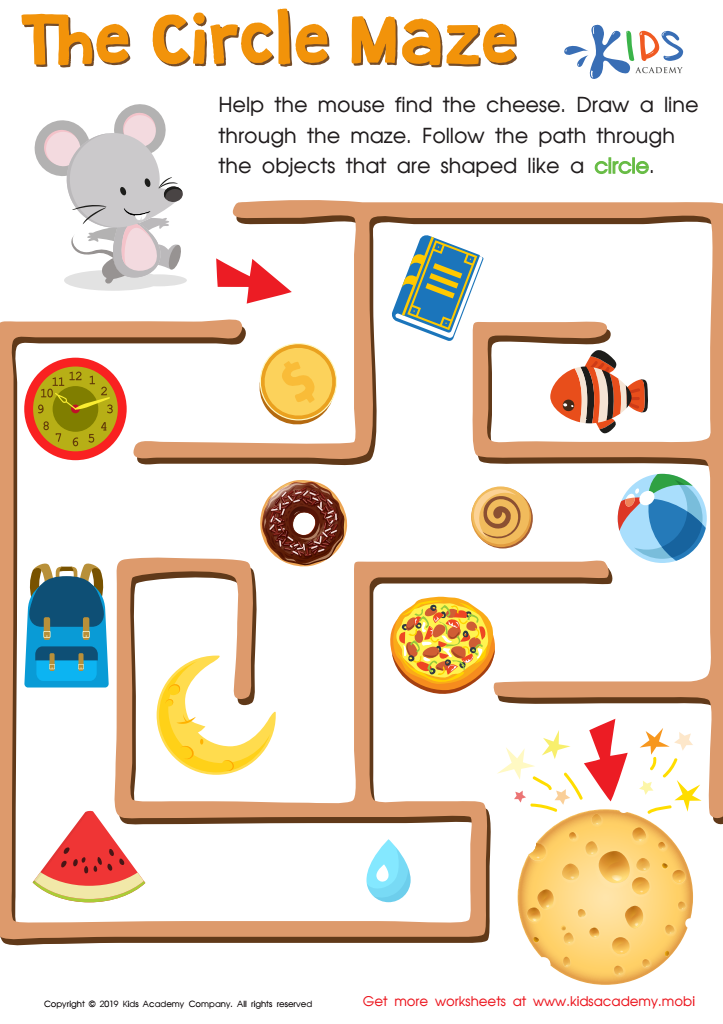
The Circle Maze Worksheet
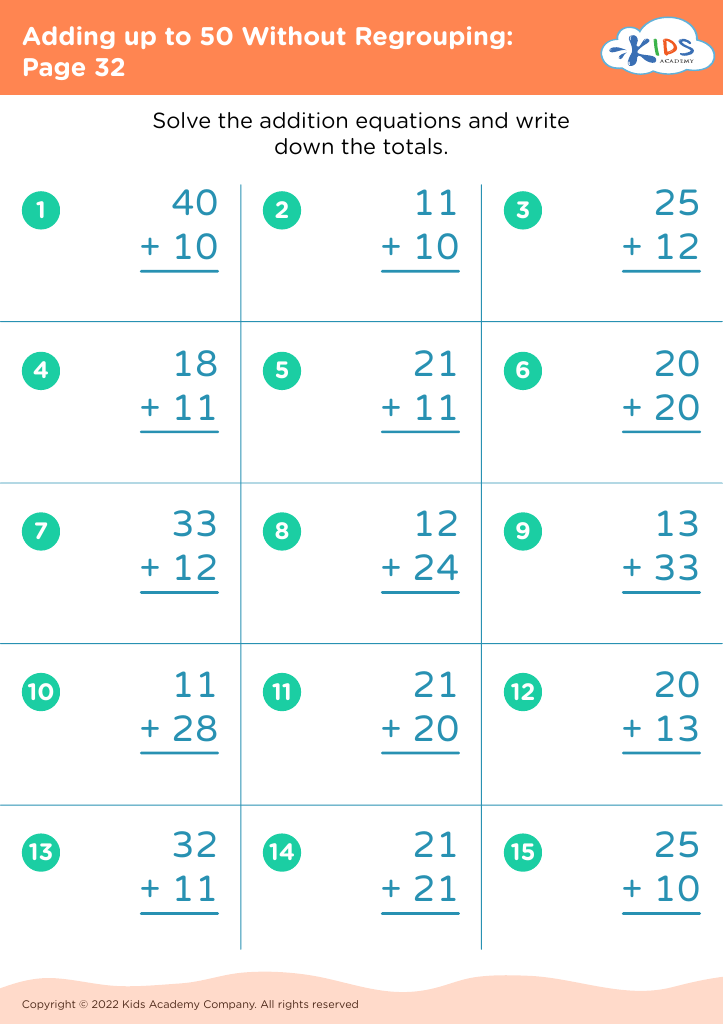
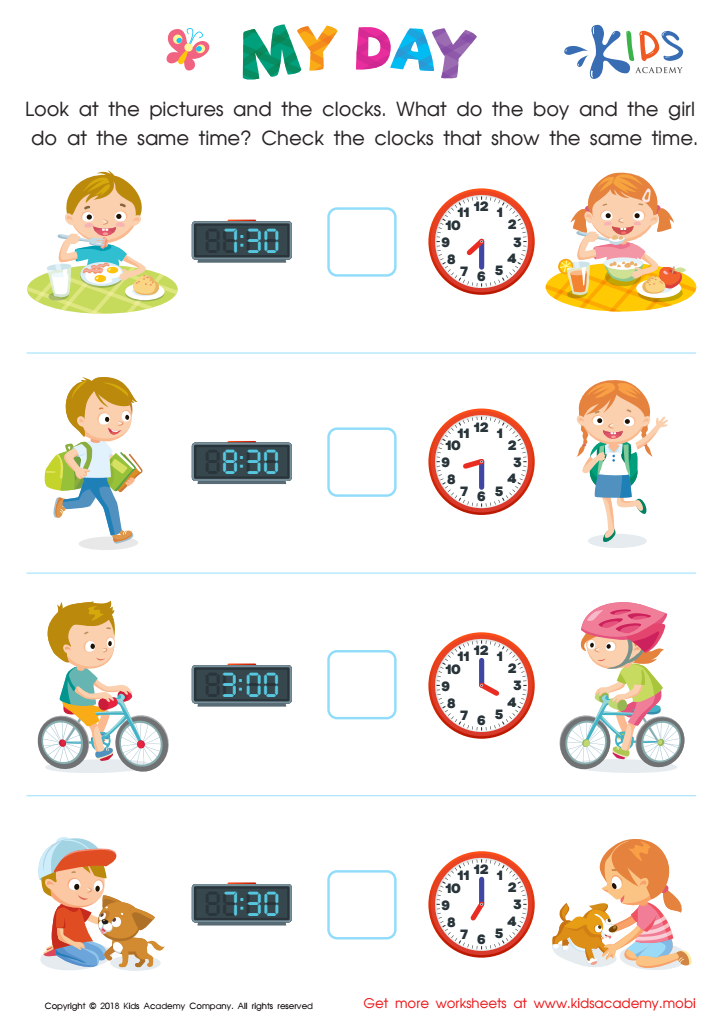
My Day Worksheet
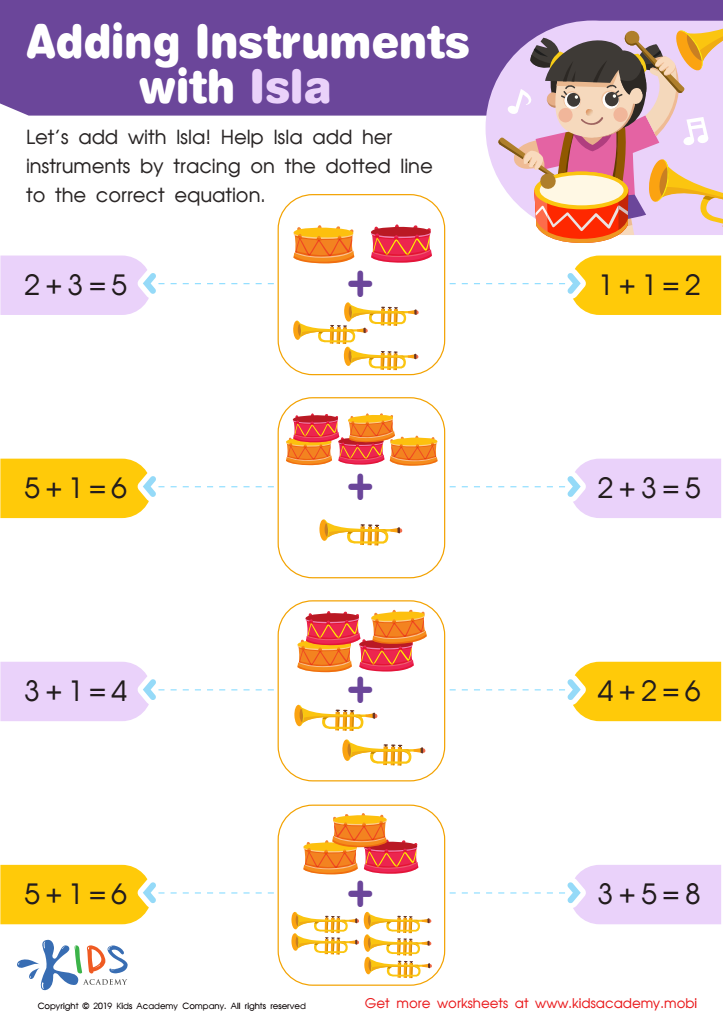
Adding Instruments with Isla Worksheet



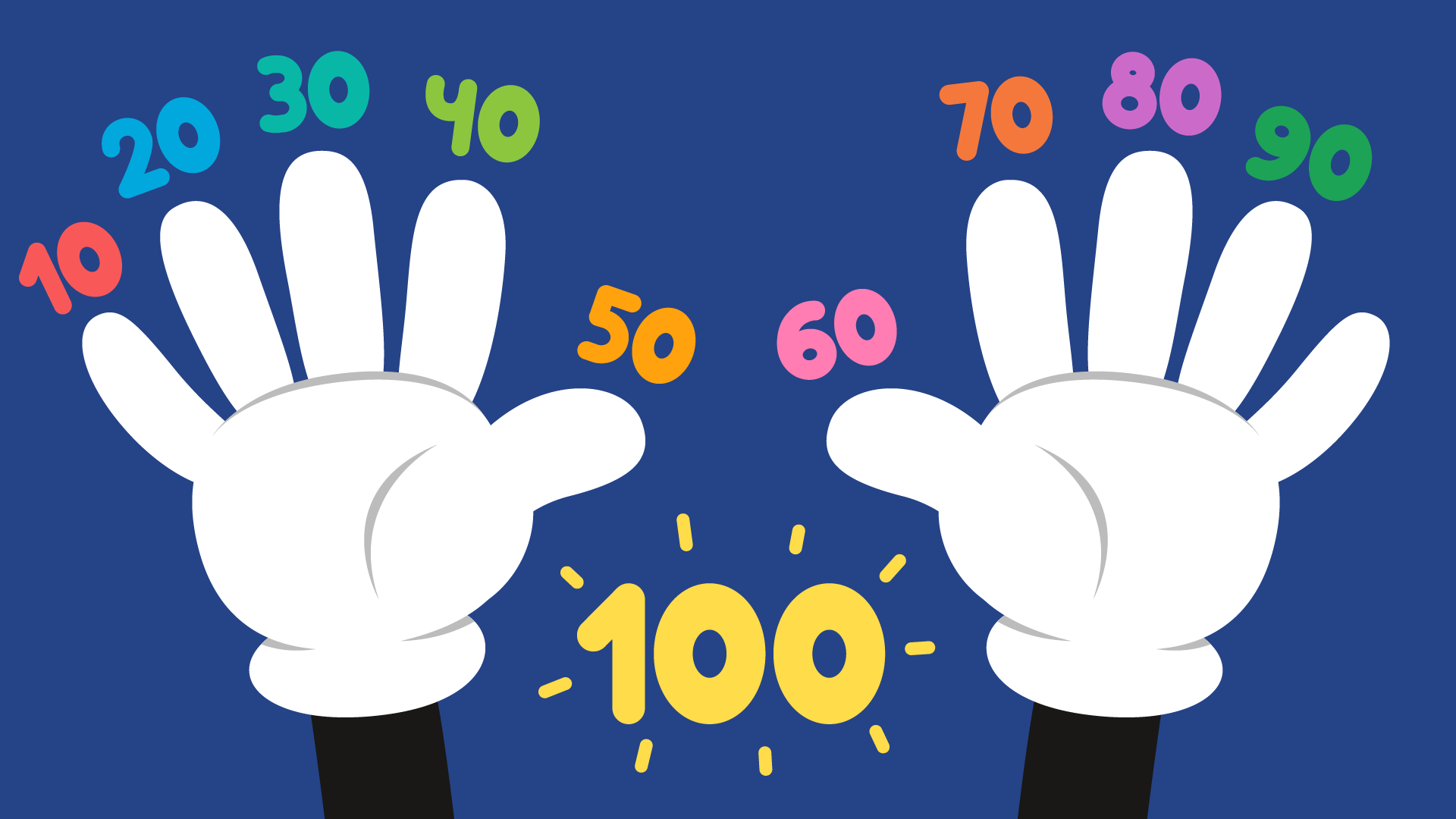
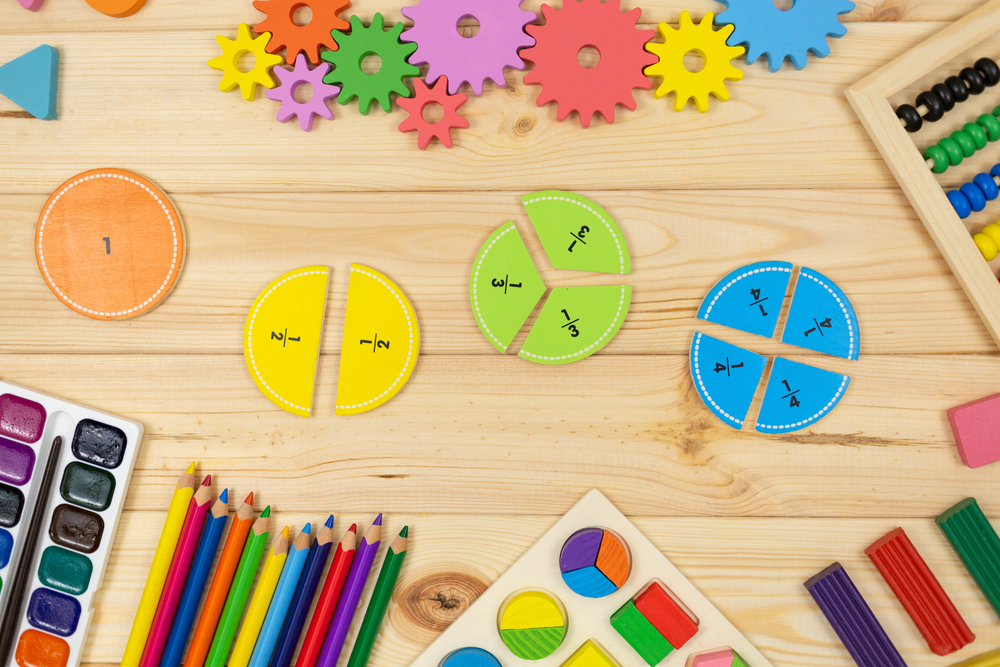



Visual perception is a crucial cognitive skill that significantly impacts a child's ability to understand and engage with math at an early age. For 7-year-olds, developing strong visual perception abilities supports their capacity to recognize patterns, identify shapes, and comprehend spatial relationships, all fundamental concepts in mathematics. When parents and teachers prioritize visual perception improvement, they facilitate the foundational skills necessary for effective problem-solving and analytical thinking.
For instance, visual perception aids in understanding numbers, interpreting graphs, and solving geometry problems. Children who struggle with these skills may find math concepts challenging, leading to frustration and diminished confidence. By nurturing visual perception, educators and parents can help children build a solid groundwork in math, fostering a positive learning experience.
Moreover, targeted activities that enhance visual perception—like puzzles, dot-to-dots, or shape sorting—are often engaging and enjoyable for young learners. This not only motivates children but also cultivates a love for learning. Therefore, focusing on visual perception improvements not only benefits mathematical abilities but also boosts overall cognitive development, lays the groundwork for future learning, and helps children gain confidence in their academic pursuits. Emphasizing these skills gives children a powerful advantage, paving the way for success in both math and beyond.








