Fine Motor Skills Reading Worksheets for 7-Year-Olds - Page 2
35 filtered results
-
From - To

Happy Family Coloring Worksheet
 Assign to My Students
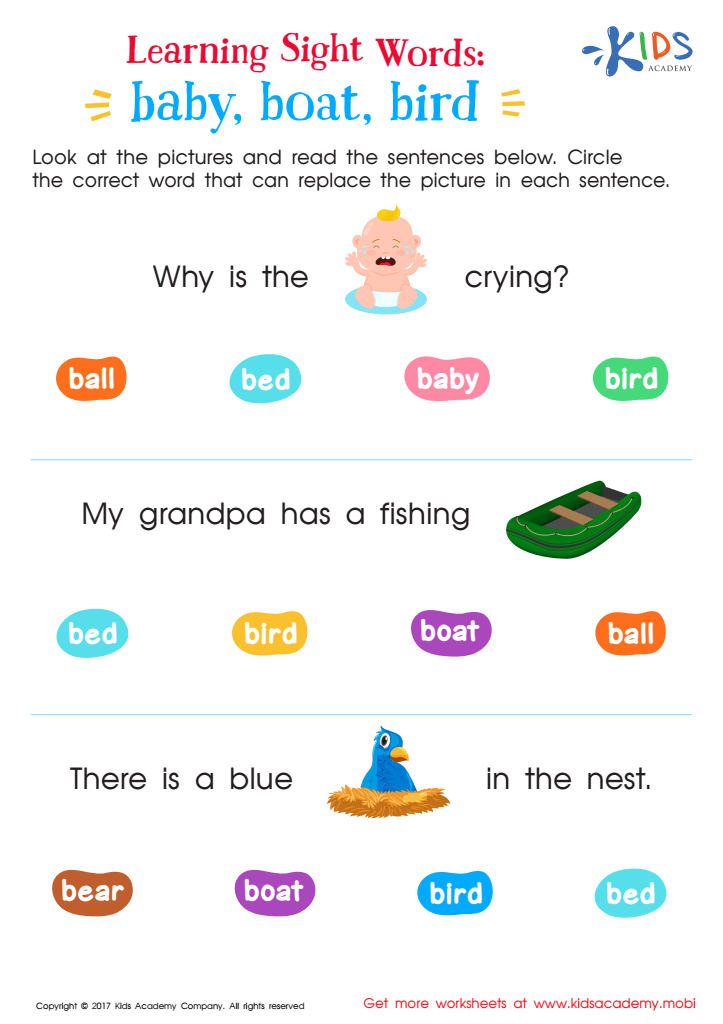
Baby, Boat, Bird Worksheet Sight Words Worksheet
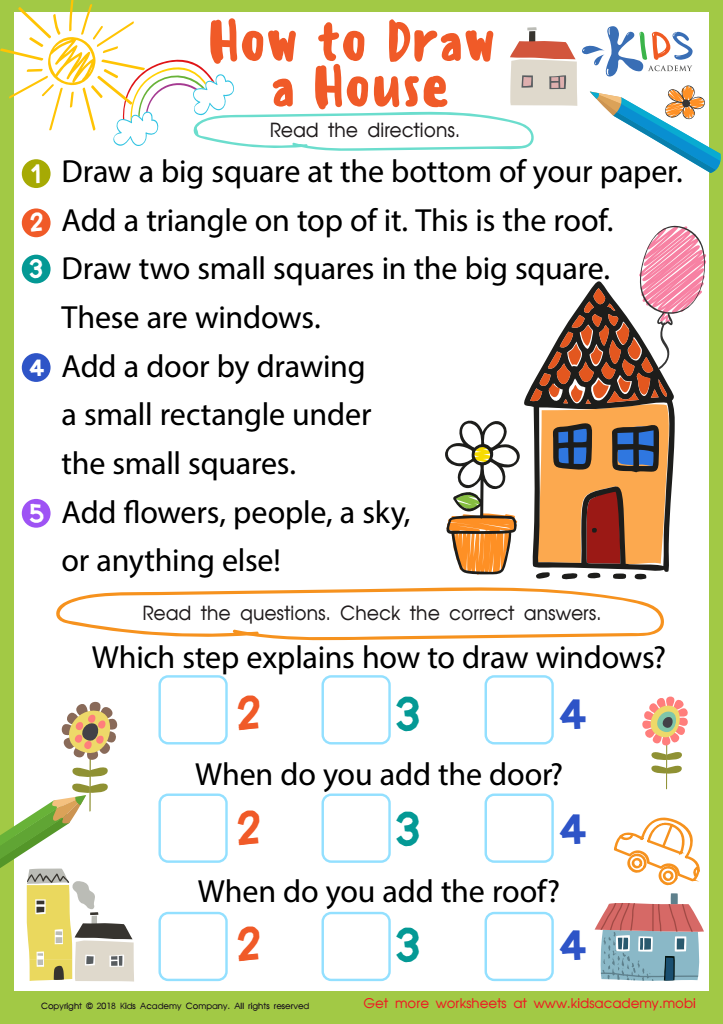
How to Draw House Worksheet

White and Pink Coloring Fun Worksheet
Assign to My Students
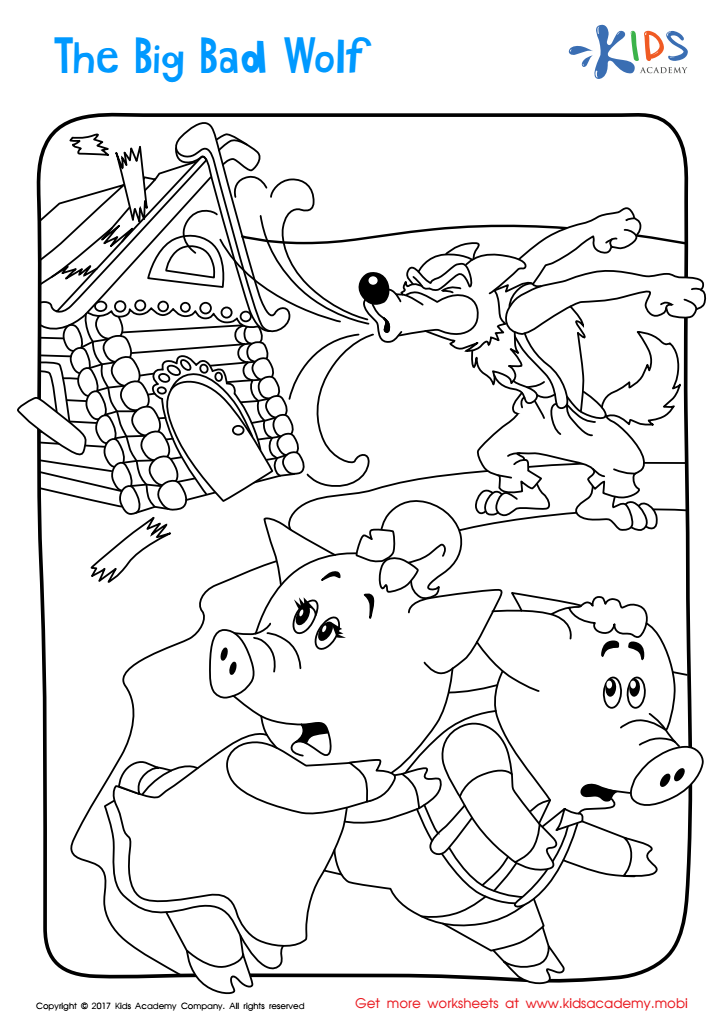
Big Bad Wolf Printable Coloring Page
Assign to My Students

The Bingo Song: Coloring The Dog Worksheet
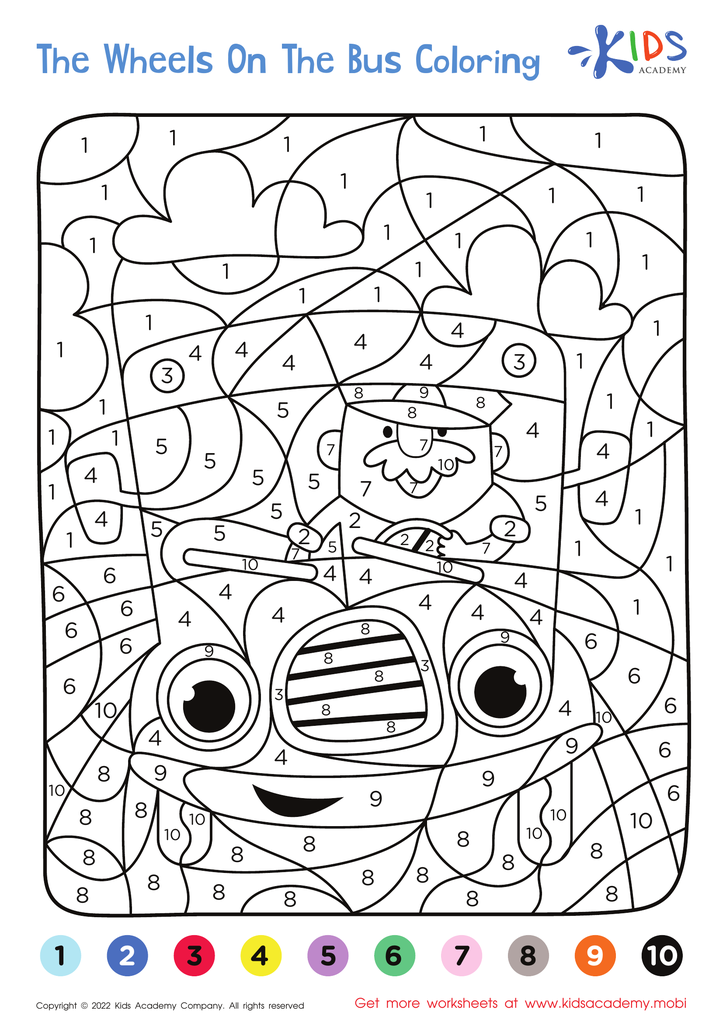
Wheels on the Bus – Coloring by Numbers
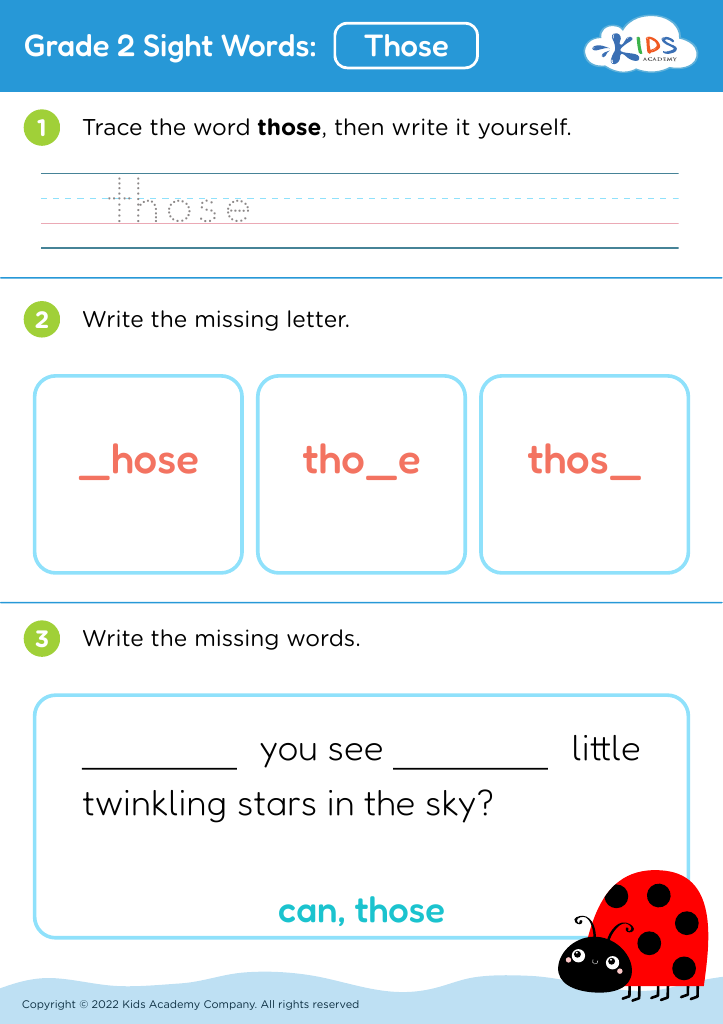
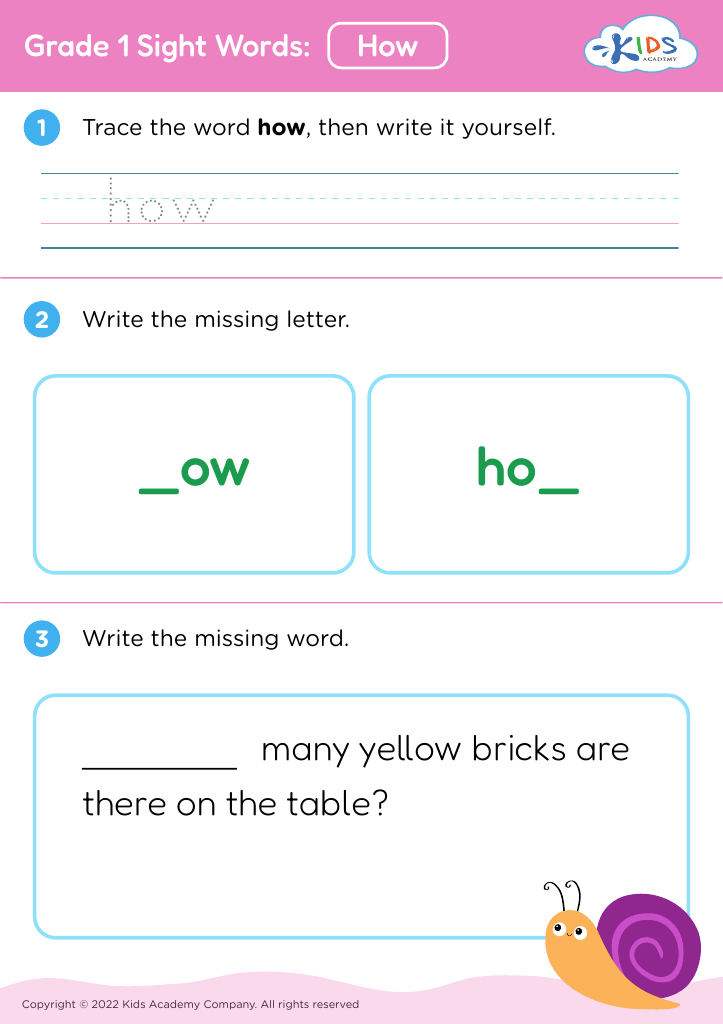
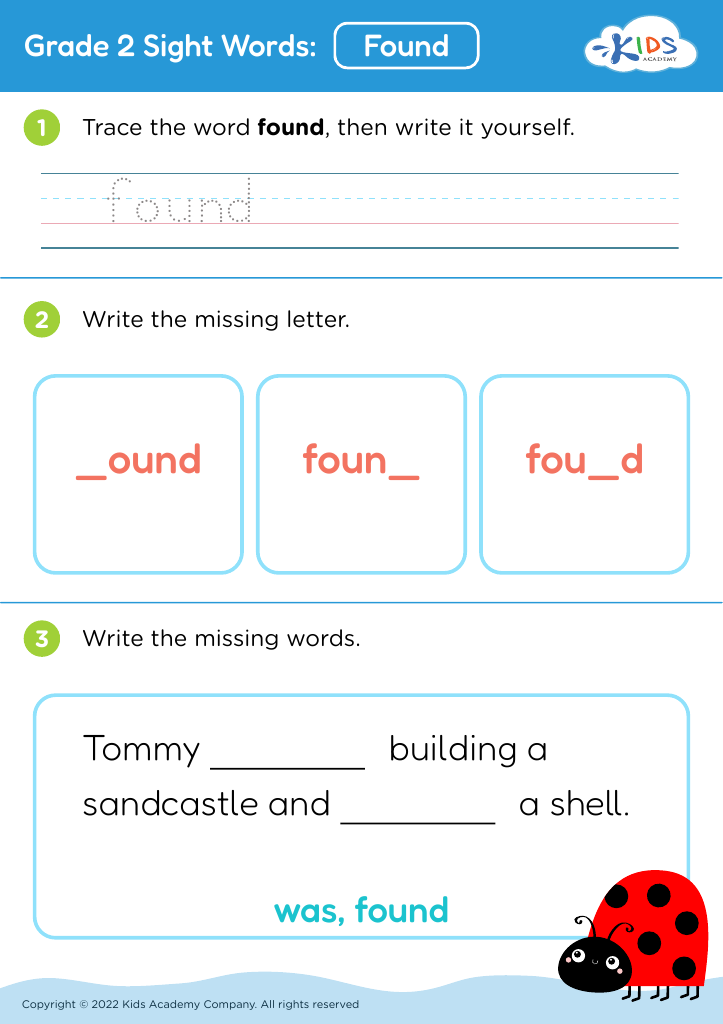
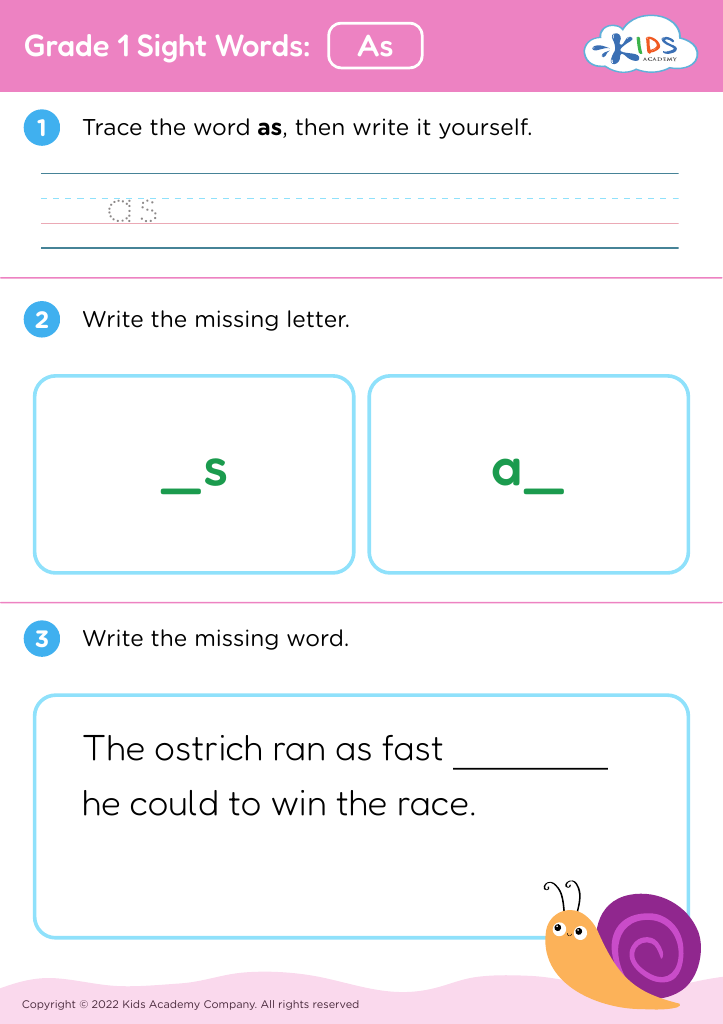



.jpg)



Parents and teachers should pay attention to developing fine motor skills in 7-year-olds because these skills are critical for many aspects of a child's academic and daily life. Fine motor skills involve the coordination of small muscles in the hands and fingers, which are essential for tasks like writing, handling small objects, and personal care activities.
Firstly, proper development of fine motor skills is crucial for handwriting, an important part of early education. Good handwriting not only helps children communicate their ideas effectively, but it's also linked to reading and cognitive development. Children who struggle with fine motor tasks may find it challenging to keep up with classroom activities, leading to frustration and decreased motivation.
Secondly, fine motor skills contribute to a child's ability to perform essential self-care tasks, such as buttoning clothes, using utensils, and brushing teeth. These skills promote independence and boost a child's confidence.
Finally, engaging in activities that enhance fine motor skills—such as cutting with scissors, drawing, and building with small blocks—also aids in the development of hand-eye coordination and spatial awareness. This foundation supports more complex learning and physical activities as they grow.
In essence, nurturing fine motor skills at this age bolsters academic achievements and personal growth, laying a strong foundation for future success both inside and outside the classroom.








