Filters

7 filtered results

Clear all filters
Favorites
With answer key
Interactive

7 filtered results

Difficulty Level

Grade


Enhance your child's critical thinking and reading skills with our Logical Reasoning Reading Worksheets for 7-year-olds. Designed to engage young minds, these worksheets promote logical thinking through fun and interactive exercises. Each activity challenges readers to analyze information, make inferences, and solve problems, fostering essential skills for academic success. Our comprehensive materials cater to various learning styles, ensuring a well-rounded approach to reading comprehension. Ideal for both classroom and home use, these worksheets empower children to think independently while improving their literacy. Explore our collection today and help your child build a strong foundation in logical reasoning!

Check out this FREE Trial Lesson on Reading for age 7!

Summarizing a Text

Favorites
With answer key
Interactive
  • 7
  • Logical Reasoning
  • Reading
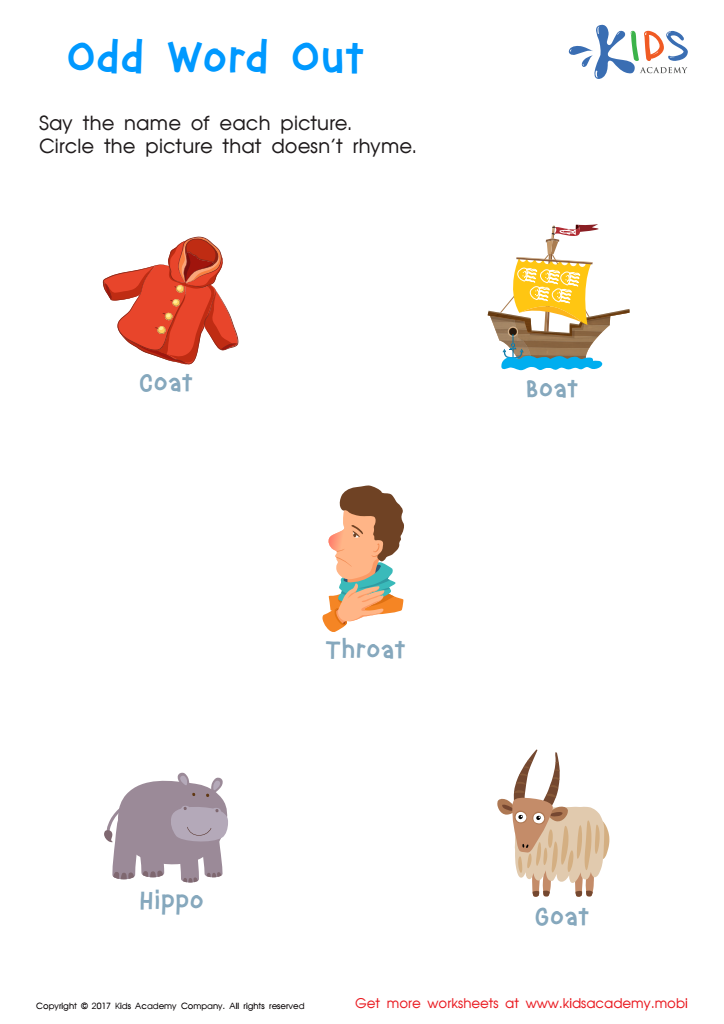
Odd Word Out Printable Worksheet

Odd Word Out Rhyming Worksheet

Try this worksheet to help your child practice finding odd words out and build their knowledge of rhyming words. They'll use problem solving and create their own words with enough room to write them down!
Odd Word Out Rhyming Worksheet
Worksheet
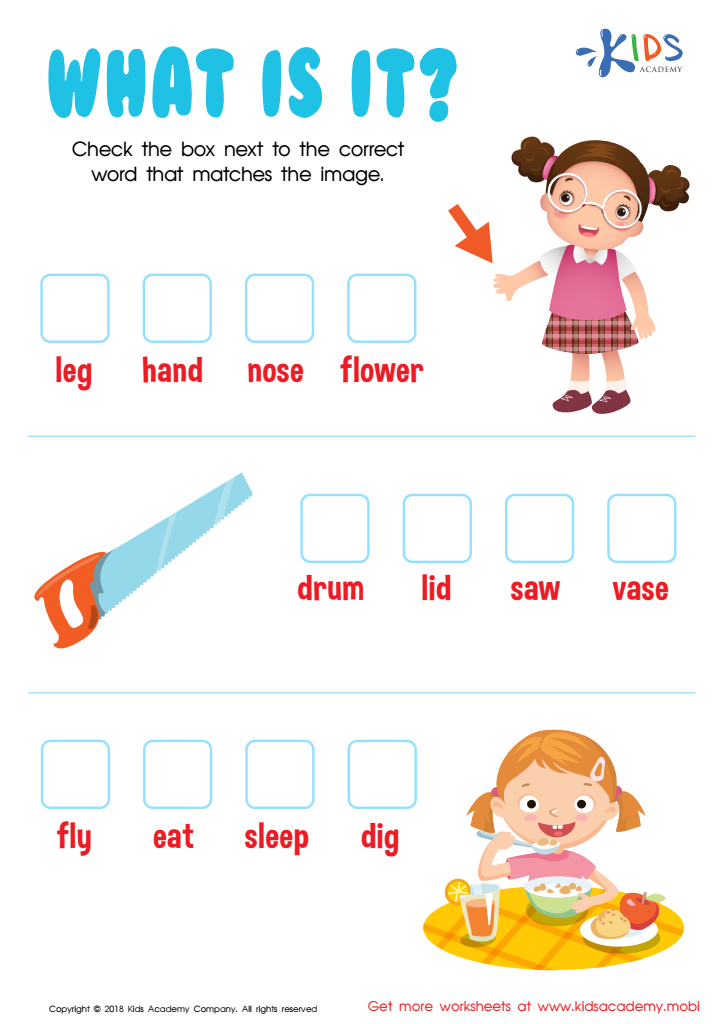
What Is It? Worksheet

What Is It? Worksheet

Test your kids' object recognition skills with this worksheet. Have them identify each picture, then check the box next to the correct word. Point to the image and ask your child what it is; then help them select the correct answer. It's a great way to see how well they can recognize objects from pictures.
What Is It? Worksheet
Worksheet
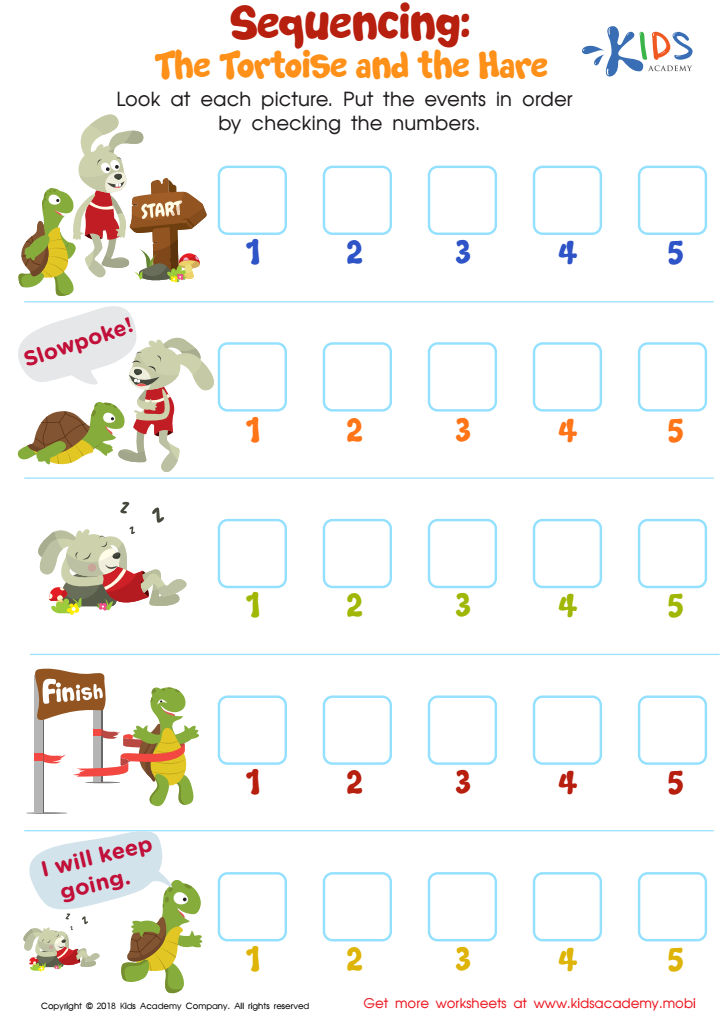
Sequencing: The Tortoise and the Hare Worksheet

Sequencing: The Tortoise and the Hare Worksheet

Help your child become an independent reader and critical thinker with a sequencing worksheet from Kids Academy! Have them read the classic tale of the tortoise and the hare and use the accompanying worksheet to check their understanding of the story's sequence of events. Have kids identify the correct order of events by selecting the box next to the correct number for each image!
Sequencing: The Tortoise and the Hare Worksheet
Worksheet
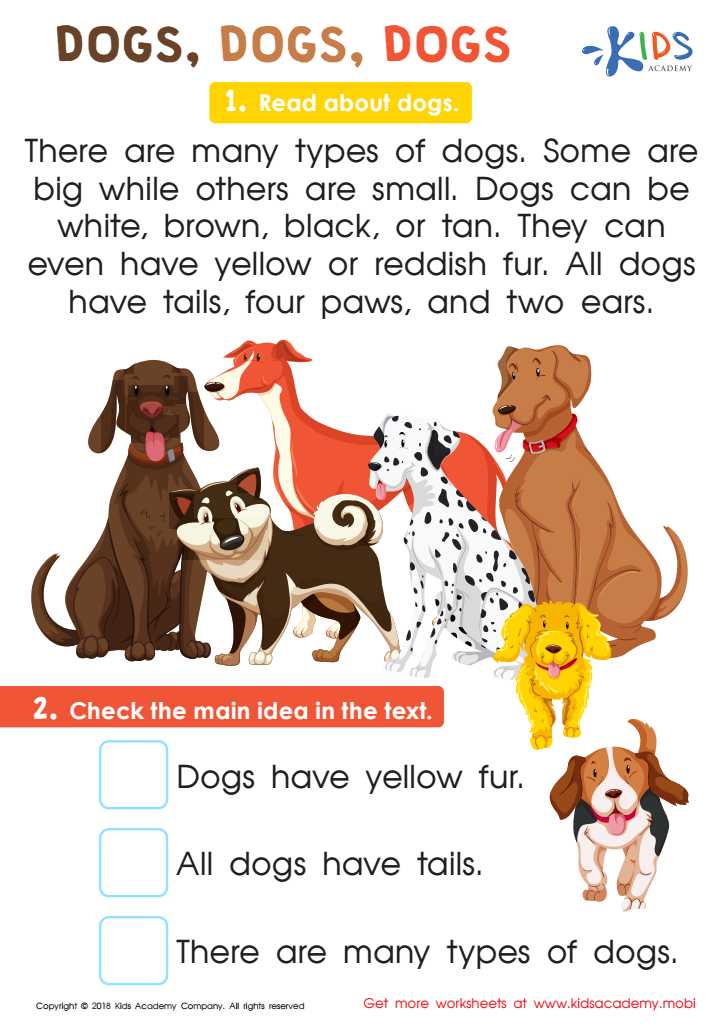
Dogs, Dogs Worksheet

Dogs, Dogs Worksheet

Help your child understand main ideas with this fun doggy worksheet from Kids Academy! Have them read the passage and then discuss the main idea. After that, have them read the answer choices and pick the right one. This will help your kiddo hone their critical reading comprehension skills!
Dogs, Dogs Worksheet
Worksheet
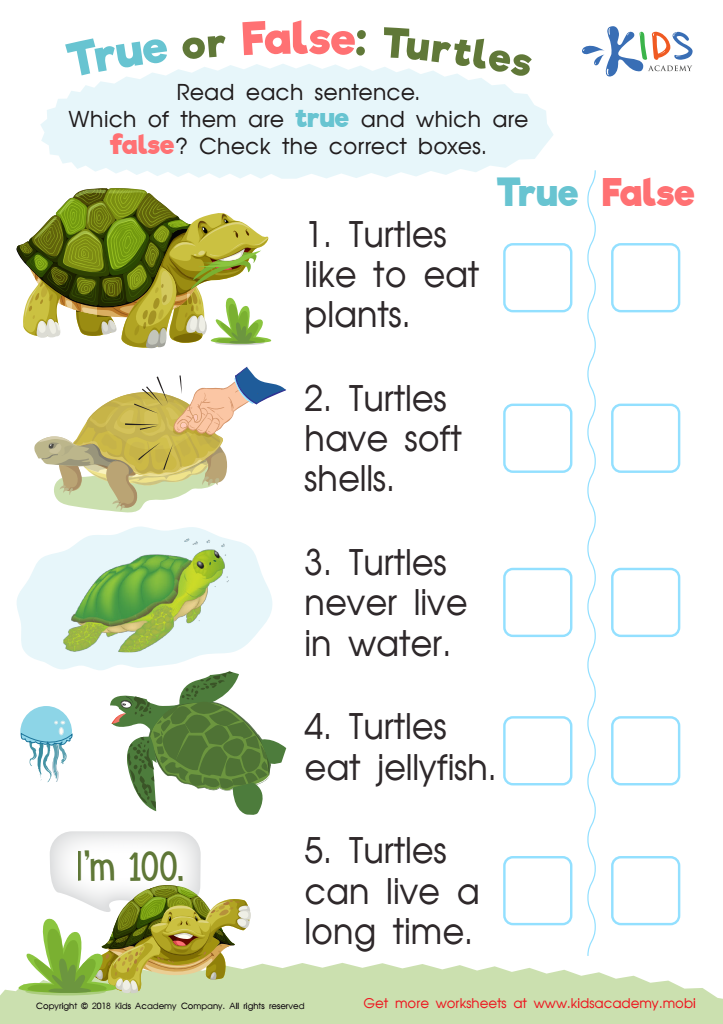
True or False: Turtles Worksheet

True or False: Turtles Worksheet

Print this free downloadable worksheet to strengthen your child's reading comprehension. Assist them to read each sentence and recall facts about turtles. Check true or false for each statement to verify their knowledge. Perfect for early learners!
True or False: Turtles Worksheet
Worksheet
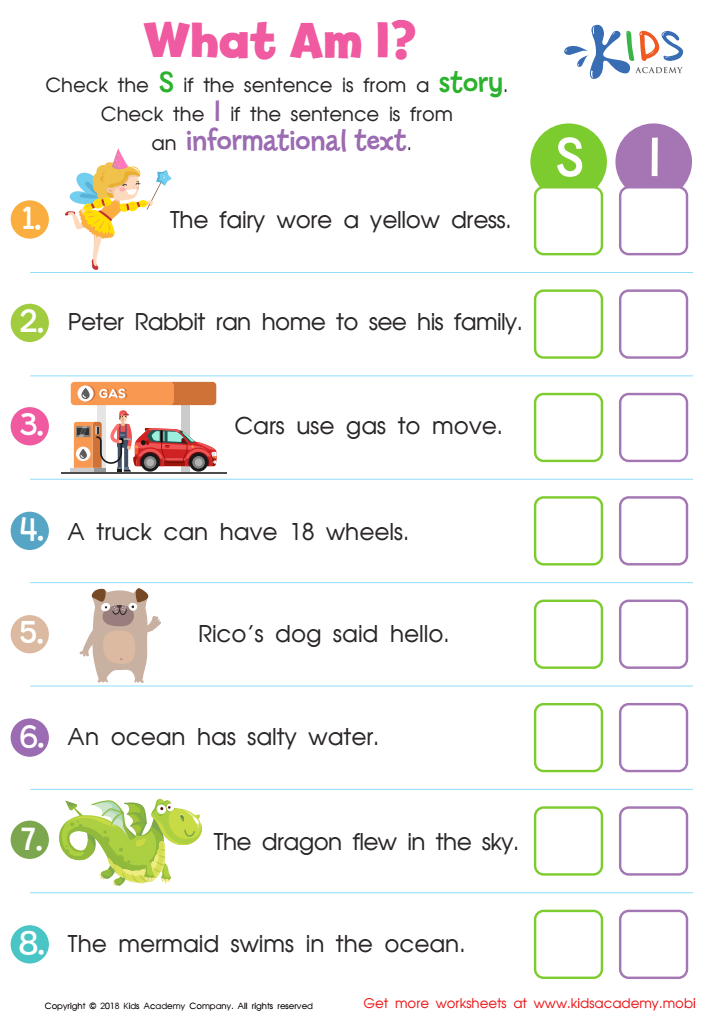
What Am I? Worksheet

What Am I? Worksheet

This worksheet assesses students' ability to differentiate between stories and texts they read for facts. Students learn to distinguish between reading for pleasure and reading for information. It includes statements from both a story and an informational text, and students must decide what type of text it is.
What Am I? Worksheet
Worksheet
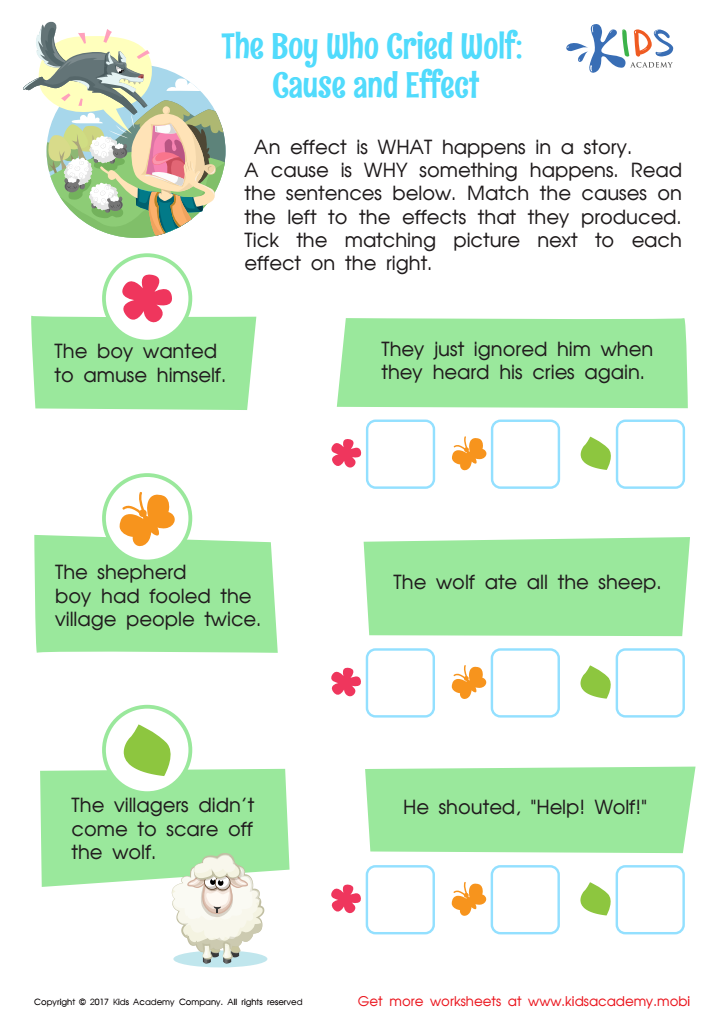
The Boy Who Cried Wolf: Cause and Effect

The Boy Who Cried Wolf: Cause and Effect Worksheet

With classic stories and fables, learning reading comprehension is easy - and fun!
The Boy Who Cried Wolf: Cause and Effect Worksheet

Worksheet


Logical reasoning reading is an essential component of literacy development for 7-year-olds, and parents and teachers should prioritize it for several reasons. First, it fosters critical thinking skills, enabling children to analyze information, draw conclusions, and evaluate arguments. These skills are vital not only in reading comprehension but also in everyday problem-solving and decision-making.

Second, logical reasoning cultivates a love for reading. When children engage with texts that challenge their thinking, they become more invested and motivated to read. This increased engagement can lead to better fluency and vocabulary development, enhancing overall literacy.

Moreover, logical reasoning reading supports academic success across subjects. Learning to identify patterns, interpret data, and understand cause-and-effect relationships helps students excel in math, science, and social studies, all of which require logical thinking.

Lastly, promoting these skills nurtures emotional and social intelligence. Children learn to appreciate different perspectives and reason through conflicts, enhancing their interpersonal skills.

By emphasizing logical reasoning in reading, parents and teachers equip children with foundational skills that will benefit them academically, socially, and emotionally throughout their lives. Making this a priority fosters lifelong learners who are curious, analytical, and capable of addressing complex challenges.