Classification skills Science Worksheets for 7-Year-Olds
4 filtered results
-
From - To
Explore our engaging "Classification Skills Science Worksheets for 7-Year-Olds," designed to spark curiosity and enhance learning! These worksheets provide fun activities that help children identify and categorize objects and living things based on their characteristics. Through interactive exercises, kids will learn sorting skills, understand different classifications, and develop critical thinking abilities. Our colorful worksheets create an enjoyable learning experience, making science accessible and fun. Perfect for classroom or home use, these resources encourage kids to think scientifically and engage in hands-on exploration. Jumpstart your child's journey into the fascinating world of science with our thoughtfully crafted classification worksheets!
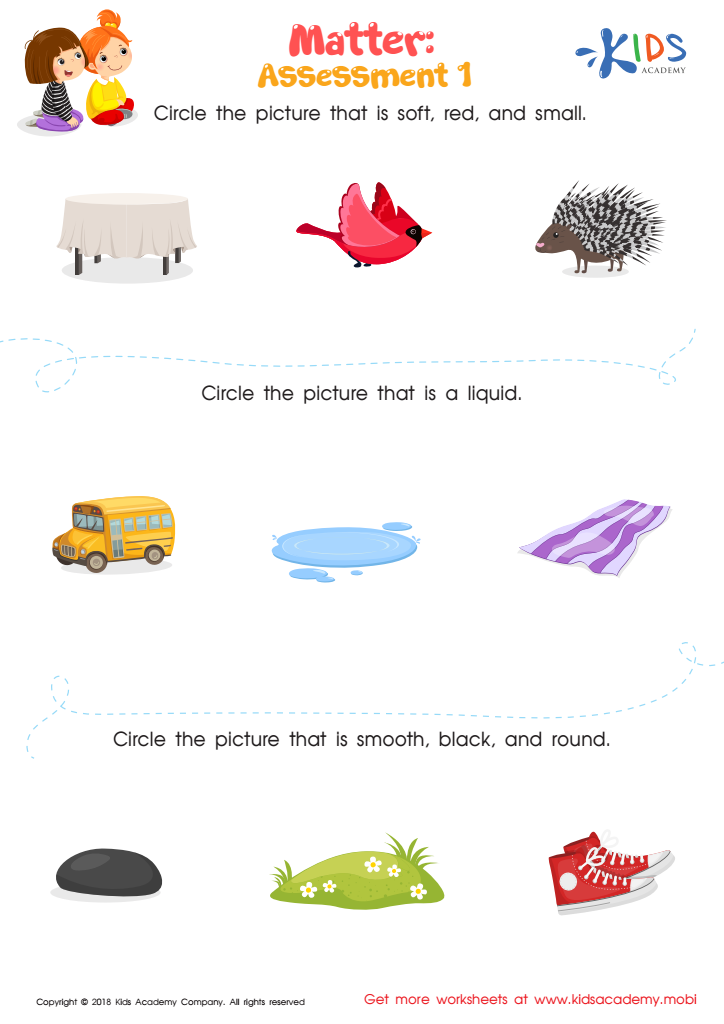
Matter: Assessment 1 Worksheet
 Assign to My Students
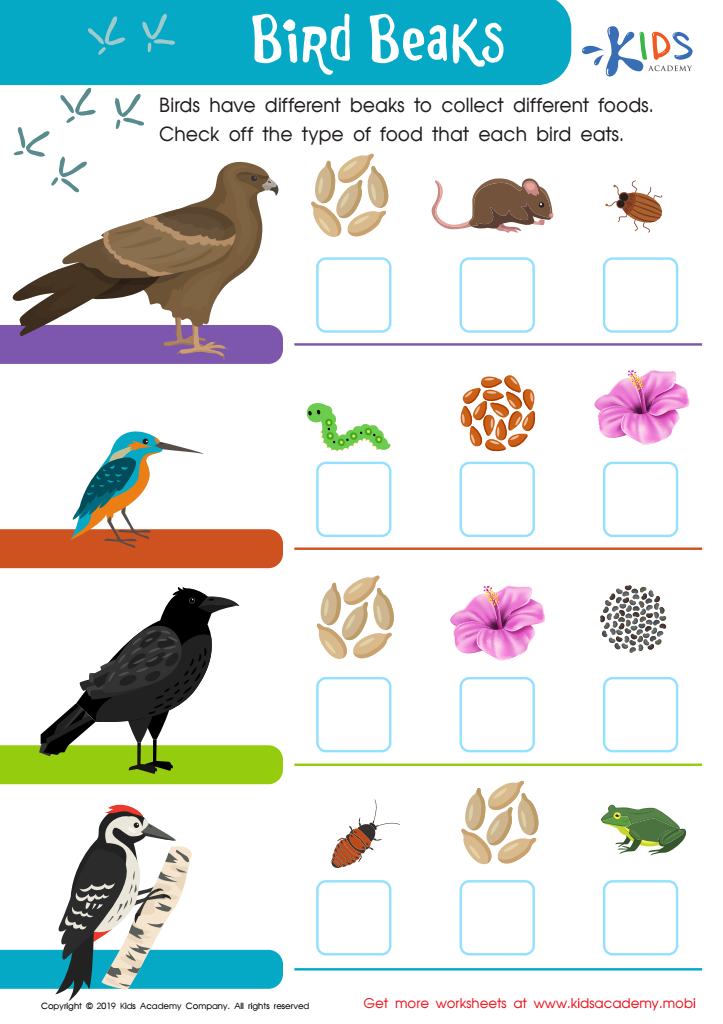
Bird Beaks Worksheet
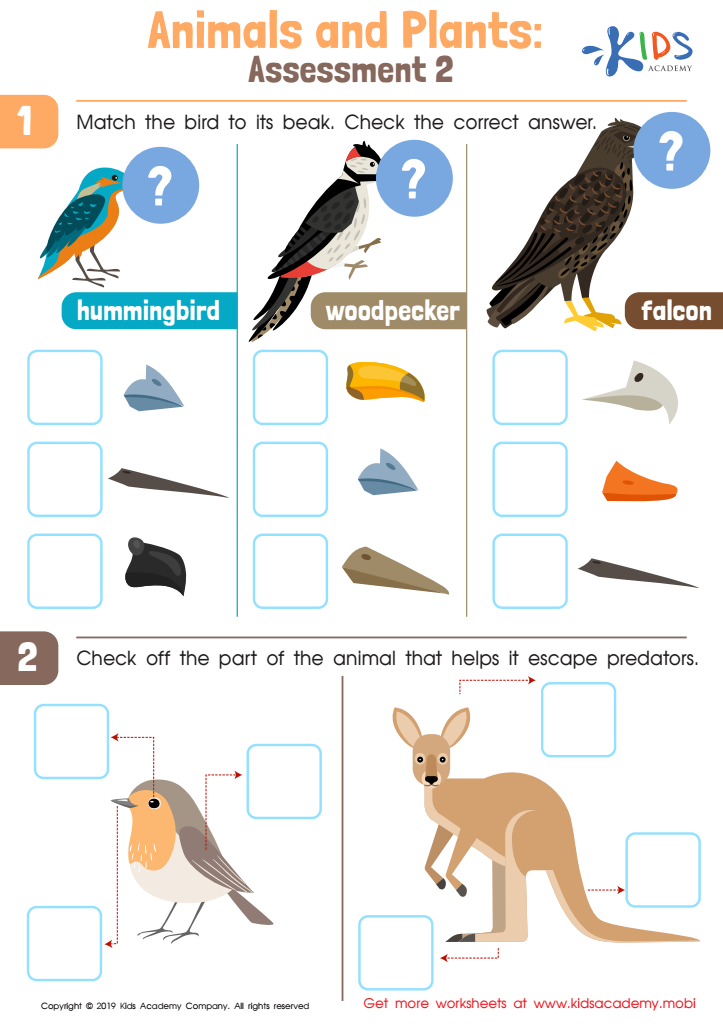
Animals and Plants: Assessment 2 Worksheet
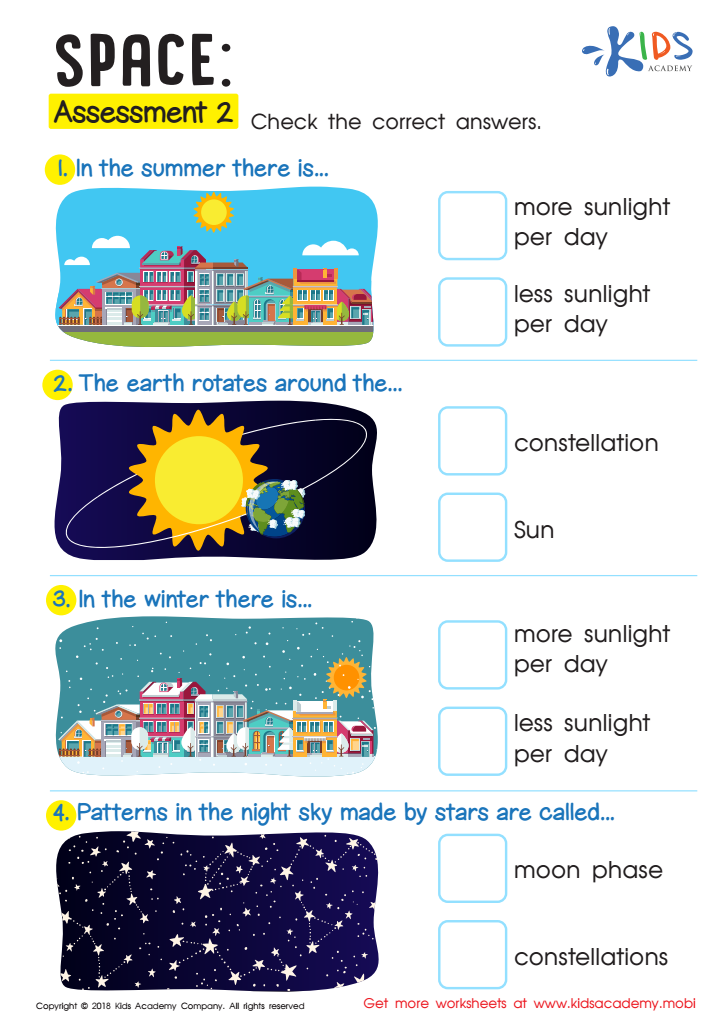
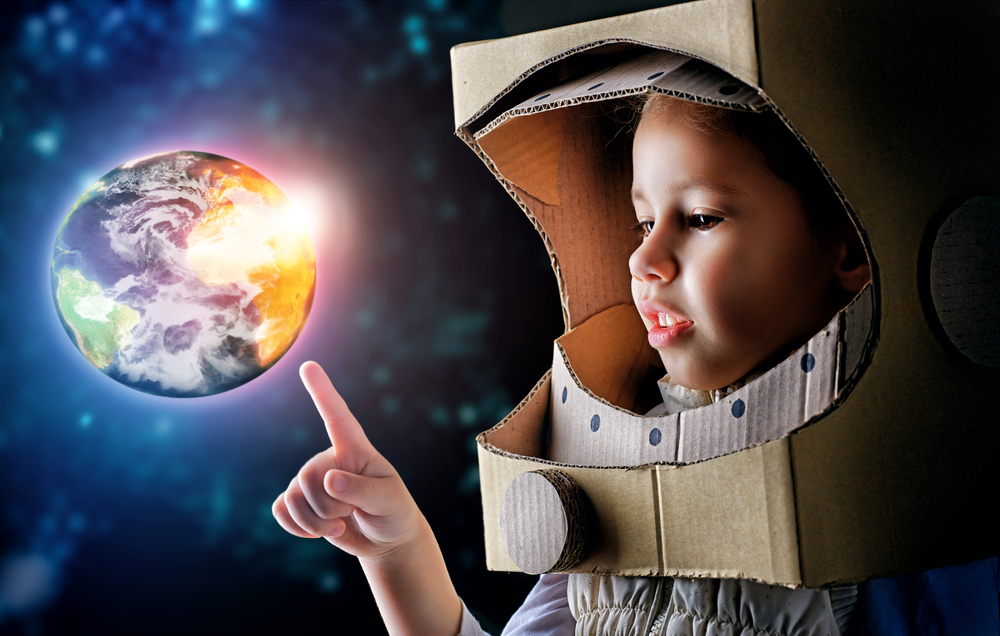
Space: Assessment 2 Worksheet



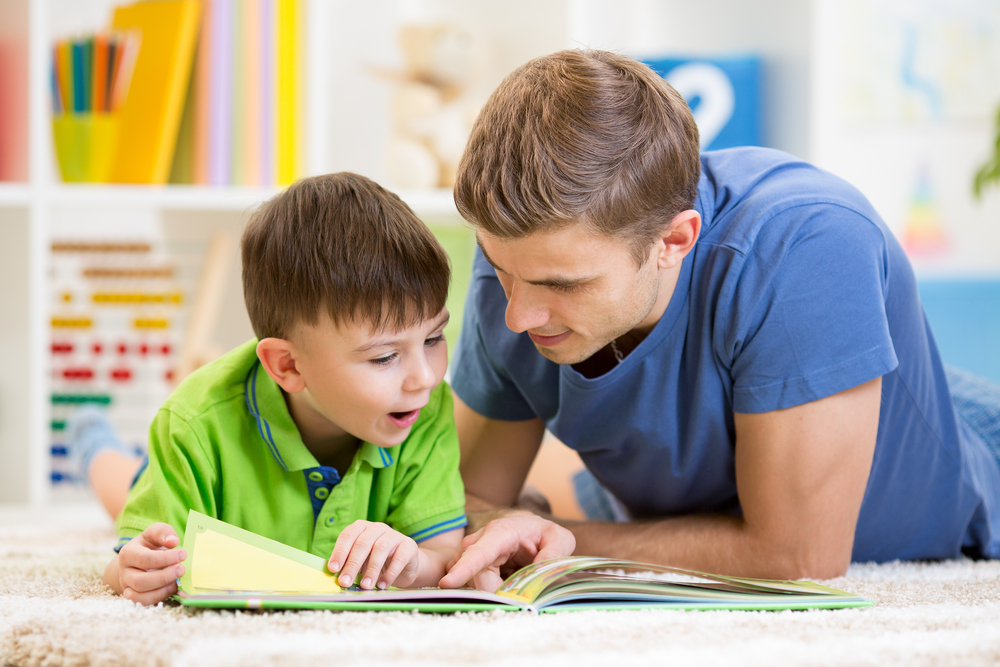
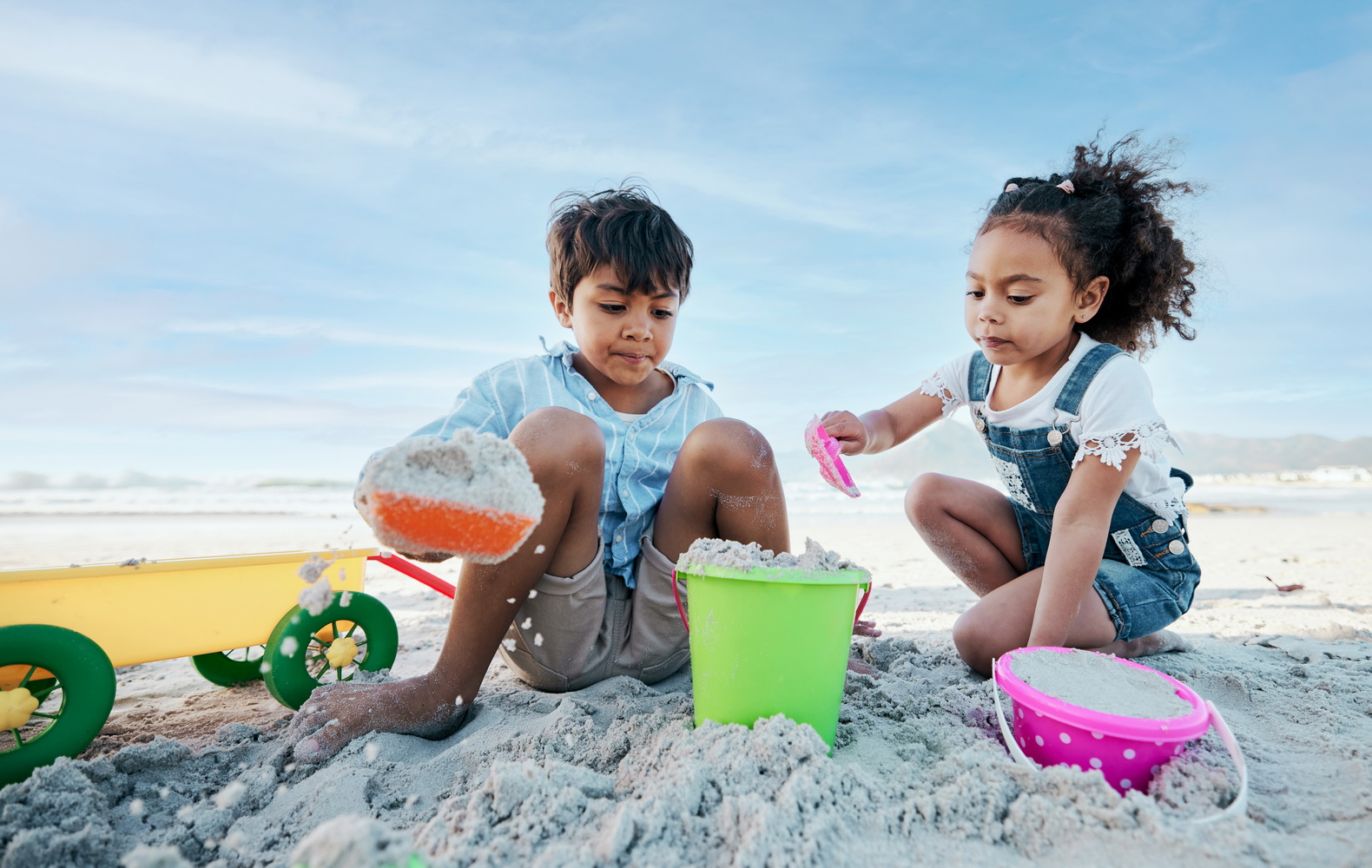
Classification skills are crucial for 7-year-olds, particularly in the context of science, as they lay the foundation for logical thinking and understanding the natural world. At this age, children are naturally curious and eager to explore their environment. Teaching them how to classify objects—whether animals, plants, or materials—helps them make sense of complexities in their surroundings.
Understanding classification enhances cognitive development by encouraging children to recognize patterns, make connections, and categorize their findings based on shared attributes. These skills promote critical thinking, as students learn to deduce relationships among different items, thus fostering problem-solving abilities.
Moreover, mastering classification supports language development, as children learn the terminology associated with different categories and enhance their communication skills. It also contributes to scientific literacy, equipping young learners with the ability to engage in scientific inquiry, organize information, and investigate concepts systematically.
For parents and teachers, emphasizing classification skills in science can inspire a lifelong interest in learning. Engaging children in activities that encourage classification can be enjoyable and meaningful, sparking curiosity and motivation, making science both accessible and exciting for young minds. Ultimately, these foundational skills prepare children for future academic challenges and real-world applications.







