Visual Perception Skills Science Worksheets for 7-Year-Olds
3 filtered results
-
From - To
Enhance your 7-year-olds' learning experience with our engaging Visual Perception Skills Science Worksheets! Designed specifically for young learners, these worksheets help improve critical skills like pattern recognition, spatial awareness, and visual discrimination. By integrating fun, age-appropriate activities, children can explore the concepts of colors, shapes, and sizes while honing their scientific observation abilities. Perfect for classroom use or at-home learning, our resources make science enjoyable and accessible. Watch your child develop confidence and competence in visual perception skills essential for their academic growth. Discover the joy of learning with our comprehensive and creative worksheets today!
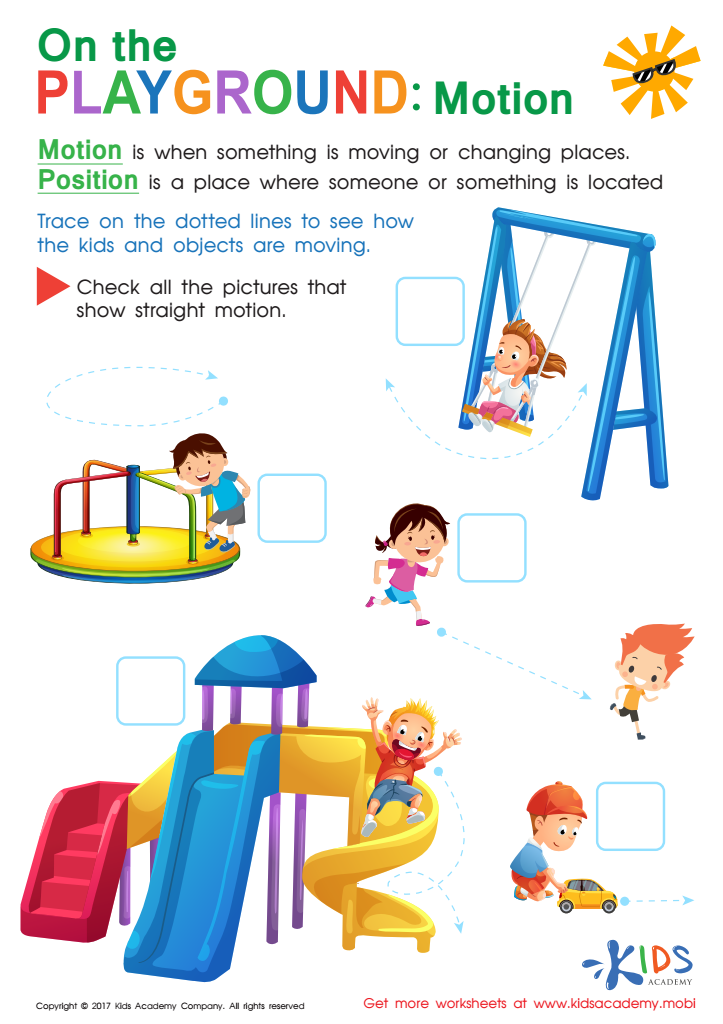
Position and Motion Worksheet
 Assign to My Students
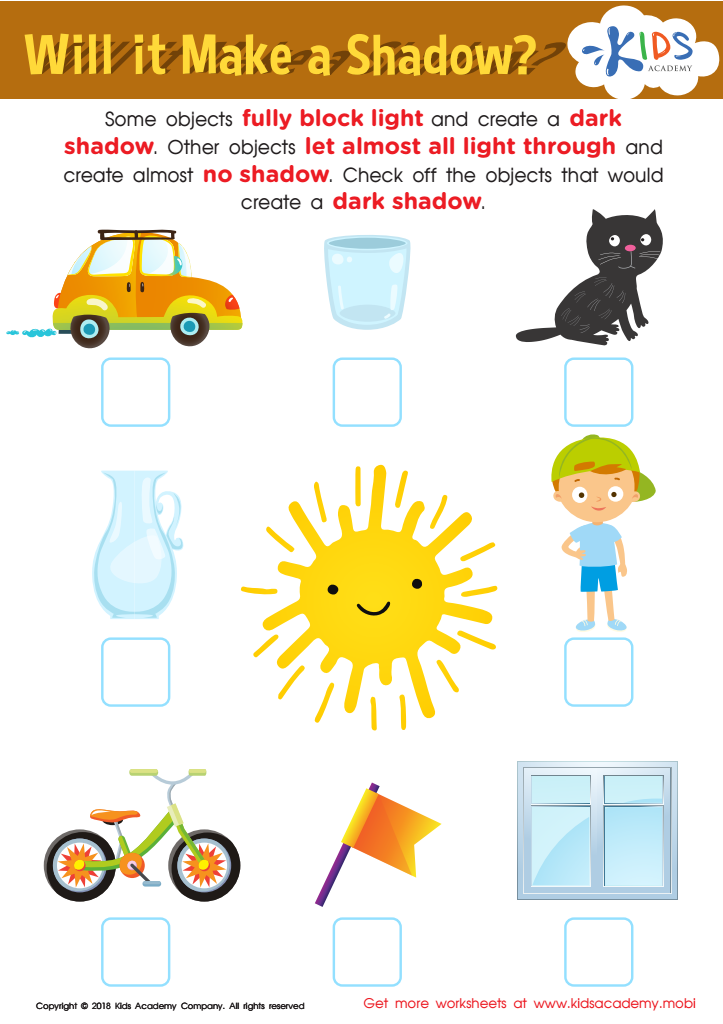
Will It Make a Shadow? Worksheet
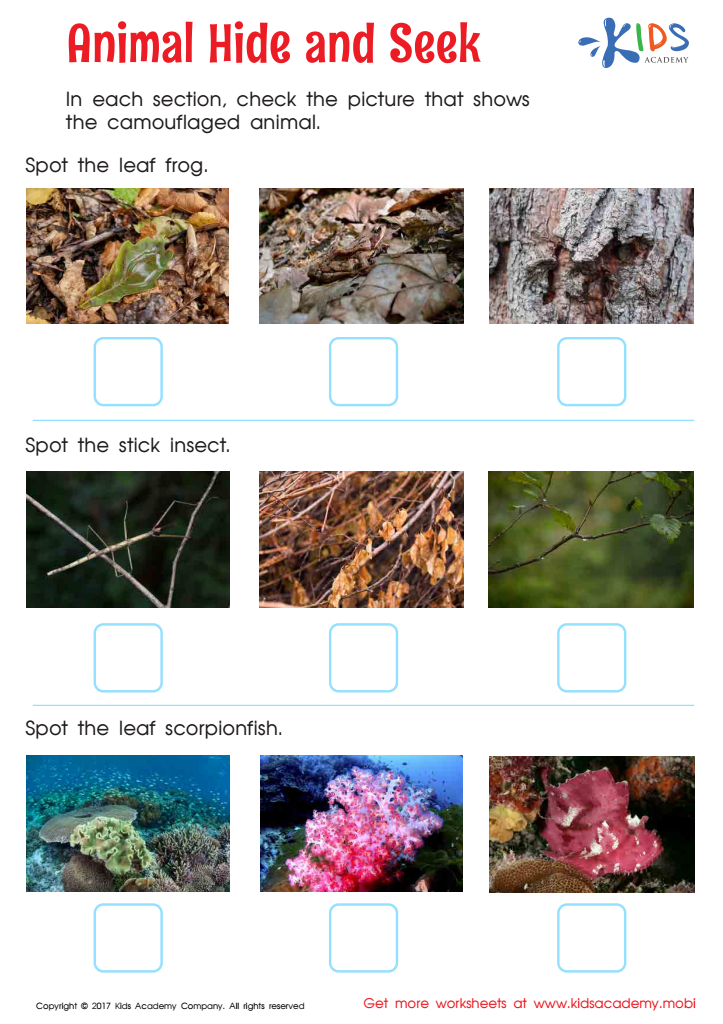
Animal Hide and Seek Worksheet






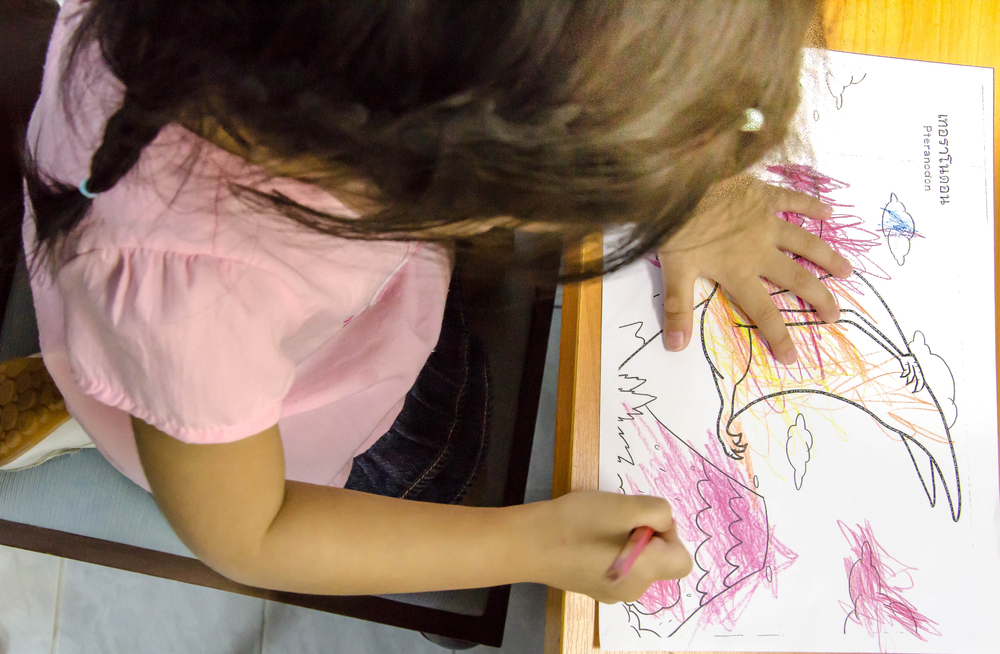
Visual perception skills are crucial for 7-year-olds as they form the foundation for academic success and everyday functioning. At this age, children engage more with reading, writing, and math, all of which require the ability to interpret and analyze visual information. Strong visual perception skills enable kids to recognize letters, shapes, and numbers, facilitating early literacy and numeracy development. Moreover, these skills help children follow directions, understand spatial relationships, and grasp concepts in science and art.
Parents and teachers should care about these skills because they significantly influence a child's learning experience. Difficulties in visual perception can lead to challenges in school, frustration, and diminished self-esteem. By fostering these abilities, adults can help children become more competent and confident learners. Engaging in activities that promote visual perception, such as puzzles, reading, drawing, and games, can make learning enjoyable and effective.
Moreover, enhancing visual perception contributes to a child's overall cognitive development, problem-solving skills, and creativity. In an increasingly visual world filled with digital technology, strengthening these skills early on prepares children for future challenges both in and out of the classroom, making it essential for teachers and parents to prioritize their development.







