Problem-Solving Skills Physical Science Worksheets for 7-Year-Olds
3 filtered results
-
From - To
Enhance your 7-year-old's critical thinking abilities with our engaging Problem-Solving Skills Physical Science Worksheets, specifically designed for young learners. These expertly crafted printable worksheets help children explore fundamental physical science concepts while honing their problem-solving skills. Baseline challenges stimulate curiosity and logical reasoning through fun activities such as puzzles, experiments, and hands-on tasks. Perfect for building strong foundations in physics, these interactive resources encourage independent thinking and foster a love for science. Ideal for classroom use or at-home learning, nurture your child’s inquisitiveness and analytical abilities with our comprehensive problem-solving practice sheets.
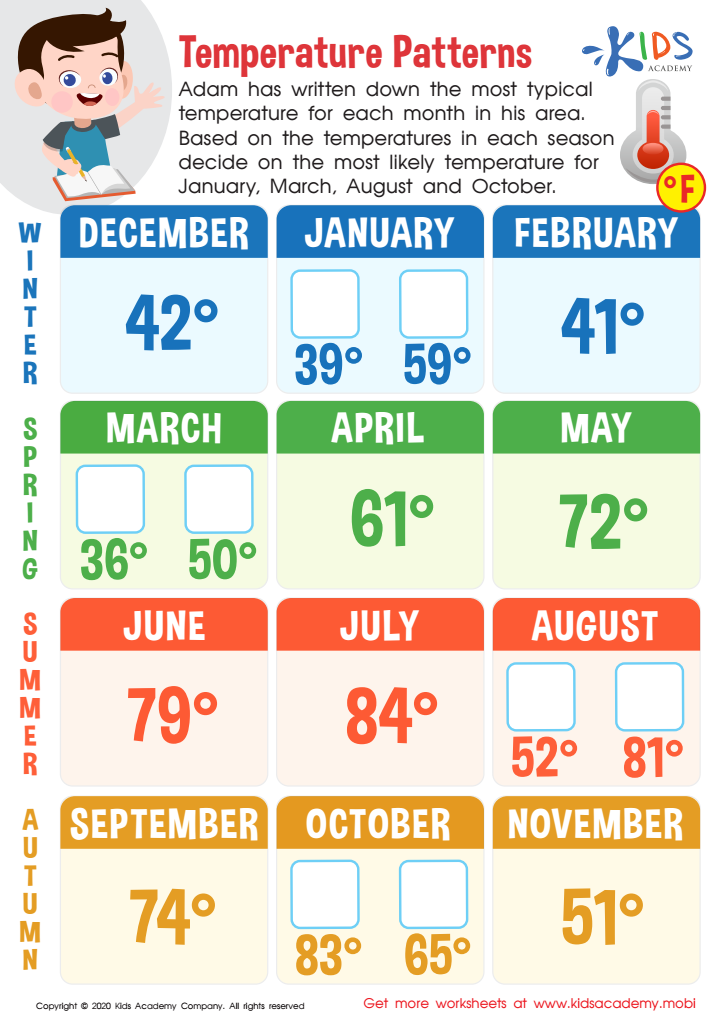
Temperature Patterns Worksheet
 Assign to My Students
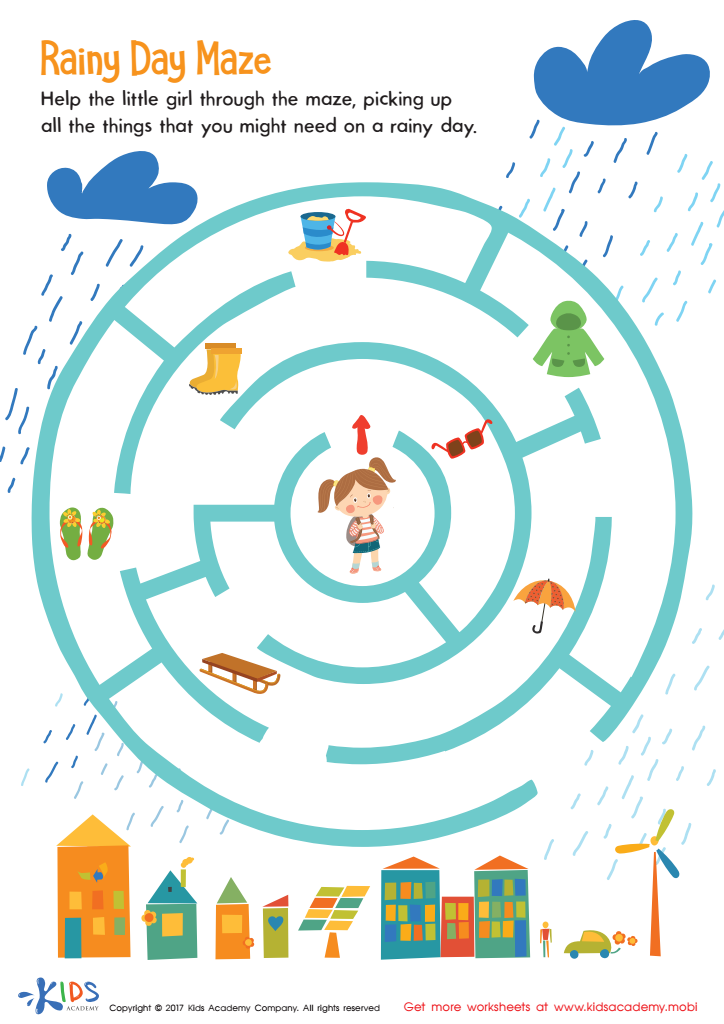
Rainy Day Maze Worksheet
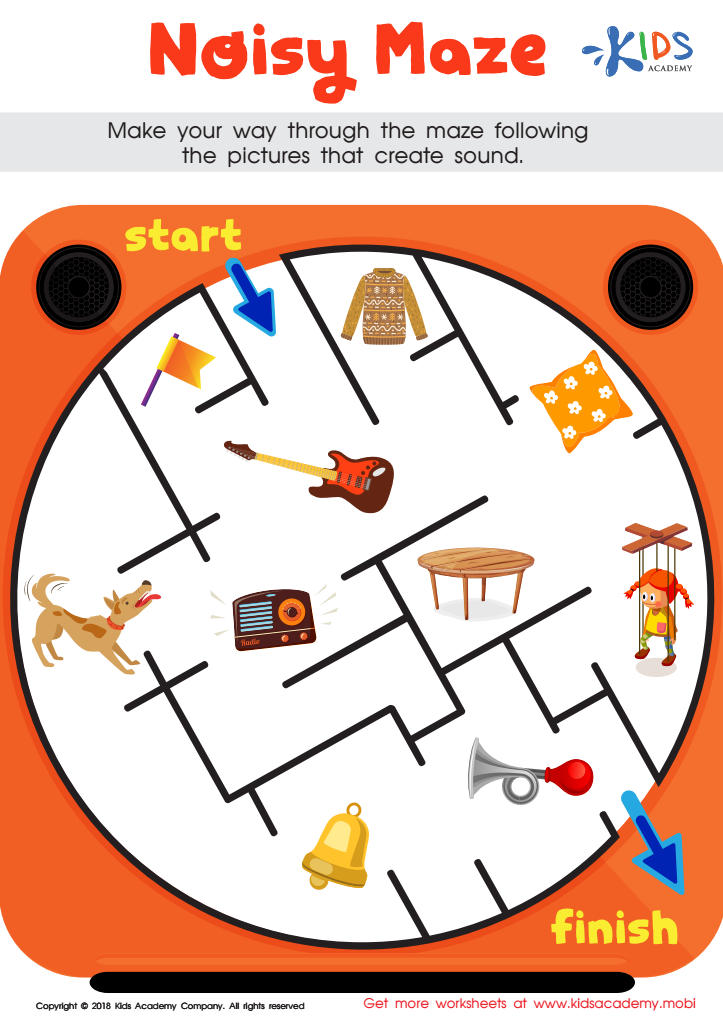
Noisy Maze Worksheet




.jpg)



Parents and teachers should care deeply about problem-solving skills in physical science for seven-year-olds because these abilities lay a crucial foundation for future learning and critical thinking. At this tender age, children's brains are highly receptive to new information and ways of thinking. Developing problem-solving skills in physical science helps them understand the world around them, fostering curiosity, creativity, and a love for learning.
Engaging with physical science presents multiple everyday scenarios where children have to question, hypothesize, and experiment, thereby sharpening their critical thinking and analytical skills. For instance, when a child faces the challenge of understanding why objects float or sink, they engage in observing, predicting, and reasoning. This exercise is not only about acquiring scientific knowledge but also about cultivating the ability to approach and solve problems systematically.
Moreover, problem-solving in science teaches resilience and persistence. Kids learn that failures are part of experimentation and growth, boosting their confidence and perseverance – vital life skills that extend beyond academics.
Lastly, early exposure to problem-solving in physical science can ignite a lifelong passion for STEM (Science, Technology, Engineering, and Mathematics) fields, leading to future academic and career opportunities. Consequently, active involvement in developing these skills prepares children better for an increasingly complex and technical world, setting them up for continued success.







