Critical Thinking Plants and Animals Worksheets for 7-Year-Olds
6 filtered results
-
From - To
Explore our engaging Critical Thinking Plants and Animals Worksheets designed specifically for 7-year-olds! These interactive activities encourage young learners to delve into the fascinating world of nature by examining the relationships between plants and animals. With a variety of thought-provoking questions, puzzles, and tasks, children will develop essential critical thinking skills while enhancing their understanding of ecosystems. Our worksheets promote observation, analysis, and inference, building a strong foundation for scientific literacy. Perfect for classroom use or home learning, these resources make science fun and accessible. Spark curiosity and encourage independent thinking with our critical thinking worksheets today!
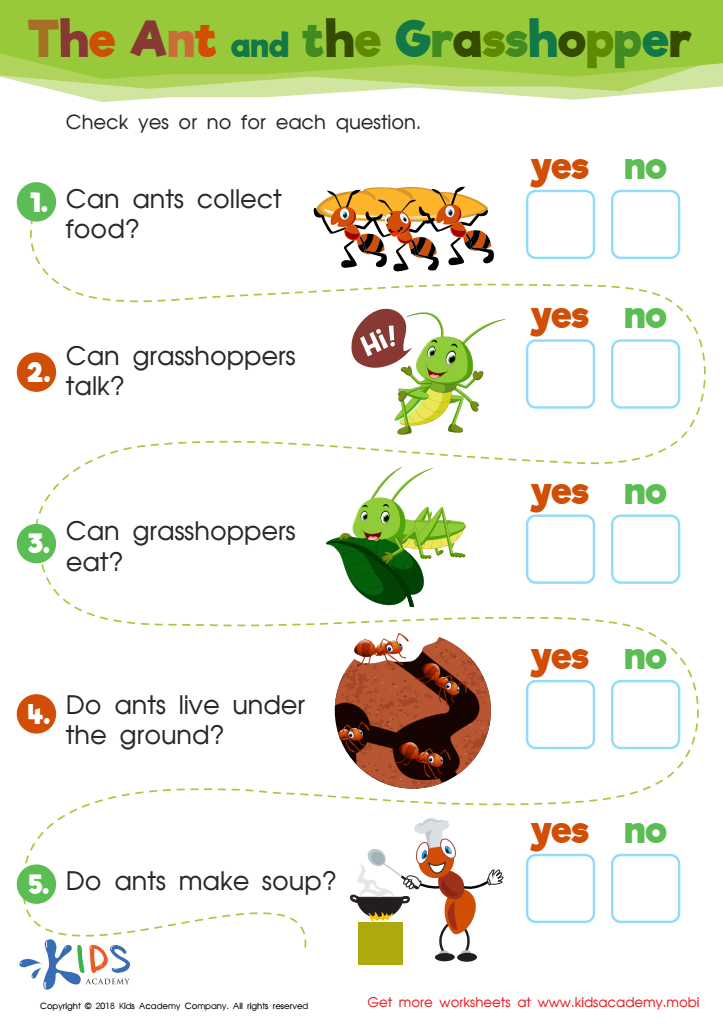
The Ant and The Grasshopper Worksheet
 Assign to My Students
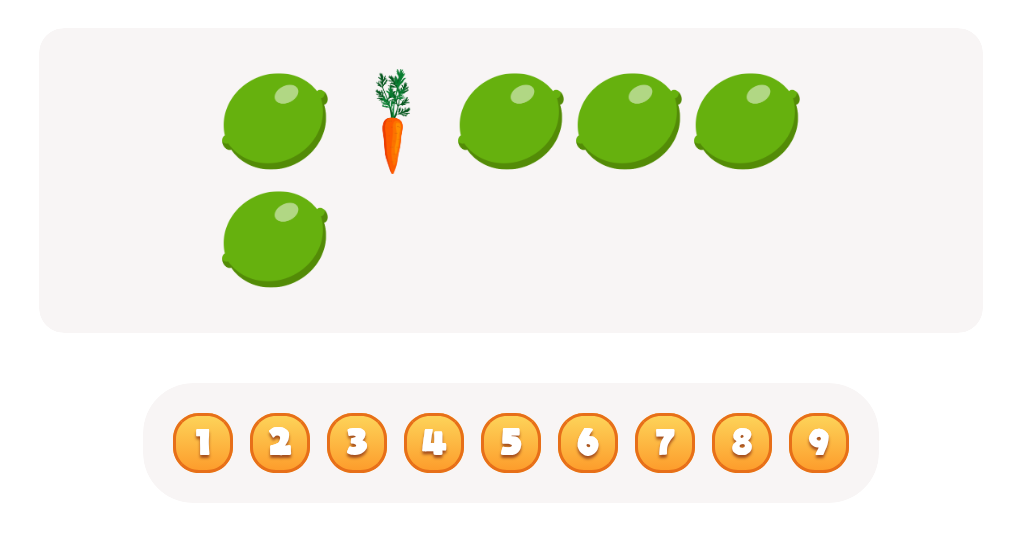

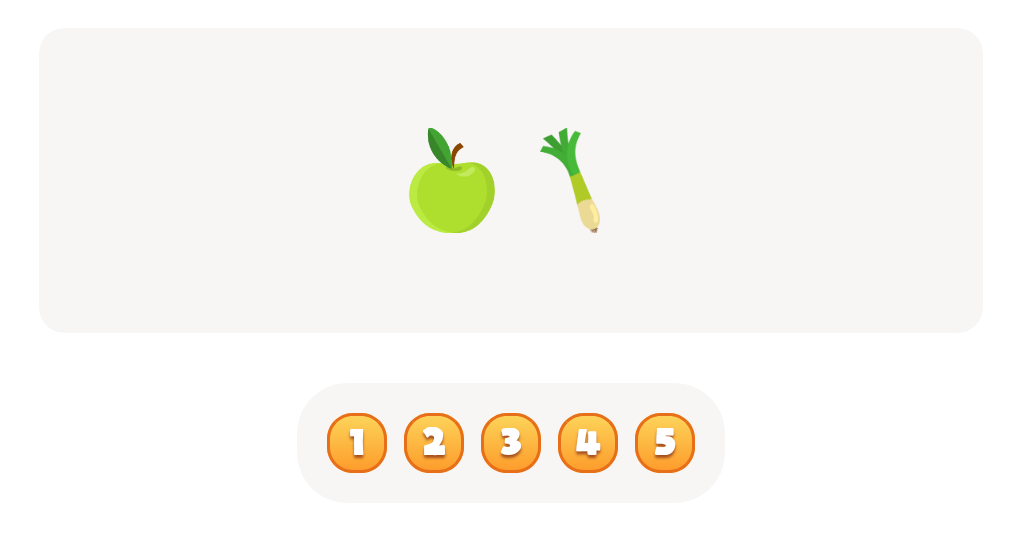
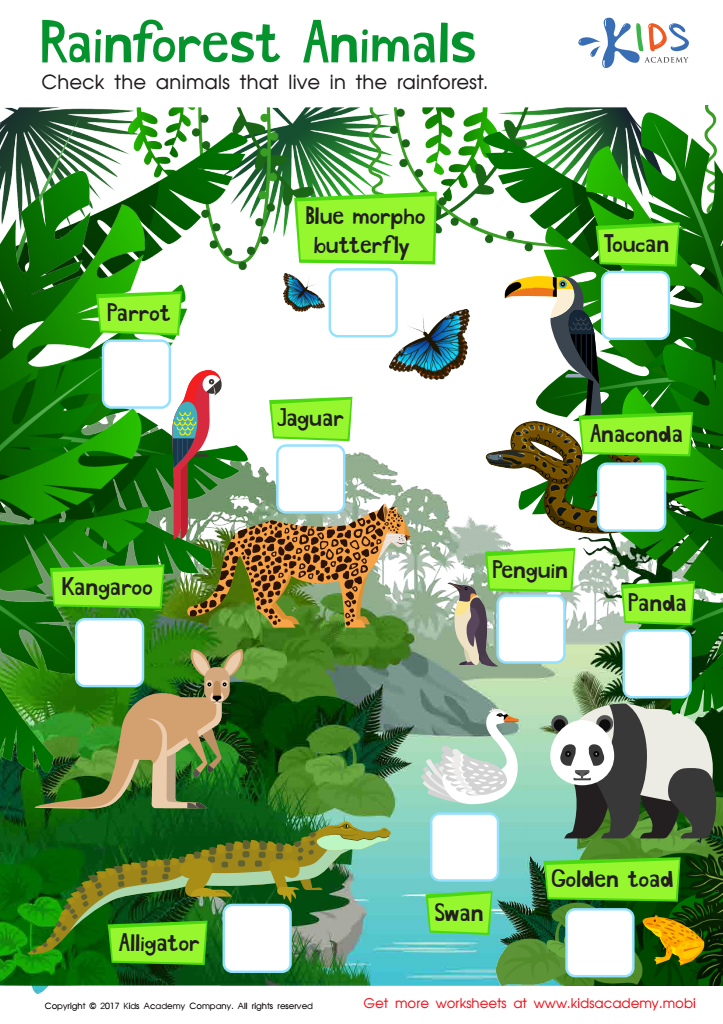
Rainforest Animals Worksheet
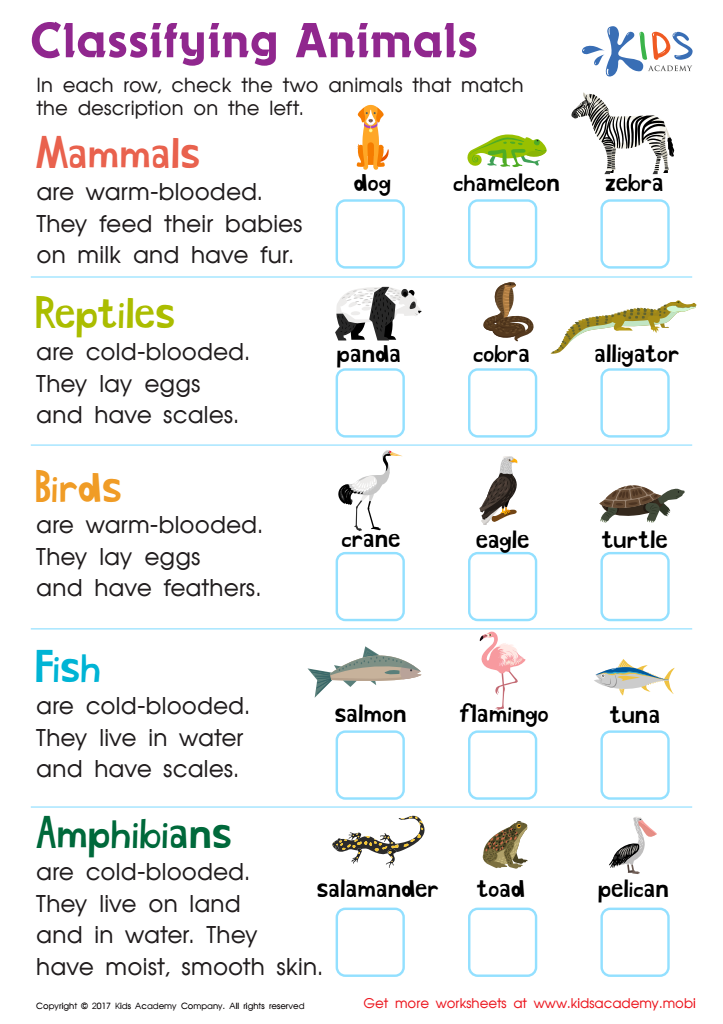
Classifying Animals Worksheet
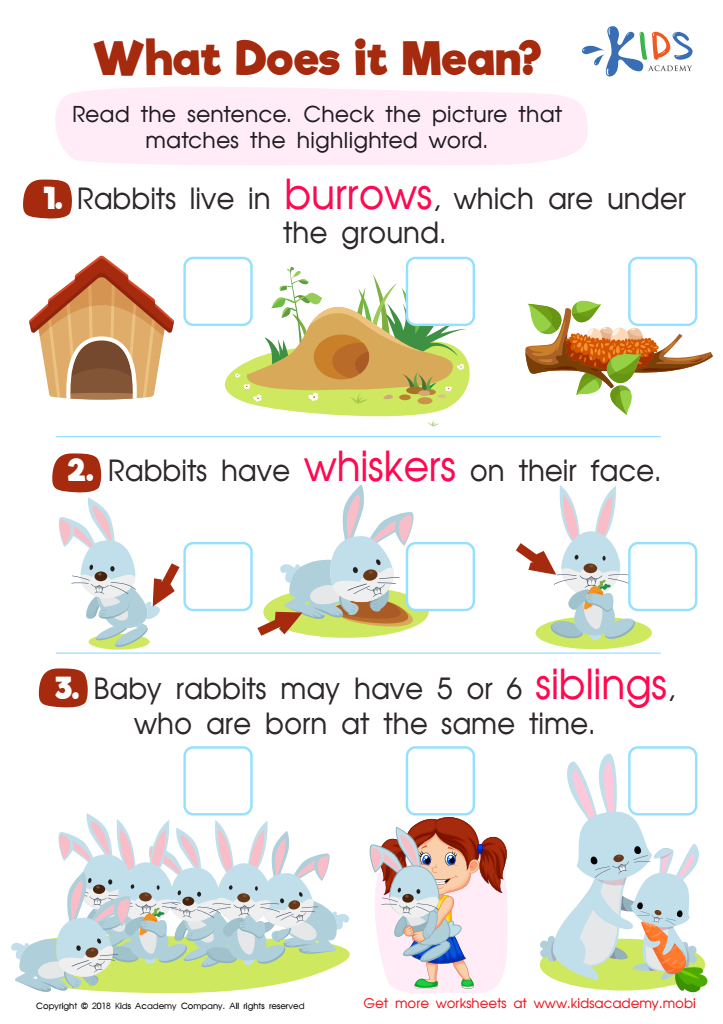
What Does It Mean? Worksheet
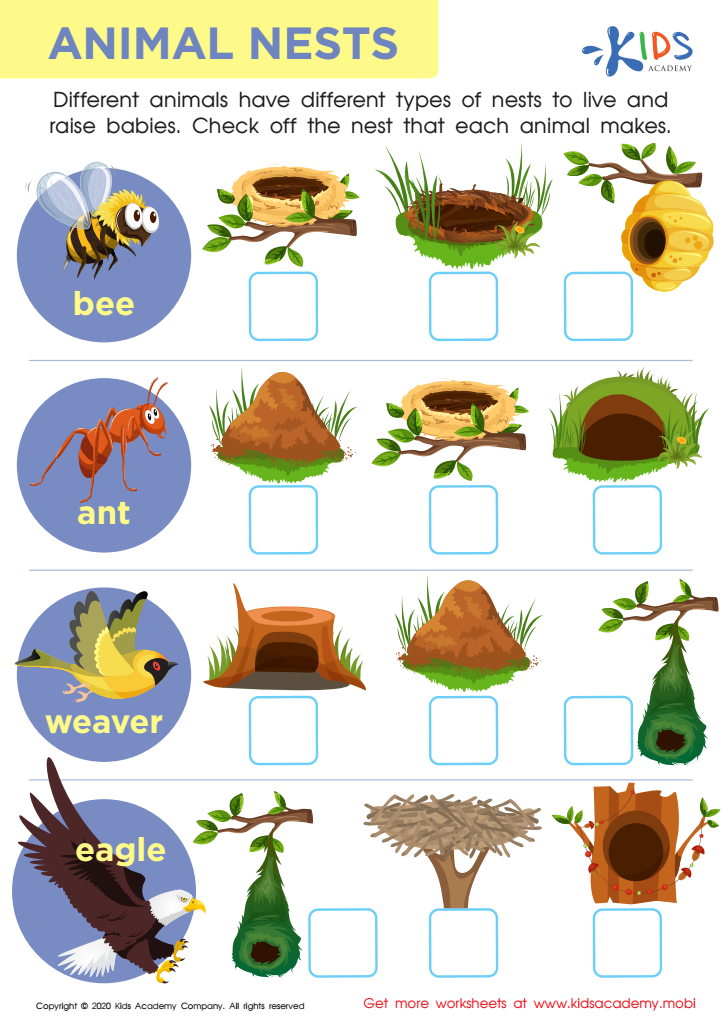
Animal Nests Worksheet
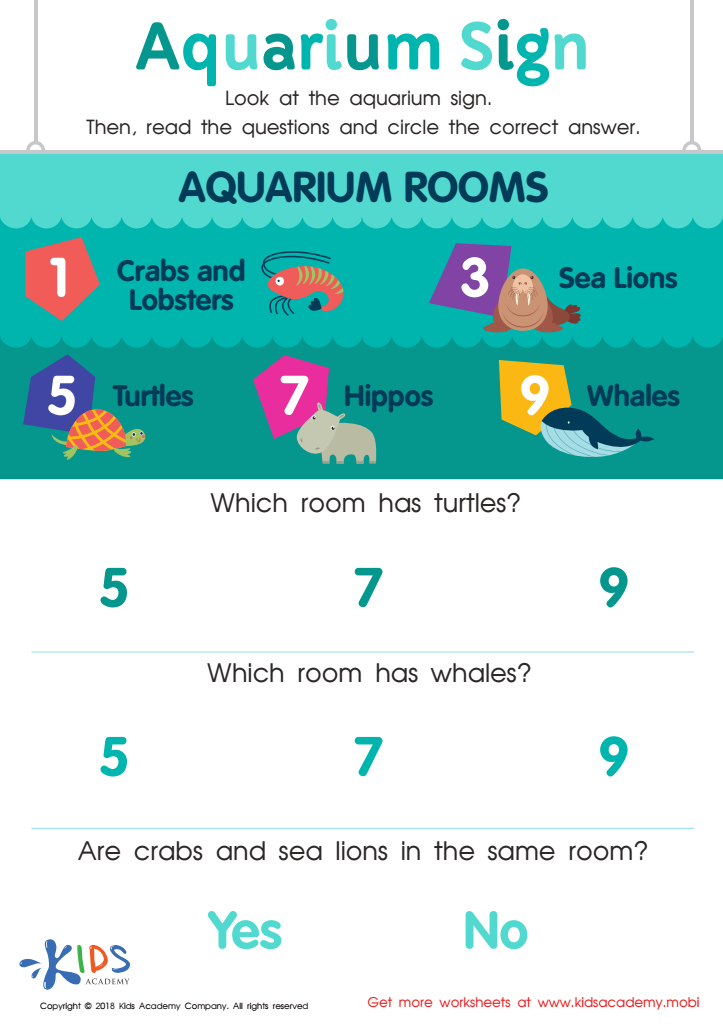
Assessment: Aquarium Sign Worksheet






Critical thinking is essential for 7-year-olds as it fosters important skills that shape their understanding of the world around them. When combined with engaging topics like plants and animals, critical thinking encourages children to ask questions, make observations, and draw conclusions based on evidence. Parents and teachers should care about this approach because it nurtures curiosity and promotes a sense of wonder about nature, which is crucial at this developmental stage.
By exploring plants and animals through critical thinking, children learn to analyze relationships in ecosystems, understand the importance of biodiversity, and recognize their role in preserving the environment. This scientific foundation builds problem-solving skills that extend beyond the classroom, teaching them to navigate challenges they encounter in daily life. Additionally, incorporating elements of critical thinking allows children to develop empathy for living things, fostering a sense of responsibility toward their preservation and care.
Ultimately, prioritizing critical thinking in lessons about plants and animals equips children with the skills they need to thrive academically, socially, and emotionally, laying a strong foundation for lifelong learning and environmental stewardship. This holistic growth is vital for nurturing well-rounded individuals ready to engage with the complexities of the world.