Alphabet Recognition Alphabet Worksheets for Ages 8-9
39 filtered results
-
From - To
Discover engaging Alphabet Recognition worksheets designed specifically for children aged 8-9. These printable resources focus on enhancing letter identification and phonics skills, crucial for developing reading proficiency. With fun activities tailored to this age group, children will explore uppercase and lowercase letters through interactive exercises that encourage critical thinking and creativity. Our worksheets provide a comprehensive approach to mastering the alphabet, allowing kids to practice at their own pace. Ideal for classroom use or homeschooling, these resources foster a love for learning and support essential literacy development. Download now to empower your child’s reading journey today!
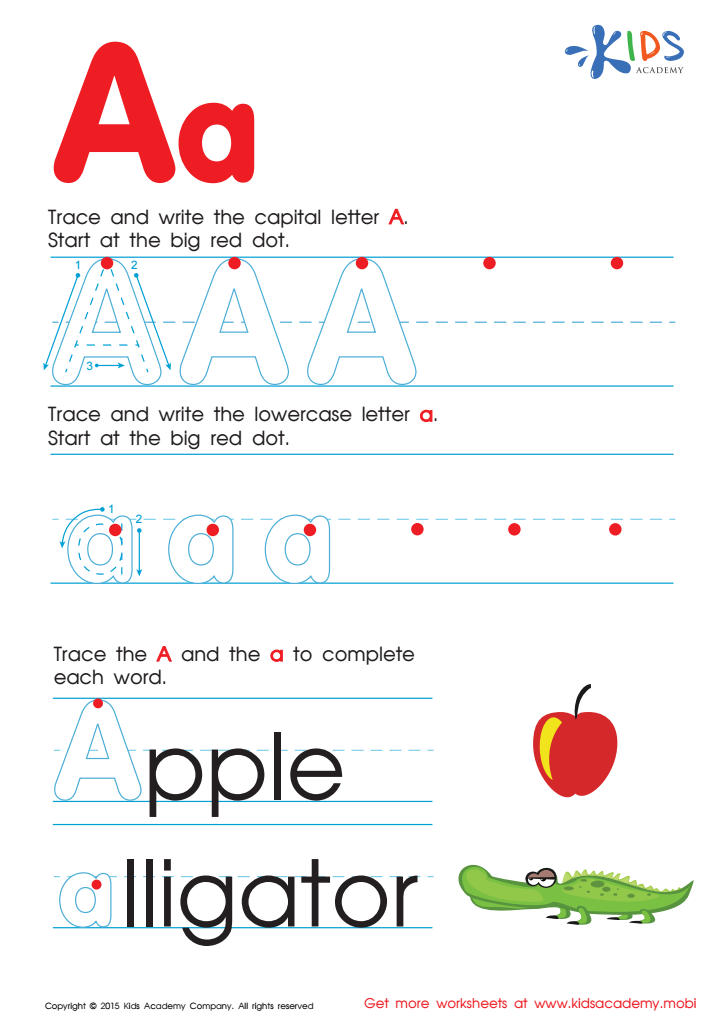
Letter A Tracing Page
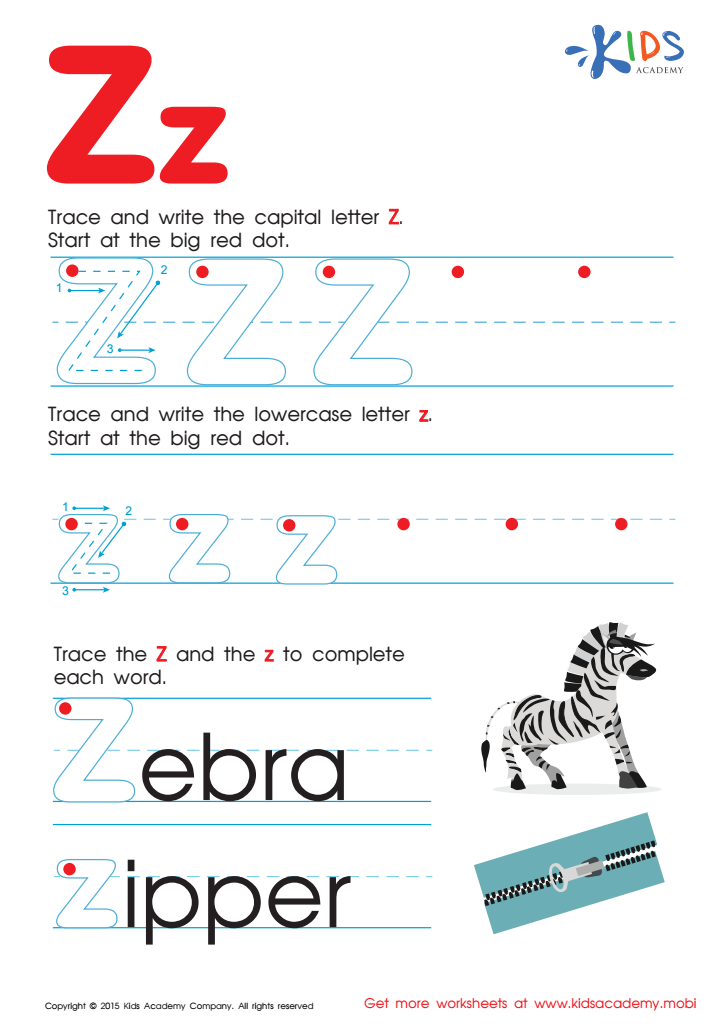
Letter Z Tracing Page
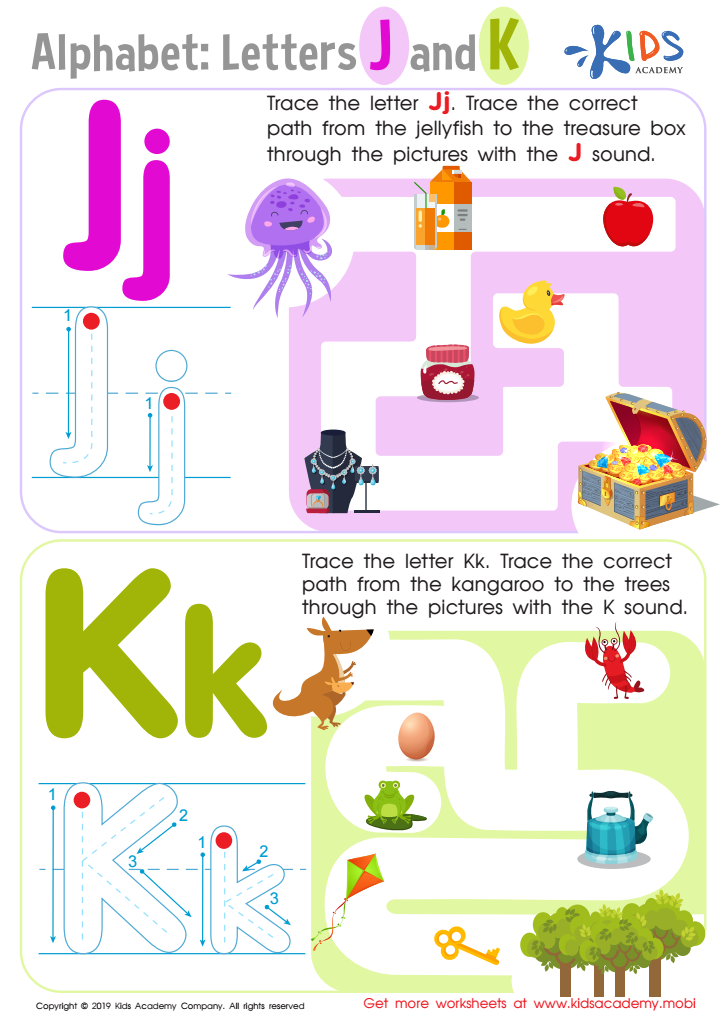
Letters J and K Tracing Worksheet
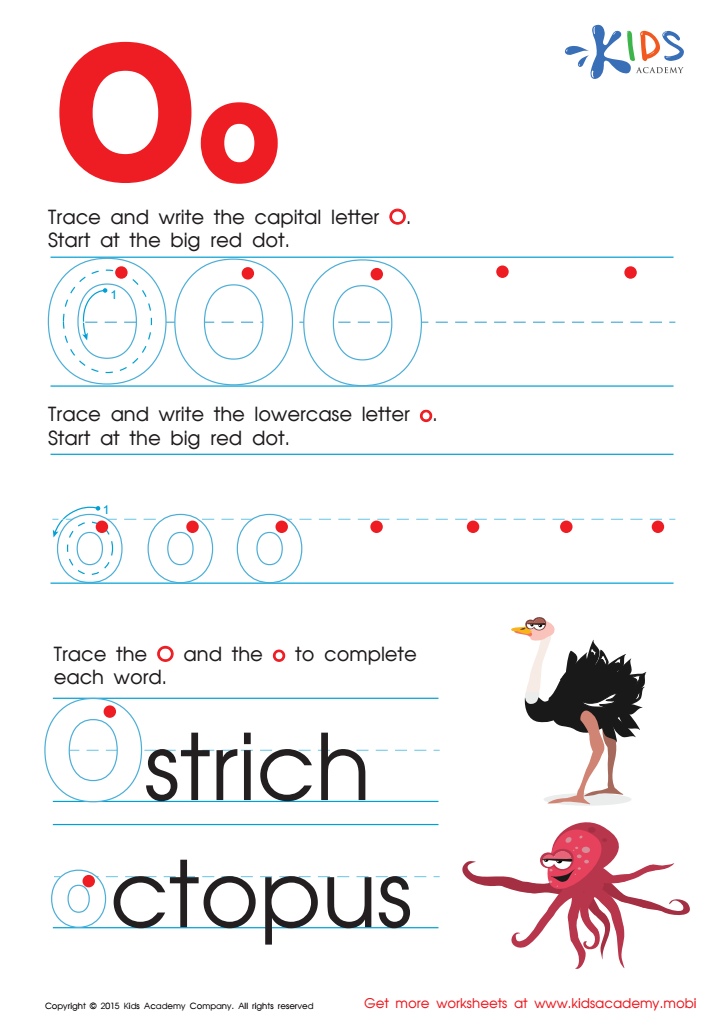
Letter O Tracing Page
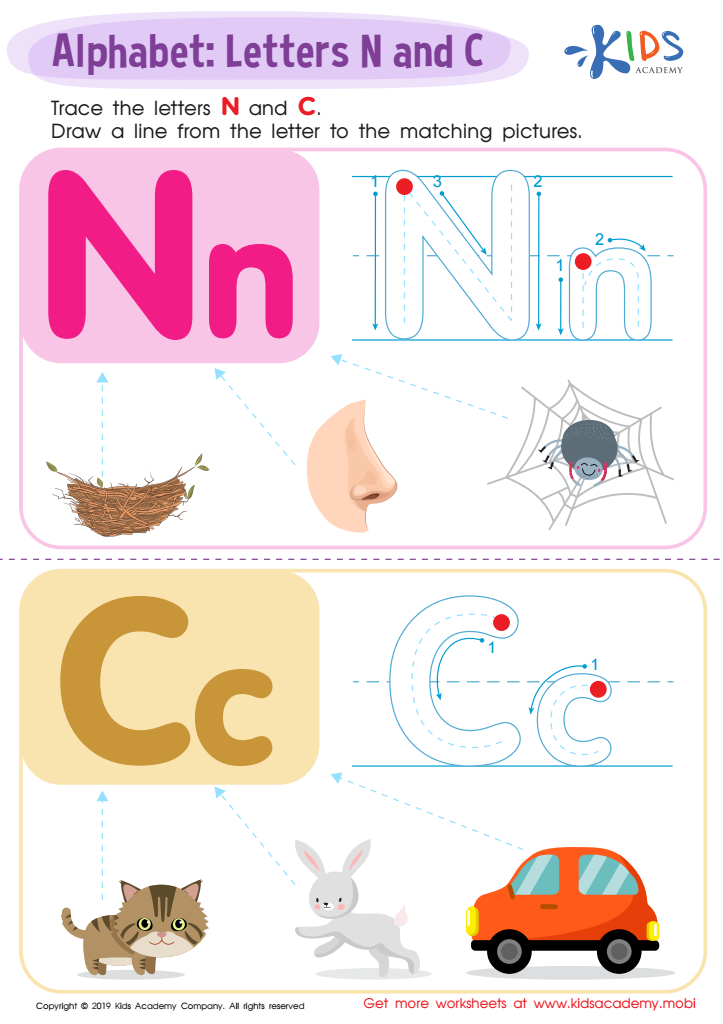
Letter N and C Tracing Worksheet
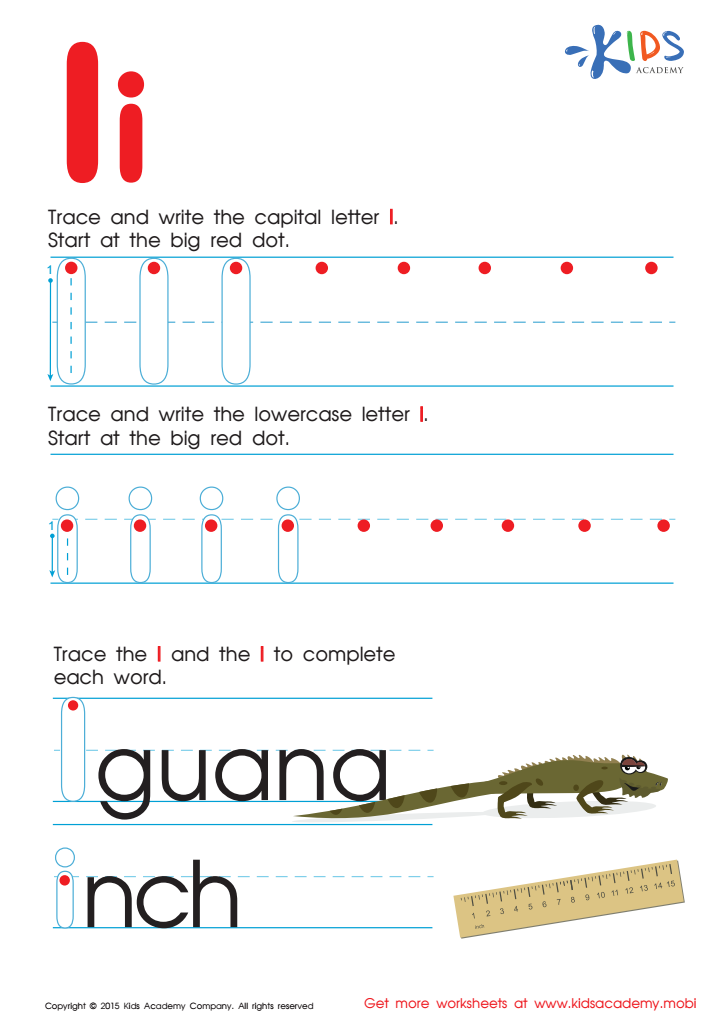
Letter I Tracing Page
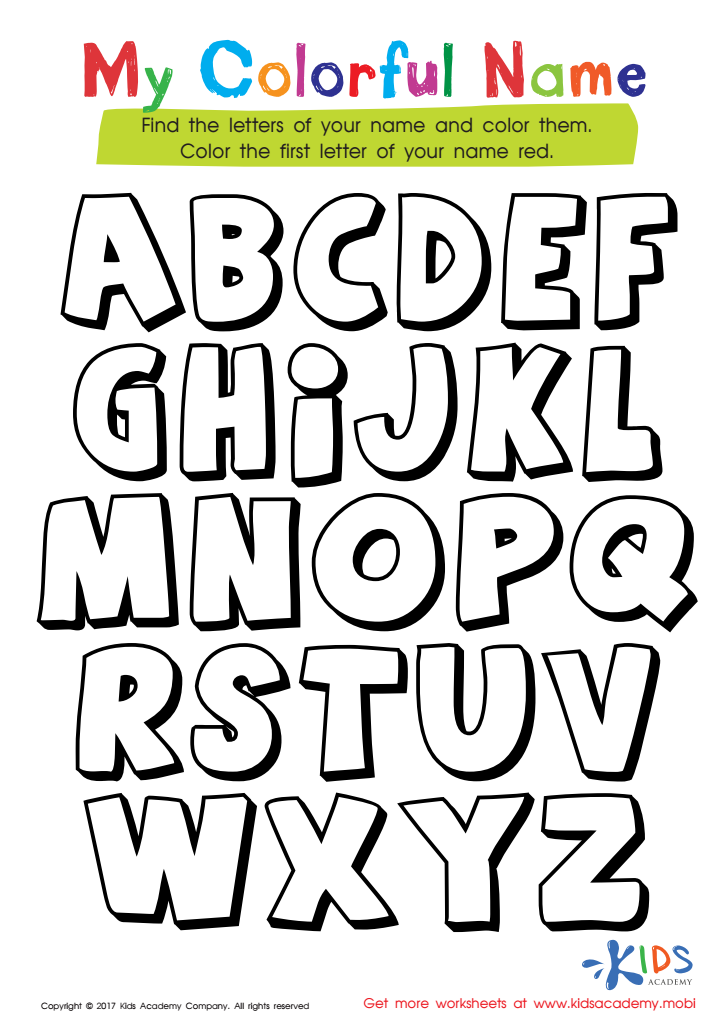
My Colorful Name Worksheet
 Assign to My Students
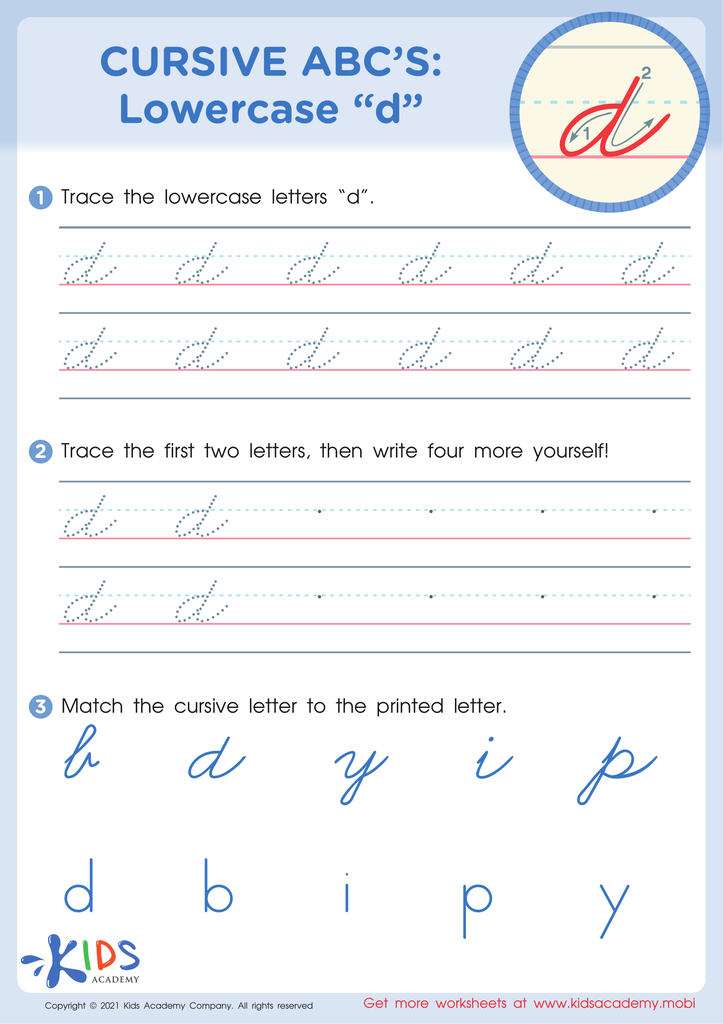
Cursive ABCs: Lowercase d
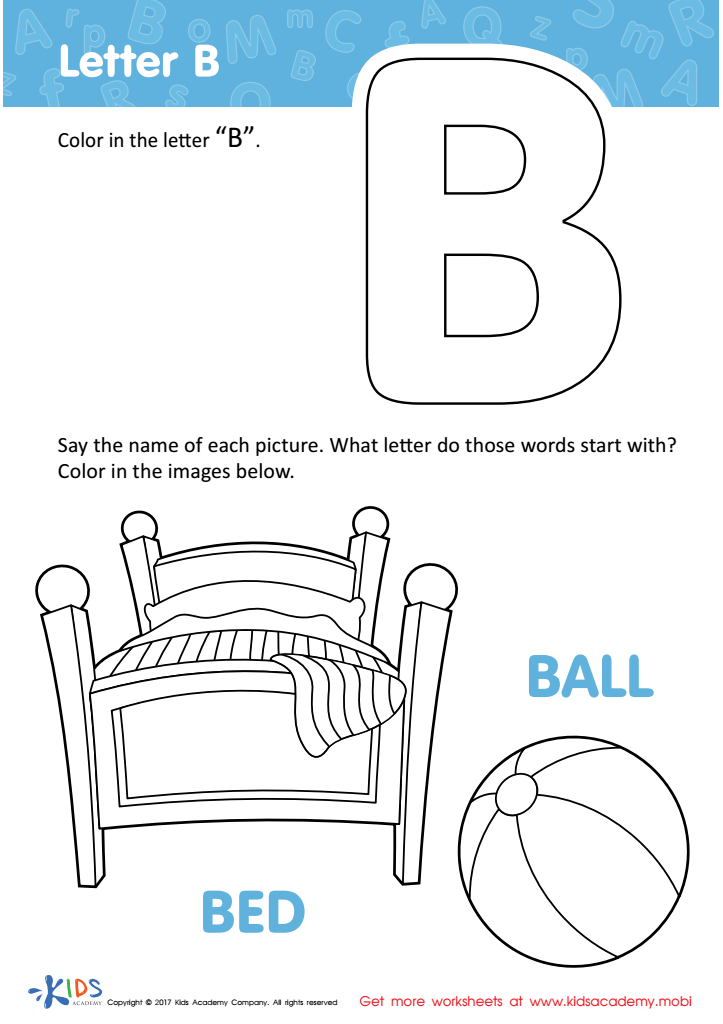
Letter B Coloring Sheet
Assign to My Students
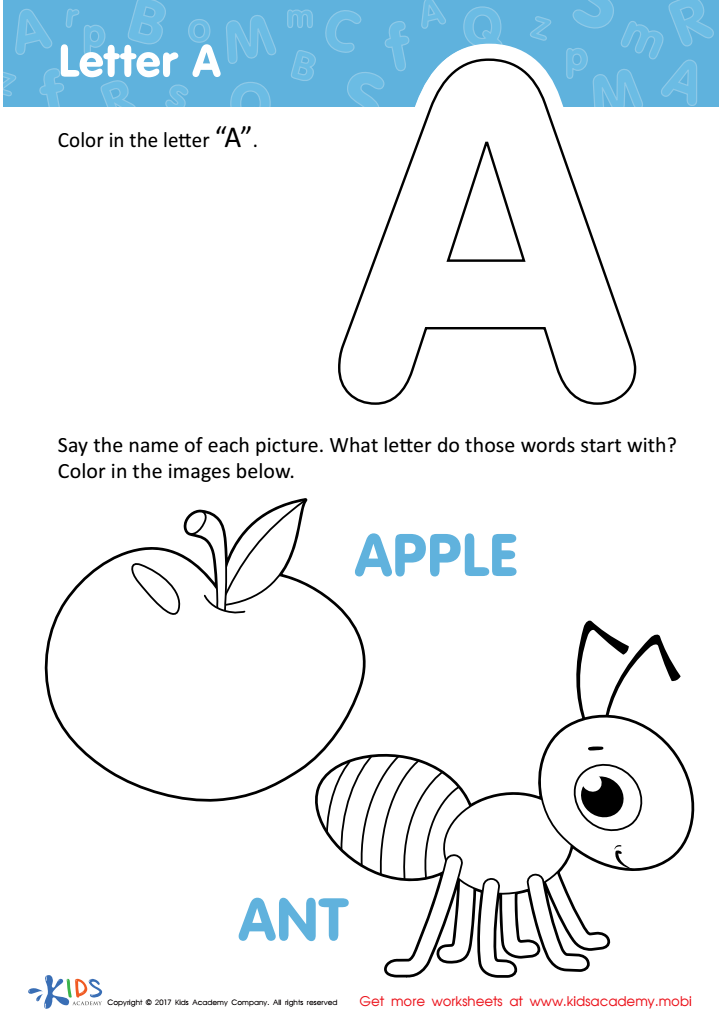
Letter A Coloring Sheet
Assign to My Students
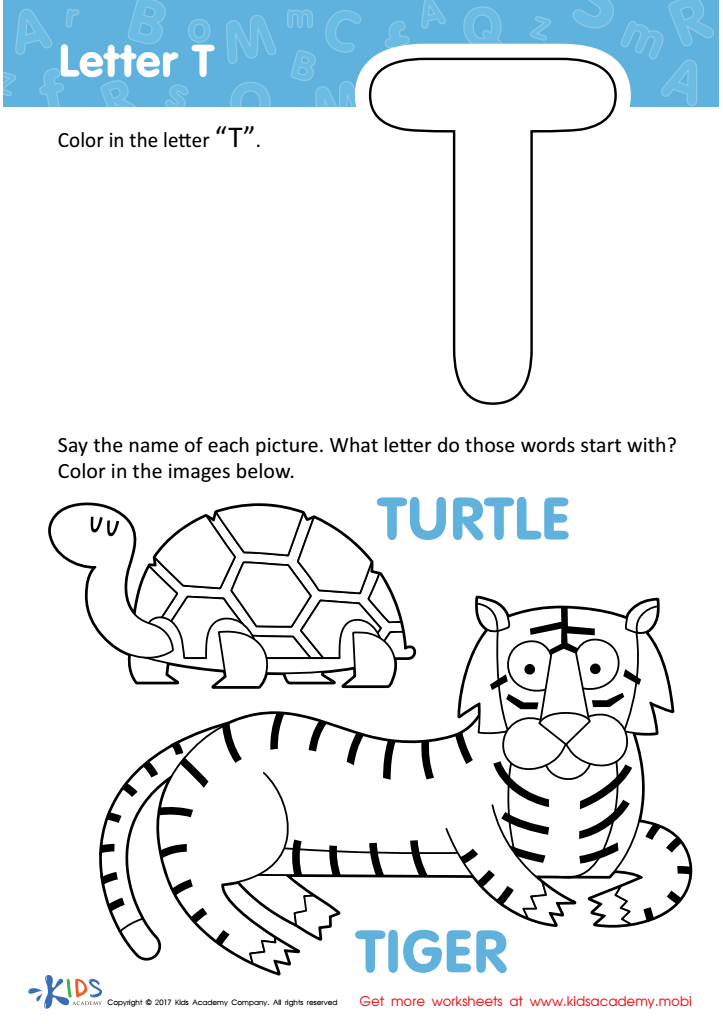
Letter T Coloring Sheet
Assign to My Students
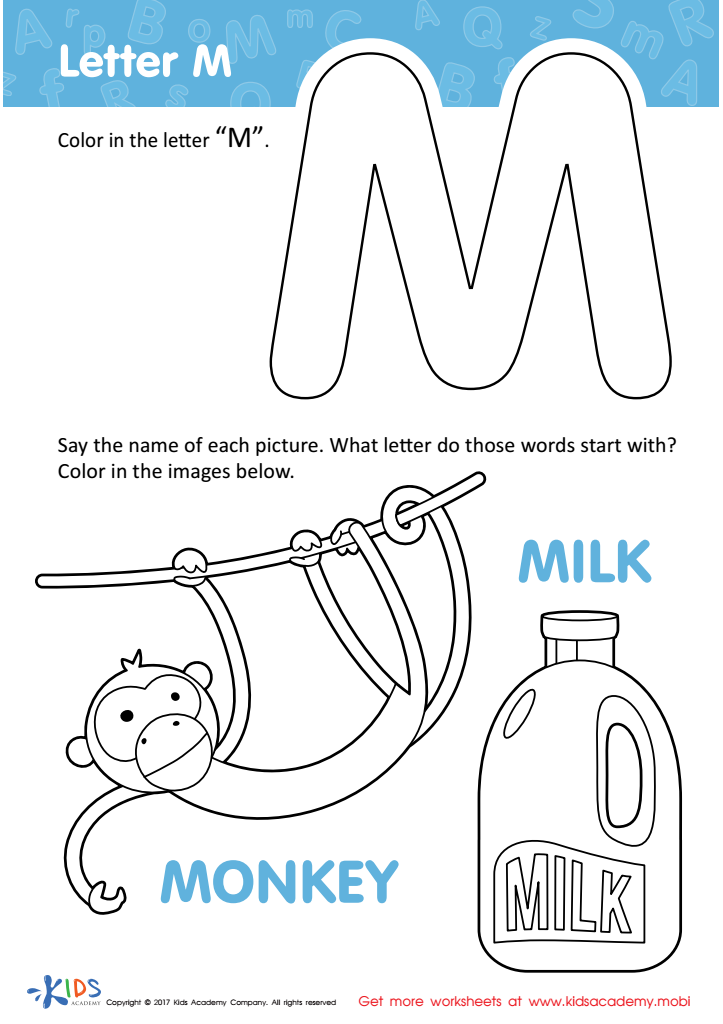
Letter M Coloring Sheet
Assign to My Students
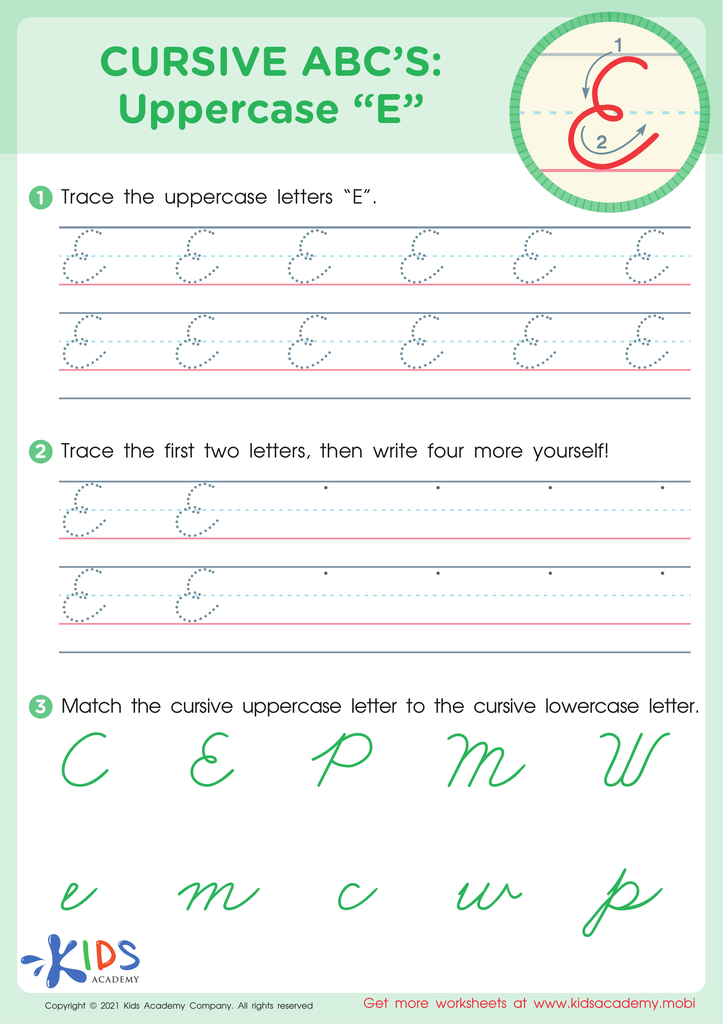
Cursive ABCs: Uppercase E
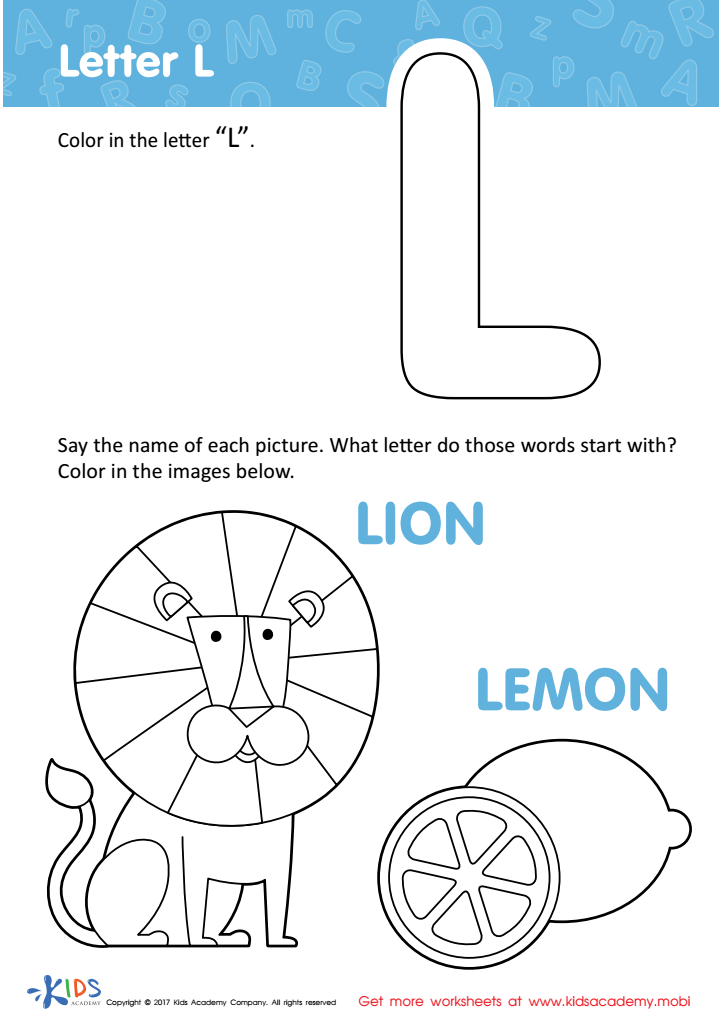
Letter L Coloring Sheet
Assign to My Students
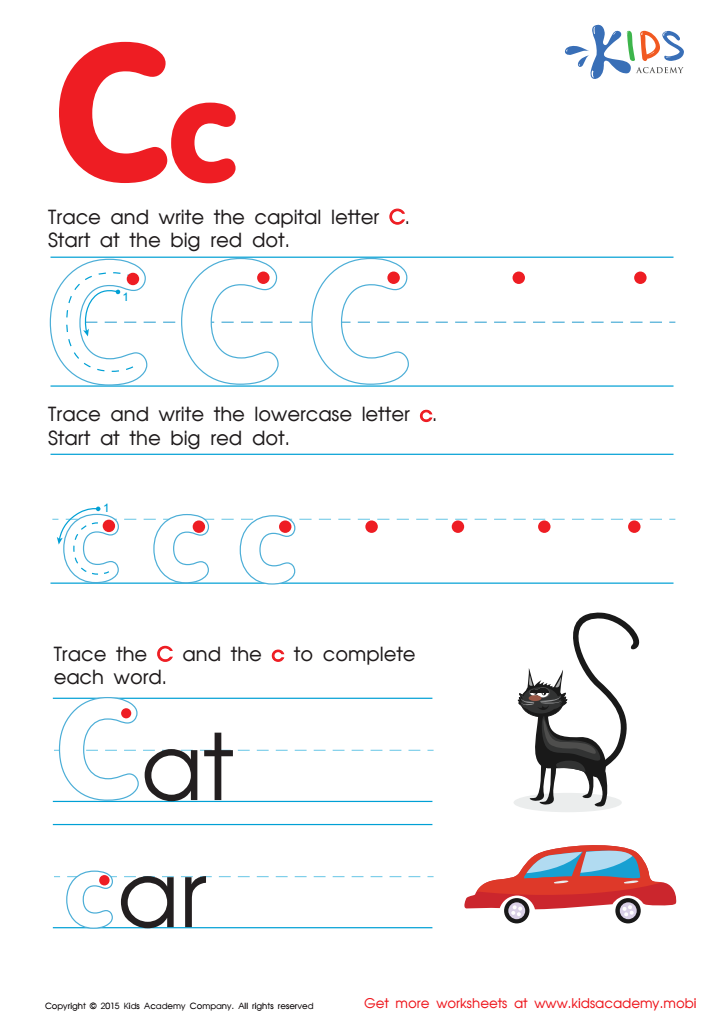
Letter C Tracing Page
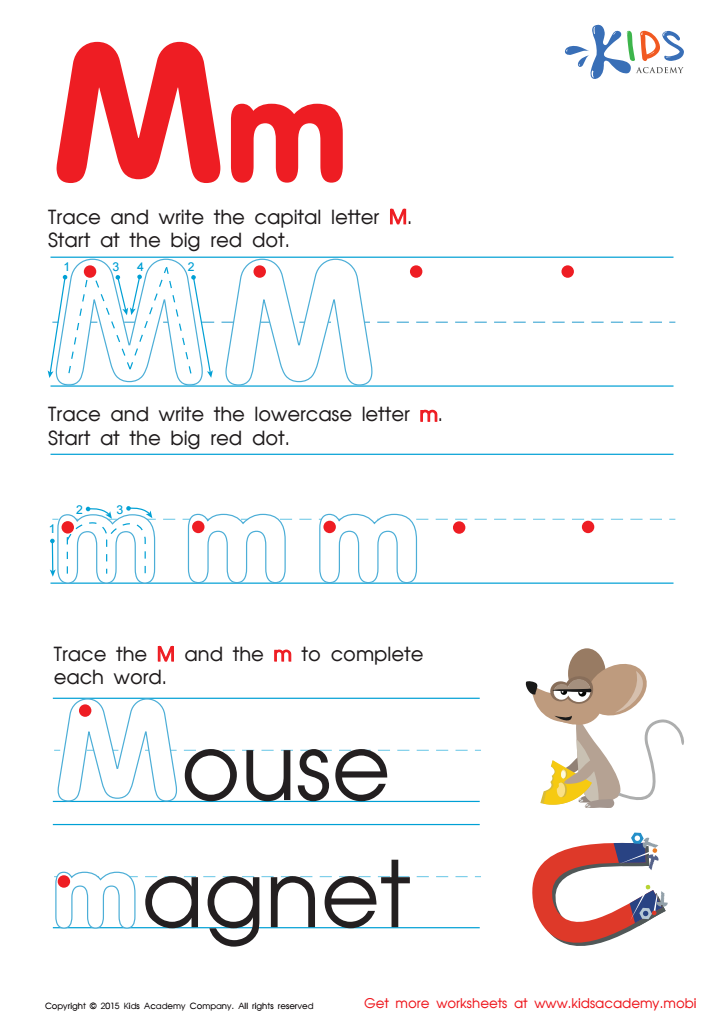
Letter M Tracing Page
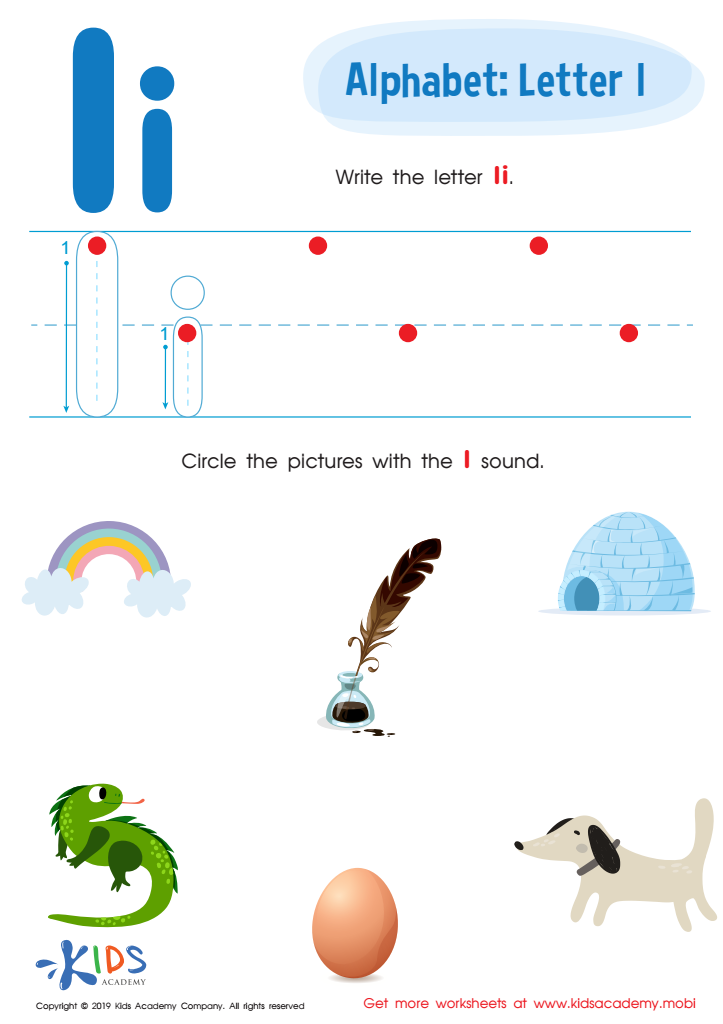
Letter I Tracing Worksheet
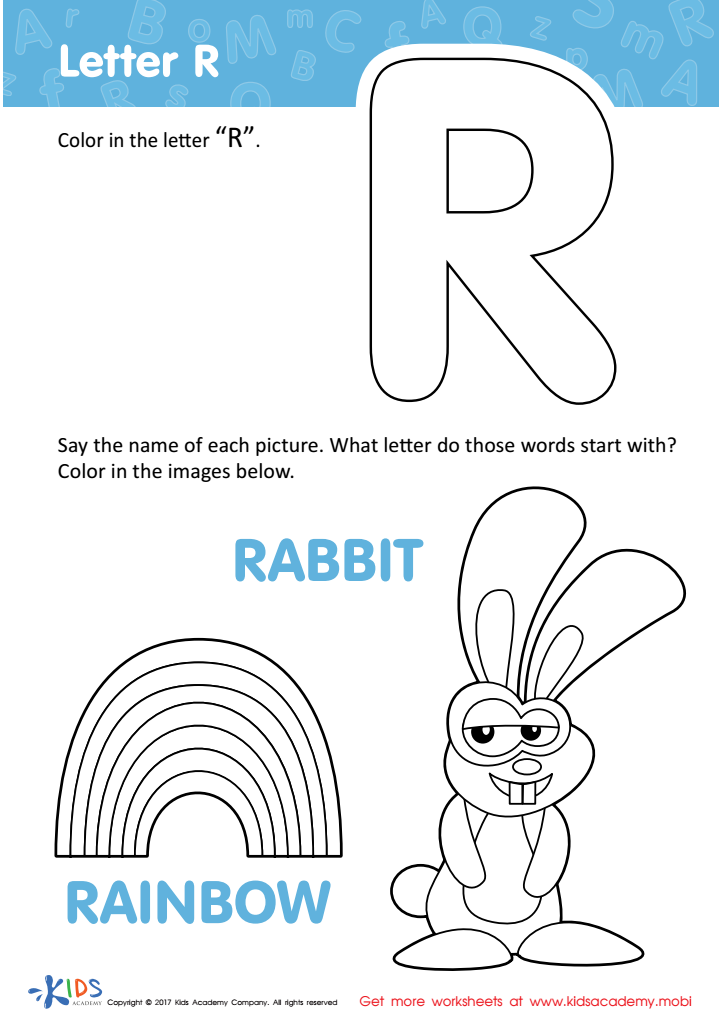
Letter R Coloring Sheet
Assign to My Students
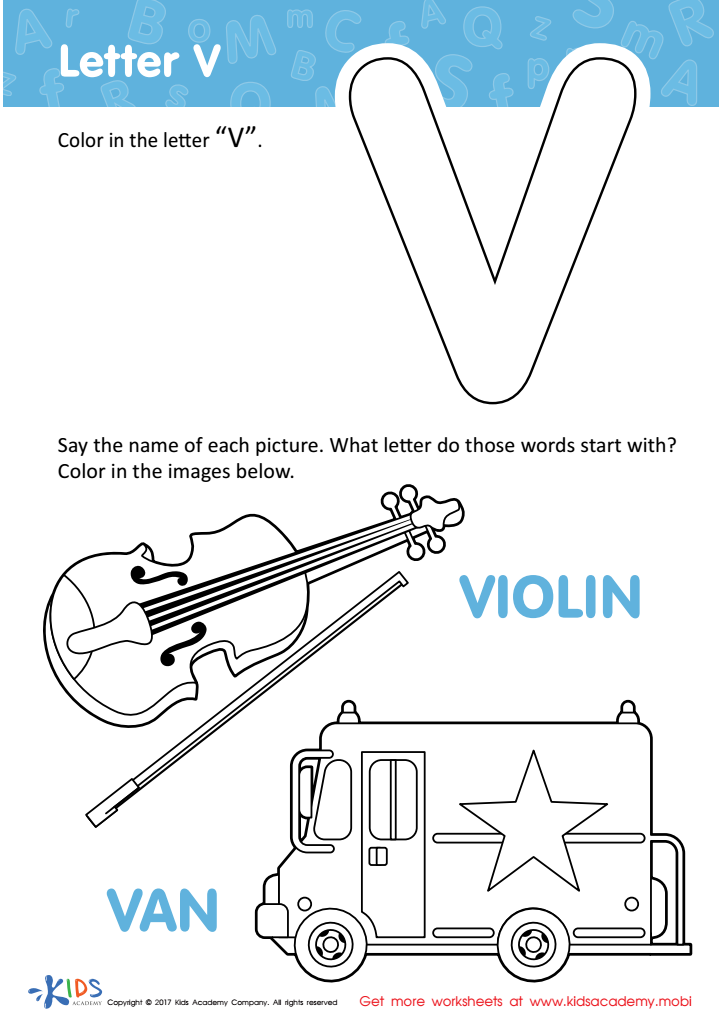
Letter V Coloring Sheet
Assign to My Students
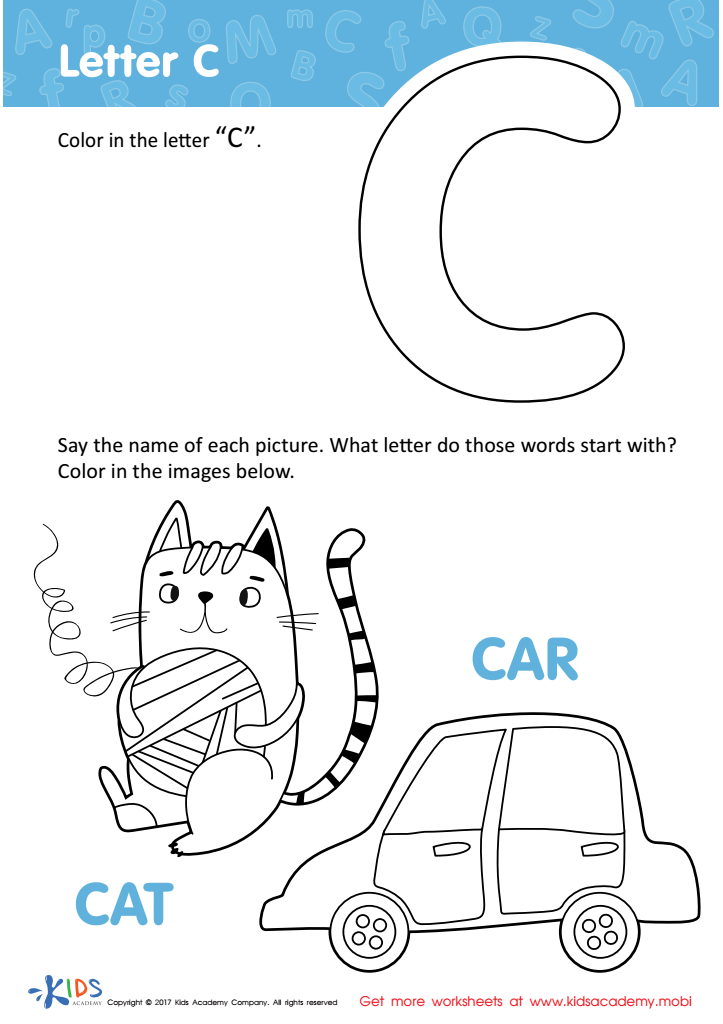
Letter C Coloring Sheet
Assign to My Students
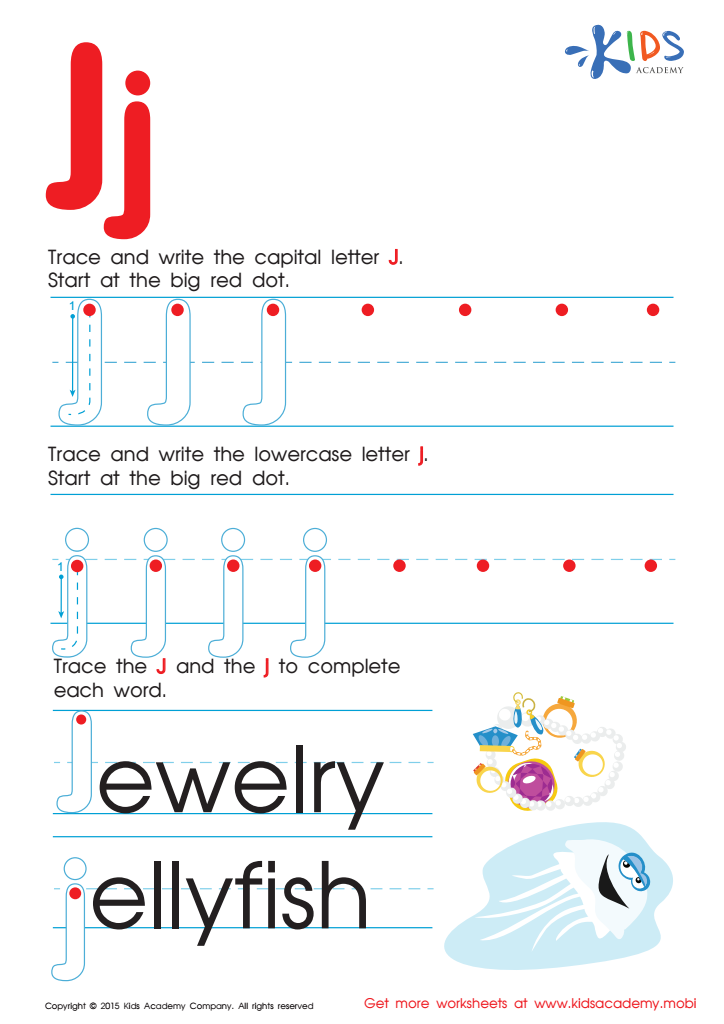
Letter J Tracing Page
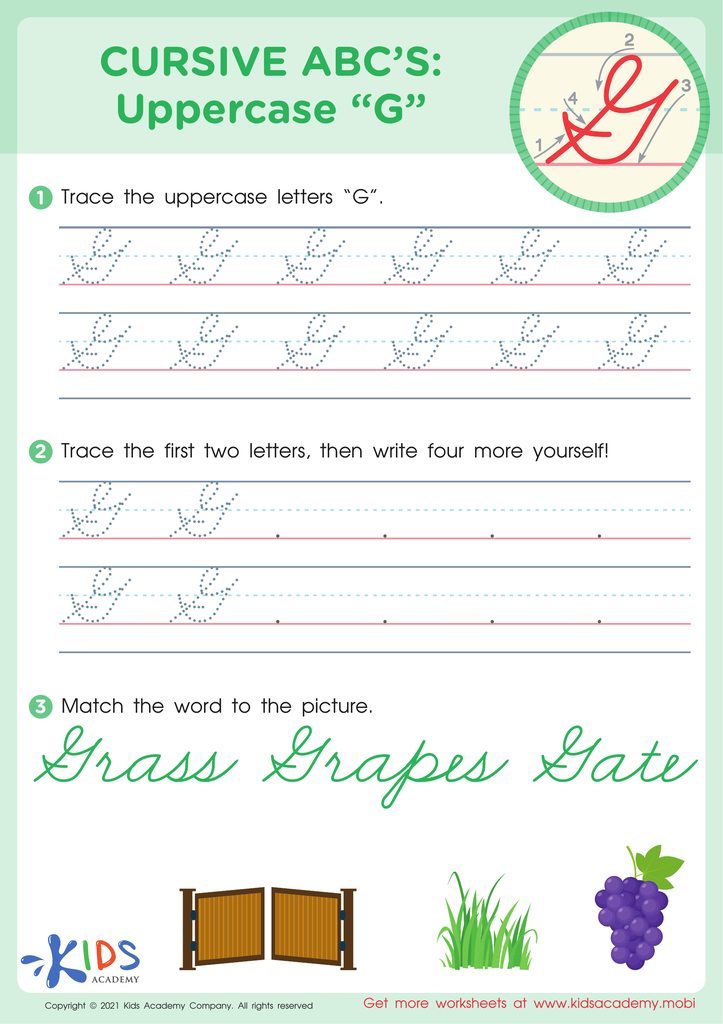
Cursive ABCs: Uppercase G
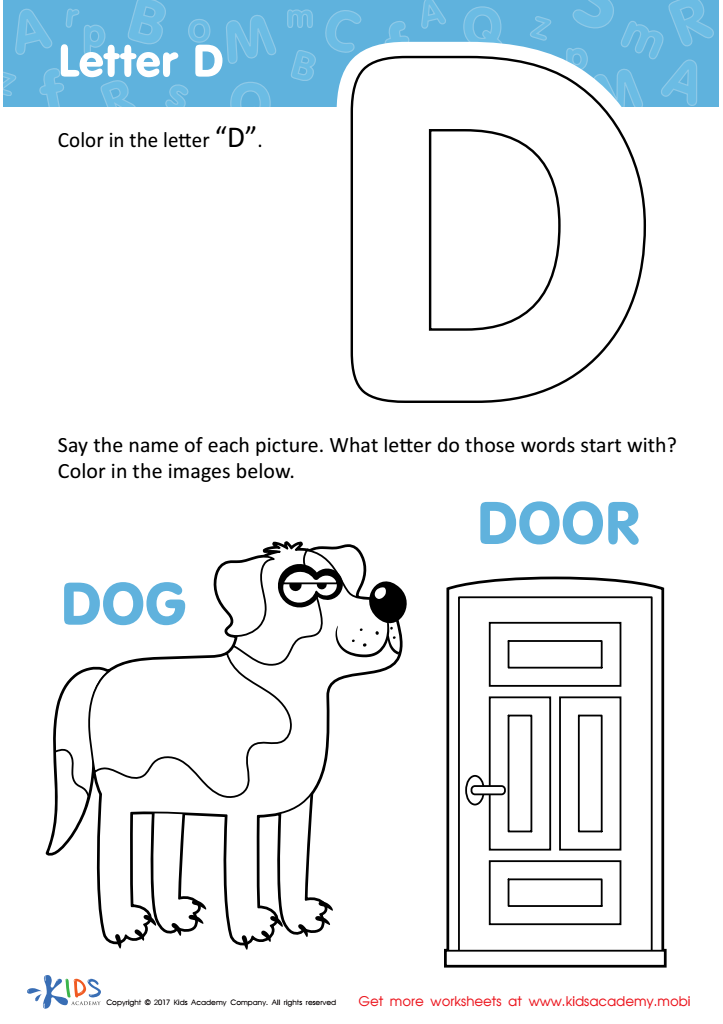
Letter D Coloring Sheet
Assign to My Students
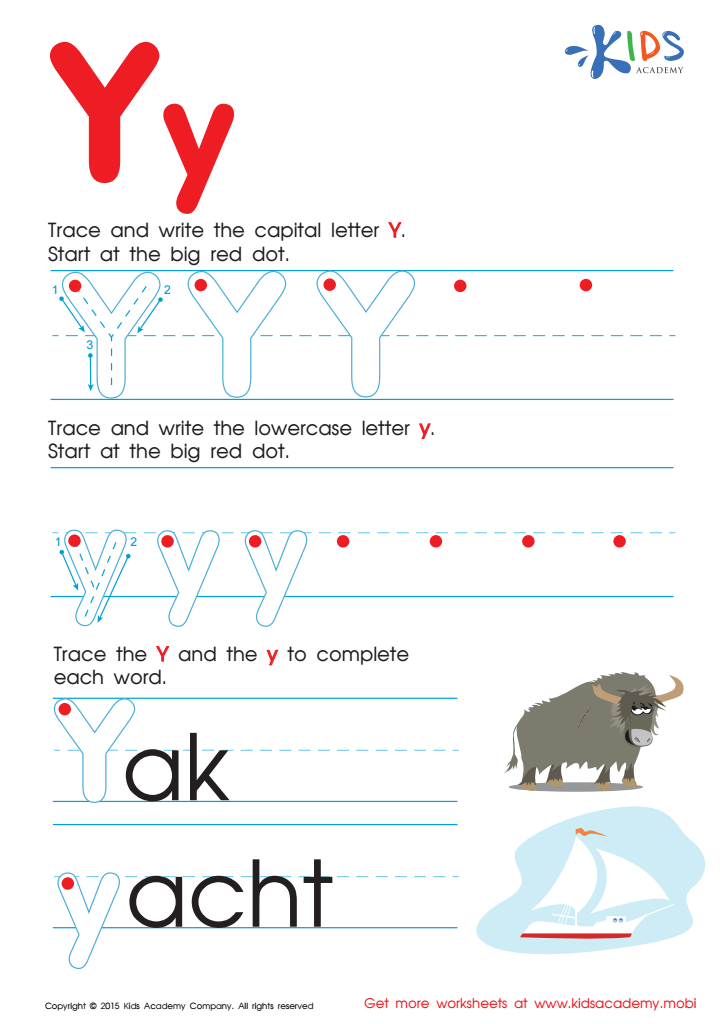
Letter Y Tracing Page








Alphabet recognition is a foundational skill that supports reading and writing, making it essential for children aged 8-9. At this age, children are transitioning from learning to read to reading to learn. A solid understanding of the alphabet enhances their ability to decode words, comprehend texts, and express themselves effectively in writing.
Parents and teachers should prioritize alphabet recognition because it boosts a child's confidence and interest in literacy. Proficiency in recognizing letters helps children tackle more complex texts and enhances their vocabulary and spelling skills. Critical thinking and comprehension skills also improve as they progress in their reading abilities.
Moreover, studies indicate that children who master alphabet recognition at an early stage are more likely to excel academically later on. This skill lays the groundwork for future literacy development, including phonemic awareness and fluency.
By fostering a love for the alphabet through interactive and engaging activities, parents and teachers can create a positive learning environment. This early foundational work impacts not just literacy, but overall academic success, ensuring that children feel prepared and motivated as they advance to more challenging educational material in subsequent years. Cultivating these skills now fosters lifelong learners equipped for future challenges.







