Fine Motor Skills Letter A Worksheets for Ages 8-9
3 filtered results
Difficulty Level
Grade
Age
-
From - To
Subject
Activity
Standards
Enhance your child’s fine motor skills with our engaging Letter A worksheets designed specifically for ages 8-9. These activities focus on improving dexterity and hand-eye coordination through fun and interactive tasks. Each worksheet encourages children to practice tracing, connecting dots, and coloring, all centered around the letter A. By engaging in these carefully crafted exercises, your child will develop essential skills that support their writing and overall academic success. Explore our printable resources to make learning the alphabet exciting and productive. Begin your child’s journey to mastering fine motor skills with our tailored Letter A worksheets today!
Favorites
With answer key
Interactive
Letter A Tracing Page
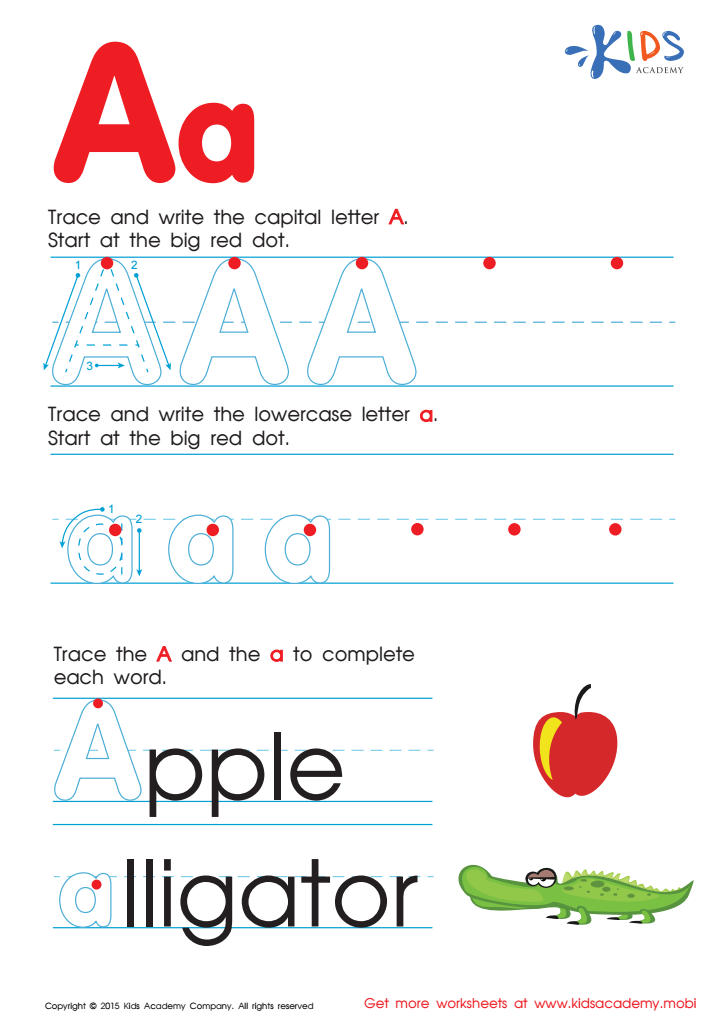
Trace and write the letter "A"! Start with the big red dot, then do the capital and lowercase versions. Then write it again with two words - apple and alligator. Download more tracing worksheets at Kids Academy.
Letter A Tracing Page
Worksheet
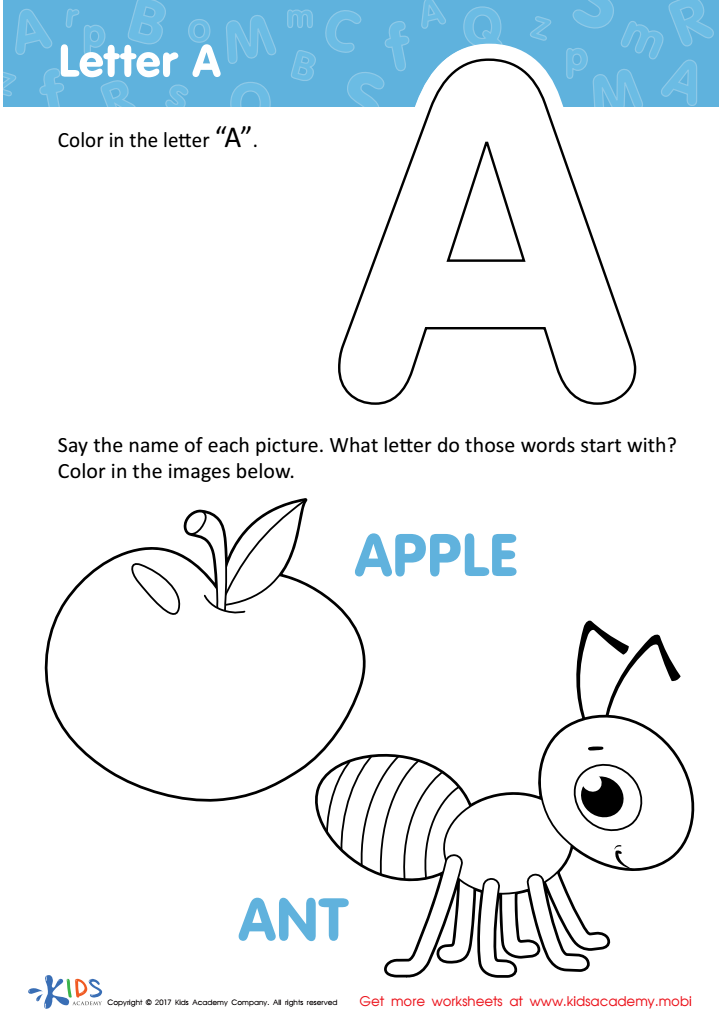
Letter A Coloring Sheet
This letter "A" coloring page is great for introducing kids to the alphabet! Let them exercise their creativity while they learn to recognize letters and sounds - it's a fun and easy way to help them get started.
Download (PDF)
 Assign to My Students
Assign to My Students
Letter A Coloring Sheet
Worksheet
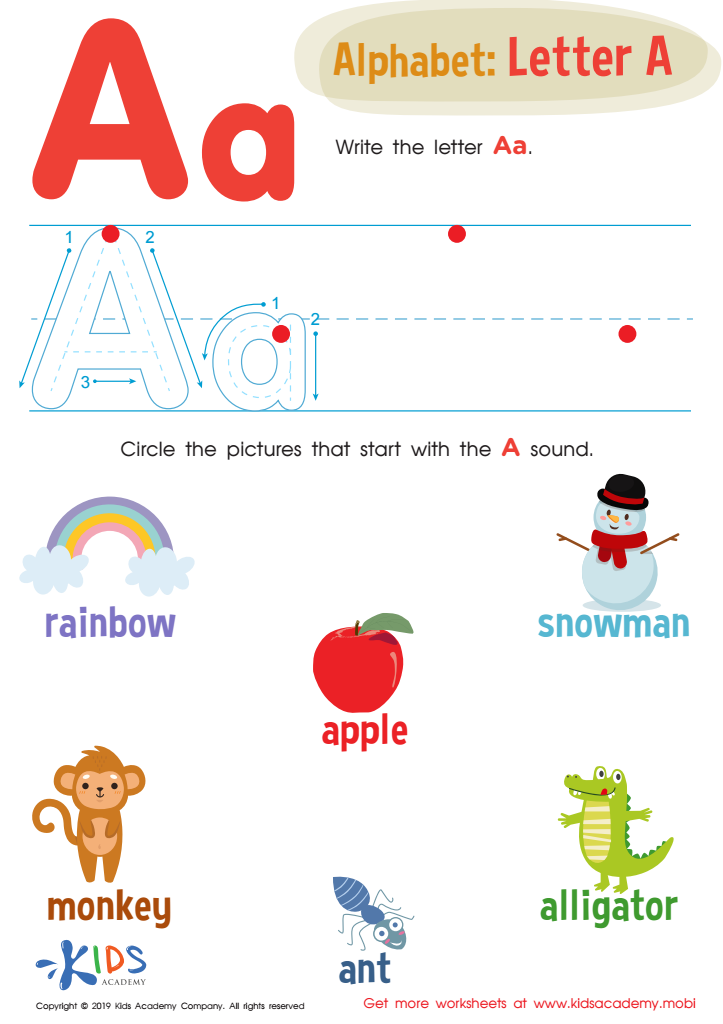
Letter A Tracing Worksheet
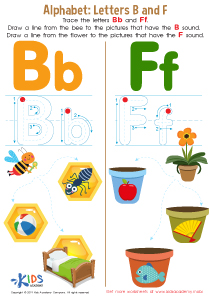
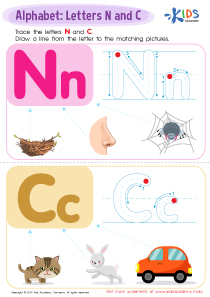
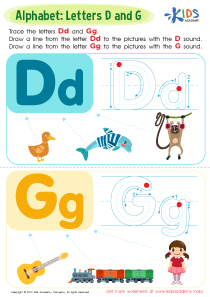
Learning the letter "A" is essential. This worksheet helps kids trace and write it, boosting their skill. They also circle pictures with the "A" sound, with both the word and picture provided. This helps them learn how to pronounce words like "apple" correctly.
Letter A Tracing Worksheet
Worksheet
Join Kids Academy for Free
Who is primarily going to use this learning content?








Fine motor skills are crucial for children aged 8-9 as they form the foundation for various tasks, both academic and everyday. The development of these skills involves coordination of small muscles in the hands and fingers, which are essential for writing, drawing, and manipulating small objects. When children master fine motor skills, such as those related to the letter "A," they improve their ability to form letters correctly, leading to better handwriting and less fatigue during writing tasks.
Moreover, fine motor skills are linked to cognitive development. Engaging in activities that enhance these skills can promote concentration, problem-solving, and creativity. When parents and teachers prioritize fine motor skill development, they provide children with opportunities for hands-on learning and crafting experiences, which are essential for engagement in the classroom.
By focusing on fine motor skills, caregivers also contribute to a child’s sense of accomplishment. Mastery of tasks related to fine motor coordination not only empowers children but also boosts their confidence. This can positively impact their willingness to tackle new challenges in both academic and personal domains. Therefore, it’s vital for parents and teachers to support the development of fine motor skills in children to promote their overall growth and success.