Fine Motor Skills Letter E Worksheets for Ages 8-9
3 filtered results
-
From - To
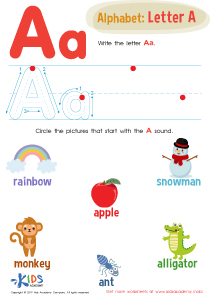
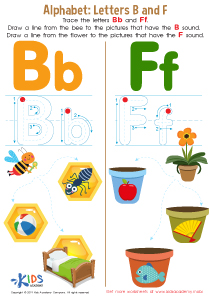
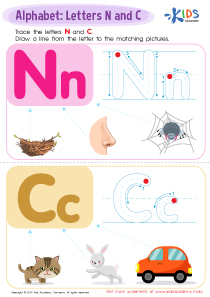
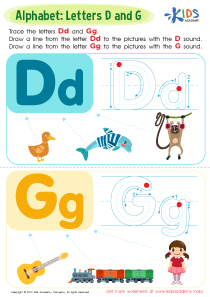
Enhance your child's fine motor skills with our engaging Letter E worksheets designed specifically for ages 8-9. These fun and interactive activities encourage kids to develop their hand-eye coordination and dexterity while mastering the letter E. From tracing to cutting and pasting, each worksheet offers a creative way for children to practice essential skills that support their writing development. Perfect for at-home learning or classroom activities, our worksheets not only promote fine motor proficiency but also make learning the alphabet enjoyable. Explore our collection and watch your child gain confidence as they master the letter E through play-based learning!
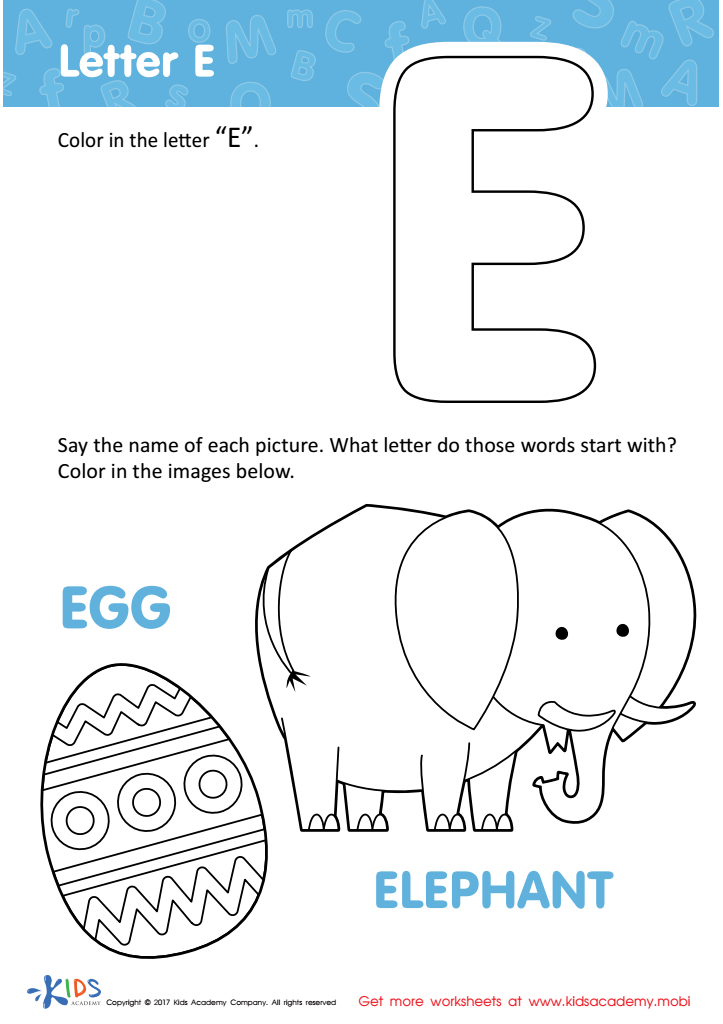
Letter E Coloring Sheet
 Assign to My Students
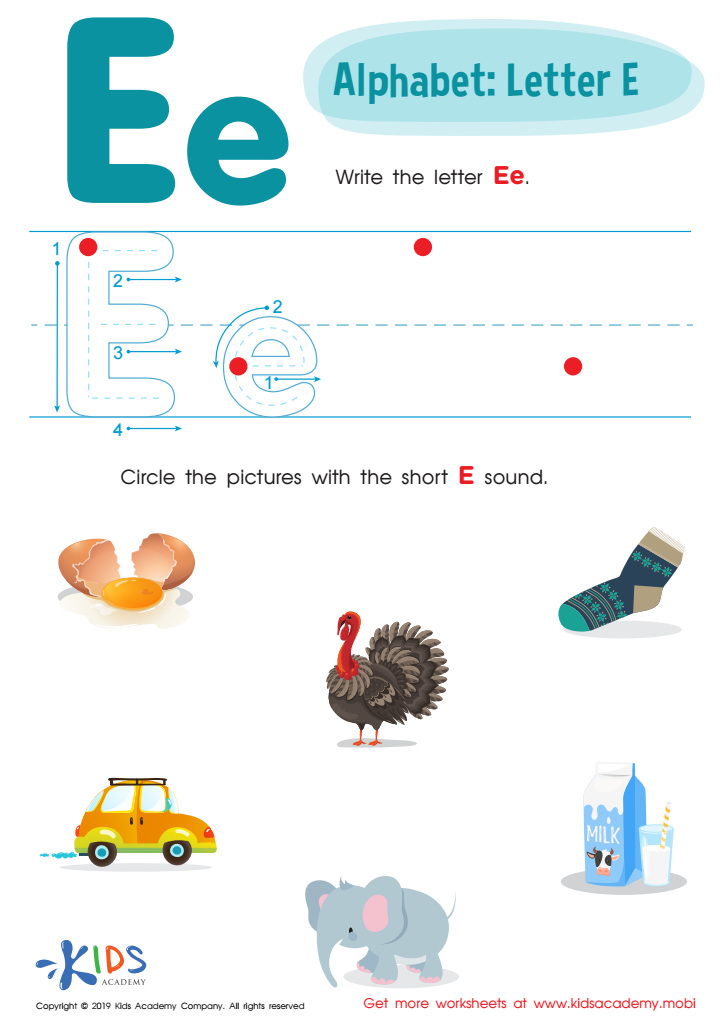
Letter E Tracing Worksheet
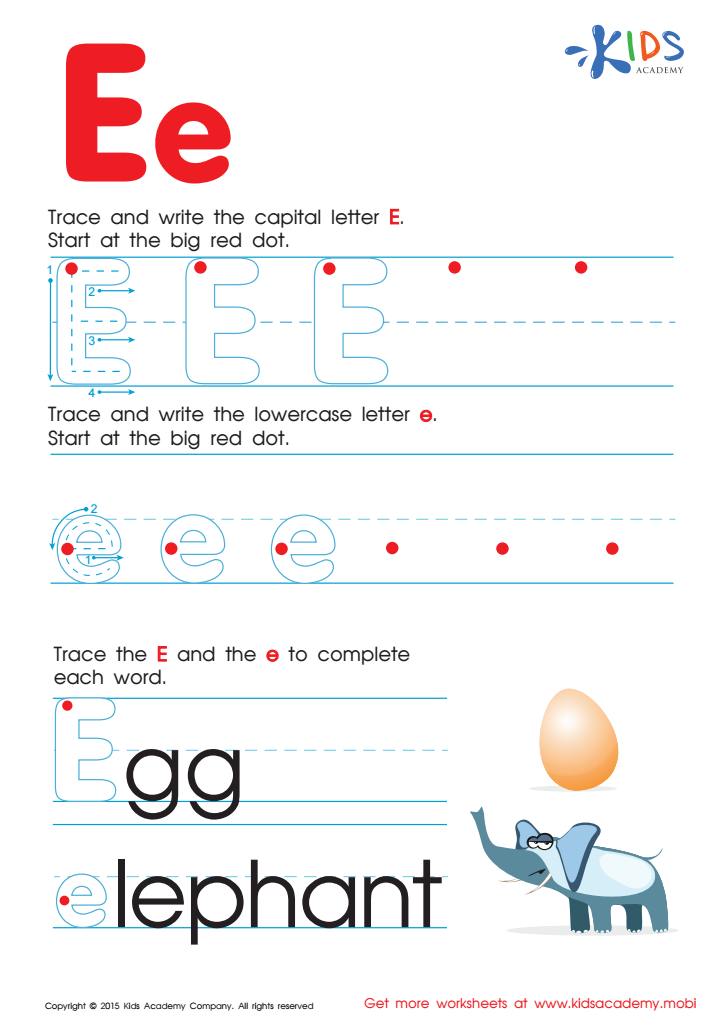
Letter E Tracing Page







Fine motor skills are crucial for children aged 8-9 as they directly impact various aspects of their development and daily functions. At this age, children are refining their ability to control hand movements, which is essential for tasks like writing, drawing, and using tools. These skills involve the coordination of small muscles, particularly in the hands and fingers, which allows for better manipulation of objects such as pencils, scissors, and buttons.
Focusing on fine motor skills can enhance academic performance. For instance, well-developed fine motor abilities improve handwriting neatness and speed, allowing students to express their ideas more effectively during writing assignments. Additionally, these skills help in the successful completion of crafts and other creative projects, fostering a sense of accomplishment and boosting self-esteem.
Furthermore, fine motor skills are linked to cognitive development. Engaging in activities that promote these skills can enhance hand-eye coordination, spatial awareness, and concentration. As a result, children develop important problem-solving strategies and critical thinking abilities.
For parents and teachers, encouraging activities that promote fine motor skill development, such as puzzles, arts and crafts, or even simple tasks like buttoning a shirt, is vital in supporting children’s overall growth, independence, and confidence during these formative years.