Enhance reading comprehension Worksheets for Ages 8-9
5 filtered results
-
From - To
Boost your child’s reading comprehension skills with our engaging worksheets designed for ages 8-9! Each printable resource promotes critical thinking through age-appropriate stories, questions, and activities tailored to enhance understanding and retention. Children will explore various genres, make connections, and improve their ability to analyze text, making reading both fun and educational. Our worksheets not only support classroom learning but also encourage independent practice at home. With a blend of creative exercises and challenges, your young reader will gain confidence and become a more proficient reader. Start enriching their reading experience today and watch them thrive in literacy!
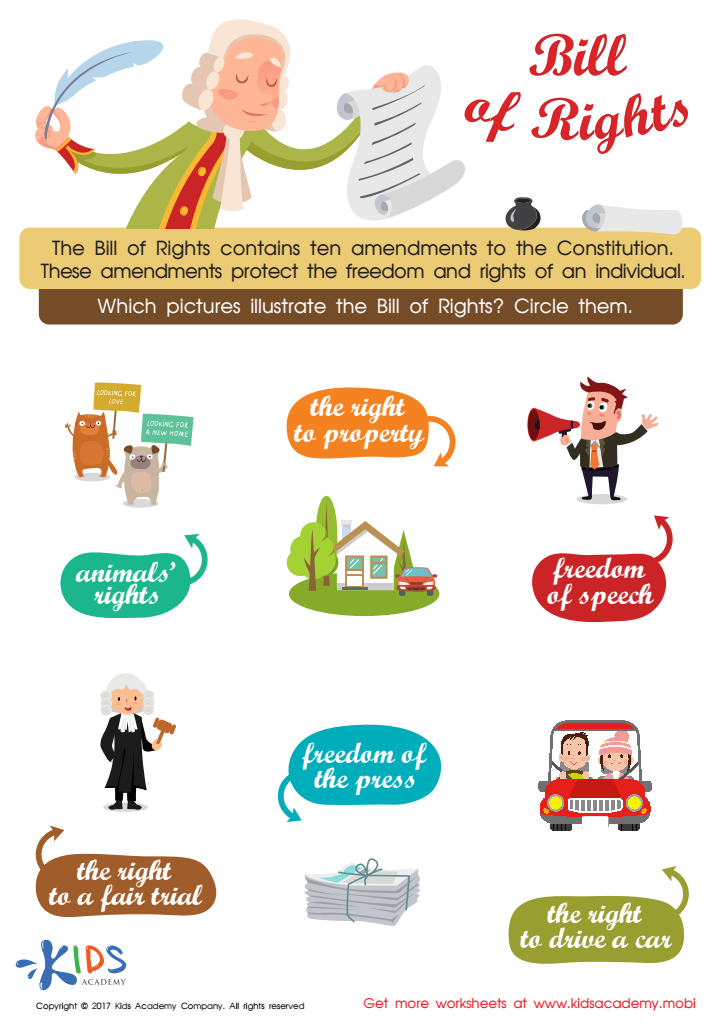
Bill of Rights Worksheet
 Assign to My Students
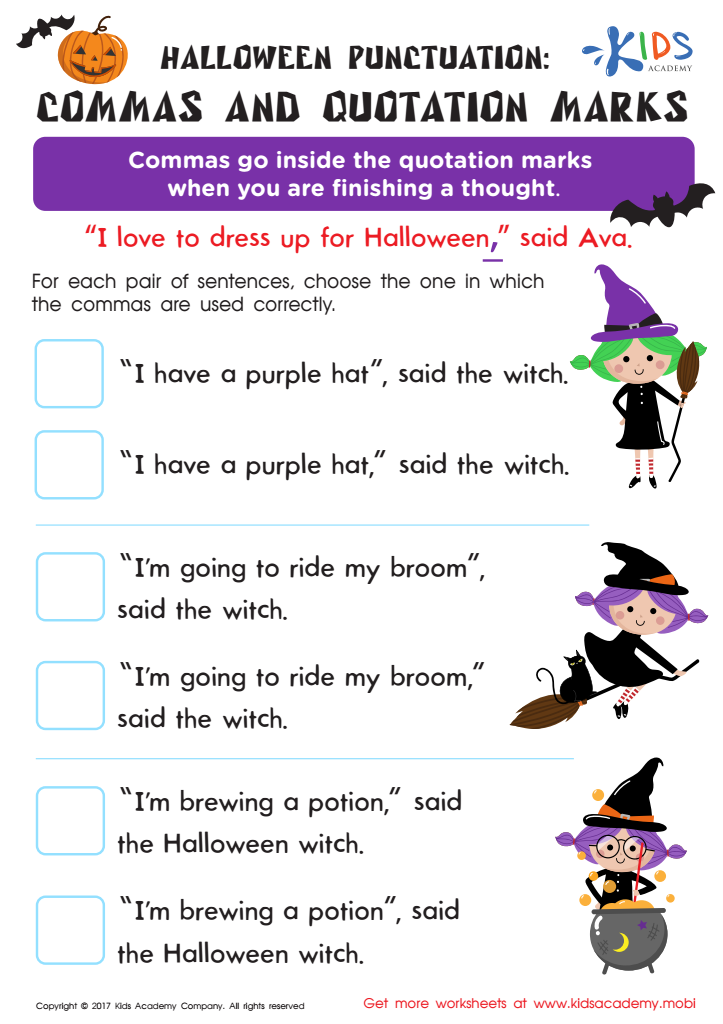
Quotation Marks Worksheet
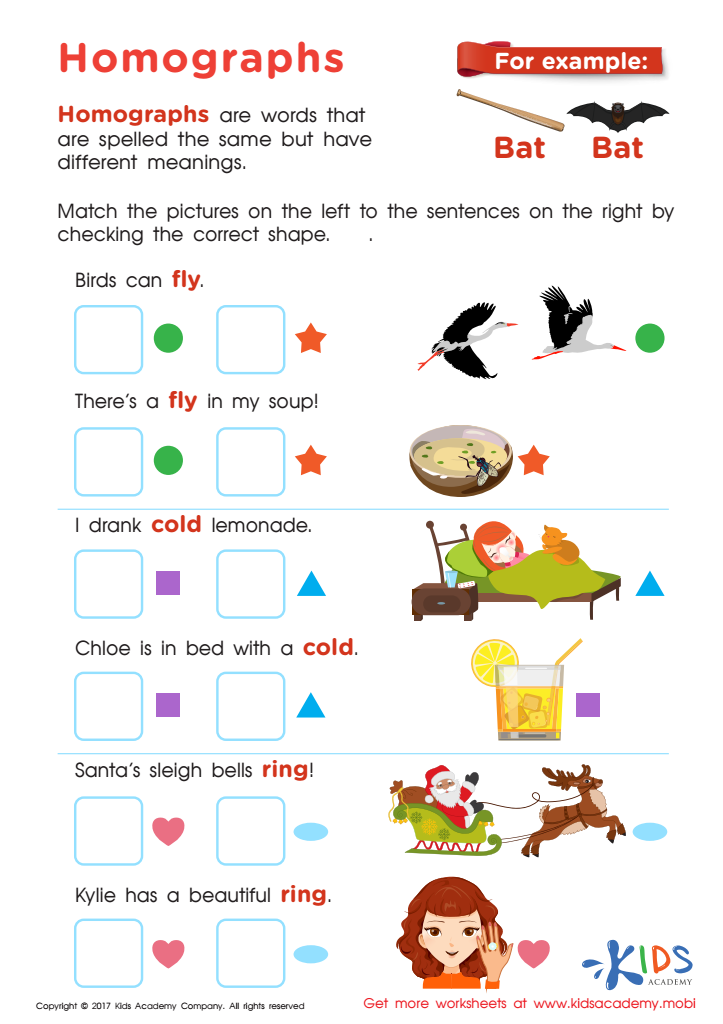
Homographs Free Printable Worksheet
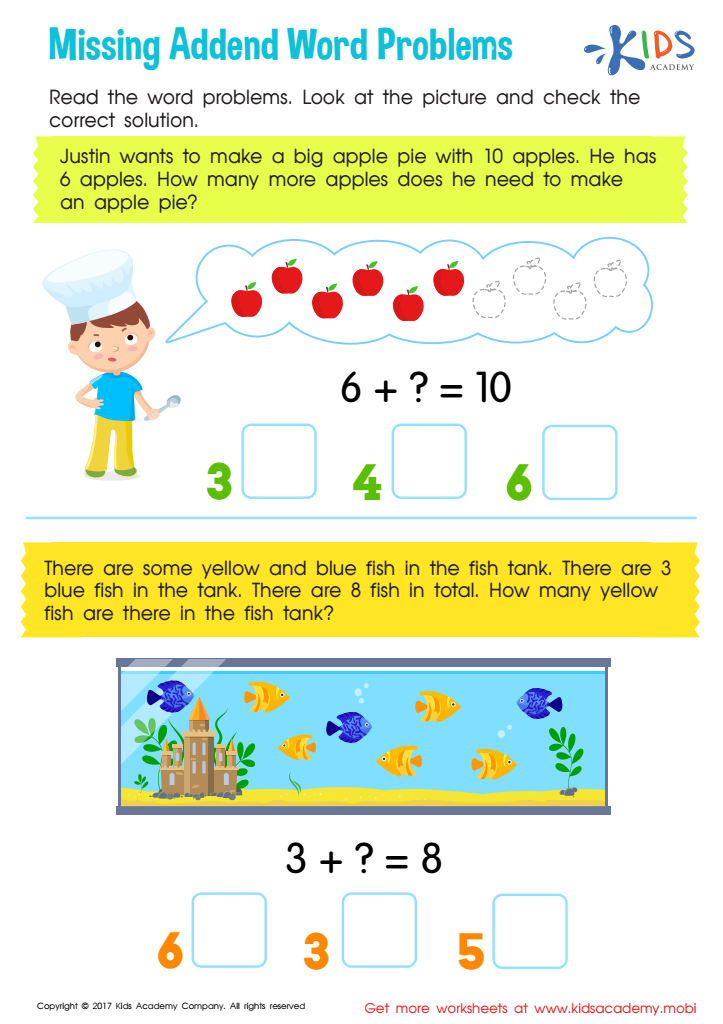
Missing Addend Word Problems Worksheet



.jpg)




Enhancing reading comprehension for children aged 8-9 is crucial for their academic and personal development. At this age, children are transitioning from learning to read to reading to learn. Strong comprehension skills enable them to grasp complex concepts across subjects, fostering a deep understanding of math, science, and social studies. Without solid reading comprehension, students may struggle with not only literacy but with overall academic performance, which can impact their self-esteem and motivation.
Moreover, proficient reading comprehension allows children to engage with diverse texts, encouraging independent thought and critical analysis. By nurturing these skills, parents and teachers empower children to explore varied perspectives and develop empathy. Personalized reading strategies—such as discussions about stories, predicting outcomes, and summarizing key points—can enhance engagement and retention.
Furthermore, strong reading comprehension lays the foundation for lifelong learning, as effective readers are more likely to pursue educational opportunities and enjoy reading for pleasure. It fosters communication skills, as children learn to articulate their thoughts clearly. In a world where information is constant and evolving, the ability to understand and analyze text is more important than ever, making it essential for educators and parents to prioritize this developmental milestone.








