Enhancing observational skills Worksheets for Ages 8-9
6 filtered results
-
From - To
Boost your child's attention to detail with our "Enhancing Observational Skills Worksheets for Ages 8-9." Tailored to engage curious minds, these worksheets are designed to refine kids' visual and cognitive skills. Through fun and educational activities like spot the difference, matching games, and hidden object challenges, your child will sharpen their focus, memory, and problem-solving abilities. Perfect for home or classroom use, these printable worksheets offer a variety of stimulating exercises that keep learning exciting and effective. Help your 8-9-year-old develop critical observational skills that are essential for academic success and everyday tasks. Download now and start the adventure!
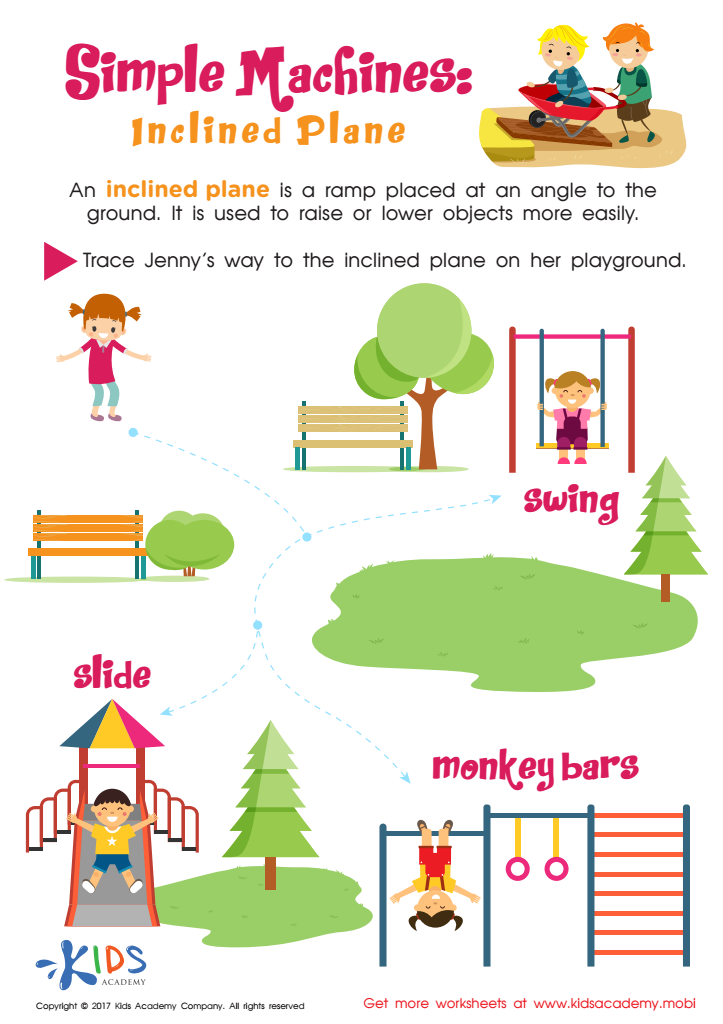
Simple Machines Inclined Plane Worksheet
 Assign to My Students
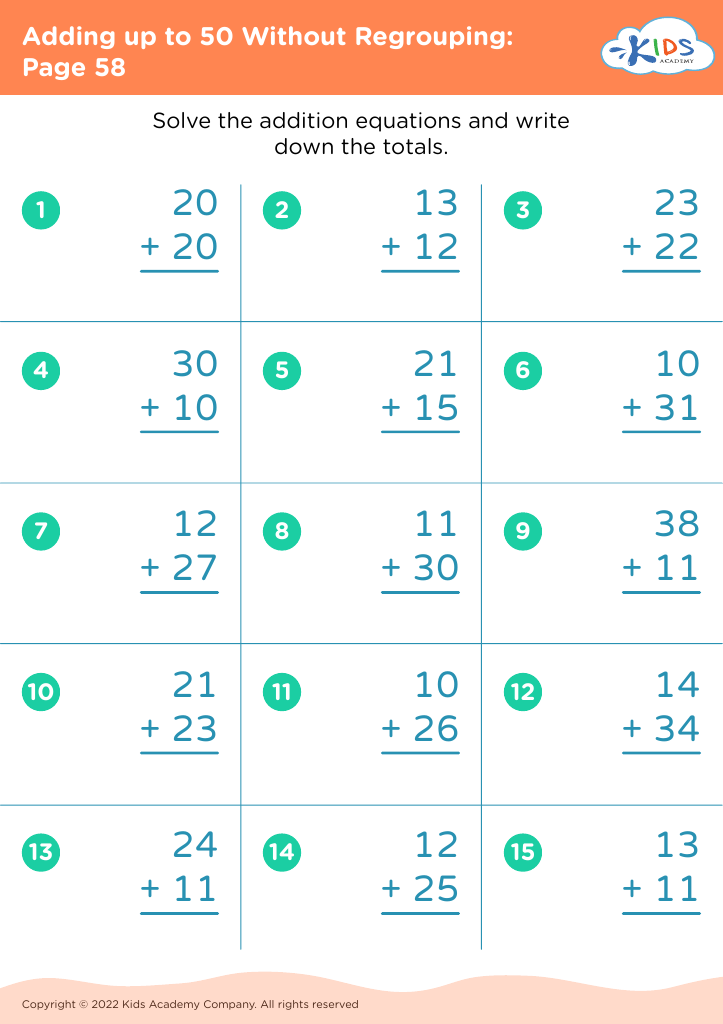
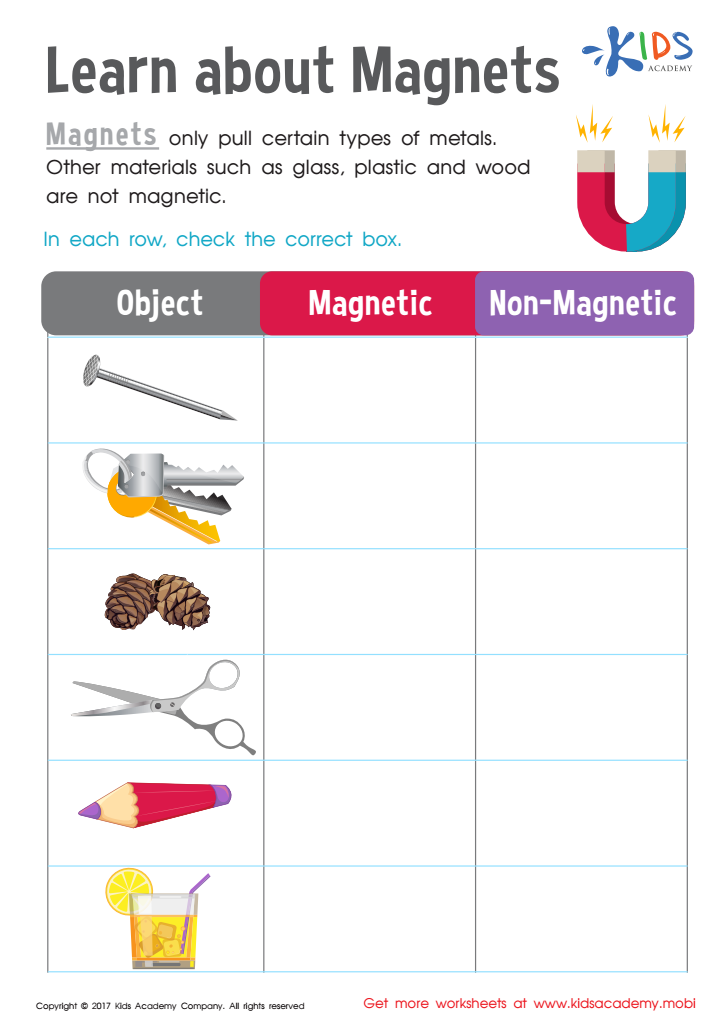
Magnetic Or Not Worksheet
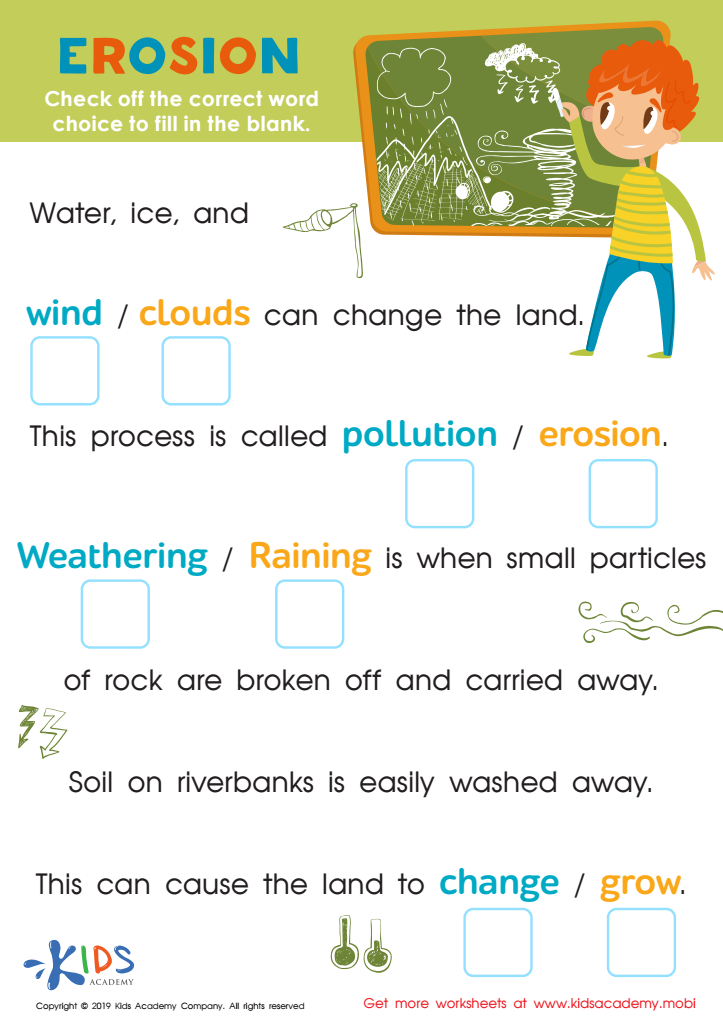
Erosion Worksheet
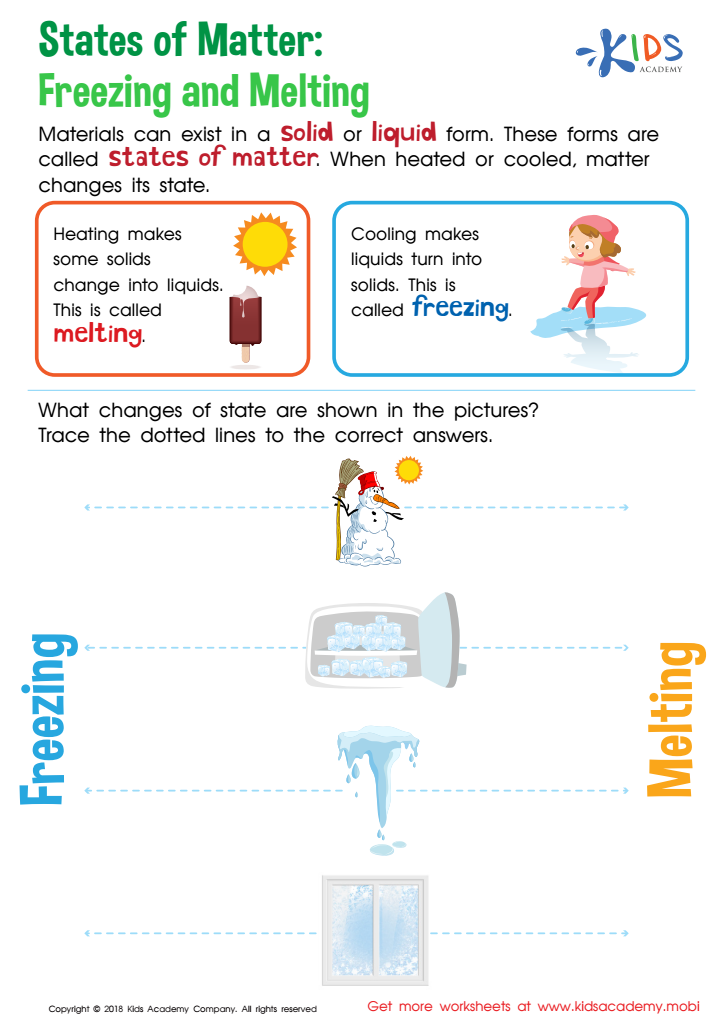
States of Matter: Freezing and Melting Worksheet
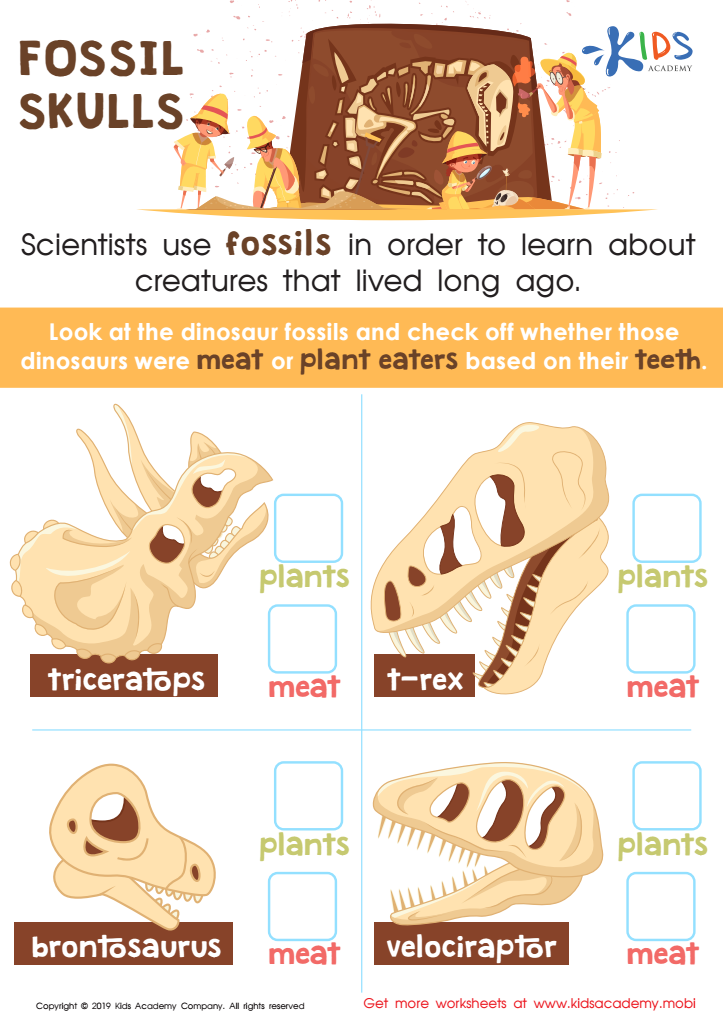
Fossil Skulls Worksheet








Enhancing observational skills in children aged 8-9 is crucial for several reasons that benefit their developmental and academic journey. At this age, children are naturally curious, and honing their ability to notice and interpret subtle details can significantly enrich their learning experiences. Strong observational skills help children gather and process information effectively, laying a robust foundation for subjects like science, reading, and mathematics. In science, for instance, carefully observing experiments teaches critical thinking and hypothesizing. In reading, attention to detail enhances comprehension and enables children to pick up on nuanced story elements.
Moreover, good observational skills support social development. Children learn to understand non-verbal cues and facial expressions, improving their empathy and interpersonal relationships. This keen awareness helps them navigate social situations more effectively, fostering better communication and collaboration. Additionally, observational skills are tied to higher mindfulness and concentration levels. These are essential attributes for maintaining focus in class and during homework, promoting a more disciplined and thoughtful approach to work.
Teachers and parents thus play a vital role in nurturing these skills through interactive activities, discussions, and real-life explorations. By encouraging children to observe their surroundings consciously, adults can help create lifelong learners who are well-equipped to analyze and adapt to the world around them.








