Enhance your child's number recognition skills with our engaging worksheets designed specifically for ages 8-9. These activities focus on reinforcing numeric concepts through fun exercises, helping kids master essential counting and number identification. Our worksheets feature a variety of colorful games and challenges that make learning enjoyable, ensuring your young learner remains motivated and engaged. With a blend of straightforward activities and creative thinking tasks, these resources will assist in building a strong foundation in numeracy. Perfect for use at home or in the classroom, these worksheets provide a comprehensive approach to mastering numbers, setting the stage for future math success!
Check out this FREE "Improve number recognition" Trial Lesson for age 8-9!

Match Objects that Fit Together

Favorites
With answer key
Interactive
  • 8-9
  • Improve number recognition
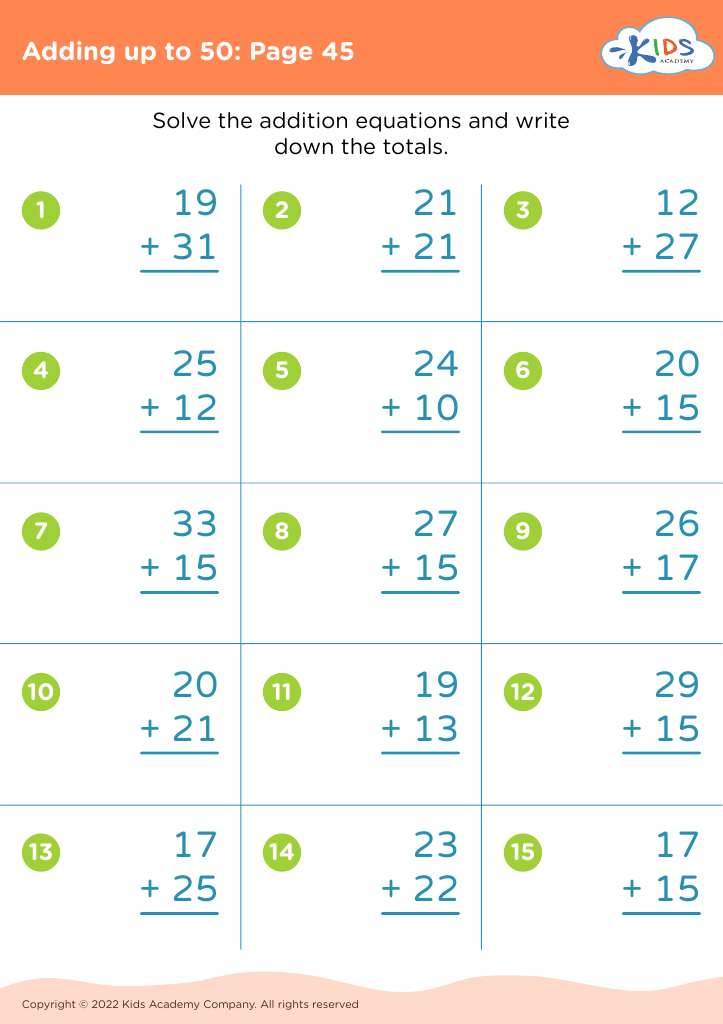
Adding up to 50: Page 45

Adding up to 50: Page 45

Adding up to 50: Page 45
Worksheet
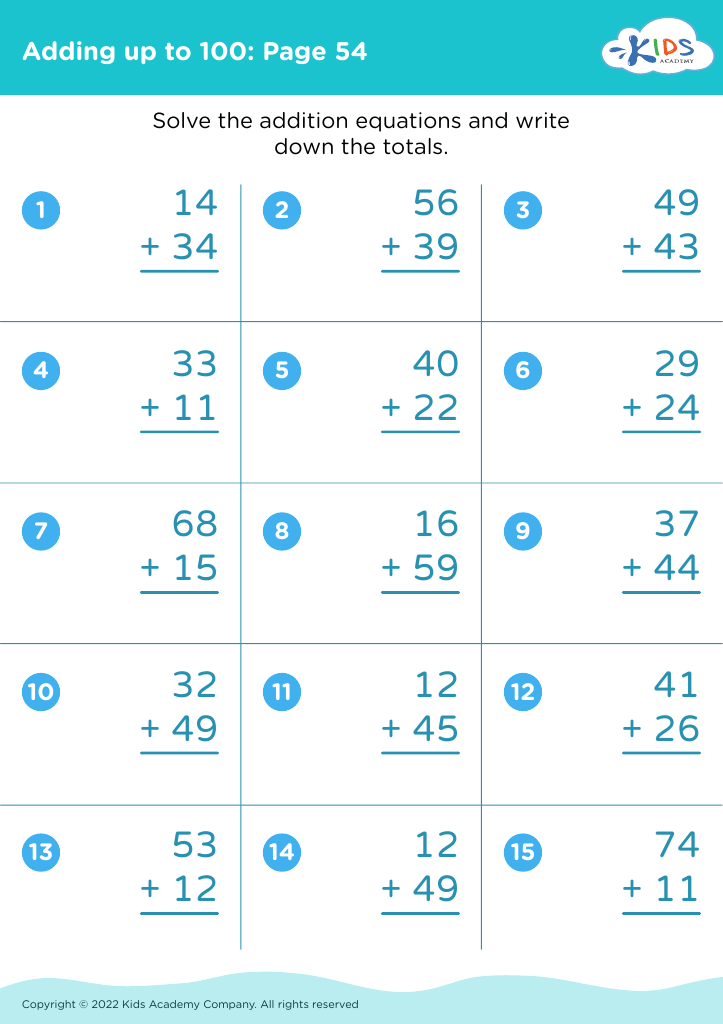
Adding up to 100: Page 54

Adding up to 100: Page 54

Adding up to 100: Page 54
Worksheet
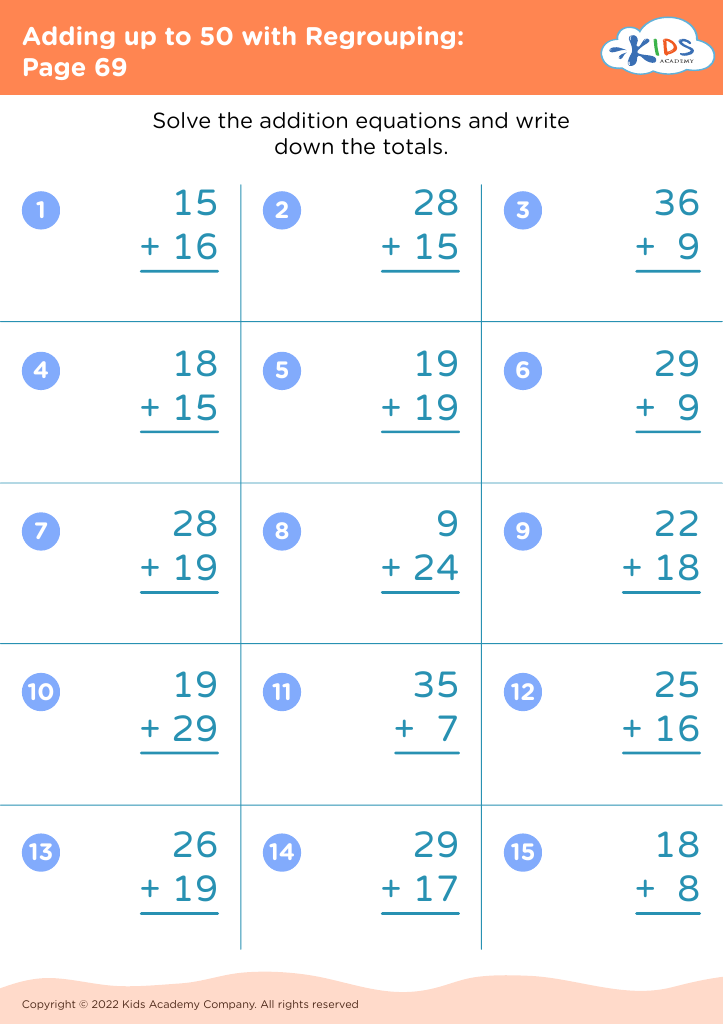
Adding up to 50 with Regrouping: Page 69
Worksheet
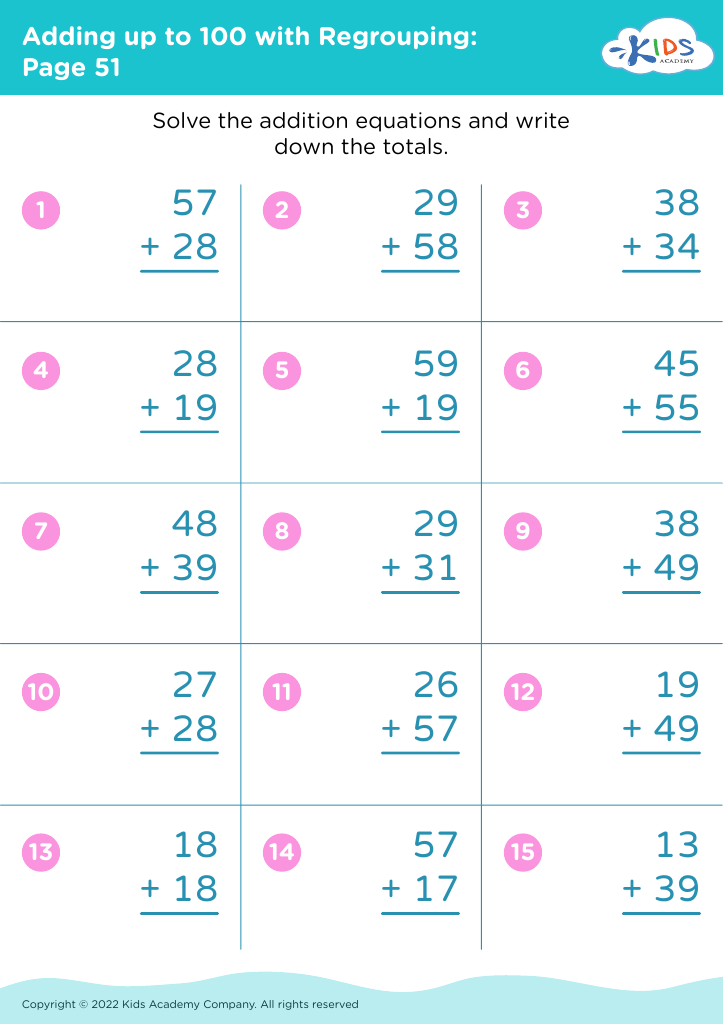
Adding up to 100 with Regrouping: Page 51
Worksheet
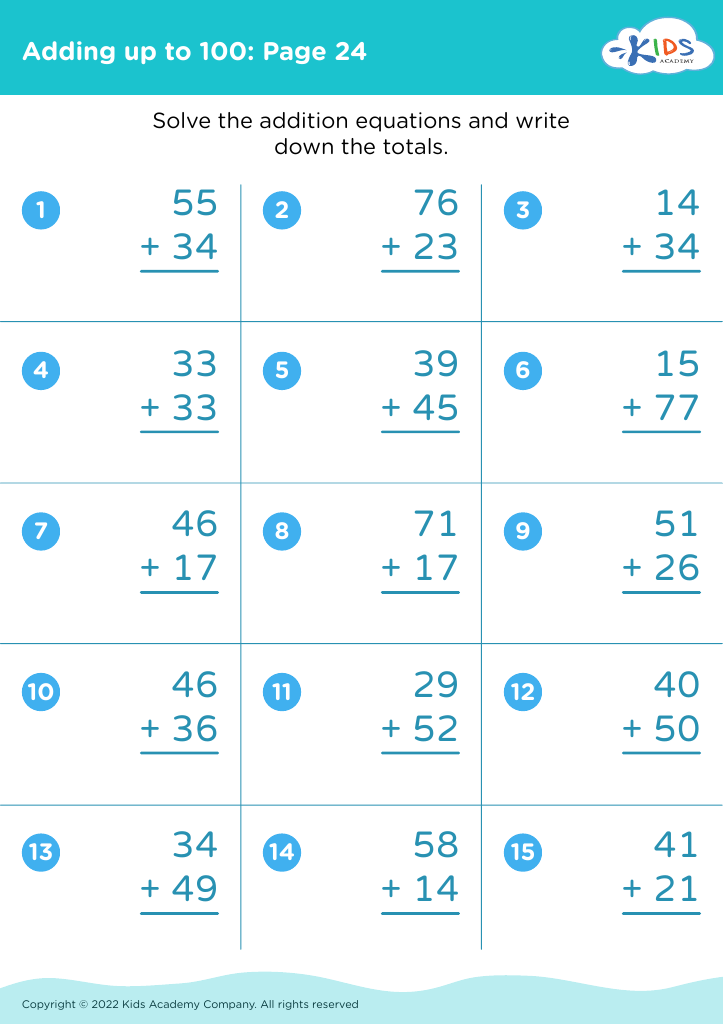
Adding up to 100: Page 24

Adding up to 100: Page 24

Adding up to 100: Page 24
Worksheet
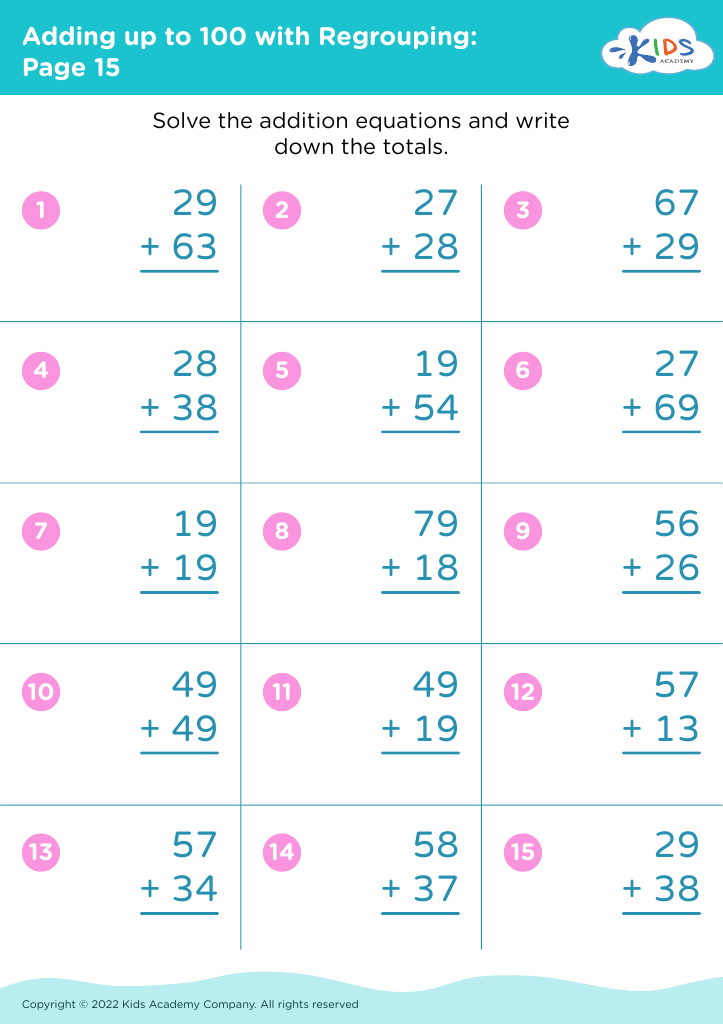
Adding up to 100 with Regrouping: Page 15
Worksheet
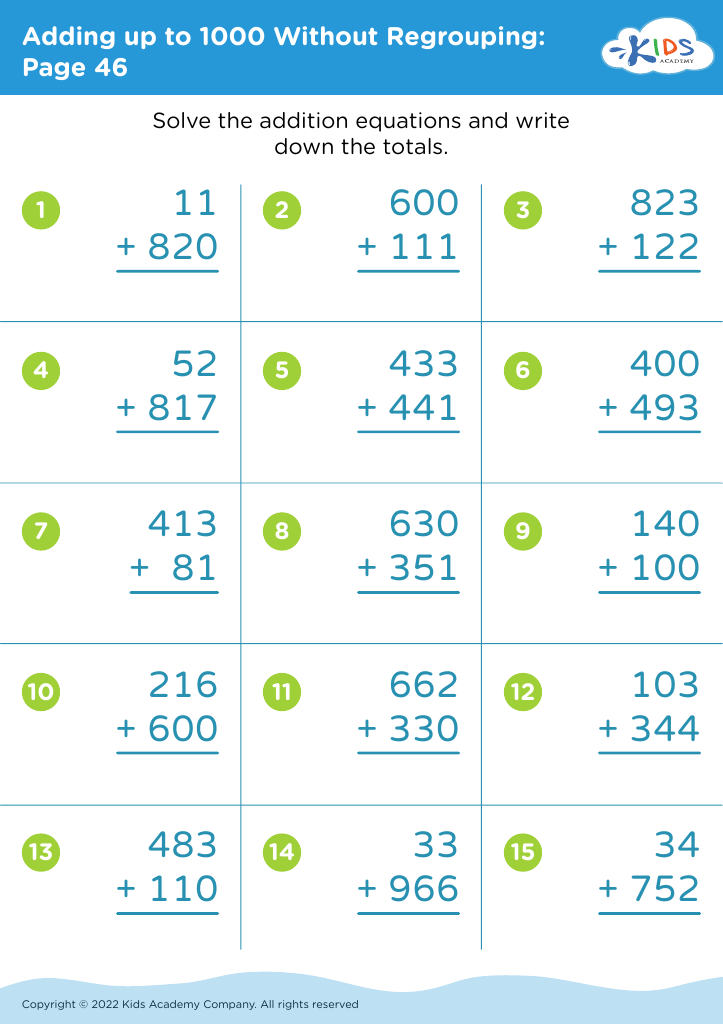
Adding up to 1000 Without Regrouping: Page 46
Worksheet
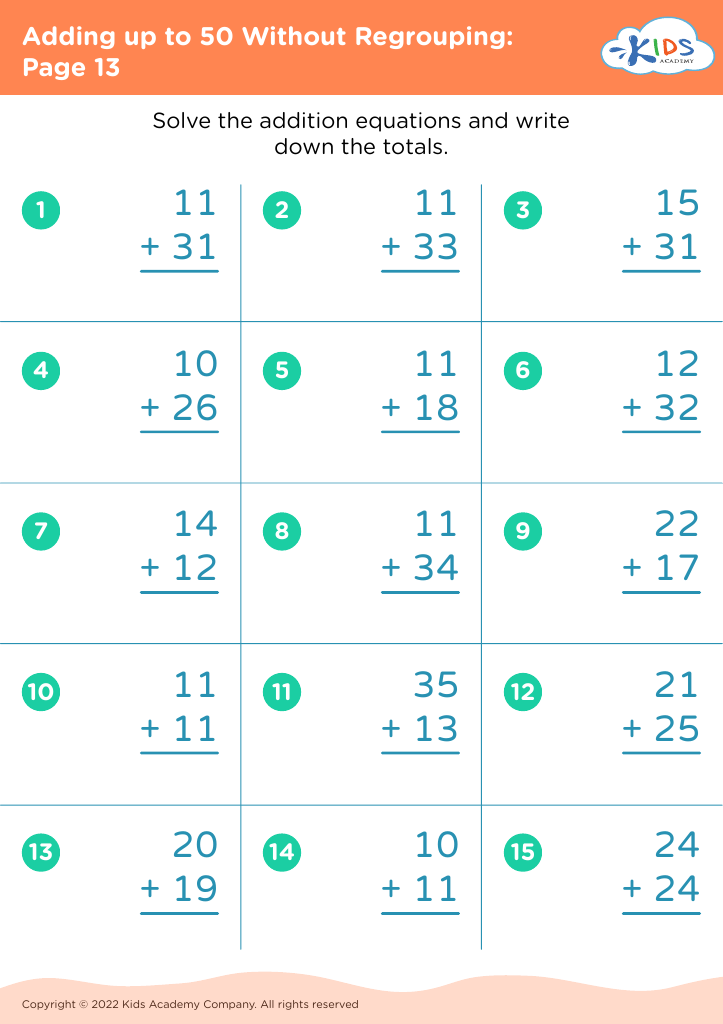
Adding up to 50 Without Regrouping: Page 13
Worksheet
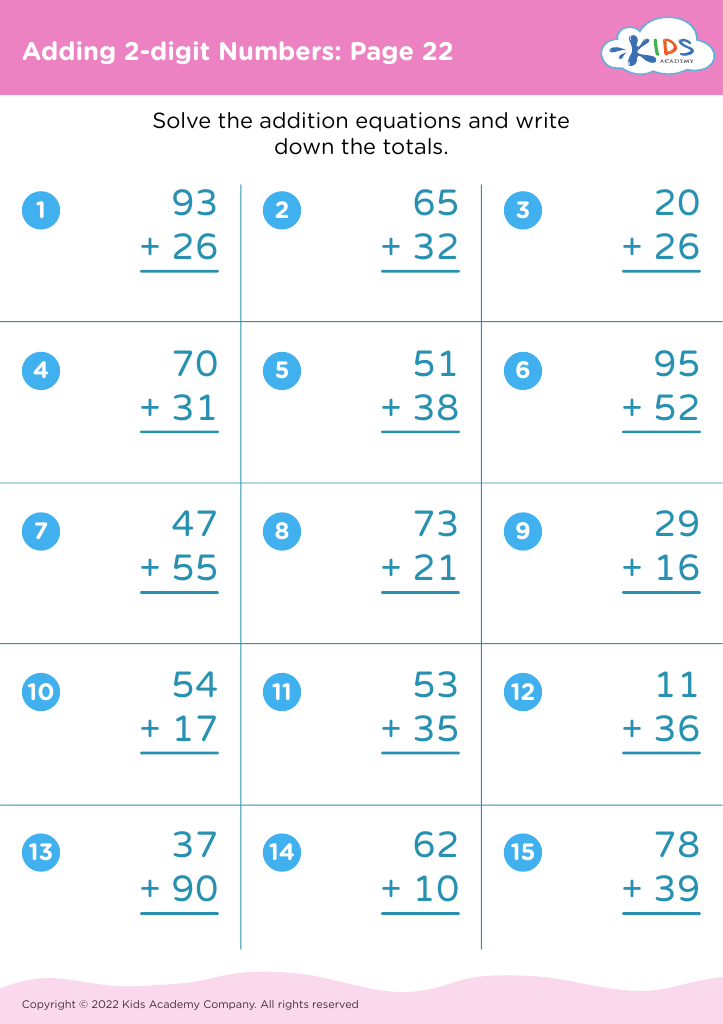
Adding 2-digit Numbers: Page 22

Adding 2-digit Numbers: Page 22

Adding 2-digit Numbers: Page 22
Worksheet
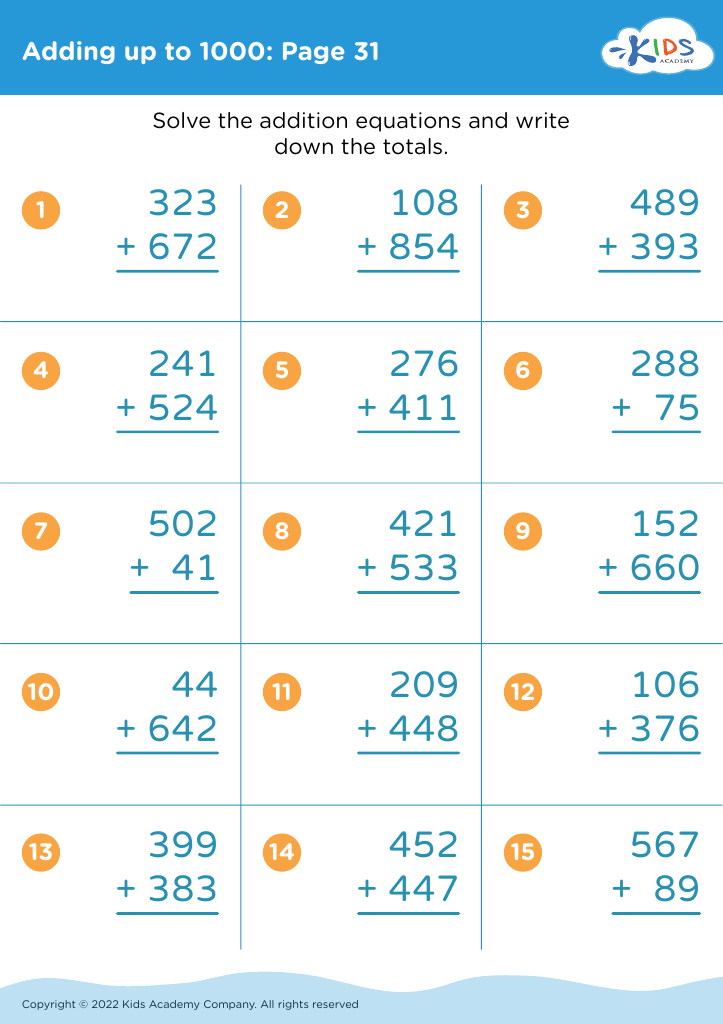
Adding up to 1000: Page 31

Adding up to 1000: Page 31

Adding up to 1000: Page 31
Worksheet
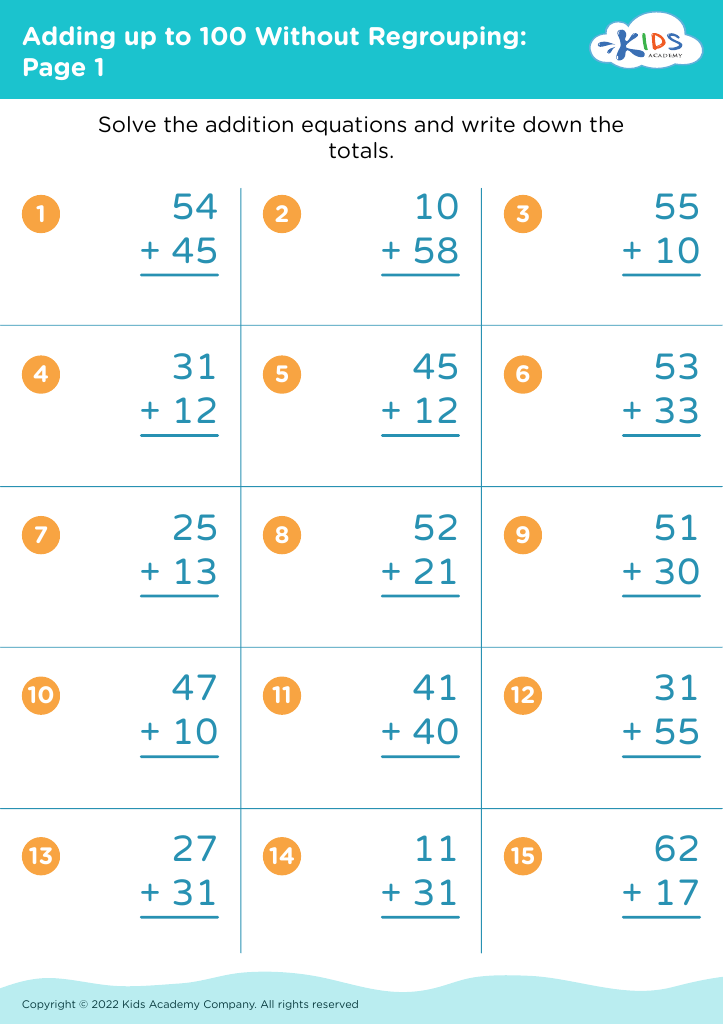
Adding up to 100 Without Regrouping: Page 1
Worksheet
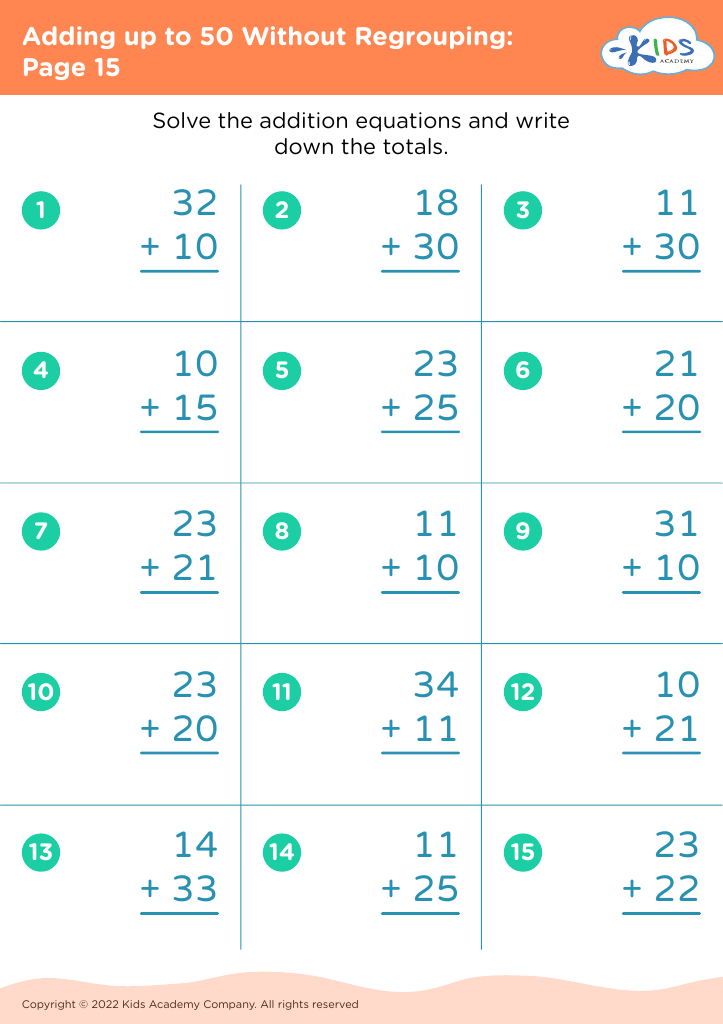
Adding up to 50 Without Regrouping: Page 15
Worksheet
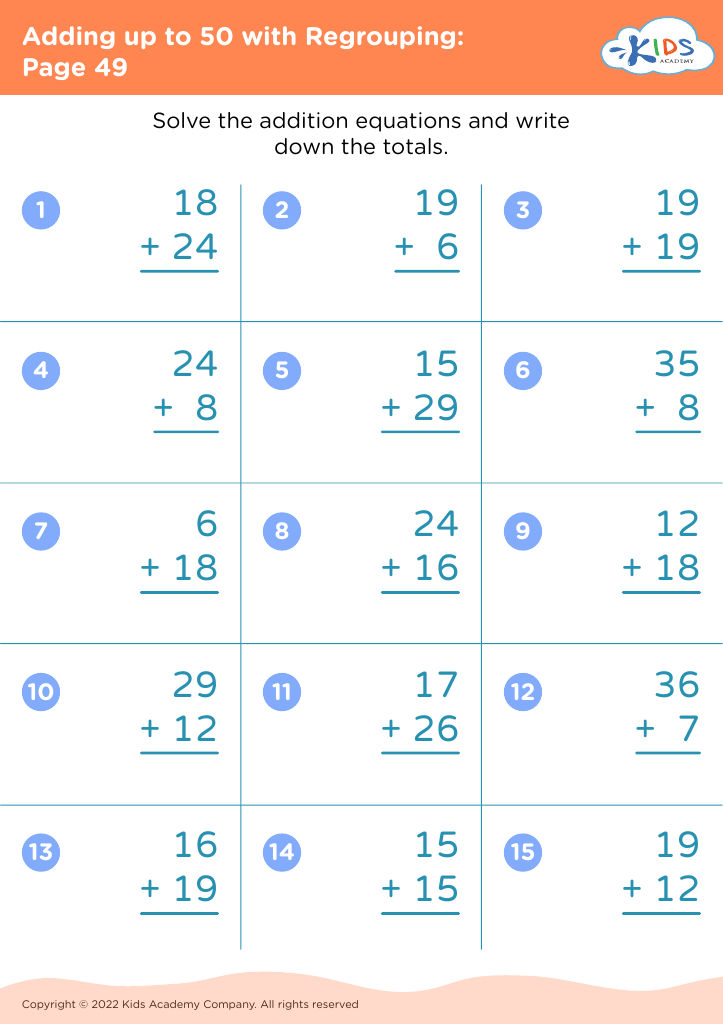
Adding up to 50 with Regrouping: Page 49
Worksheet
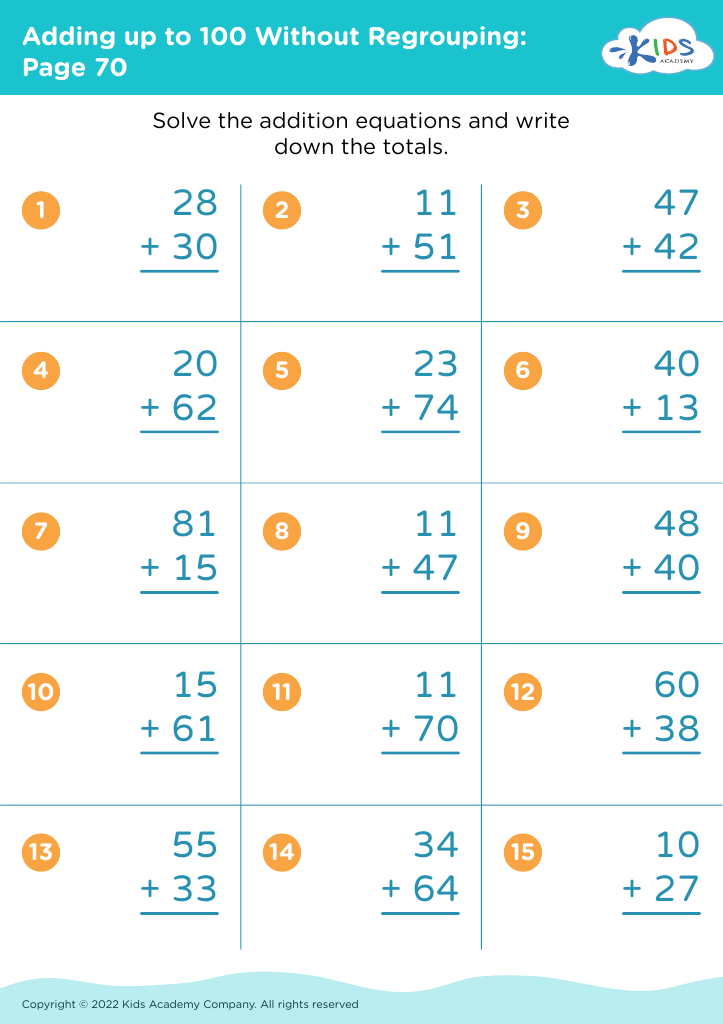
Adding up to 100 Without Regrouping: Page 70
Worksheet
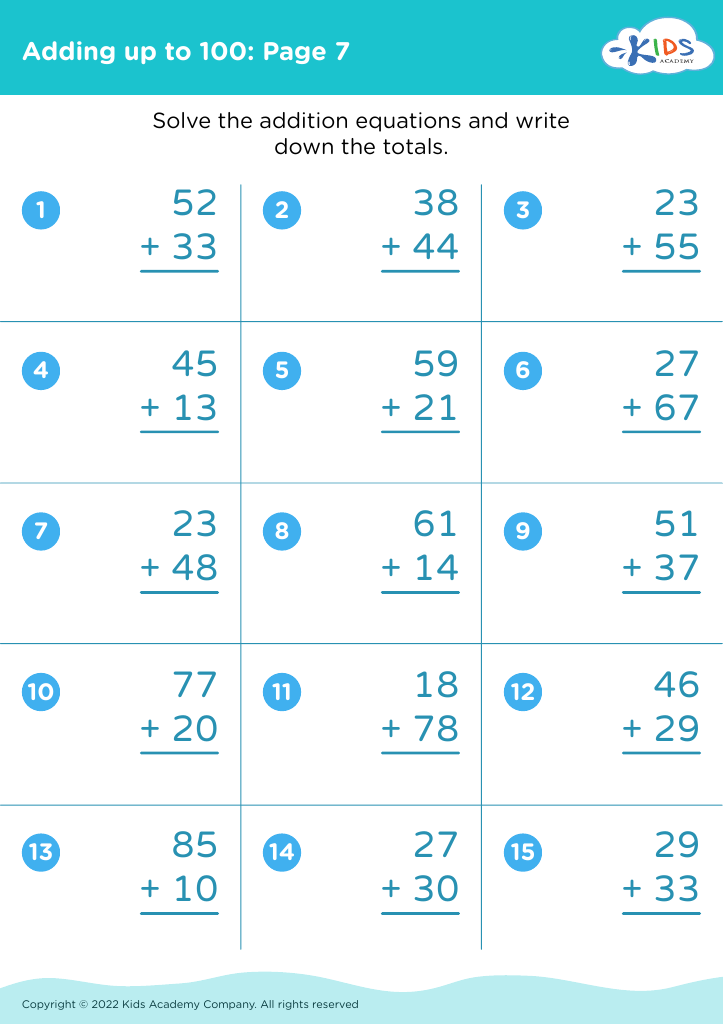
Adding up to 100: Page 7

Adding up to 100: Page 7

Adding up to 100: Page 7
Worksheet
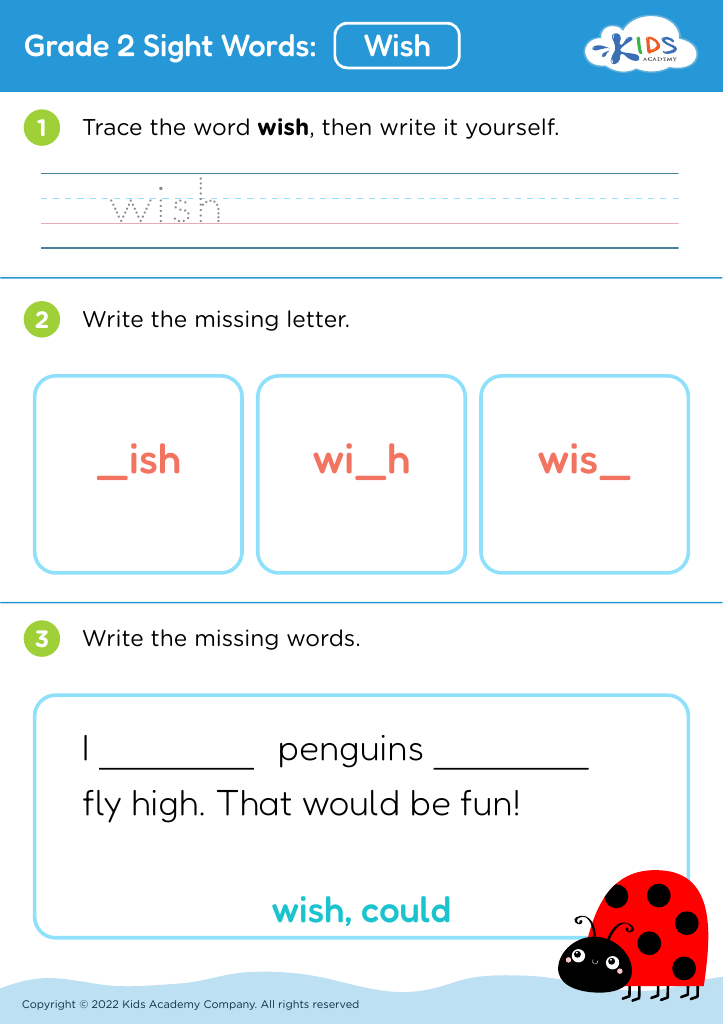
Grade 2 Sight Words: Wish

Grade 2 Sight Words: Wish

Grade 2 Sight Words: Wish
Worksheet
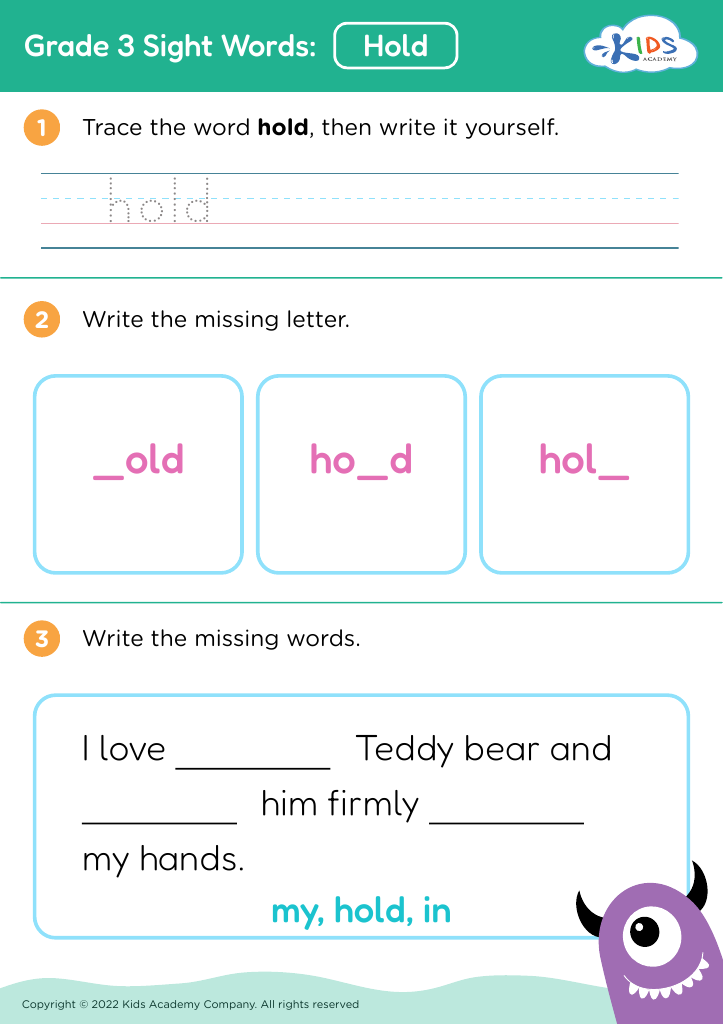
Grade 3 Sight Words: Hold

Grade 3 Sight Words: Hold

Grade 3 Sight Words: Hold
Worksheet


Parents and teachers should prioritize improving number recognition for children ages 8-9 as it serves as a crucial foundation for overall mathematical competency and cognitive development. At this age, students transition from basic number sense to more complex concepts, making it essential for them to recognize and understand numbers quickly and accurately.

Number recognition goes beyond simply identifying numbers; it lays the groundwork for understanding numerical relationships, patterns, and operations such as addition and subtraction. Children proficient in number recognition are more confident when faced with mathematical challenges, enabling better problem-solving skills and critical thinking.

Furthermore, strong number recognition enhances students' daily lives, aiding in tasks such as telling time, handling money, and measuring ingredients in cooking. Mastery at this stage significantly decreases the risk of math anxiety, fostering a positive attitude towards mathematics that can last a lifetime.

Parents and teachers, therefore, play a pivotal role in engaging children in fun, interactive activities such as games and puzzles that build number recognition skills. By focusing on this essential area, they not only boost academic performance but also equip children with vital life skills, contributing to their overall growth and development.