Nature awareness Worksheets for Ages 8-9
3 filtered results
-
From - To
Introduce young learners to the wonders of the natural world with our engaging Nature Awareness Worksheets for Ages 8-9. Designed to foster curiosity and environmental stewardship, these worksheets cover topics from ecosystems and wildlife to weather patterns and conservation. Each activity offers hands-on experiences, challenges critical thinking, and promotes active learning, making complex natural phenomena accessible and fun. Ideal for classroom use or at-home enrichment, our printable resources are perfect for children ready to explore and appreciate the planet's incredible biodiversity. Bring nature into your child's education and watch their connection to the environment flourish.
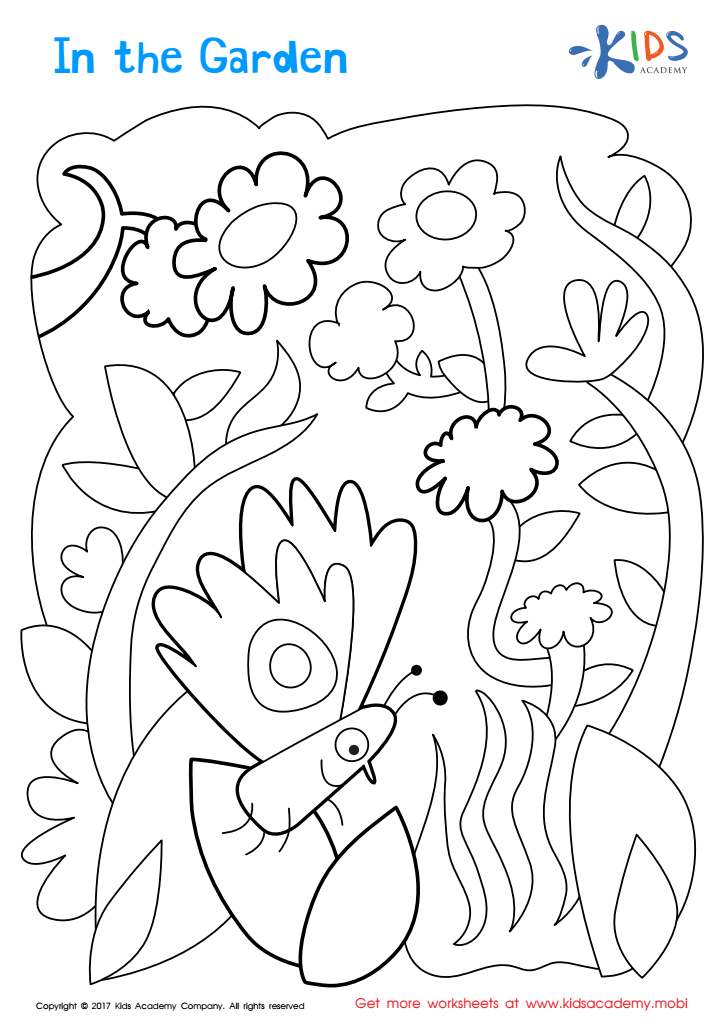
In The Garden Coloring Page
 Assign to My Students
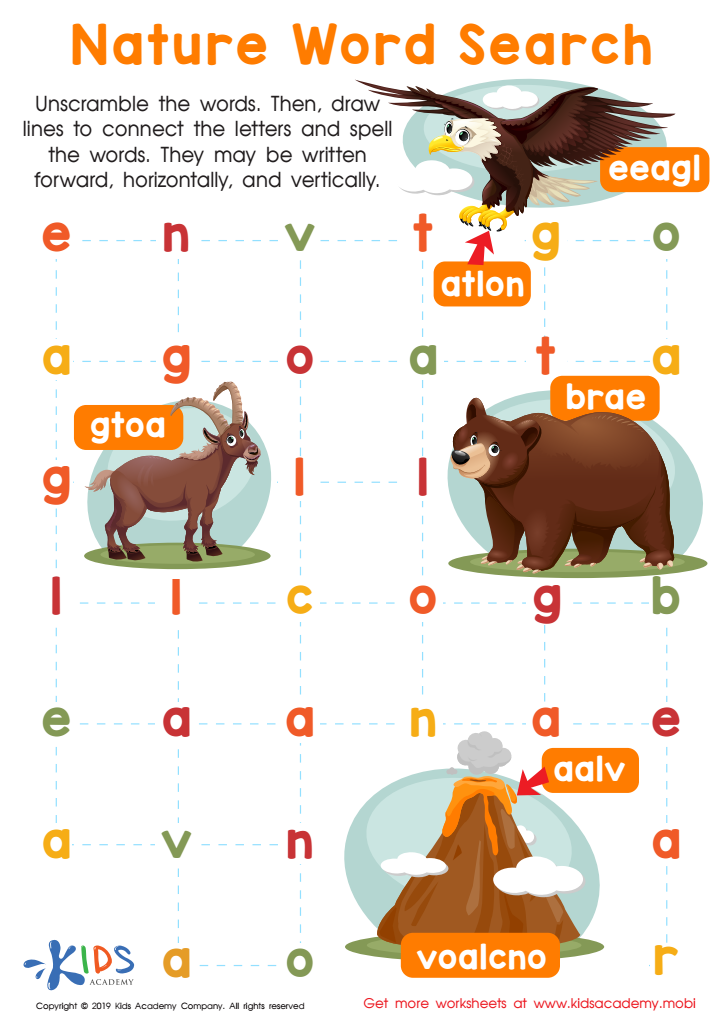
Nature Word Search Worksheet
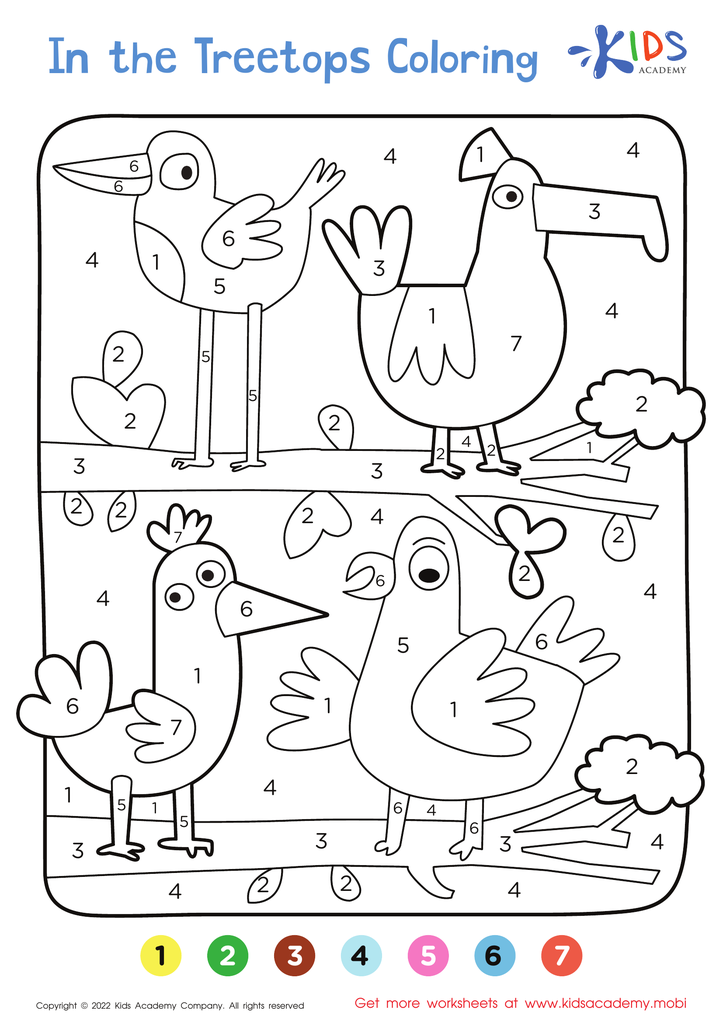
In the Treetops – Coloring Page







Nature awareness is pivotal for children aged 8-9 as it fosters a range of developmental benefits. Firstly, being in sync with nature improves cognitive skills. Exploring the outdoors boosts curiosity and critical thinking, while diverse sensory experiences enhance observational and problem-solving abilities.
Secondly, nature awareness nurtures emotional well-being. Spending time in green spaces reduces stress and anxiety and fosters calmness. It cultivates a sense of wonder and responsibility as children learn to care for living beings and the environment, building empathy and compassion.
Furthermore, nature activities promote physical health. Active play outside encourages exercise and reduces the risk of obesity. Climbing, running, and exploring support gross motor skills development, while intricate activities like collecting leaves or observing insects boost fine motor skills.
Environmentally conscious children are equipped to tackle future ecological challenges. Early exposure fosters sustainable habits, from recycling to appreciating biodiversity, shaping responsible citizens for tomorrow.
Finally, nature awareness supports social skills. Collaborative outdoor projects and nature-based group activities build communication, teamwork, and problem-solving capabilities.
Parents and teachers play a crucial role in facilitating these interactions. Encouraging nature awareness helps children develop holistically—mentally, physically, emotionally, and socially—paving the way for a healthier, thoughtful, and more connected generation.








